
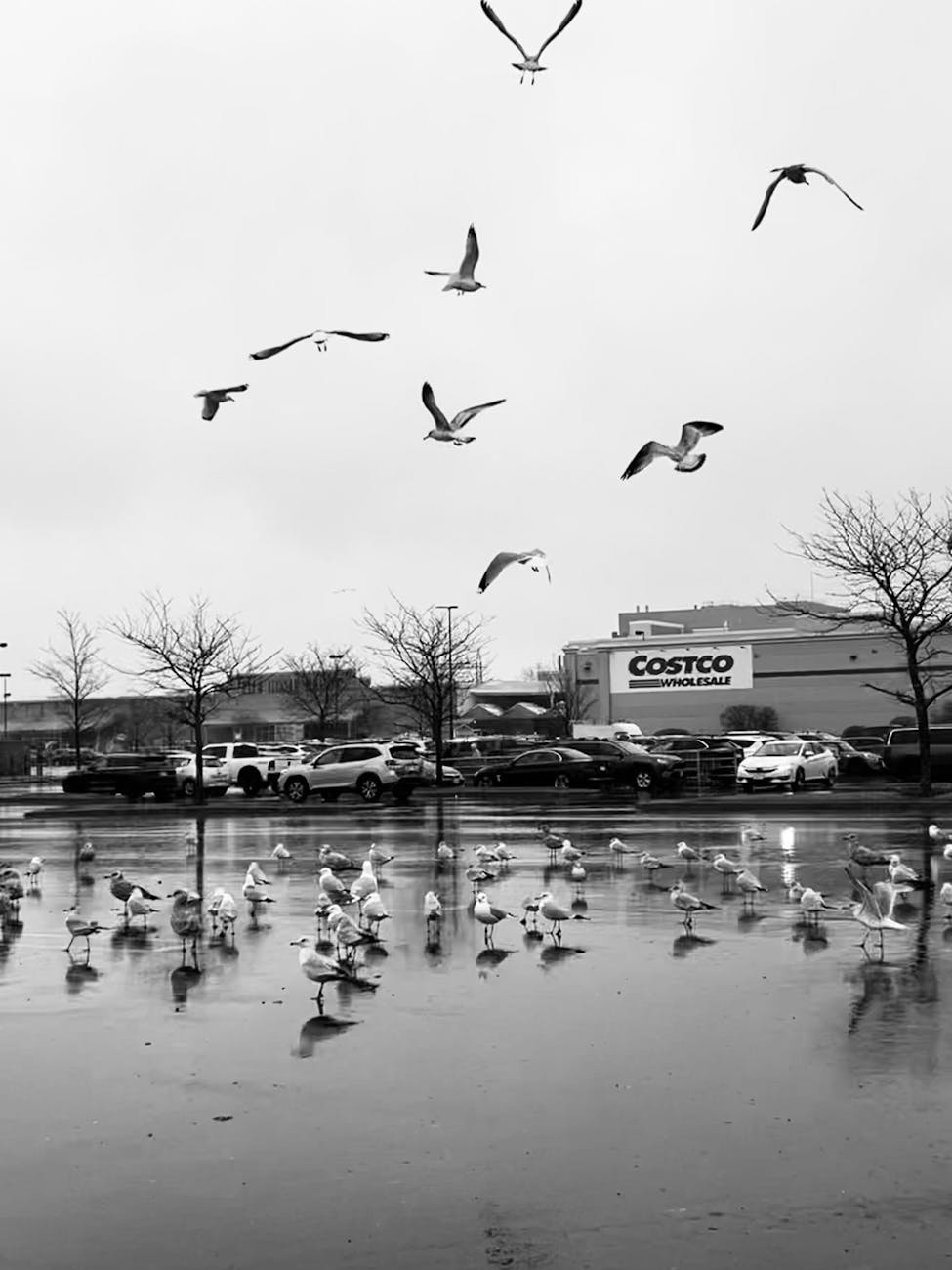
The movements of Iranian diplomats are severely limited in New York, but one proposal being floated would bar them from shopping at big, members-only wholesale stores like Costco and Sam’s Club without first receiving the express permission of the State Department.
Such stores have been a favorite of Iranian diplomats posted to and visiting New York because they are able to buy large quantities of products not available in their economically isolated country for relatively cheap prices and send them home.
It was not immediately clear if or when the proposed shopping ban for Iran would take effect, but the memo said the State Department also was looking at drafting rules that would allow it to impose terms and conditions on memberships in wholesale clubs by all foreign diplomats in the U.S.
Americans may be used to Costco and big box stores but they are not necessarily available all over the world.
When I saw this story, I was reminded of the so-called “Kitchen Debate” between Nixon and Khrushchev in 1959. At an exhibition in Moscow, the United States constructed a model of an American home with the idea of showing off all that an average American household had. Khrushschev did not appear impressed but the display illustrates one of the ways the United States expanded its power and reach in the second half of the twentieth century: through consumerism and a particular lifestyle.
Put another way, pursue policies like the United States and the average home could have a kitchen like that one displayed in 1959 or the average resident could shop at a Costco in 2025. Resist the American way of life or be belligerent toward the United States and those things will not be available.
Just out of curiosity, I searched Google Maps for the Costco locations nearest to the UN Headquarters in Manhattan. There are at least 3 locations within 11 miles. This means when the diplomats and the leaders of the world come together at the UN, getting to Costco might not be too difficult.


 Legally Sociable