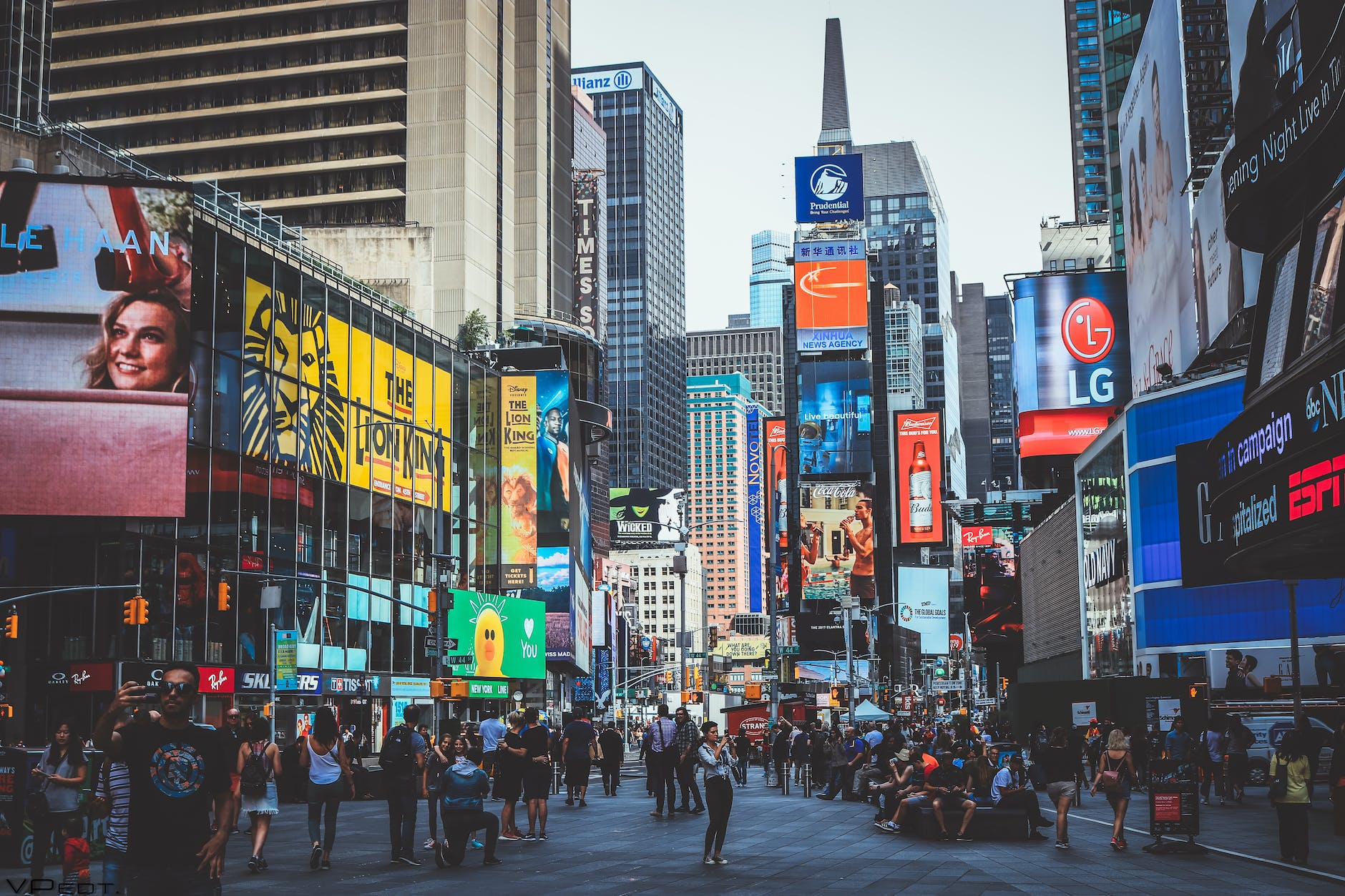
Times Square is beautiful when you judge it by aesthetics alone. Yes, plenty of great American sights are more spiritually fulfilling than this Cathedral of Stuff, but if you’re willing to set aside those exasperating anti-capitalist ethics for a few moments, I recommend letting the financial majesty of midtown wash over you. There is truly no joy quite like becoming entranced by a particularly sublime Coca-Cola advertisement, or being inexplicably inspired to take a picture of the Disney Store, and letting your brain cells atrophy away in dumbstruck glory. No, the only problem with Times Square is the obnoxious people who occupy it, and as I stood under the scarlet glow of an H&M sign, dressed in full Super Mario garb, gesturing toward the young families hurrying by—who were doing everything possible to finish up their Manhattan vacation without getting hustled into oblivion—I felt as if I was finally doing my part to make this city worse.
It is for sure a spectacle. Lights, noise, crowds. Activity at all hours. A place to see things and be seen. Can feel like the center of a universe.
Whether it is aesthetically pleasing is a whole different question. How do we judge beauty in cities? I suspect we could ask dozens of New Yorkers about what they find beautiful in their city and get even more responses. Is the problem the people who get in the way of the beautiful modern capitalist tableau?
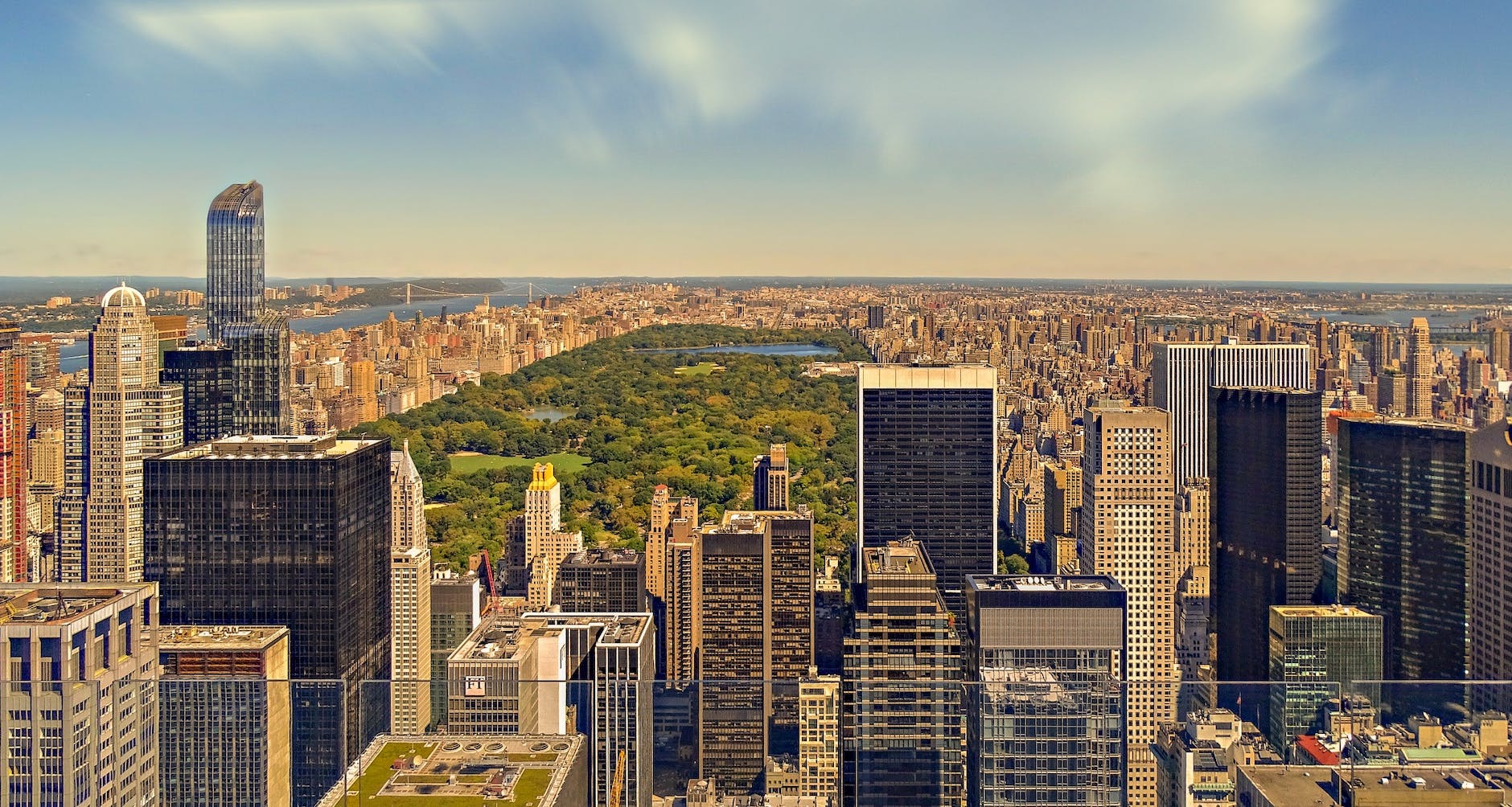
Vaux and Olmsted’s design called for a radical departure in the thinking of what a grand civic garden should be. They rejected the idea of highly formal rigid gardens like those designed exclusively for the wealthy. Instead, they proposed a naturalistic setting, filled with meadows, woodlands, gurgling streams, and surprising vistas. The resulting work involved shifting over 5 million cubic yards of soil, planting over 500,000 trees and shrubs, and excavating more than seven lakes and other bodies of water, all done by hand. In fact, the boulders like this one, which the bolt is sticking out of are the only original pieces of natural landscape in the park, and even many of these were unearthed, scraped, and cleaned to appear as they do today.
It is hard to imagine New York City without this park yet it radically transformed the setting.
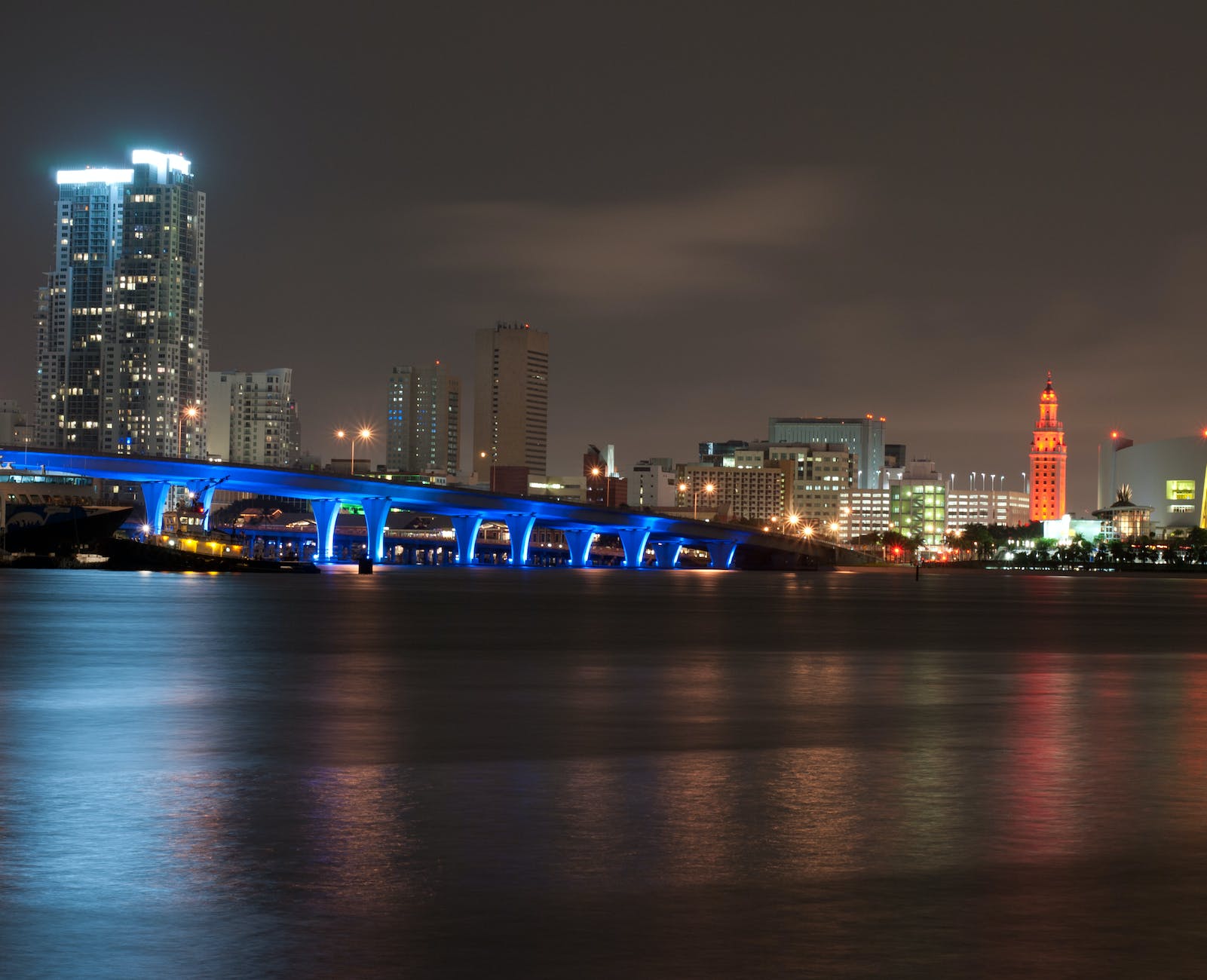
“We’ll see how big Wall Street South becomes,” Griffin said in an interview Tuesday with Bloomberg News at the Citadel Securities Global Macro Conference in Miami. “We’re on Brickell Bay, and maybe in 50 years it will be Brickell Bay North how we refer to New York in finance.”
Titans of Wall Street have flocked to South Florida in recent years, attracted by warm weather and lack of state income tax. But Griffin, who moved to Miami last year, plans to outdo them all by changing the face of the city with a more than $1 billion waterfront tower that will serve as Citadel’s headquarters, as well as political and philanthropic donations ranging from a children’s hospital to soccer.
Griffin, who is worth $35.4 billion, according to the Bloomberg Billionaires Index, still has high praise for New York, where Citadel maintains a considerable presence and intends to build an office tower. Citadel is planning a massive new Manhattan skyscraper that could rise to roughly 1,350 feet (411 meters) with 51 office floors and seven terraces…
“Miami, I think, represents the future of America,” he said.
Griffin has a vested interest in this matter. He just came from Chicago, a place where his politics did not necessarily align with others. He suggests Miami is pro-growth. He wants to spend his money locally.
It is true that New York City does not necessarily have to be the global financial capital forever. Places change, statuses rise and fall, industries shift and move. But, it would take a lot of change for New York City to be eclipsed by Miami as a financial center. For example, one ranking of global cities does not include Miami in its top 30 and New York City is #1. And the financial center aspect of New York is just one part of a city with numerous features and resources.
This sounds like boosterism. Griffin wants to raise the profile of Miami. He wants others to come to join him. He and the city can ascend together. There is money to be made in Miami – and in New York and in Chicago and in numerous other cities.
The situation poses a commuting challenge that L.A. has not seen in years, with hundreds of thousands of commuters facing detours and heavier-than-normal traffic. Starting Monday, some worked from home and others took mass transit, but many simply endured the delays.
The closure caused gridlock in some areas, but there was general sentiment that L.A. survived the first morning and evening commute without too much chaos thanks in part to warnings sent to residents’ cellphones…
Federal, state and local agencies are scrambling to determine what happens next after the sudden closure of the mile-long section of the heavily trafficked freeway between Alameda Street and the East L.A interchange, a key east-west route through downtown. Mayor Karen Bass said that U.S. Secretary of Transportation Pete Buttigieg called and reassured her that federal officials were aware of the impact from closing one of the busiest freeway corridors in the country.
“Losing the stretch of the 10 Freeway will take time and money from people’s lives and businesses,” Bass said. “It’s disrupting in every way. Whether you were talking about traveling to and from work, or your child care plans, and the flow of goods and commerce, this will disrupt the lives of Angelenos.”
Los Angeles and the region depend heavily on highways. This is true of all metropolitan areas in the United States but Los Angeles is famous for its driving and its lack of mass transit within a sprawling region.
While I am sure the focus here will be on getting this highway going again as soon as possible, why not think as well as future transportation options? The initial Carmageddons in Los Angeles went rather smoothly but this is another chance to think about additional travel options and building an adaptable and redundant system. If for a variety of reasons residents of the region cannot drive to work or where they need to go, do they have viable alternatives? Fires like this are rare but individuals face all sorts of challenges in getting where they need to go.
More broadly, can more people in the region regularly shift their transportation away from driving alone to other options? As the population of the region grows, the traffic is not going away. Roads do need to be maintained. Accidents will happen on the roadways. When I rode the LA subway on a recent visit, it worked okay one-way (the return trip was derailed by a long delay that pushed me to walking several miles) but it had limited options of where I could go. Are many people willing to ride buses and other forms of mass transit when they might drive?
The highway detours will end at some point but will driving return to normal immediately? Probably yes…but there will likely be more opportunities to consider other transportation options in the years to come.
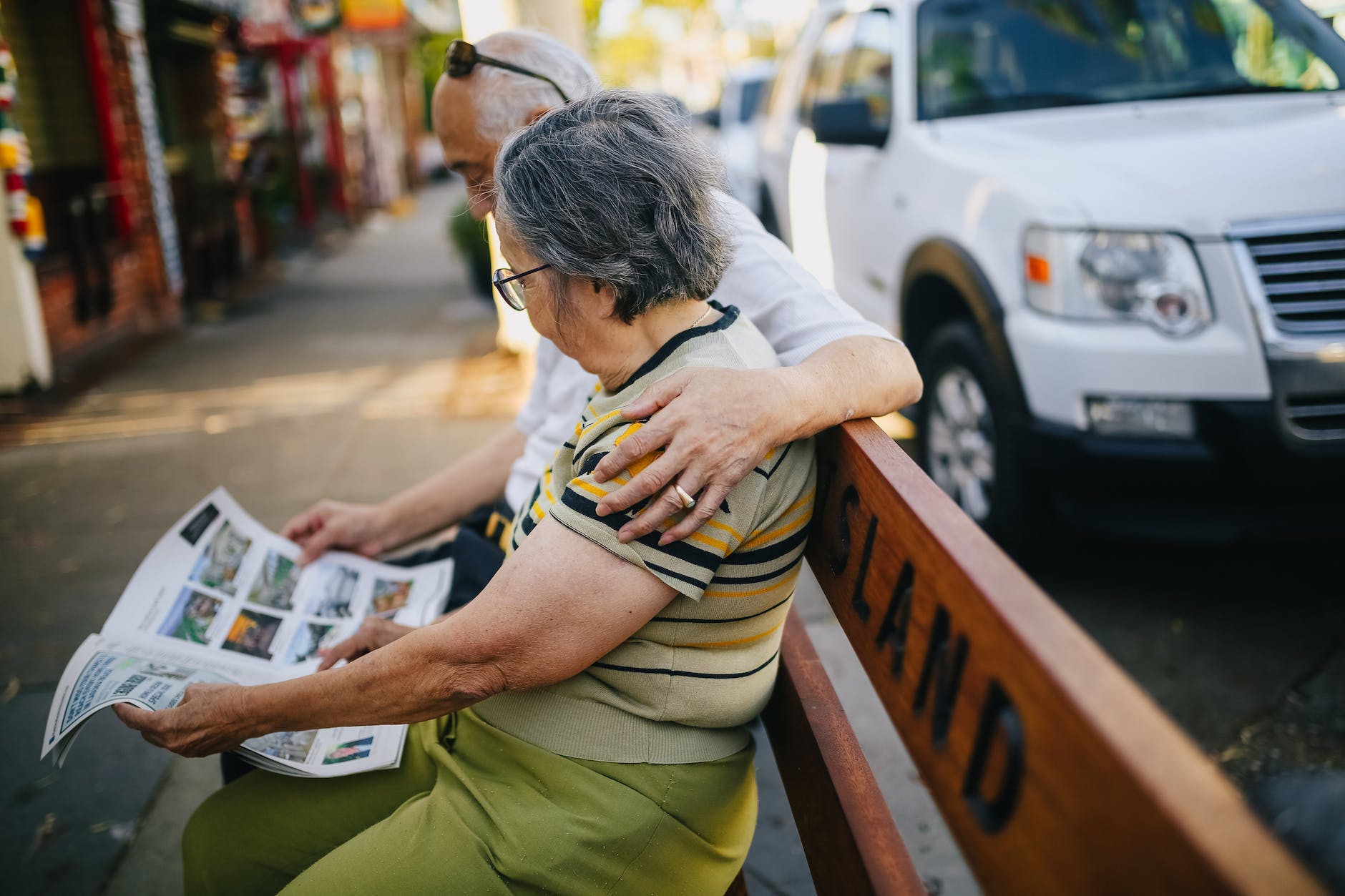
The Zinnick’s aren’t alone: Older buyers are prevailing in America’s hot housing market. This year, the median age for a repeat buyer – someone who has bought a home before – was 58, according to data released Monday by the National Association of Realtors. That’s down just a smidgen from last year’s record of 59, but it’s up significantly from 36 years old in 1981, when NAR began conducting its survey.
Lately, grandparents have been edging out younger buyers who are struggling to get into the market for the first time. Nowadays, first-time buyers make up 32 percent of the market, well below an average of 38 percent since 1981, according to NAR. They’re also more likely to be in their mid-30s today, in contrast to their late 20s in the early 1980s…
There are many reasons. For starters, older buyers are also likely to be selling a house, which provides them fresh cash. Indeed, the typical home seller was 60 years old in 2023, according to NAR, the same as last year.
And with so few homes available, sellers often go with the potential buyer making the most attractive offer – be it a large down payment, stellar credit or all cash. There, too, older buyers have a leg up…
That often leaves seniors and aspiring first-time buyers competing for similar types of homes – just a couple of bedrooms, not too much upkeep. Usually, there’s a clear winner.
If you have the wealth from owning a home, you can then put that wealth into something else – if you so choose. So, if housing values have tripled to quintupled, there is plenty of resources to apply to a new home. The home gets turned into a new home (and perhaps leftover cash). One advantage begets another, what some have called The Matthew Effect.
In theory, this is how Americans expect homeownership to work: you purchase a home, you get to live in the home, and then at some point you cash out because the home offers a strong return on investment. But, as this story notes, this is not a good story for everyone. Others who might be competing in the housing market may not have the same resources. Or, not mentioned are seniors who have not owned homes or owned properties that did not appreciate much.
Is this just a blip in the grand scheme of things because of unique conditions in the housing market? Or, is this a long-term change where those who bought homes in the past now reap certain rewards? The outcome of this could help influence the life outcomes of a lot of Americans in the coming years.
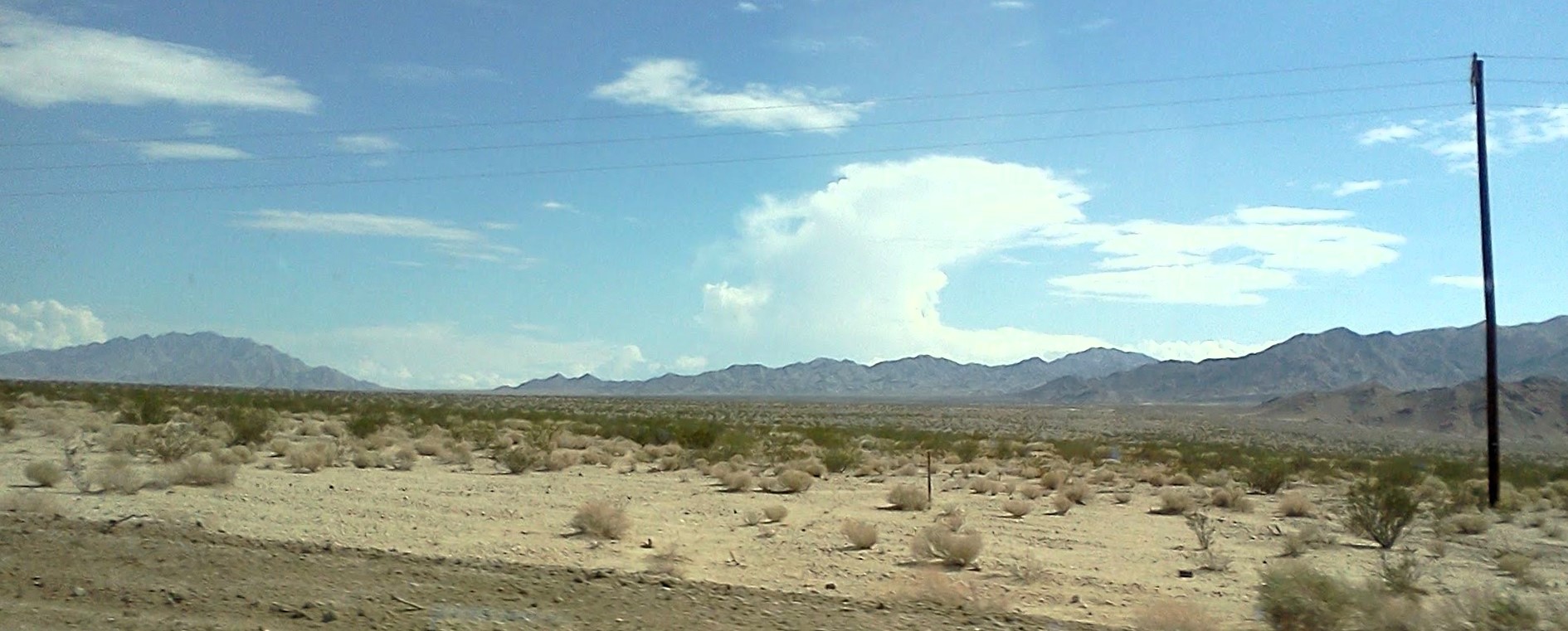
“For lack of a better description, [developers] really understood and pitched California City as an alternative and potentially competing city with Los Angeles,” Shannon Starkey told SFGATE. Starkey is an associate professor of architecture at University of San Diego and has spent years researching the city.
Piecemeal development was responsible for Los Angeles’ traffic problems, California City’s developers thought. They believed that LA, which appeared to be pressing against its population ceiling, was unprepared for California’s postwar population boom. New communities would need to pick up the slack. California City was designed to fit the bill: a sprawling, self-sufficient city in the desert. In the original plan, Starkey said, the city was projected to hold 400,000 people…
The town was incorporated in 1965 with a population that hovered around 600. According to Gorden, who moved to California City early in the decade, nearly everybody gathered in the newly built elementary school, which hadn’t yet opened, for a big dance. Mendelsohn and California’s lieutenant governor took turns sharing remarks. The mood in the 1960s, Gorden said, was one of “absolute expectations.”…
Grievances over false advertising culminated in a civil penalty issued against Great Western by the Federal Trade Commission. The FTC found Great Western responsible for deceptive sales practices, requiring the company to refund $4 million to over 14,000 of its customers. (Great Western Cities also had developments in Colorado and New Mexico.) At the time, it was the largest refund ever issued by the commission.
Shortly afterward, the Hunt brothers, who were heirs of an oil tycoon, acquired the company through a hostile takeover. According to Efford-Floyd, the Hunts only bought the company to drain its accounts, which they did as fast and as hard as they could…
Perhaps part of the reason that the city’s population never exploded is that it never developed an economic base of its own. “For many years, this was considered a bedroom community,” Jim Creighton, who serves on California City’s City Council, told SFGATE.
This would not quite be a ghost town as people do live there. However, it is an example of another common feature of the American landscape: a developer once had big plans but they did not pan out. Here, the eventual development did not match the grand vision. Elsewhere, other development might have eventually landed on top of what had once been planned. Either way, the community did not reach the lofty goals once set.
Should there be a name for such places? We would have to account for the scale of the plans. The ambitions here of a big city with hundreds of thousands of residents is different than a big subdivision that never quite got off the ground. We retell the stories of some of the planned communities that did happen, such as Levittown, New York or Columbia, Maryland or River Forest, Illinois. How many other places did not make it in the same way?
And we’re not going to cure the problems of the urban by dragging the country into the city, which is what a lot of us are trying to do all the time.
Yet, one thing humans have done for a long time is to cultivate gardens in cities and communities. Think the Hanging Gardens of Babylon. Or, urban farming in Detroit and other cities. Or, rooftop gardens. Urban gardens can, and have, thrived:
Humans will continue to garden in the city and cultivate plots of land or space. This is different than the “nature band-aid” approach Kunstler criticizes where slapping a few bushes or trees into a setting is viewed as adding nature.
Smith Mount, chair of the city council in Huntington, West Virginia, was determined to see her community launch the state’s initial outdoor drinking zone — an idea made possible only after the legislature changed the state’s alcohol law earlier this year…
Huntington leaders saw the district as a way to encourage economic growth by drawing more people to the heart of the city: The hope is that by allowing people to grab a drink and linger, they’ll spend more time and money downtown. Steps away from the banks of the Ohio River, the zone’s few square blocks include local restaurants, bars and shops…
In recent years, several states have relaxed alcohol consumption laws to allow communities to create their own limited drinking zones. They aim to revitalize downtown cores hollowed out by the changing nature of retail and the post-pandemic loss of office workers…
Aside from bringing foot traffic to shops and restaurants, officials say the success of the new districts reveals the need to update antiquated liquor laws that long banned public consumption in most places to try to reduce public intoxication and drunken driving. While some critics have raised concerns about the new districts’ potential to promote drinking, crime or littering, organizers across the country say they have largely been adopted without incident.
This has happened in a number of places in the last decade or so. The importance of business shows up here as alcohol is assumed to be a means by which people will buy and consume more. Alcohol by itself can help boost business as it can be profitable to sell and can then generate more local revenue through taxes. Alcohol plus walking and visiting other nearby locations offers additional benefits.
A side effect of this might be a larger social scene. If people are willing to be downtown and linger, there are more opportunities to interact with each other. While alcohol could lead to negative interactions, it could also lead to people willing to enjoy more time around others. The United States does not have a strong legacy of third places or public squares; could alcohol help turn downtowns into regular social scenes?
Have you noticed that holiday movies are already streaming? And have you noticed the homes? They’re built for families who enjoy being together.
Rarely opulent “McMansions,” the homes featured in holiday family movies run the gamut from the family cabin in the woods to a stately family home that has been passed down through the generations.
The suggestion here is that the features of McMansions are not well-suited for these films. Here are some traits that might not work. Lots of square footage means family members are not around each other regularly. Unusual architectural features or interior designs do not look like traditional homes. A giant house on a small lot or looming over other homes does not appear friendly.
In contrast, a “good” home for a Christmas movie will be cozy, traditional in architecture and design, and present a particular appearance from the outside. The home might be tied to particular styles from the Victorian era through the mid-twentieth century when many Christian traditions and themes emerged in the Anglo-American sphere.
Given the way McMansions are treated in artistic endeavors, perhaps a McMansions could serve as the setting for a dystopian or black comedy Christmas film.
Sioux Gateway Airport, or SUX as it appears on tickets and bag tags, has been the butt of jokes in Iowa and beyond for decades.
After complaints and failed efforts to change the code, Sioux City decided to lean into its unfortunate designation and, more recently, has expanded it well beyond the airport. Area businesses are increasingly embracing the branding and SUX is popping up all over the place.
Poo SUX is a pooper scooper service for pets. RentSUX is a leasing company. Cleaning SUX is a commercial-cleaning firm. Radon SUX helps people mitigate radioactive gas from their homes. The Art SUX gallery is downtown. And the SUX Pride festival is held in June…
FLY SUX has been the centerpiece of this city’s airport marketing since 2007. Before that, the Federal Aviation Administration offered five alternatives—GWU, GYO, GYT, SGV and GAY—but airport trustees stuck with SUX, the Associated Press reported at the time…
Mike Collett, an assistant city manager who serves as the airport’s director, said SUX has become so common for people in the area that “everyone thinks of it as a positive statement.” When the city lobbies airlines to keep or expand their service, representatives often hand out T-shirts, caps and other SUX tchotchkes.
Cities and communities in the United States need to find ways to stand out. Whether they are trying to appeal to businesses, potential residents, or tourists, they try to provide a reason their particular community should be chosen when there are thousands of other options.
Here are my guesses at how Sioux City thinks it is presenting itself by leaning into this airport code (though the story makes clear that not everyone in the community does): it is a place that can have fun, they can turn difficult situations into good ones, and they are a little edgy. This puts them on the map, even if some might find the language distasteful.
Does this branding work? It is one thing if local grab hold of this and make it part of local life. It is another if this helps the city and area attract people.





 Legally Sociable