5 days until Every Somewhere Sacred: caring for and learning from a suburban yard

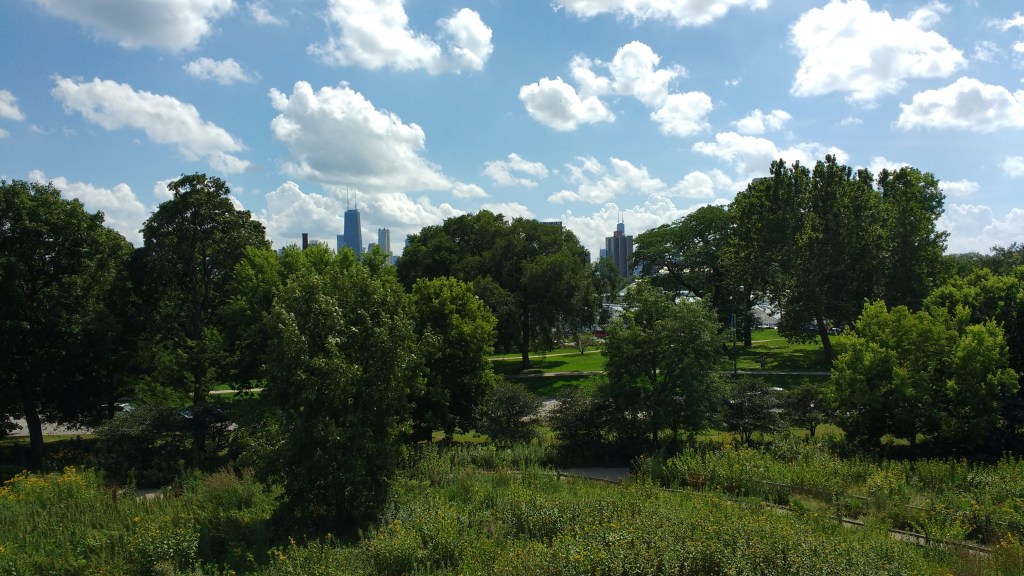
The yard for my suburban house is 0.26 acres. On all four sides, the house is surrounded by grass, bushes and trees, and wildlife. This is part of the American Dream: a suburban single-family home for a family framed by green grass and attractive landscaping. All that nature in the yard allows space for kids to play in a private setting free from threats. Or perhaps it is about keeping the lawn extra green and finely trimmed and completely free of weeds and leaves so that the nature around the home leads to a higher return on investment.
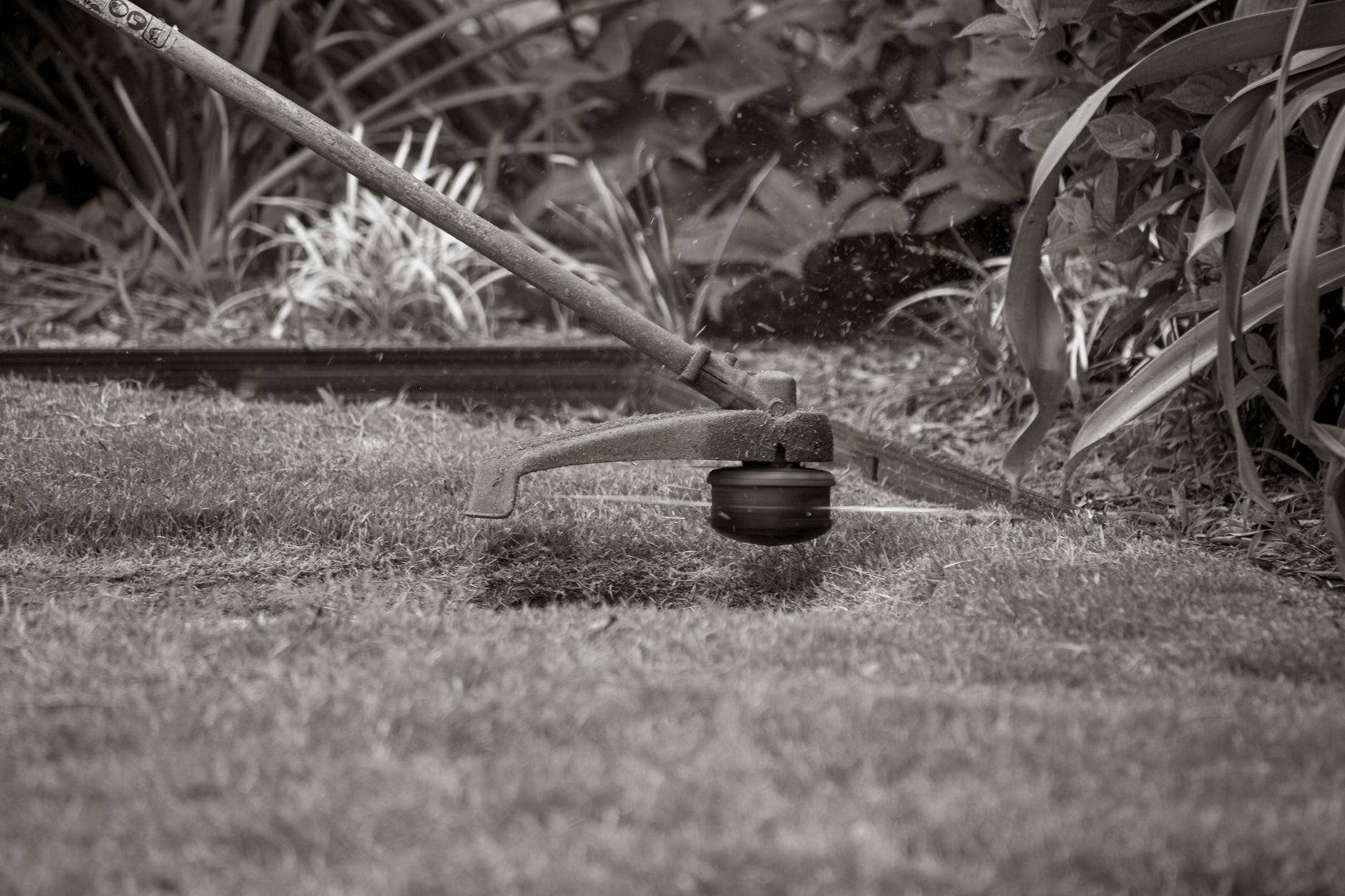
Photo by princess on Pexels.com

What could it look like for Christians to expand their imagination about the nature around them rather than defaulting to American land stories and half-truths? In Every Somewhere Sacred, Ben Norquist and I consider better ways to engage with God’s plans for land and places.

What might that mean for my yard? It is certainly not “wild” land. Humans have been in this area for a long time, including Indigenous people and white settlers starting in the 1830s. This particular plot of land was farmed for decades before a developer started putting up houses in the early 1970s. As they put up houses, they shaped other features of the land, putting in a pond that some of the homes back up to, leaving numerous older trees along the main road through the neighborhood, and situating other homes to back up to a public park.

The land is not there just to serve my financial interests or the specific needs of my household. My yard is connected to other yards and it part of a broader ecosystem. Some animals and plants thrive in suburban settings. Others do not. I regularly see rabbits and have occasionally spotted foxes. Chickadees, robins, cardinals, red-tailed hawks, cormorants, and Canadian geese can be seen and heard. Insects are around. We have a small, simple garden that requires weeding and watering. I do not fertilize my yard or use weed killer. We occasionally trim the bushes and trees.

I want the nature around me to flourish. I am created, nature is created. My yard presents a small opportunity for me to learn from and with Creation about God and the world. We can tend, cultivate, plant, tear up when needed. We can work with nature rather than just extracting value from it.

In our book, we describe four different lenses different Christians have developed to help us better understand the physical world around us: land as gift, sacrament, kin, and home. If I took time with each of these and applied them to my own yard, what could I see differently? As I retrieve a basketball from the rose bushes next to the driveway planted by previous occupants of our home or when I drag the hose to the backyard to water our garden or when I put down mulch in the flower beds or when I hear a woodpecker in a nearby tall tree, how might I better see God and the world?
We maybe should not drag the rural into the city but we can keep cultivating gardens in the city

In watching again James Howard Kunstler’s TED talk “The Ghastly Tragedy of Suburbia,” this line stood out:

And we’re not going to cure the problems of the urban by dragging the country into the city, which is what a lot of us are trying to do all the time.

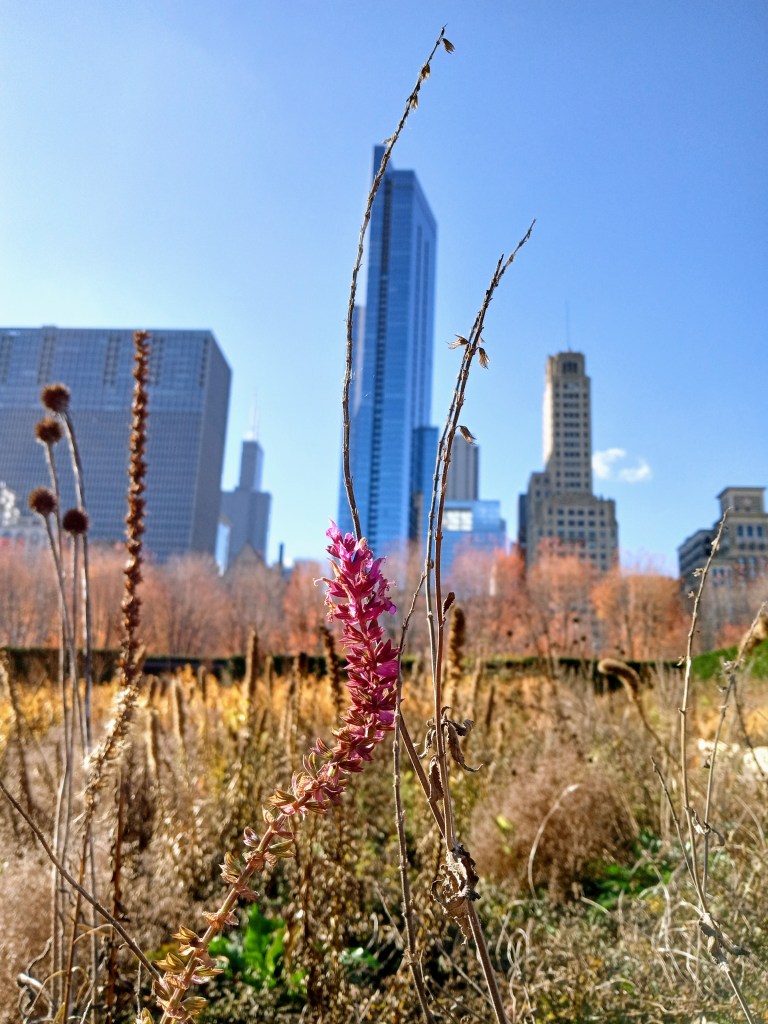
Yet, one thing humans have done for a long time is to cultivate gardens in cities and communities. Think the Hanging Gardens of Babylon. Or, urban farming in Detroit and other cities. Or, rooftop gardens. Urban gardens can, and have, thrived:

Humans will continue to garden in the city and cultivate plots of land or space. This is different than the “nature band-aid” approach Kunstler criticizes where slapping a few bushes or trees into a setting is viewed as adding nature.

The marketing pitch in Chicago’s motto “Urbs in Horto”

Chicago’s official motto helped sell the city in the mid-1800s:

But as European descendants forcibly settled the region, and began turning land over to agriculture and then urbanization, the trees that remained were sparse holdovers from pre-settlement times. Many of the new trees they planted were non-native species for landscaping purposes, while animals distributed invasive tree species.

So the idea that Chicago was a “City in a Garden” when the motto Urbs in Horto was adopted by the city government in the 1830s is a bit of a misnomer, said Julia Bachrach, former historian for the Chicago Park District.

Bachrach said the 1830s brought a flurry of land speculation in the Chicago area, which city officials encouraged by enticing East Coast developers to buy up stretches of land. But first they had to convince developers the land was valuable.

“It was a bit of a PR move to call this marshy, windswept, ‘smelly onion’ city the ‘City in a Garden’,” Bachrach explained.

As this article goes on to describe in more detail, many of the trees, parks, and boulevards came later to Chicago. And many of the things Chicago later became known for – including “the city of broad shoulders,” skyscrapers, meatpacking, and divides – have few clear links to gardens and trees.

I recall reading Ann Durkin Keating’s Rising Up From Indian Country and being surprised by the presence of sand dunes along the shores of Lake Michigan in the early days of white settlement. As a kid reading and hearing about Chicago, the story always seemed to go the other way: filling in land along the lake with refuse from the great fire, reversing the flow of the Chicago River, and building a booming metropolis over whatever was there before. Chicago conquered nature to become what it was and then thought of parks, trees, gardens, and a lakefront. That it could feature nature in particular ways was a product of this mechanical and human progress.

Bonus facts: the motto is featured at the bottom of Chicago’s seal and is represented by one of the points of the fourth star on the Chicago flag.