From subprime mortgage issues to superprime mortgage issues

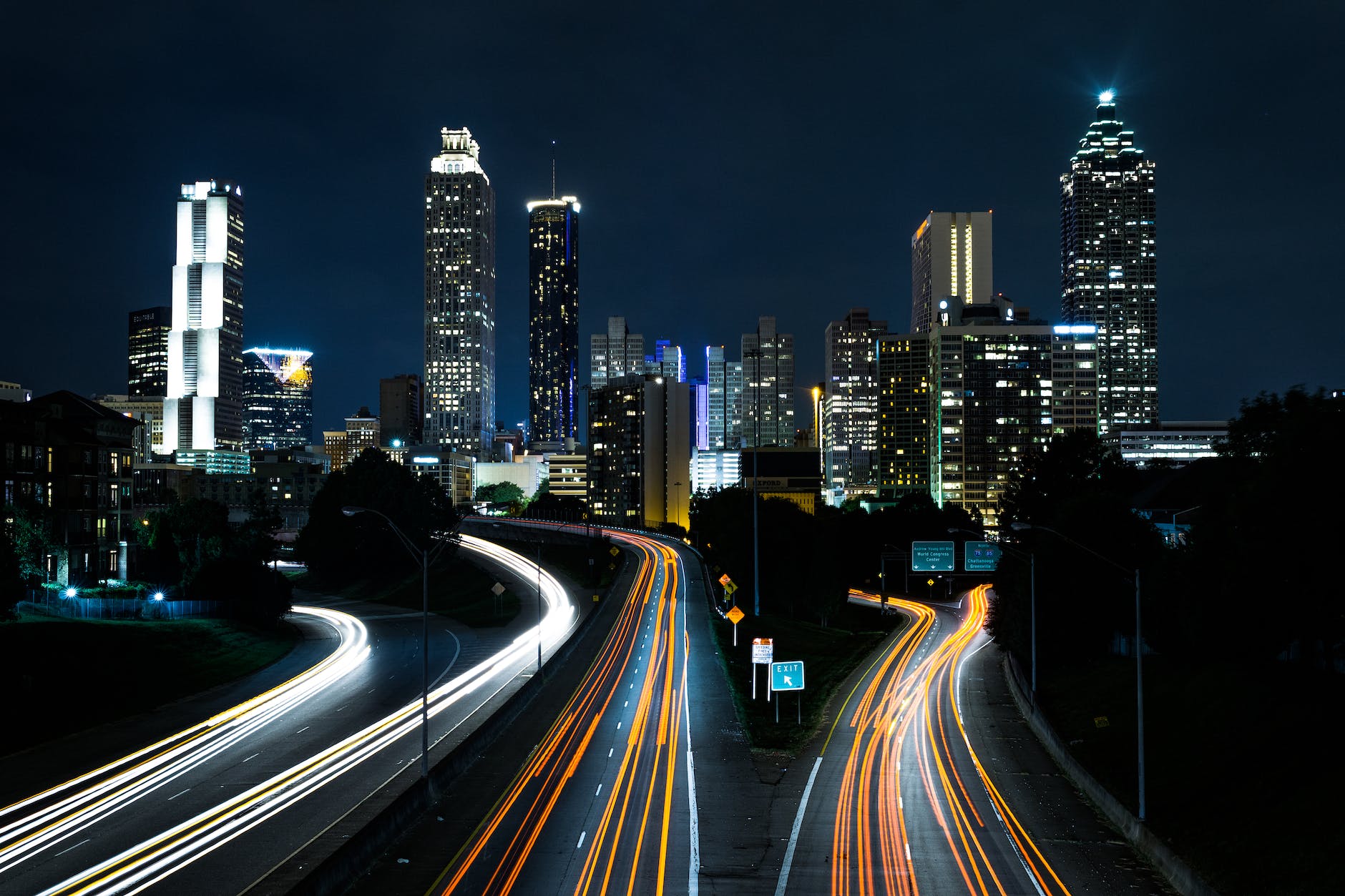
The most recent financial uncertainty includes mortgages in a superprime era:
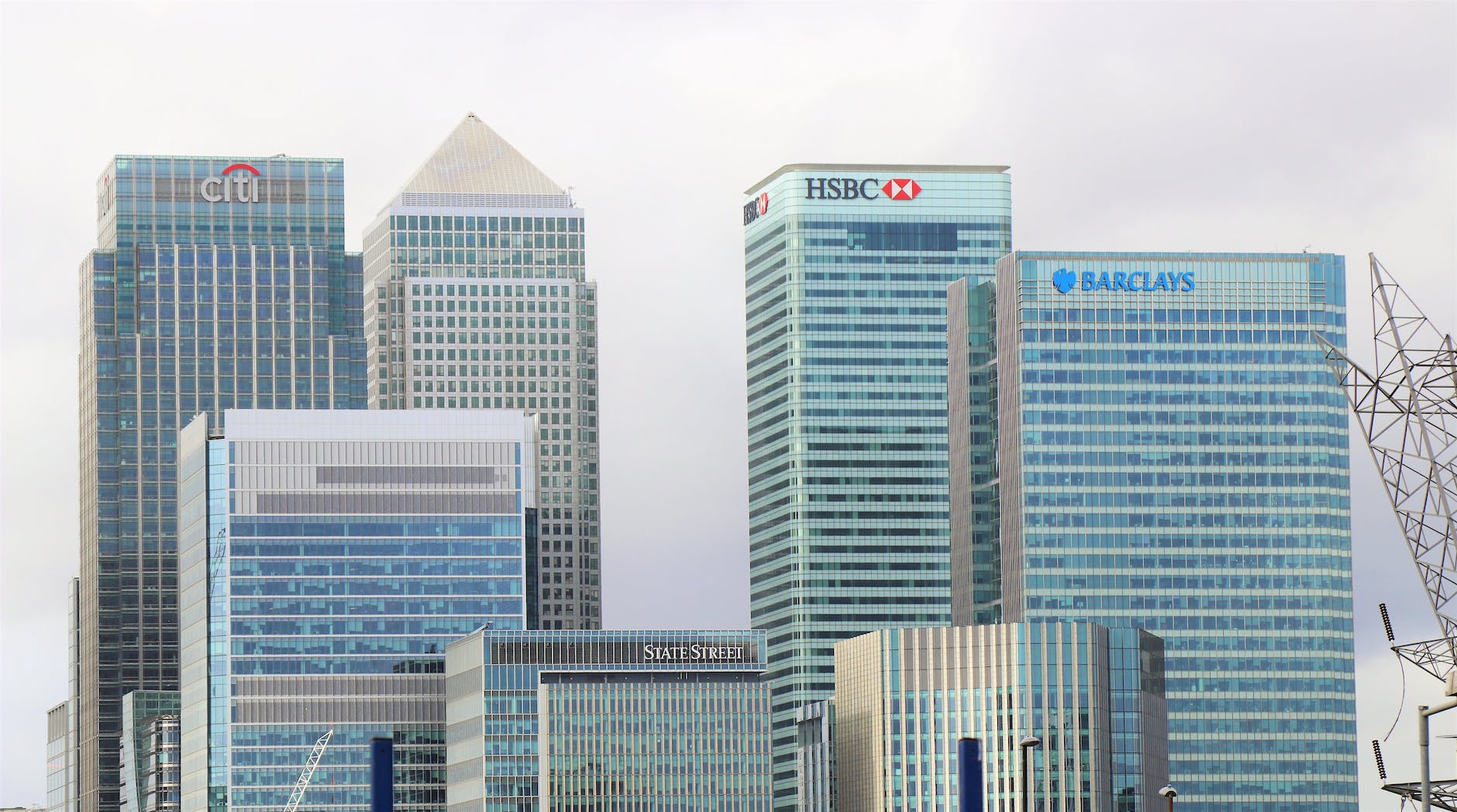
Photo by Expect Best on Pexels.com

This is quite the turnaround. After 2008, banking the rich was often touted as a far better model. Even the biggest banks began aiming more of their consumer lending and wealth management at relatively better-off customers, and they scaled back on serving subprime customers. Wealthy customers seldom default, they bring lots of cash and commercial banking business and pay big fees for investments and advice, the thinking went.

But when interest rates shot up last year, it exposed weaknesses in the strategy. It isn’t that the rich are defaulting on loans in droves. But the most flush depositors with excess cash last year started taking their cash and seeking out higher yields in online banks, money funds or Treasurys. On top of that, startups and other private businesses started burning more cash, leading to deposit outflows…

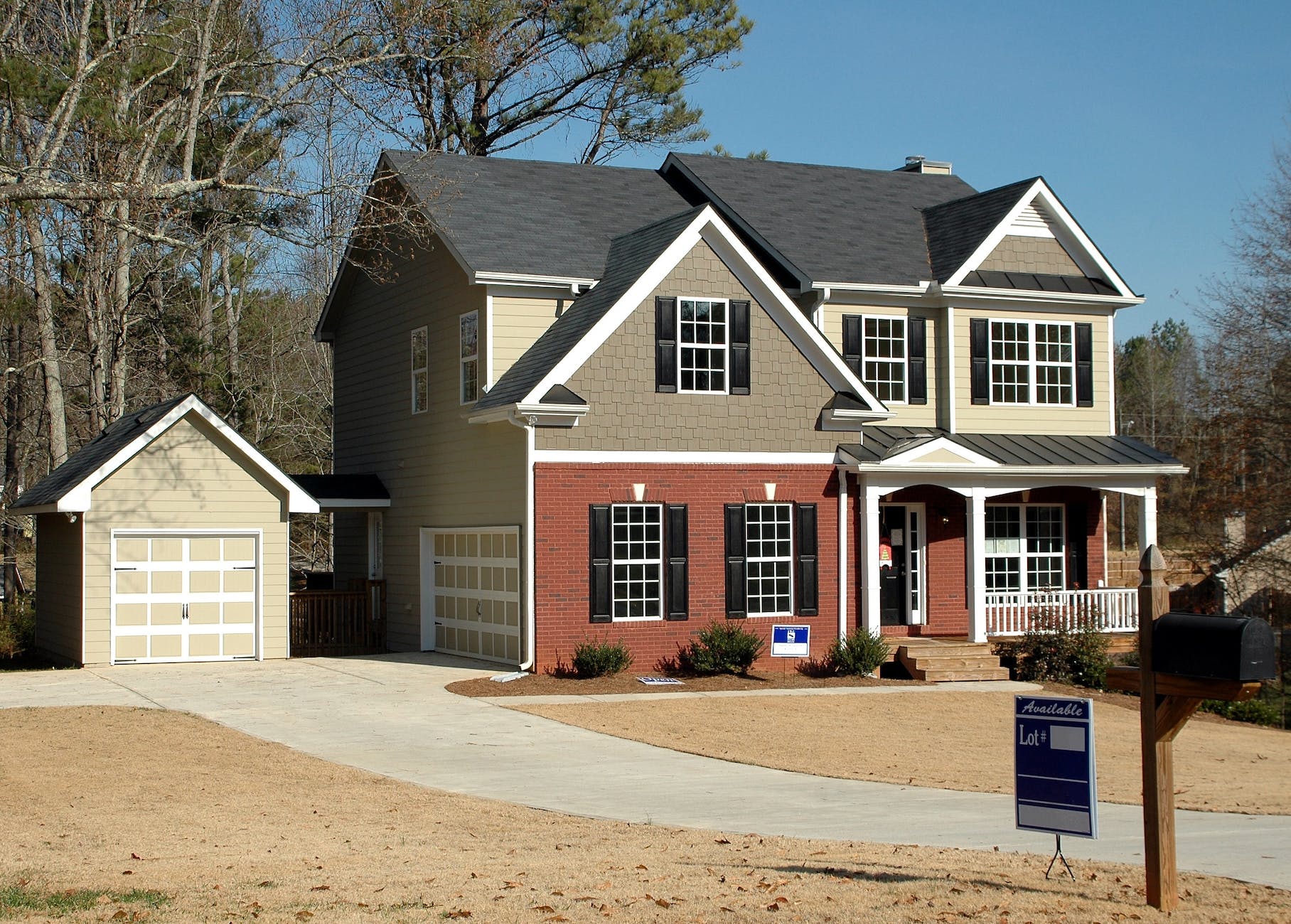
A major way that the better-off do borrow from banks is to buy homes, and often in the form of what are known as jumbo mortgages. Jumbos are for loan amounts over $726,200 in most places, and over $1,089,300 in high-cost cities such as New York or San Francisco. Jumbo mortgages bring wealthy customers with lots of cash. They also are typically more difficult to sell to the market, in part because they aren’t guaranteed by government-sponsored enterprises such as Fannie Mae or Freddie Mac. So banks often sit on them. But the value of these mortgages, many of which are fixed at low rates for the foreseeable future, have dropped as interest rates have risen.

To be sure, not all banks that focus on wealthier individual clients are under intense pressure. Shares of Morgan Stanley and Goldman Sachs, are down less than half as much this month as the nearly 30% decline for the KBW Nasdaq Bank index. But those banks are more diversified and focus more on the steadier, fee-generating parts of the wealth business, such as stock trading and asset management, than on mortgages or deposits.

I interpret this to mean that there is less money – or lower rates of return – to be made on big mortgages. Wealthy people will want to buy real estate, particularly because it is often assumed that the value of real estate will be good long-term, but the money does not generate the amount of money banks want.

If mortgages are too “boring” or do not generate enough money, could we be headed to an era where banks do not want to do mortgages? Money for mortgages could come from elsewhere.

Neighbors fighting over the presence of pickleball at the local park

I am convinced many communities do not want basketball courts in their parks. Perhaps some also do not want pickleball, a growing sport? An example from Chicago:

Photo by Digital Buggu on Pexels.com

Disgruntled residents unhappy with the noise and the pickleball takeover of the “unique wide-open blacktop area” launched a petition to boot pickleball from the park and restore it to “a safe and open space for kids to play in Lincoln Park,” according to the petition which has garnered more than 780 signatures…

“The confrontations, complaints and frustrations are a direct result of this dishonest and unethical action,” wrote Leslie Miller, who started the anti-pickleball petition, in a March 10 update on the online petition. “Moreover, this dispute has created an atmosphere of tension and unpredictability that feels unsafe for children.”

Pickleball players have countered with their own petition in support of the game, which has attracted nearly 700 signatures so far. Myers said issues with pickleball at the park seem to stem from wanting control, and he can understand some of the counter pickleball points, such as the noise complaints, but not necessarily agree with them…

In a statement Tuesday, the Park District said it “is committed to balancing the needs and interests of the community surrounding Bauler Park. The district recently implemented a plan to dedicate space for pickleball at Bauler Park, Monday through Friday from 10 a.m. to 2 p.m. With the exception of these designated times, the space will remain open for other recreational activities during normal park hours. The Park District will continue to work with the community to identify additional locations to support the sport.”

These concerns are many of the same ones neighbors fight over in neighborhoods and communities across the United States. Who gets to control the use of the property? What land uses are desirable? What about the children? Is there too much noise? The only two common ones missing: any concerns about water (do pickleball courts contribute to water runoff, particularly compared to play areas for kids?) and property values.

On the other hand, it is good that people are using the park and are engaged with its use. Given all of the possible activities residents might want to do in the park, balancing all of these interests can be tricky. Do all parks have to offer certain amenities? How far are people willing to go to find their preferred activity? What should be left to the private sector.

Given the relatively recent rise of pickleball, perhaps this will all die down soon. Or, perhaps this fight is coming to many parks across the country as more established uses give way to more recent trends.

Midwest leads the way in homes selling for under $250k in February

In a larger story about home prices falling in February, this graphic shows the percent of homes in each region sold in different price categories:

Only in the Midwest region are close to 50% of the homes sold at $250,000 or under. The Northeast is roughly at 33%, the South is roughly at 26%, and the West is roughly at 6%.

So does this mean there are more starter homes in the Midwest? Not necessarily. Perhaps this is linked to incomes in the region and less household wealth for people to spend on homes. Perhaps the housing stock of the homes is older and the homes need more rehab. Perhaps there is less demand for the homes due to slower population growth.

Still, the differences are stark. Could Midwestern states and communities advertise that they have cheaper housing? (Of course, an influx of residents could push housing prices up as has happened in certain locations throughout the United States.)

The reasons behind a low housing inventory

Why are there few homes to purchase in the United States? Here are several reasons:

Photo by Pixabay on Pexels.com

One reason inventory is so low nationally is that many homeowners were able to lock in record low interest rates in 2020 and 2021. Mortgage rates have skyrocketed since then—the rate for a 30-year fixed mortgage reached 6.7% on March 9, nearly double that of a year ago, according to Freddie Mac. That means that homeowners who bought or refinanced with low interest rates are reluctant to sell their homes and buy another with a mortgage with a much higher interest rate.

The low inventory makes house hunting an even more painful and emotionally charged process than usual, because buyers are finding that there just aren’t that many options. They have to choose between paying a high price for the inventory that is available, or waiting—potentially for a long time.

There are factors at play that make some markets especially brutal. In January, according to Redfin, the places out of the top 100 most-populated metro areas in the country with the lowest inventory were Rochester, N.Y. (1.2 months’ supply); Buffalo, N.Y. (1.4 months’); and Allentown, Penn. (1.5 months’). Rounding out the top ten were Grand Rapids, Mich.; Worcester, Mass.; Greensboro, N.C.; Hartford; Boston; and Montgomery County, Penn…

One other reason that there’s low inventory? The influx of investors who have bought properties, including single-family homes, to rent. Investors bought 24% of all single-family homes in 2021, up from around 15-16% each year going back to 2012, according to a Pew Stateline analysis.

Add to this that many places in the United States are short units of affordable housing.

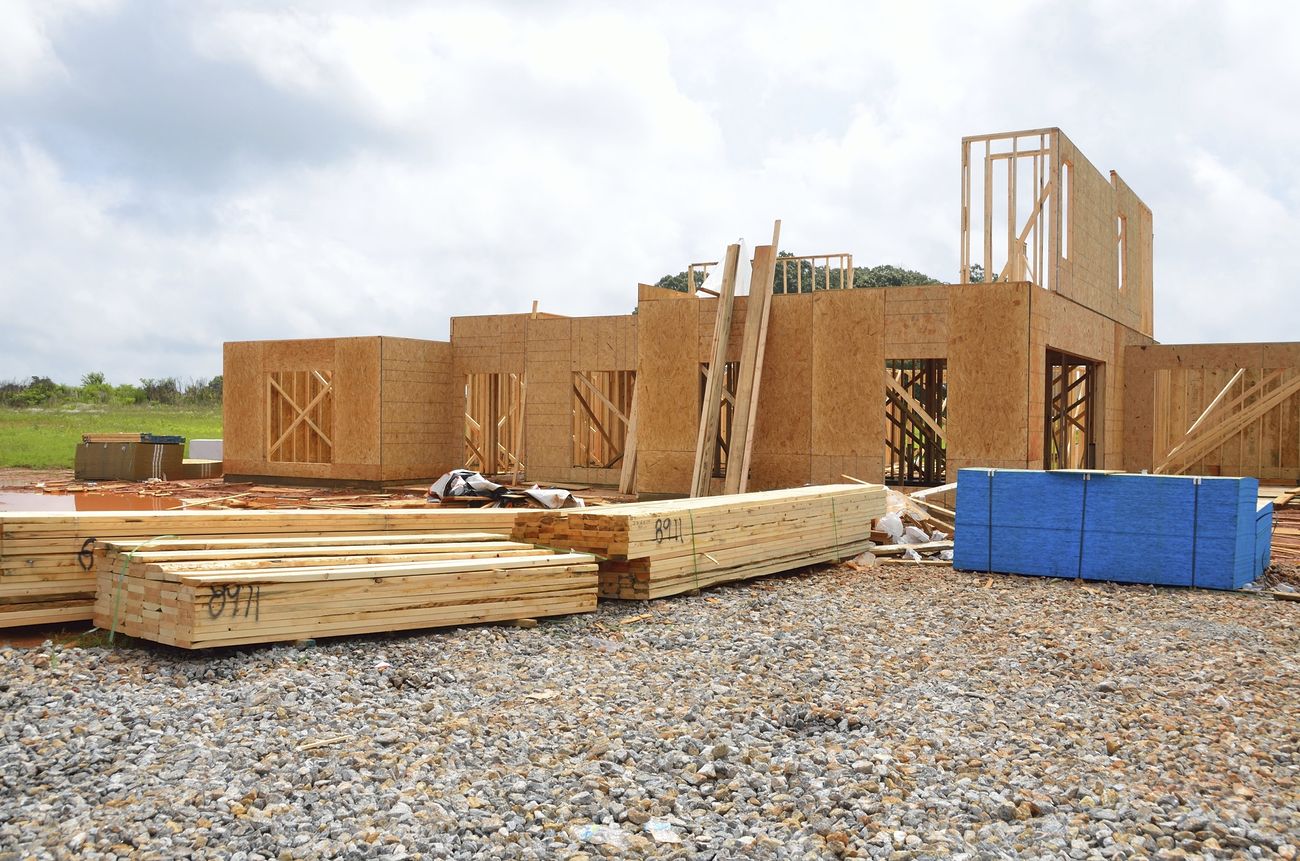
I have not seen many hints that this is a short-term problem or one that will be addressed soon. The mortgage rate issue will take time to see through. The housing crunch in particular markets may require hyperlocal policies as well as changing national conditions. Investors will continue to act in the market. The construction that is taking place is often aimed at higher ends of the market.

What I am still surprised at: how come no national politician is making this a centerpiece of a campaign? Imagine a politician promoting homeownership opportunities, new housing starts, seeking ways to boost construction, and wanting to help people achieve the American Dream. This could appeal to both sides of the aisle. This would not necessarily require major changes to national policy beyond a consistent message, helpful incentives, and a desire to help address the foundational issue of housing that many face.

More (but unspecified) numbers of people painting their lawn green

Water restrictions, drought, and changing norms about lawns mean it is easier to paint a lawn green:

Photo by Digital Buggu on Pexels.com

Painted lawns are becoming more popular as inflation-strained households try to save money,  drought complicates water usage and severe storms have brought ice and freezing rain to swaths of the South, turning lawns a blah brown. This niche business sector has grown, well, like weeds, with lots of landscapers, professional training and an array of shades to choose from…

While Mr. Gavelek’s lawn-care company, Fertizona, has been selling green lawn paint for a decade, he said he is getting far more calls this year from landscaping companies, homeowner associations and residents curious about painting, in an effort to cut down on expenses and save water…

Brian Howland, 53, who paints yards in the Phoenix area part-time with his son, said you can get a dormant lawn to look realistic with paint, for an average cost of $250 to $350. The only problem is, it doesn’t feel as good as it looks…

Geoponics Corp. makes popular pigments including “Fairway,” a dark green which it says has a “see it from the moon” effect and “Perennial Rye,” inspired by golf courses of Augusta, Ga. Brad Driggers, a sales manager, travels the country helping paint users understand the correct mixing ratios. He said landscaping companies or golf course turf managers may use tractors with long attachments to spray big areas, while a person at home could use a gallon jug with a small attachment.

The article is frustratingly short on numbers. How many lawns are being painted? How big is this industry?

Without these numbers, it is hard to know whether this is a serious threat to the green, well-watered American lawn or not. Or, is this primarily a regional variation on the lawn with significant numbers in the Southwest but nowhere else?

At this point, it is hard to imagine this spreading widely beyond a region or particular uses (sports fields are cited in the article). Even in the Southwest, is this the preferred option compared to removing the grass all together and going with other plantings or rocks? Painting seems like a temporary step where property owners hope the lawn comes back eventually.

Another approach to all of this: perhaps people will stop caring if their lawn is green or not. Why pay for painting if lots of people have brown lawns?

What are the odds the new Kennedy Expressway construction ends in 3 years?

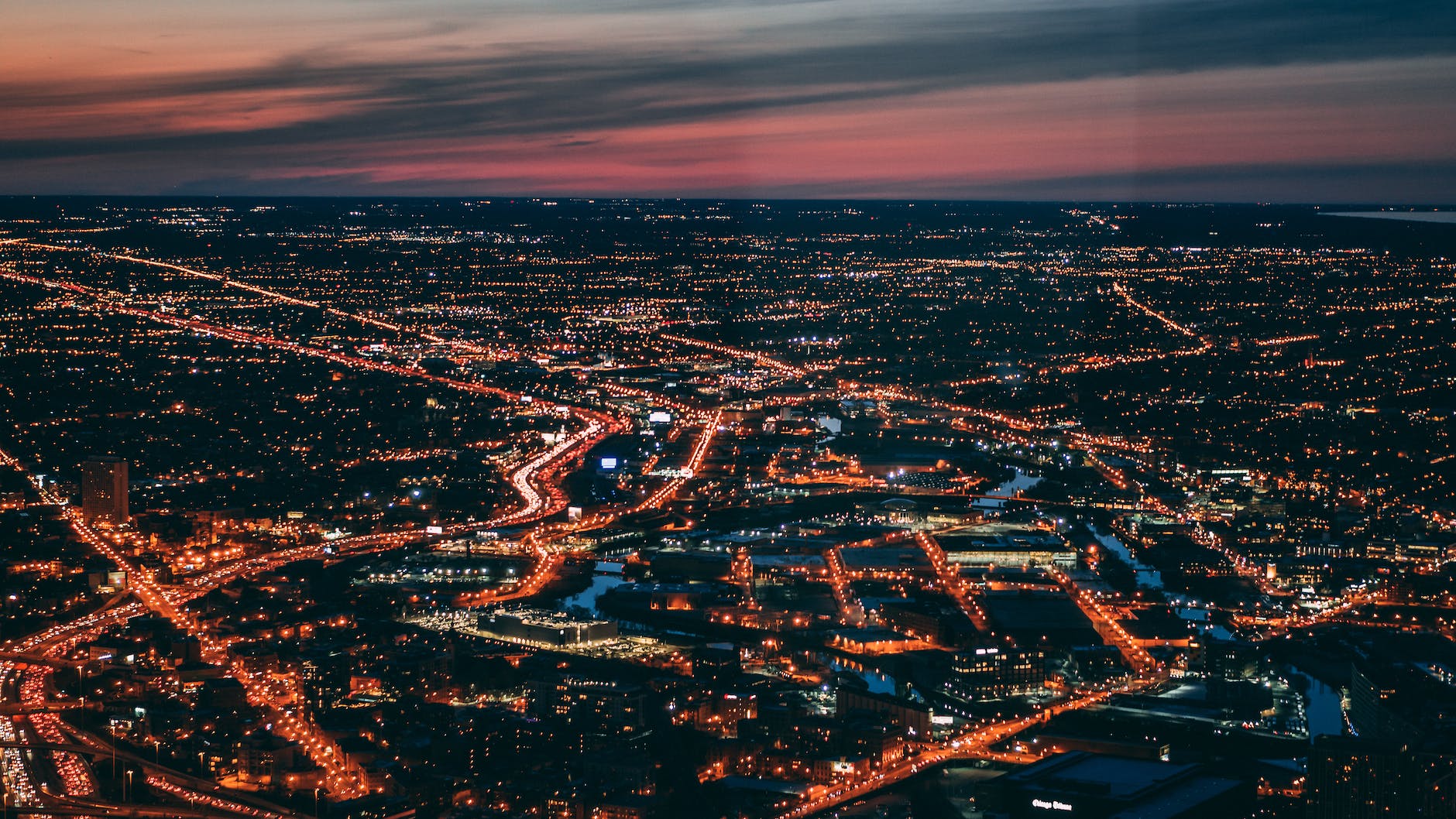
Chicago area drivers will soon face another major construction project, this time on the Kennedy Expressway, for several years:

Photo by Chait Goli on Pexels.com

The $150 million project will take place along a 7.5-mile stretch from the split at I-94 south to Ohio Street, and at the massive underpass near Hubbard Street downtown. It will include rehabbing 36 bridges and the highway’s reversible express lane access system, replacing overhead signs, upgrading lighting, paving and painting.

The work is designed to improve safety, traffic flow and reliability on the 10-lane expressway, used by more than 275,000 drivers each day, the Illinois Department of Transportation said. The last major rehabilitation of the 63-year-old roadway was in 1994, and bridges were last repaired a decade ago.

Construction is expected to take place in phases over the next three warm-weather seasons, starting with the inbound, or southbound, lanes this year…

The outbound work and the updates at Hubbard’s Cave are expected to be complete in late fall 2025.

The last major road project nearby went over budget and over time. Are there publicly posted odds regarding this project?

Given the importance of this stretch of highway for the Chicago road network, it is hard to say that the construction should not happen. Even as the cynic might note that as soon as this project is over the next stretch of the Kennedy will be under construction, roads do need repair. But, what are the consequences if the project is not completed on time? Are there any significant incentives that can help make sure this project stays on track and within budget?

It does not help that the timeline for this project is so long. At some point, the regular driver on the Kennedy may have a hard time remembering when the road was not under construction. In fall 2025, how many will remember the optimism of a prediction of 3 years? If it goes into 2026 and the cost went up some, how many will care? I will set a mental note for late 2025 but we will see what happens…

Who wants to fight “a holy war on sprawl”?

Multiple states are proposing ways to circumvent local control regarding land, zoning, and housing:

Photo by Mikhail Nilov on Pexels.com

In New York, the governor wants the state to mandate housing production from local governments and to take over control of their land use if they fail to meet the targets. In California, a bill introduced to the state Assembly on Thursday would require approval of multifamily housing developments in walkable, transit-accessible and centrally located areas.

On Wednesday, the Oregon Legislature passed a package of bills that would require cities to set housing development goals and appropriate $200 million for affordable housing development. Earlier this month, the Washington state Legislature approved a bill legalizing accessory dwelling units, also known as “granny flats,” like an apartment made from a garage or basement. And the Washington state House of Representatives passed a bill last Tuesday that would allow multifamily housing units to be built anywhere in larger cities and near bus stops in smaller towns.

The trend is not just happening in blue states. Montana’s Republican Gov. Greg Gianforte has proposed legalizing duplexes and triplexes all across the state and legalizing apartment buildings in all commercial areas. And the Oregon and Washington measures have drawn broad bipartisan support.

What does this add up to?

“We’re basically declaring a holy war on sprawl,” Matthew Lewis, communications director of California YIMBY, a pro-housing advocacy group that is backing the bill, told Yahoo News.

Such a declaration is unlikely to ease the minds of conservatives who fear efforts to limit local and individual control or increase density.

Is it possible to discuss sprawl and its effects in a civil manner? I suspect this is hard to do. It invokes passion on multiple sides. Is sprawl about having a piece of private land and achieving the American Dream? Is it a waste of resources and destroyer of natural ecosystems? Is it a unique feature of American life to accommodate single-family homes and cars?

As the article hints, there are likely long fights over such efforts. Where exactly is the line between local control and the broader interest of the public? Particularly in communities with money and political voice, the fight may drag on.

Two numbers that show how much space the United States devotes to parking

The United States has a lot of parking:

Photo by Brett Sayles on Pexels.com

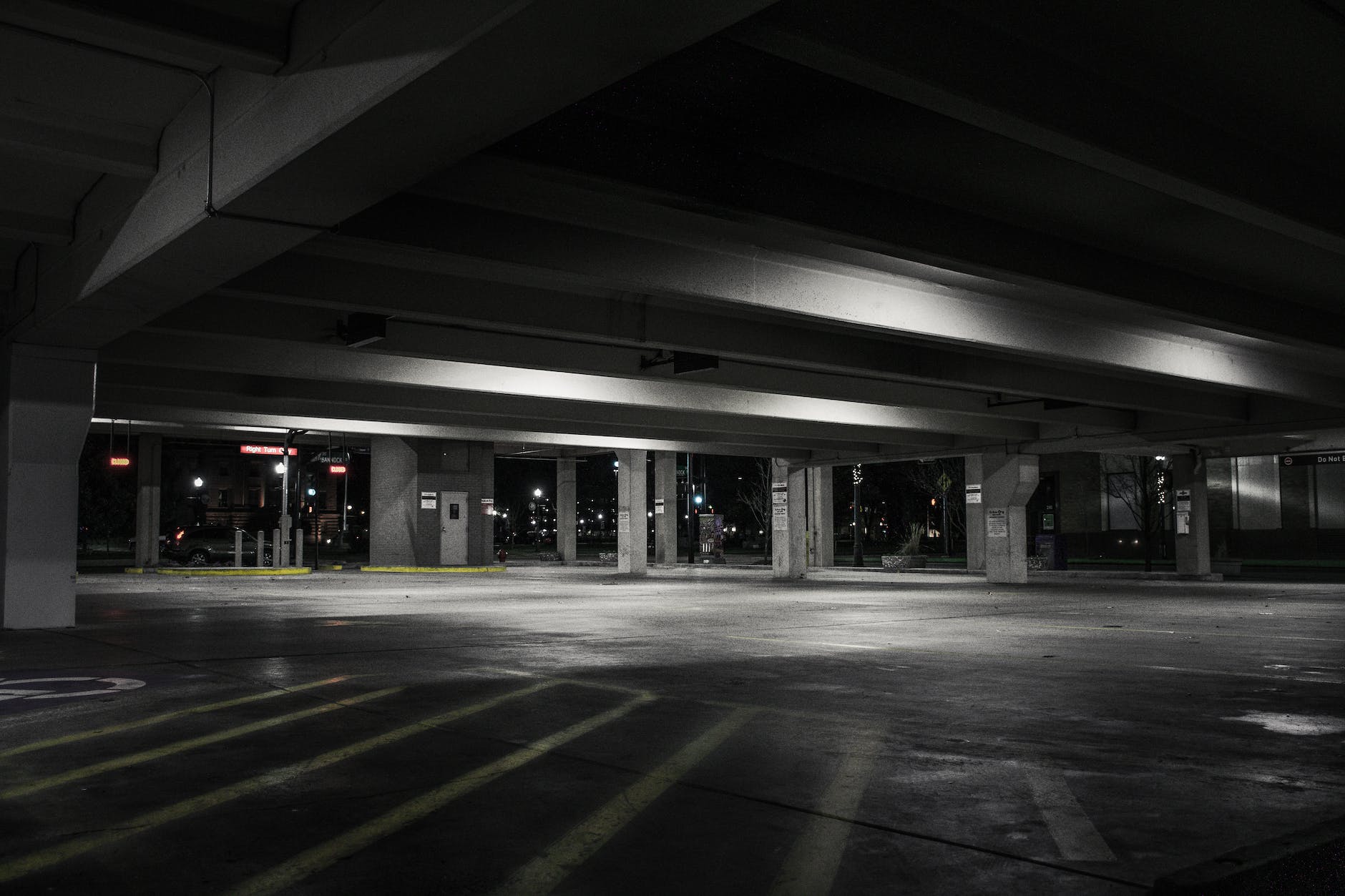
The United States has about two billion parking spots, according to some estimates — nearly seven for every car. In some cities, as much as 14 percent of land area is covered with the black asphalt that engulfs malls, apartment buildings and commercial strips.

In a country where driving is an essential part of the regular and idealized way of life, space is required for vehicles when they are not in use. Most locations requires parking so people can drive and park there. Communities accrue a lot of parking, sometimes for parking that serves multiple locations (such as a downtown parking garage) and sometimes for a single use (like a parking lot in front of a big box store).

Increased density would help solve this problem without necessarily asking for people to drive less. Put desirable locations near each other and then centralize parking or share parking facilities so that parking is not unnecessarily duplicated. If “surban” developments are more popular or “fifteen minutes cities” emerge in greater numbers, perhaps this might help.

Less driving could also help. As could expectations about how much parking is needed; it is for peak and unusual times that rarely occur?

If enough places and concerned actors are able to slow the growth of parking lots and/or eliminate some, it is interesting to imagine communities with fewer parking spaces in the future. How might such land be positively used?

DuPage County Board to consider affordable housing

The DuPage County Board has plans to address affordable housing needs:

The creation of an ad hoc affordable housing committee was announced during Tuesday’s county board meeting and comes two weeks after the county board set aside $2.5 million to start an affordable housing solutions program.

“If you work in DuPage County, you should be able to live in DuPage County,” said Deborah Conroy, county board chairwoman, after announcing the committee…

The cost of land, officials said, often hinders affordable housing developments…

From 2018 to 2022, some 862 affordable rental units were built in DuPage County, Illinois Housing Development Authority Executive Director Kristin Faust told board members Tuesday. During that same time, 996 homebuyers purchased a home with a mortgage assisted by the housing authority, Faust said.

DuPage County is a relatively wealthy county. According to the Census Bureau, the median household income is $100,292, the poverty rate is 6.9%, and the median value of owner-occupied housing is $324,900.

Additionally, the County and the municipalities within it do not have a great history of pursuing affordable housing. In the postwar era, DuPage County did not build much public housing when it had funds to do so. Municipalities largely pursued housing aimed at white, middle-class and above residents. Affordable housing has been raised as an issue in the county since at least the 1970s. Newer efforts still aim their efforts at relatively well-off residents.

By not having sufficient affordable housing in DuPage County (or in the Chicago region as a whole), the County may struggle to grow, attract workers, and continue the quality of life that residents expect.

How much will Sunbelt growth slow because of more traffic?

More development and increased populations mean more traffic in multiple Sunbelt metropolitan areas:

Photo by Joey Kyber on Pexels.com

In most U.S. cities, traffic is less congested than it was in 2019, as fewer people commute to offices, according to mobility data company Inrix. In some Sunbelt cities, such as Miami, Nashville and Las Vegas, where the population has surged in recent years, it has become worse. 

These cities also attracted more companies and tourists during the pandemic. Local roads, built decades ago for a much smaller population, are struggling to accommodate the new reality. 

“They way underestimated their growth,” said Robert Cervero, professor emeritus of city and regional planning at the University of California, Berkeley, College of Environmental Design…

Sunbelt cities are particularly vulnerable to congestion because of poor public transit. Driving in New York City’s rush hour can be bumper-to-bumper, but many people take the subway. Most southern cities offer no such alternative…

For now, Sunbelt states are hoping to fight congestion by adding more roads and express lanes. Tennessee lawmakers are considering a proposal to add toll lanes on state roads. Florida Republican Gov. Ron DeSantis recently proposed spending more than $5 billion on highway construction and more than $800 million on rail and transit throughout the state.

Growth is good in the United States – until it threatens some of the attractive features of places that brought people there in the first place.

At what point do residents and businesses not move to growing regions because of congestion? These Sunbelt cities continue to have numerous attractive features even if they have more traffic.

Adding lanes to roads may appear proactive but it can lead to more attractive as more drivers think there is capacity. Considering mass transit is necessary but complicated by suburbanites who do not necessarily want transit to reach them, high costs to get basic mass transit in place (though this could help save money down the road), and limited interest in denser development.

Do smaller cities offer advantages here? I have heard this argument before: you can have more rural property conditions within a ten to twenty minute drive of the main shopping areas or the downtown. Achieving this is more difficult in a more populous area where there is more competition for land.