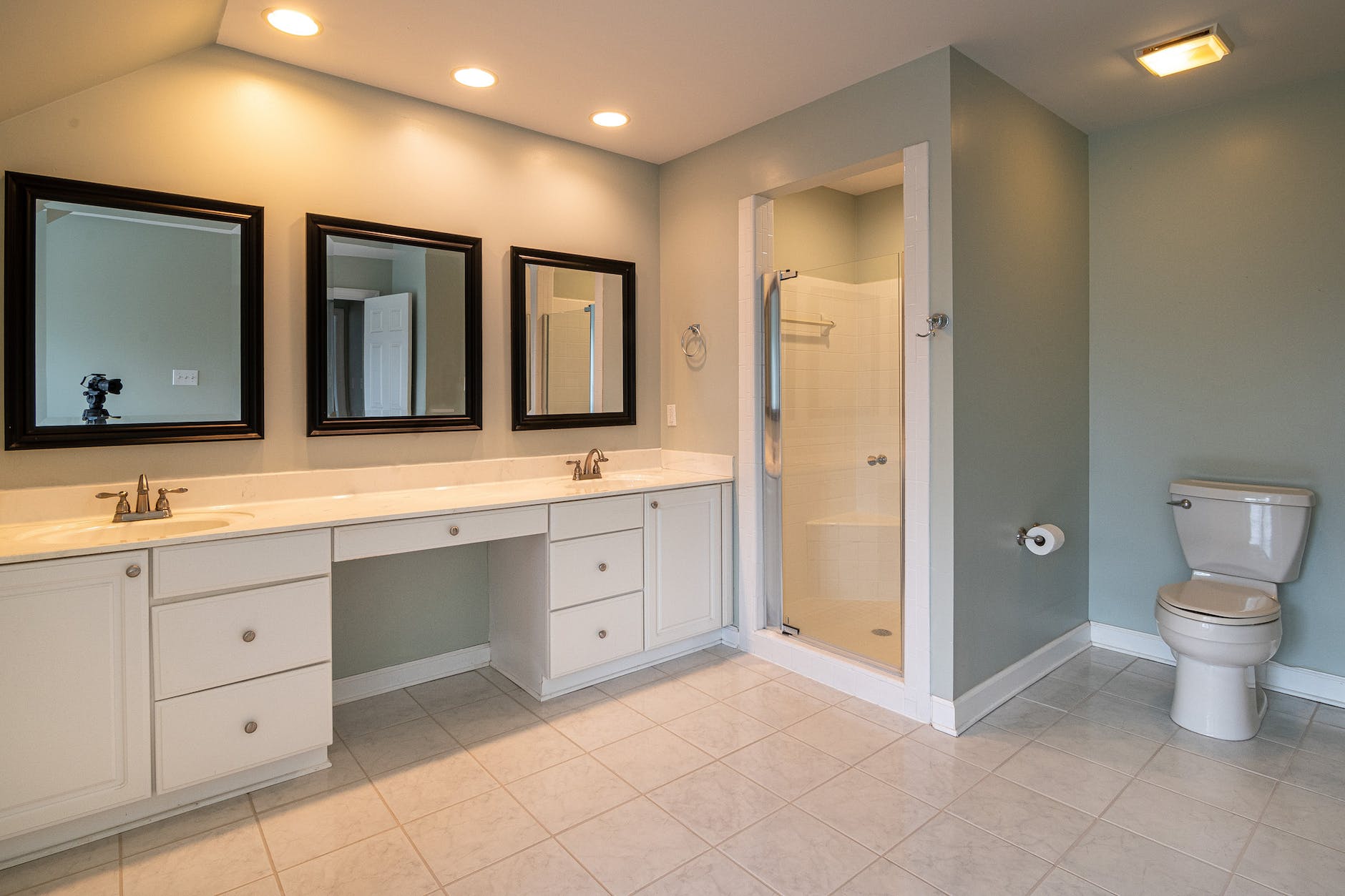
Big box stores in Michigan can have their property taxes assessed on their value as an empty building

Having a vacant big box store in a community can be a big problem. But, what if the store if in business and generating revenue and it is being assessed for property tax purposes at a value closer to its value as an empty property? Such is the case in Michigan:
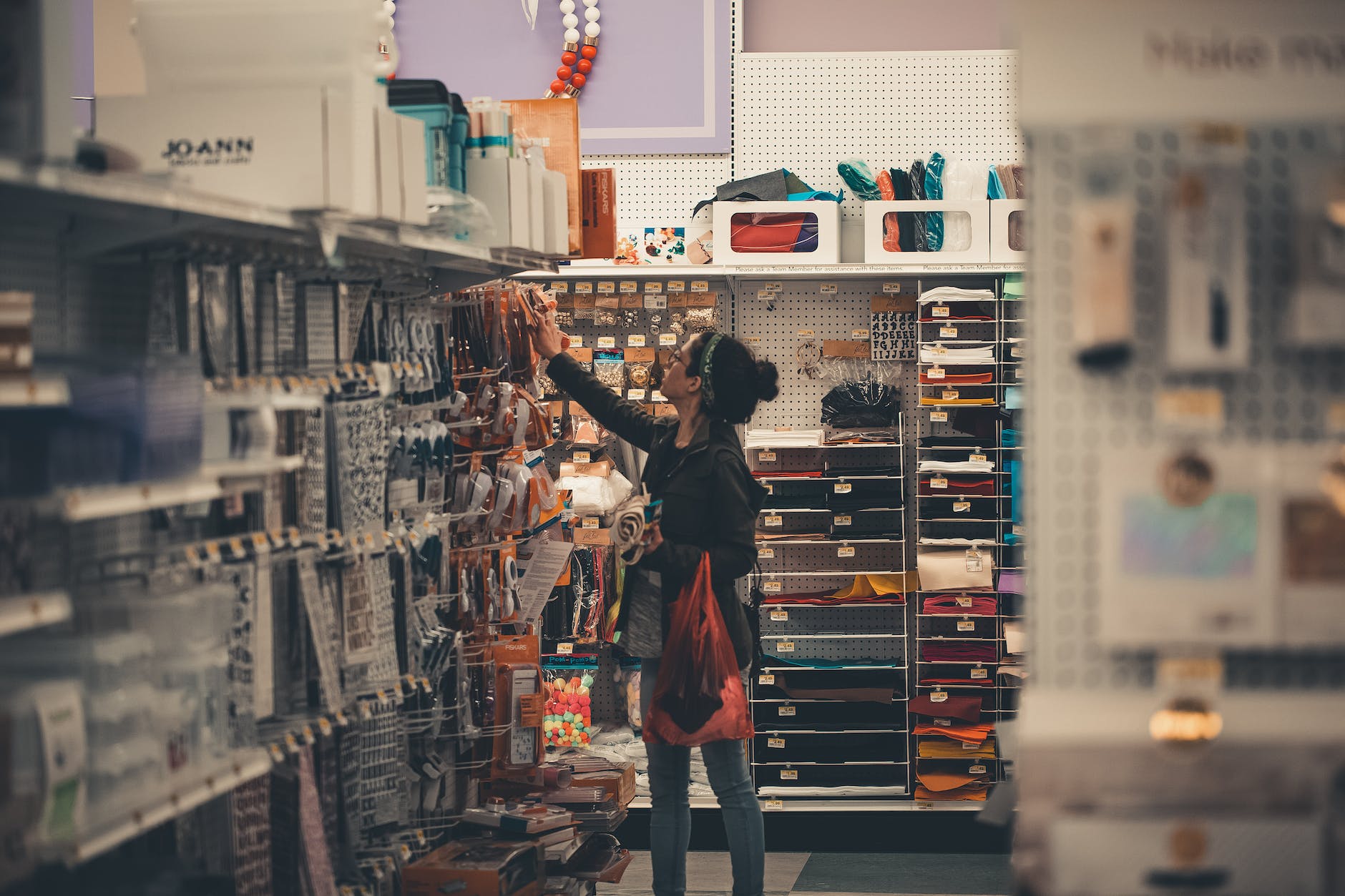
Photo by Craig Adderley on Pexels.com

The dark store theory was born, in part, out of the 2008 recession.

Big box stores closed. The massive buildings that housed them had few other obvious uses and, in some cases, restrictions on selling the buildings to competitors put in place by the companies themselves reduced the pool of potential buyers. They often sold for far less than they’d cost to build.

Michigan law allows assessors to determine the value of a property in three ways: based on replacement cost minus depreciation, based on the income a property generates and based on the sales of similar properties.

Retailers began to argue that sales of empty stores were the best indicator of what their properties were worth. The Michigan Tax Tribunal generally agreed…

Of the 110 cases brought before the tribunal by Walmart and its subsidiaries since 2018, 93 have resulted in lower taxable values, often millions of dollars lower. All but one was a negotiated settlement. Eleven of the 110 cases are ongoing.

Two factors may be at play here. Retailers and businesses want tax breaks. They want to pay fewer taxes and boost their profits. If communities are willing to offer tax breaks like this (or others), why not ask for them and utilize them?

On the other side, communities want to bring in businesses and jobs. These retailers still provide some work for local residents and they are still generating some tax revenue. Even if they do not pay in taxes what they might, would a community be willing for a big box store to move to a nearby community and the money go elsewhere? Some development or even bad development might be preferable to no development or an empty building.

The news story quoted above details how this may change in Michigan due to a court case. If these large corporations do have to pay more in property taxes, will they change their operations at all? And how might communities make use of the extra revenue to improve local lives?
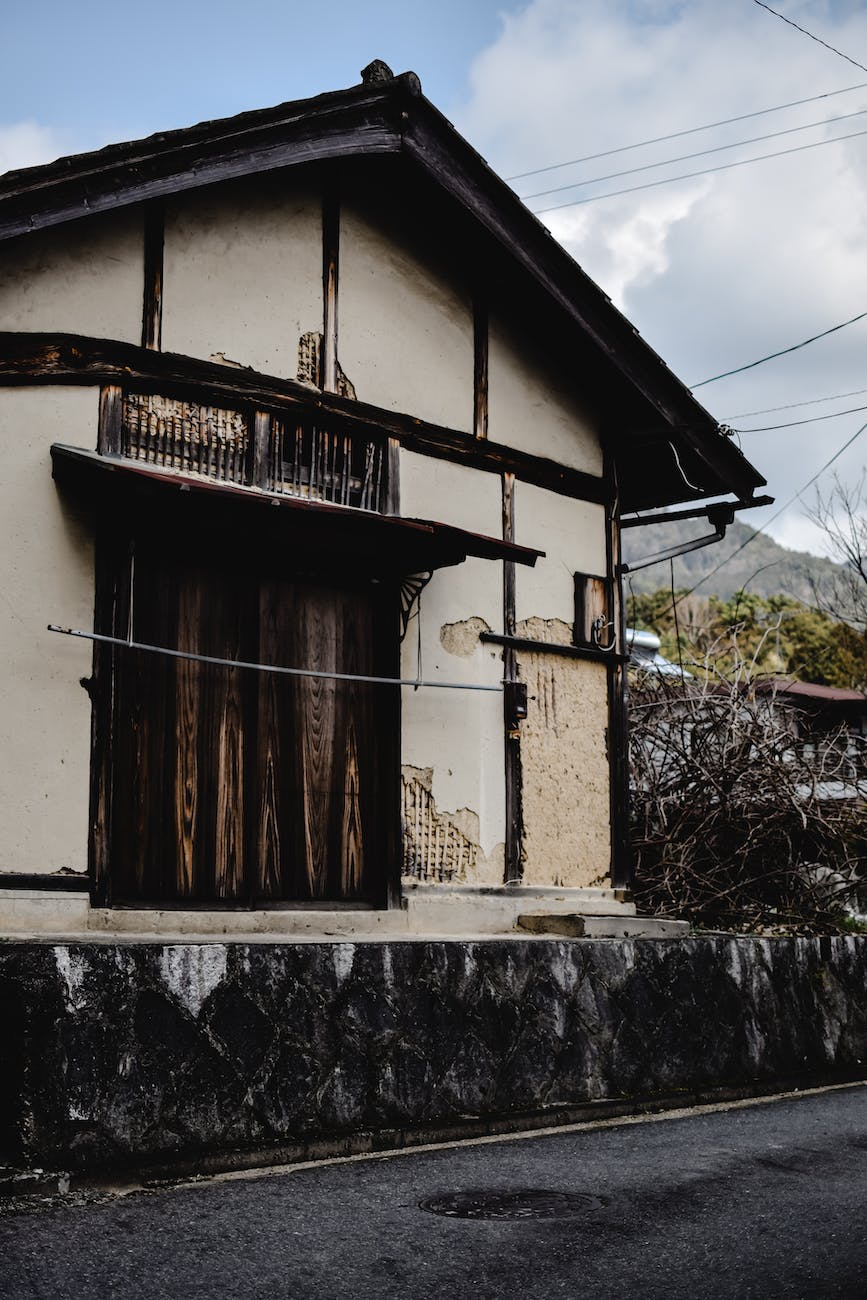

Japan has a large supply of abandoned rural homes

Looking for affordable housing in the developed world? Japan has millions of homes available:

Photo by Eva Bronzini on Pexels.com

As Japan’s population shrinks and more properties go unclaimed, an emerging segment of buyers, feeling less tethered to overcrowded cities, is seeking out rural architecture in need of some love. The most recent government data, from the 2018 Housing and Land survey, reported about 8.5 million akiya across the country — roughly 14% of the country’s housing stock — but observers say there are many more today. The Nomura Research Institute puts the number at more than 11 million, and predicts that akiya could exceed 30% of all houses in Japan by 2033…

“Poorly maintained akiya can mar the scenery as well as endanger residents’ lives and property if they collapse,” said Kazuhiro Nagao, a city official in Sakata, along the west coast, where heavy snowfall can damage unattended structures. “We’re partly subsidizing demolitions, collecting neighborhood association reports on akiya, and trying to make owners aware of the problem by holding briefings.”

Although the akiya problem has not had a direct impact on sales in urban markets, where high-rises continue to go up, the potential hazards to communities posed by empty houses are growing along with their numbers, according to Akira Daido, chief consultant at the Nomura Research Institute’s Consulting Division…

Akiya are increasingly seen not just as a threat to suburban and rural markets but to the emotional health of the country, sparking family disputes over inherited properties. That, in turn, has led to a cottage industry of akiya consultants like Takamitsu Wada, CEO of Akiya Katsuyo, who acts as a counselor for squabbling relatives, often urging them to act before their properties become a lost cause.

This seems to come as the result of two significant patterns in Japan (and also present in much of the developing world):

  1. An urbanizing population. For decades, people have flocked to cities and metropolitan areas. What happens to older homes and properties? Some may become popular in resort areas but many are less desirable. Rural areas have emptied out.
  2. An aging population. What if populations age, requiring access to medical care and other needs, and a society needs fewer houses or different kinds of housing?

In one example from the story, an akiya is just 45 minutes from central Tokyo. In the United States, that would a suburban community that could be desirable to many.

What happens, ultimately, to all of these older homes? Homes do not have to last forever or house new residents.

What does it mean that India’s population will pass China’s population?

India will soon have more people than China. What does that mean?

Photo by Still Pixels on Pexels.com

The United Nations has said India’s population is projected to surpass China’s sometime this year. Many demographers estimate it could happen this month, if it hasn’t already. India’s population is expected to reach 1.429 billion by the end of the year, according to the U.N. China will fall to second place, with 1.426 billion people. Both dwarf the U.S. at a projected 340 million.

India’s rising population means it’s likely to keep its economy growing, buy more of the world’s goods and play a bigger role in global affairs, even as it grapples with poverty and a lack of jobs. 

China’s demographic headwinds will make it harder for the country to achieve its economic ambitions, or to supplant the U.S. as the world’s biggest economy, despite its rising wealth and military power…

India’s population is expected to keep growing for the next four decades, peaking at nearly 1.7 billion in 2063. China’s population, which declined last year for the first time since famines in the 1960s, according to government data, is projected to shrink rapidly. By the start of the next century, India’s population is expected to be double that of China’s.    

Numbers are just numbers; we give them significance. Is this just about large numbers and their ability to impress people? Here, two countries have nearly a billion and half people each. That is a lot of people and far ahead of the next most populous countries.

It could also be about being the country with the most people. This has been China for a while but will soon be India. Does having the most people provide an exalted status?

Or, is it about economic activity and growth. A large and growing population means economic opportunities internally and externally.

Yet, it could be more about growth than absolute numbers. Yes, it is important to be first in population but this is also about expected growth for India and a declining population in China. Not only will India be #1 in residents, it could be far ahead of China in population soon.

What this all adds up to is hard to say. India will be the most populous nation, China will be second. The population arrows will be headed in different directions. Does it mean a significant change in status and economic status? The number of people in each country may just play a role in this.

McMansions so close you can hear your neighbors flush their toilet

McMansions are big homes that are also sometimes built close to their lot lines. So much so that one Florida resident suggests you might know what your neighbor is up to:

Photo by Curtis Adams on Pexels.com

I’m referring to the handful of gargantuan McMansions cropping up now, and, insult to injury, all seem to hug their property line so closely as to case a gray shadow on their neighbor and to heighten the anticipation of hearing the next time your neighbor flushes his toilet. Do these owners have 35 grandchildren to bed over the winter? Or are we seeing the beginnings of a contest to see who can build the biggest and gaudiest house on the island? Nantucket, here we come!

The idea that you can hear the flushing of a toilet from next door might be a bit of an exaggeration. Put this next to the 35 grandchildren and some creative license might be at work.

But, let’s say there might be some truth to this. Are we talking about McMansions within five to ten feet of each other? There may be some windows or doors facing the neighboring home. If it is a quiet neighborhood, house noise might travel. Residents of single-family homes tend not to like noise from nearby (examples here and here).

If it is a sizable home, could a neighbor identify which bathroom is the source of the noise? A home of over 3,000 square feet could have numerous restrooms. Perhaps some are located closer to exterior walls. Perhaps some have louder commodes than others. Perhaps some bathrooms are used more regularly.

The point still holds: some of the concern about McMansions is not just their size but rather how much of their lot they take up. A large home that covers a higher percentage of its lot and/or is very close to a neighbor will appear even larger.

Suburbanites who dread the “pop pop pop” of pickleball

Some suburban residents who live next to pickleball courts have concerns about the noise:

Photo by Ono Kosuki on Pexels.com

While the noise isn’t as much of an issue with indoor courts and outdoor courts away from residential neighborhoods, it’s become a nuisance for folks like Matulyauskas, who lives within yards of a converted tennis court at Abbeywood Park in Lisle…

There are websites and online forums dedicated to pickleball noise, and decibel meters are keeping tabs on “pop pop pop” levels from coast to coast.

Legal action to stop the noise is ongoing in communities from Arlington, Virginia, to Phoenix, Arizona…

In response, the park district installed Acoustifence soundproofing panels to mitigate the sound…

The Naperville Park District is investing more than $500,000 in new pickleball courts at the Frontier Sports Complex. To deaden the noise, officials there also installed natural buffers such as vegetation, berms and fencing.

The pickleball craze continues…and attracts detractors.

Suburbanites often express concerns about noise regarding nearby land uses or proposed development. This can range from traffic noise to school noise to loud music to firework use during what they think should be quieter hours. The assumption is that life among single-family homes is supposed to be quiet.

Generally, suburbanites would see parks as amenities. They provide green space and recreational options. But, perhaps many would not want to live right next to one? Being near a park could include noise from playgrounds, ball games, pools, mowers, and more. The communities discussed above tried different options, like sound-dampening surfaces or particular hours for play.

As another park noise example, I was surprised not only to see a new basketball court recently but also to note how close the court was to nearby homes. The sound of bouncing basketballs can reverberate on exterior surfaces, plus whatever additional noise is generated by people playing.

Front yard, back yard, and housing policies

This description of civic discussion and decision-making uses the imagery of front yards and back yards:

Photo by Chris F on Pexels.com

This dynamic—front-yard proclamations contradicted by backyard policies—extends well beyond refugee policy, and helps explain American 21st-century dysfunction.

The front yard is the realm of language. It is the space for messaging and talking to be seen. Social media and the internet are a kind of global front lawn, where we get to know a thousand strangers by their signage, even when we don’t know a thing about their private lives and virtues. The backyard is the seat of private behavior. This is where the real action lives, where the values of the family—and by extension, the nation—make contact with the real world.

Let’s stick with housing for a moment to see the front yard/backyard divide play out. The 2020 Democratic Party platform called housing a “right and not a privilege” and a “basic need … at the center of the American Dream.” Right on. But the U.S. has a severe housing-affordability crisis that is worst in blue states, where lawmakers have erected obstacle courses of zoning rules and regulations to block construction. In an interview with Slate, Senator Brian Schatz of Hawaii, a Democrat, took aim at his own side, saying progressives are “living in the contradiction that they are nominally liberal [but they] do not want other people to live next to them” if their neighbors are low-income workers. The five states with the highest rates of homelessness are New York, Hawaii, California, Oregon, and Washington; all are run by Democrats. Something very strange is going on when the zip codes with the best housing signs have some of the worst housing outcomes.

Housing scarcity pinches other Democratic priorities. Some people convincingly argue that it constricts all of them. High housing costs pervert “just about every facet of American life,” as The Atlantic’s Annie Lowrey has written, including what we eat, how many friends we keep, how many children we bear. “In much of San Francisco, you can’t walk 20 feet without seeing a multicolored sign declaring that Black lives matter, kindness is everything and no human being is illegal,” the New York Times columnist Ezra Klein wrote. But in part because those signs sit in front yards “zoned for single families, in communities that organize against efforts to add the new homes,” the city has built just one home for every eight new jobs in the past decade.

The image here is from a single-family home, a familiar symbol and sight in the United States. The front yard is visible to others. Homeowners put certain things in the front yard and do certain things in the front yards. Meanwhile, the back yard is a more private space, often out of sight from the front and even from others with fencing, plantings, and more blocking possibly blocking views.

Is the front yard just performative? For American homes, people put a lot of effort into a lawn, a facade, signs, and more to present a particular image to the world. It is not necessarily fake or inauthentic; it is just one angle available to the public. It can affect perceptions, interactions, conversations.

Perhaps this is similar to front-stage and back-stage from sociologist Erving Goffman? In public settings, we practice impression management and we play particular roles. We perform in ways that align with or resist social conventions. Back-stage allows for less of this.

In the area of housing, I have seen what is described above: when communities have opportunities to discuss and plan for affordable housing or denser housing or cheaper housing, they often throw up obstacles. They are not necessarily opposed to the need for such housing; they just do not want it near them. Housing as an issue ends up being a hyper-local concern as community by community debates development.

Perhaps it is less about front-yard, back-yard and more about general/national versus local. It is one thing to support policies at a national level or for others to follow. It is another to commit to one’s own actions as well. Could a growing YIMBY movement supersede all the NIMBY activity?

Turning even a trailer park into a home for the wealthy

In Malibu, California, one trailer park on the coast has homes that sell for millions:

St. Brides Wentlooge: Lighthouse Park mobile homes by Chris Downer is licensed under CC-BY-SA 2.0

Enter Paradise Cove Mobile Home Park, widely considered the most expensive trailer park in America. Home to 256 trailers and manufactured homes, it dates to the 1950s, when the then-owners allowed commercial fishermen to park campers there. Starting in the early 2000s, big names such as Stevie Nicks, Minnie Driver and Matthew McConaughey began buying up trailers, slowly turning the park into some of the hottest real estate in California

The draw is clear. The cove, as it is known by locals, sits on a bluff with panoramic views over the Pacific Ocean, with direct access to a secluded cove that is popular with local surfers. These are the same views that billionaires pay hundreds of millions to secure. Nearby, Edward H. Hamm Jr., a movie producer and heir to the Hamm’s Beer fortune, paid $91 million for a mansion; media mogul Byron Allen paid $100 million; venture capitalist Marc Andreessen and his wife, Laura Arrillaga-Andreessen, paid $177 million. Barbra Streisand’s enormous estate is perched on the edge of the same stretch of bluff as the park.

Today, the cove is a patchwork. Decades-old trailers that resemble banged-up tin cans that have been sitting in the California sun for close to half a century are snuggled up next to mobile homes that completely defy the traditional concept of a trailer. These multimillion-dollar beauties sport spacious gazebos and chic, designer finishes. There are exteriors designed by prominent architectural firms such as Marmol Radziner, known for revamping some of the most architecturally important homes in Los Angeles. Some of the wealthiest buyers have brought on high-end interior designers or used the design services of trendy, celebrity favorites such as One Kings Lane. The trailers are owned by celebs and other wealth-havers who use the cove as a beach-front refuge from their inland mansions. 

These buyers are driving prices in Paradise Cove way up, bolstered by low inventory and pandemic-induced demand for homes by the ocean, local agents said. Roughly 30 trailers have sold in the past three years for sums as high as around $5 million, according to listings website Zillow, though that figure doesn’t include a number that sold off market, real-estate agents said. In March, a three-bedroom mobile home came on the market for $5.85 million; if it sold for close to that amount, it would likely set a record for the cove, agents said. Agents point to the $5.3 million sale in 2016 of a mobile home owned by Ms. Nicks as the likely current record holder, but others noted that they had heard of off-market deals at up to $7 million.

The pictures of the location and the homes are stunning. This is no ordinary trailer park.

Such communities generally do not have a positive reputation in the United States. They offer cheaper housing, residents do not own the land under their homes, and wealthier residents generally do not want to live near them. This is why I titled one published paper “‘Would Prefer a Trailer Park to a Large [Religious] Structure'”: Suburban Responses to Proposals for Religious Buildings” because of the shocking claim from one suburban resident that they would rather live next to a trailer park in their wealthy suburb than near a proposed mosque.

I can only imagine some of the interactions between neighbors or within the community as homes go for multiple millions.

Closing Walmart and Whole Foods locations and their responsibilities to urban neighborhoods

Walmart announced yesterday it is closing four locations in Chicago:

Photo by Evgeni Lazarev on Pexels.com

The simplest explanation is that collectively our Chicago stores have not been profitable since we opened the first one nearly 17 years ago – these stores lose tens of millions of dollars a year, and their annual losses nearly doubled in just the last five years. The remaining four Chicago stores continue to face the same business difficulties, but we think this decision gives us the best chance to help keep them open and serving the community.

Over the years, we have tried many different strategies to improve the business performance of these locations, including building smaller stores, localizing product assortment and offering services beyond traditional retail. We have invested hundreds of millions of dollars in the city, including $70 million in the last couple years to upgrade our stores and build two new Walmart Health facilities and a Walmart Academy training center.

It was hoped that these investments would help improve our stores’ performance. Unfortunately, these efforts have not materially improved the fundamental business challenges our stores are facing.

Chicago officials decried the closures:

Nedra Sims Fears, executive director of the Greater Chatham Initiative, said the closure of the store and health center in Chatham was “deeply disappointing.”…

“All communities in Chicago should have access to essential goods and services,” Lightfoot said in the statement. “That is why I’m incredibly disappointed that Walmart, a strong partner in the past, has announced the closing of several locations throughout the South and West sides of the City. Unceremoniously abandoning these neighborhoods will create barriers to basic needs for thousands of residents.”…

In a statement, Mayor-elect Brandon Johnson said his administration “will be committed to identifying ways to fill the gaps these closures will leave in neighborhoods, and also to finding other ways to ensure families have direct access to groceries in their communities.”

Ald. Sophia King, 4th, and Ald. Jason Ervin, 28th, whose wards include locations slated to close, both called the closures disappointing in statements Tuesday. “The west and south sides need committed partners to reverse decades of disinvestment and discrimination, and I hope Walmart will work hard to invest in the communities in Chicago that desperately need their presence,” Ervin said.

In San Francisco, a Whole Foods that opened downtown in 2022 closed earlier this week:

Whole Foods Market opened a new “flagship” branch Downtown, at Eighth and Market near the Trinity Place development, with much fanfare in March 2022. But just 13 months on, the supermarket chain has decided to close the store, which was shuttered at the end of business on Monday.

Residents and leaders expressed disappointment:

News of the store’s closure also sparked dismay online. Residents on Twitter described losing the supermarket as “disappointing,” and “disheartening,” while one warned: “As whole foods goes, so goes the neighborhood.”

The Whole Foods Market fell within the district of San Francisco District 6 Supervisor Matt Dorsey, who posted a thread about its closure on Twitter on Monday.

“I’m incredibly disappointed but sadly unsurprised by the temporary closure of Mid-Market’s Whole Foods,” he wrote. “Our neighborhood waited a long time for this supermarket, but we’re also well aware of problems they’ve experienced with drug-related retail theft, adjacent drug markets, and the many safety issues related to them.”

Residents of all communities need access to food. Certain neighborhoods are invested in less than others. A sizable grocery store can help anchor other business activity. Filling a vacant large commercial space can be difficult.

If a company says it cannot keep a store open – the two companies give different reasons above – what reasons might be acceptable to a community?

I would hope retailers and corporations want to go beyond just making money in a location. At the least, as corporations and politicians often remind us, they provide jobs. But, they can also be much more.

Long Island resistance to a denser suburbia

Plans from New York’s governor to bring more housing to the suburbs is not being greeted with joy by some Long Island leaders and residents:

Photo by Thirdman on Pexels.com

In New York, one such proposal from Democratic Gov. Kathy Hochul has run into howls of opposition in one of the birthplaces of the American suburb. Critics on Long Island, a sprawling expanse of communities home to 2.9 million people, are denouncing provisions that would set growth targets, drive denser development near train stations and sometimes let state officials override local zoning decisions.

“Her plan would flood YOUR neighborhood with THOUSANDS of new apartments” reads one opposition mailing. Others warn Long Island would become New York City’s “sixth borough.” Critics, many of them Republican officials, claim it would strip away local control…

If municipalities don’t meet targets, developers could pursue a process in which the state could allow projects to go forward. Another provision would require localities to rezone areas within a half-mile of commuter rail stations unless the area already meets density requirements…

A counter proposal from the Senate’s Democratic conference included a more incentive-heavy housing plan that excludes mandatory requirements and overrides of local zoning.

Hochul and legislative Democrats were trying to resolve their differences in negotiations over the budget, which was due April 1. That deadline has been extended into at least next week. The governor has described housing costs as a “core issue” that needs to be addressed.

Affordable housing is badly needed in the New York City region, as well as many metropolitan regions throughout the United States. How to encourage or mandate housing construction is under consideration in multiple states. When suburbanites move to the suburbs in part because of local government and control, how much can a state override local zoning and land use decisions?

Even without state level mandates, there is at least some interest in denser suburbs. Some want “surban” places that combine suburban and city life. Thriving suburban downtowns can bring in money and boost a community’s status.

So what really is at threat here is the sanctity of the single-family home neighborhood and its housing values. This might be the most sacred of suburban settings.

Take Levittown as one example. If Levittown’s density significantly increases, it will mark another stage in the evolution of the paradigmatic suburb. It started with the mass construction of a limited number of floor plans, the community changed over time as residents added to and changed the residences, and the homes became more valuable. Could the Levittown of 50 years from now be marked by significant amounts of multifamily housing?

Lo, look yonder at that new basketball court in a new suburban park!

Driving through a nearby suburban subdivision under construction, I spotted this amenity in the new park in the middle of the townhouses and single-family homes:

This is a nice new court. It is not quite regulation length but it does feature two usable half courts. It is at one end of the park with a pavilion next to it and then a playground at the other end. The court, like many, is fairly open to the sun and nearby houses.

Is this worth noting? Years back, I discussed a possibility: do suburban communities not want many basketball courts? I have followed up a few times since. Why would park districts make circular courts? Are residents just putting in their own courts in their backyards? Additionally, the hot new sport is pickleball and communities are making sure they have new courts.

This will be an interesting outdoor court to keep an eye on as the subdivision is completed. There will, no doubt, be nearby residents who want to play. The court is very close to houses on multiple sides. How busy will this court be?