Almost half of Americans live in the Eastern time zone; what effect does this have?

One time zone in the United States has the largest percentage of residents living in it:

Photo by Andrey Grushnikov on Pexels.com

I moved here from eastern, which is the nation’s anchor time zone. I say that not because of its affiliation with New York City or Washington, D.C., but because almost half the U.S. population holds to its authority. Boston, Baltimore, Philadelphia, and Atlanta are on eastern time, along with almost all of Florida and Michigan, the whole of Ohio, and other less notable places made more notable simply by their participation in the most normal time in America.

Eastern time starts the day; it sets the pace for the nation. The stock market opens on Wall Street, corporate lawyers file into Back Bay offices, spoons swirl café cubanos in Miami. It’s morning again in America. On the other coast, where it’s three hours earlier, nobody cares. Such is the glory of the Pacific time zone, which houses a smaller sliver of the country’s population—just 16 percent or so. Some West Coasters—surfers, almond farmers, theme-park vendors—may be up during the eastern a.m. hours, though not because investment bankers or media professionals compel them. But the whole Atlantic Seaboard morning has elapsed by the time that most Pacific-time professionals have stumbled to the office, smoothies in hand. They will always be behind, no matter what they do. This is not a disadvantage; it’s a lifestyle.

I am confused by the conflation of time zones – a concept invented by humans relatively recently to try to cope with the modern world – and influence. The eastern time zone does have a lot of people. This is notable. This means there is a lot of activity that affects people in the rest of the country and the world. (Is this nearly half figure similar to the number showing a big majority of Canadians live within 100 miles of the border with the United States?)

This sounds like a testable hypothesis: do certain time zones have particular advantages due to a competitive edge, historical patterns, and/or perceptions about time zones? Are there notable examples of countries or places where the east to west gradient of influence is not true or opposite?

And what happens in settings where the interaction or collaboration occurs around the globe? How much does it matter that Asia or Europe are earlier in the day than the United States when doing international work?

Places that represent America, in memes and other forms

Ohio is a running meme in social media:

Photo by Mohan Reddy on Pexels.com

According to Know Your Meme, treating Ohio as a joke started in 2016 after the meme “Ohio vs the world” went viral on Tumblr. User @screenshotsofdespair posted a photo of a digital marquee in an unknown city that read, “Ohio will be eliminated.”

At the time, the joke was Ohio was secretly plotting to take over the world, hence the photo calling for its silencing. By the time 2020 rolled around, jokes about the state had evolved…

Now, most memes about the state are saying “so Ohio” or “only in Ohio” about something bizarre or random. It’s usually tied to images, GIFs or videos that highlight something ridiculous. The memes imply that Ohio is a place where strange things happen. Ironically, it’s actually been named one of the “most normal” states in the U.S.

Describing the internet trend, Know Your Meme explains how the memes have essentially re-branded Ohio. Now it is “an American middle place, existing as a capitalist wasteland of chaos and mayhem, akin to creepypastas, lore and randomness, becoming an imagined epitome of American signifiers such as Breezewood, Pennsylvania.”

The Ohio memes have become so near-constant that they’ve taken on a life of their own. To date, the hashtag #Ohio has 33 billion views on TikTok, while #OnlyInOhio has about three billion. In some cases, people have made memes about the memes.

I am intrigued by this idea of particular places embodying America, whether normal or weird. Breezewood? I look forward to driving by it several times a year. The Midwest as the “heartland”? In the sociological tradition, how about “Middletown” and the long set of studies devoted to this community (which was Muncie, Indiana)? Or, what about the claim that Chicago is the most American city? Or, the idea that one can see real America at Walmart or at an emergency room on a weekend night? Perhaps this has a long tradition, even if it is now taking the form of memes.

And then there could be places and communities that are known but cannot embody all of America. Could New York City all about America or does its status as the leading global city and its particular history and character mean that it cannot embody all of the United States? (Perhaps normal American cities are Cleveland.)

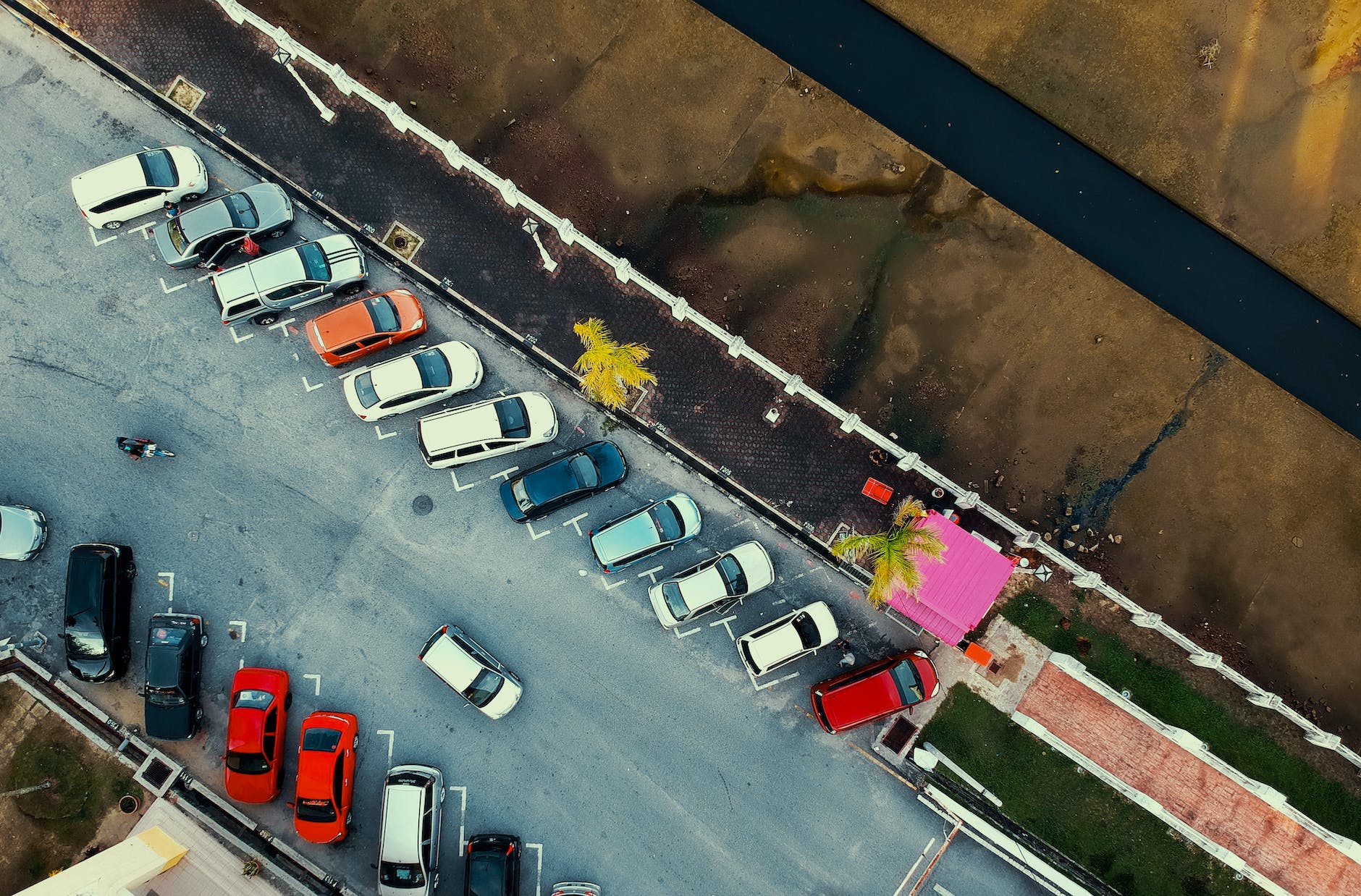
The United States has somewhere between 700 million and 2 billion parking spots. Is that enough? (/s)

One expert recently put some numbers to the amount of parking in the United States:

Photo by Pok Rie on Pexels.com

According to Donald Shoup, an urban planner and parking research pioneer at the University of California, Los Angeles, the government doesn’t track the number of parking spaces. But speaking with WSJ, he estimates that on the low end, the U.S. has at least 700 million parking spaces, and on the high end, the estimate is more like 2 billion. That works out to somewhere between 2.5 and 7.0 parking spaces per registered vehicle in America.

As this article goes on to note, some believe that is way too many parking spots. (Hence, the /s tag on the post title.) All of that parking takes up a lot of space, continues to further the commitment in communities to driving, and has negative environmental consequences.

At the same time, I could imagine many drivers in the United States like having all of this available parking and might even want more spots. In a car-dependent society, people need a place to park. People expect to be able to find parking quickly and close to their destination. If parking is limited and/or costly, drivers will express frustrations. Some might note that even if they wanted to use other forms of transportation (and avoid parking issues), these are not always available or convenient.

Commitments to reduce the number of parking spots in the United States long-term probably requires a lot of small changes to different parts of planning and communities. Just as a quick example, increased mass transit use and service would help reduce the number of drivers and reduce the need for parking spots. But, that chain does not happen quickly and there are multiple levers to move. I wonder if one of the important moves would be for some key communities to change their parking guidelines, find that it works or is successful (and also enables other good opportunities for land use), and this becomes a model for others to follow.

How much do Americans deserve to own a home?

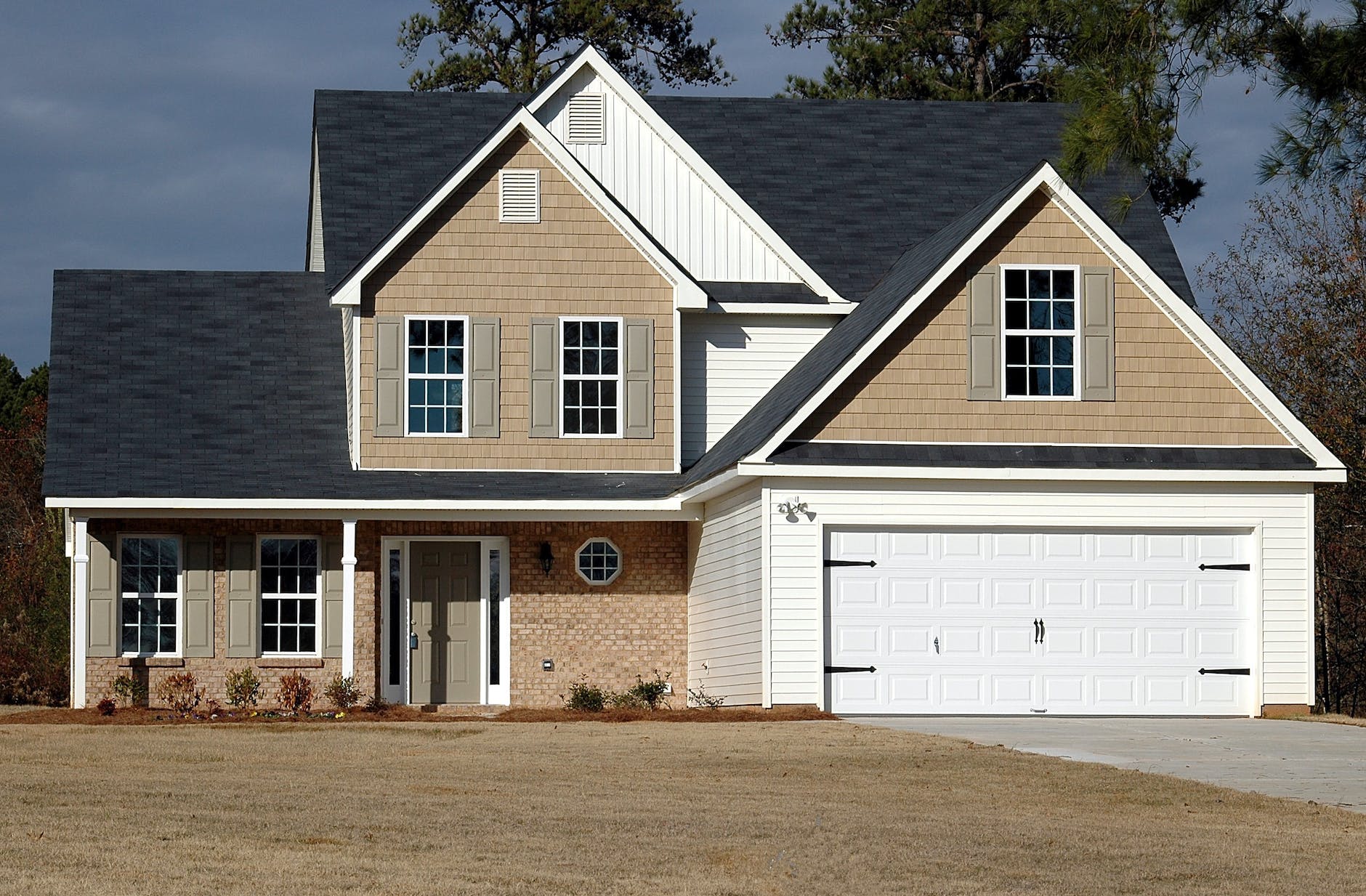
Building on yesterday’s post regarding the growing homeownership rate of millennials, I wonder: how much do Americans today feel they deserve to be able to own a home? It is one thing to make a choice to buy a property, it is another to feel that the economic and social conditions render this difficult or impossible. Here are several factors complicating this issue:

Photo by Pixabay on Pexels.com

-For at least one hundred years, American leaders and residents and cultural narratives have held up homeownership as an important marker of success.

American policies have also helped make homeownership possible. It is not just that people wanted to own homes; the American system helped make this possible.

Homes are a primary driver of wealth. If Americans feel they cannot purchase a home, they are missing out on this wealth-building instrument.

Homeownership is often viewed more favorably than renting. To own suggests stability and involvement in the community. To rent suggests transience and lack of financial resources.

-There is an expectation that younger or upcoming generations will able to achieve more than previous generations. This is part of the American Dream and tied to homeownership: shouldn’t younger Americans have bigger and better housing options?

The American social contract includes a house. Many Americans expect they should be able to purchase a home. I would guess that Americans and the American structures will continue to pursue and promote homeownership, even when it might be difficult. A big change might require a significant event or a steady long-term process moving toward different housing preferences and possibilities.

Humans walk, Americans drive

One feature of human beings is that they move on two legs. This bipedalism provides a primary means of locomotion. It may have given rise to rhythm and music.

“Walking Man II” by Alberto Giacometti at the Art Institute of Chicago

Many spaces in the United States privilege driving rather than walking. Driving is often faster. In the same amount of time, a driver can likely go farther than a pedestrian.

But, driving is not what humans have done throughout most of history. Driving is much faster. It requires technology to make and maintain vehicles. There needs to a lot of infrastructure to support driving. The scale changes as a vehicle is moving much faster and needs more room.

Even to see the statue above, many visitors will take a vehicle on a roadway. This enables millions to visit the museum and take in this image. Yet, they will contemplate a depiction of a human walking while primarily traveling via other modes.

Asking Americans to not drive as much or at all is a tall order. Cars are an integral part of the American way of life. Maybe reflecting on “Walking Man II” can help people remember a past and envision a different future.

Adding American flags to a suburban hotel fountain

It is July 4th, a holiday that leads to displays of American flags almost anywhere. Here is a recent scene outside a suburban hotel:

Having flags near a fountain in a public park would not be unusual. It might be less expected to see flags surrounding a fountain in front of a hotel on private property not easily visible from the main road. And these flags are in addition to an American flag on a pole just a few feet away.

The public display of flags has been building for days and today is the day to celebrate. I wonder how many flags I could count on a typical trip through my suburban area…

Interesting framing: American faith beliefs and practices down “despite a megachurch surge”

Here is a summary of recent data on religiosity in the United States:

Photo by Luis Quintero on Pexels.com

Church membership, church attendance and belief in God all declined during the pandemic years, survey data suggest, accelerating decadeslong trends away from organized worship.   

At least one-fifth of Americans today embrace no religion at all. Researchers call them “nones.”  

A similar share tell pollsters they do not believe in God, an all-time high.

The lone, striking countertrend is a steep rise in nondenominational Protestants, who attend churches outside the “mainline” denominations — the once-ubiquitous Baptists, Methodists and Lutherans.

The story is set up this way: religion is on the decline and the only phenomena standing out are megachurches. This is an interesting set of evidence to put together. Do religion and megachurches go together or cause each other? Here are just a few ways they might be related:

  1. Religion is down and megachurches are up. (This is what the article suggests in the headline and later in the story.)
  2. Religion is down and megachurches are a last gasp of religion.
  3. Religion is down and megachurches helped contribute to this decline.
  4. Religion is down. And megachurches are not related to this overall pattern.

Which of these options is most accurate? What is the causal link between overall American religiosity and the presence of sizable religious congregations?

“Driving in ‘American Dream mode'”

Driving during a stretch of pleasant fall weather, I thought of a phrase I heard a few months back in a radio conversation: “driving in ‘American Dream mode’.” The idea was this: putting the windows down, turning up the radio or music, and enjoying the drive is an ideal expression of the American Dream. Freedom. Cars. Moving quickly through the landscape.

Photo by cottonbro on Pexels.com

Many car commercials play off this idea. These commercials rarely feature traffic and stopping for traffic lights or stop signs. The driving is often through pleasant landscapes. The drivers and the passengers are enjoying the experience. The cars are new and loaded with features.

Numerous social forces converged to this point where a particular driving experience embodies the American Dream. The construction of roads and highways. Sprawling suburbs. The rise of fast food, big box stores, and road trips. Driving is an essential part of the American way of life.

Even if relatively few people get to regularly drive in “American Dream mode,” it is a powerful symbol.

America: attend a festival and end with an 8 hour traffic jam

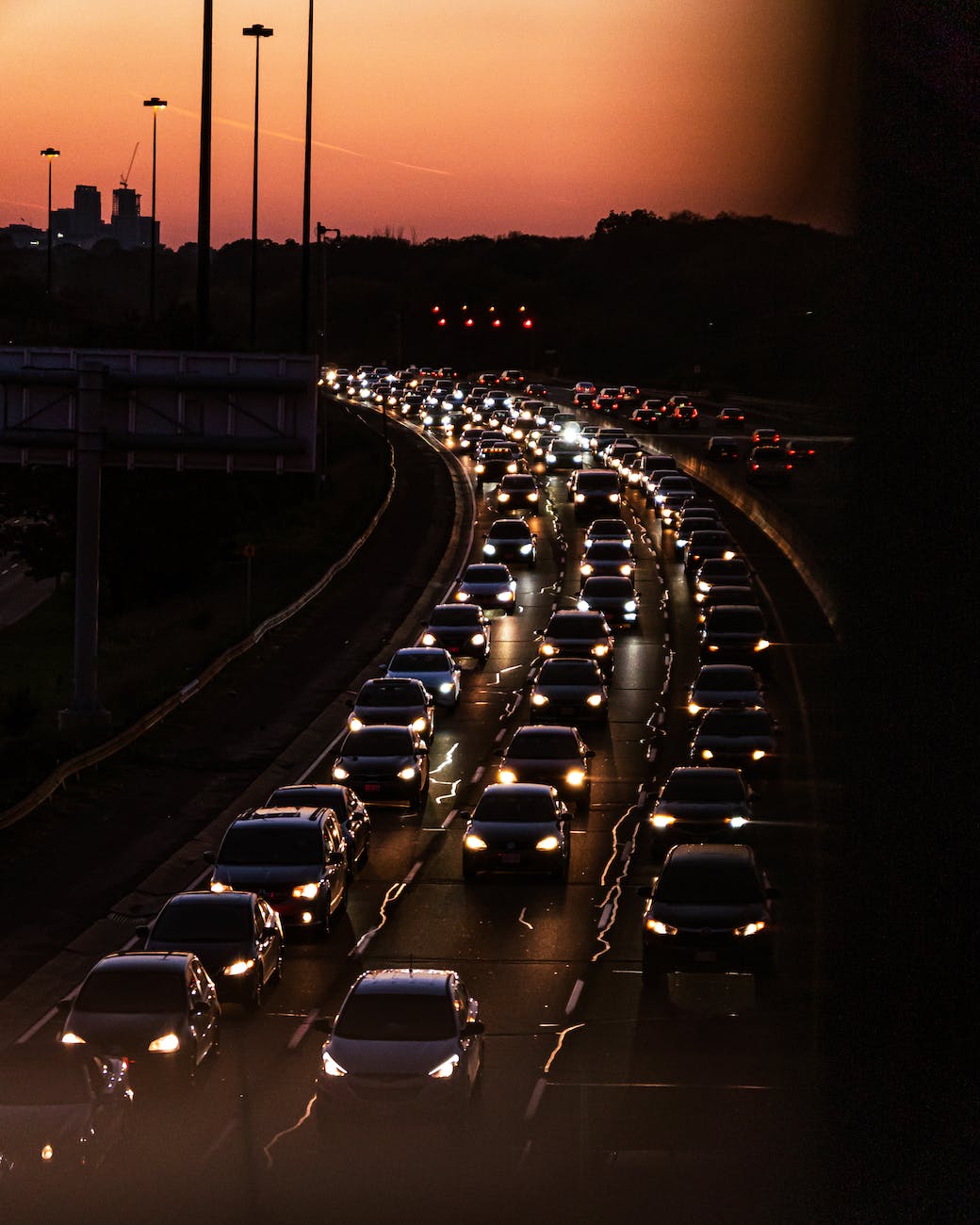
Live by the car, get stuck in traffic with the car:

Photo by Miguel Barrera on Pexels.com

The first Burning Man festival after three years of COVID pandemic delays ended rather unceremoniously as exhausted revelers endured an apocalyptic eight-hour traffic jam in the sweltering desert to leave the site. Twitter posts depicting the post-revelry congestion — and a bizarre “Thunderdome”-style fight — are going viral online.

“Exodus wait time is currently around 8 hours,” Burning Man’s official travel account confirmed regarding the bash, which saw 80,000 Burners descend on the Black Rock Desert in Gerlach, Nevada, for nine days ending Monday. “Consider delaying your departure until conditions improve.”…

Meanwhile, one burned-out reveler posted photos depicting 15 lanes of traffic that were clogged bumper to bumper for miles like something out of a classic disaster movie.

At least this traffic jam had different scenery compared to the typical highway landscapes found in metropolitan areas?

The car may be essential to the American way of life – and celebrations of life – but traffic jams are one consequence many would hope to avoid. It offers freedom for individual drivers to go when they want at a pace partly of their own choosing, yet the system of roads and land uses can easily lead to backups and delays that limit such perceived freedoms. The car commercials featuring people enjoying driving on the open road do not typically reference any traffic jams. Or, how many movies or TV shows show the difficulties of traffic congestion? After a period of festival-going, just how frustrating is a long traffic jam?

An argument for why “cars are simply vastly superior to transit alternatives”

An economist makes the case for why Americans choose cars:

Photo by Kelly L on Pexels.com

Automobiles have far greater and more flexible passenger- and cargo-carrying capacities than transit. They allow direct, point-to-point service, unlike transit. They allow self-scheduling rather than requiring advance planning. They save time, especially time spent waiting, which transit riders find the most onerous. They have far better multi-stop trip capability (which is why restrictions on auto use punish working mothers most). They offer a safer, more comfortable, more controllable environment, from the seats to the temperature to the music to the company.

Autos’ superiority doesn’t stop there, either. They expand workers’ access to jobs and educational opportunities, increase productivity and incomes, improve purchasing choices, lower consumer prices and widen social options. Trying to inconvenience people out of their cars undermines those major benefits, as well.

Cars allow decreased commuting times if not hamstrung, providing workers access to far more potential jobs and training possibilities. That improves worker-employer matches, with expanded productivity raising workers’ incomes as well as benefiting employers. One study found that 10 percent faster travel raised worker productivity by 3 percent, and increasing from 3 mph walking speed to 30 mph driving is a 900 percent increase. The magnitude of such advantages is seen in a Harvard analysis that concluded that for someone lacking a high-school diploma, owning a car increased their monthly earnings by $1,100.

Cars are also the only practical way to assemble enough widely dispersed potential customers to sustain large stores with affordable, diverse offerings. “Automobility” also sharply expands access to social opportunities. 

My sense is that Americans tend to agree with this, even if they do not think much about other transportation options.

At the same time, I could imagine two questions about this superiority:

  1. Is part of the superiority of the car due to the ways that American life are structured around cars? It is not just that people choose cars: the American way of life encourages car use.
  2. Are the individual choices made for cars best in the long run for communities and societies? Many individuals may like what cars enable but others would argue it leads to bad outcomes for the whole (one example here).

This belief in the superiority of cars also makes it difficult to find monies and the will to pursue other transportation options.