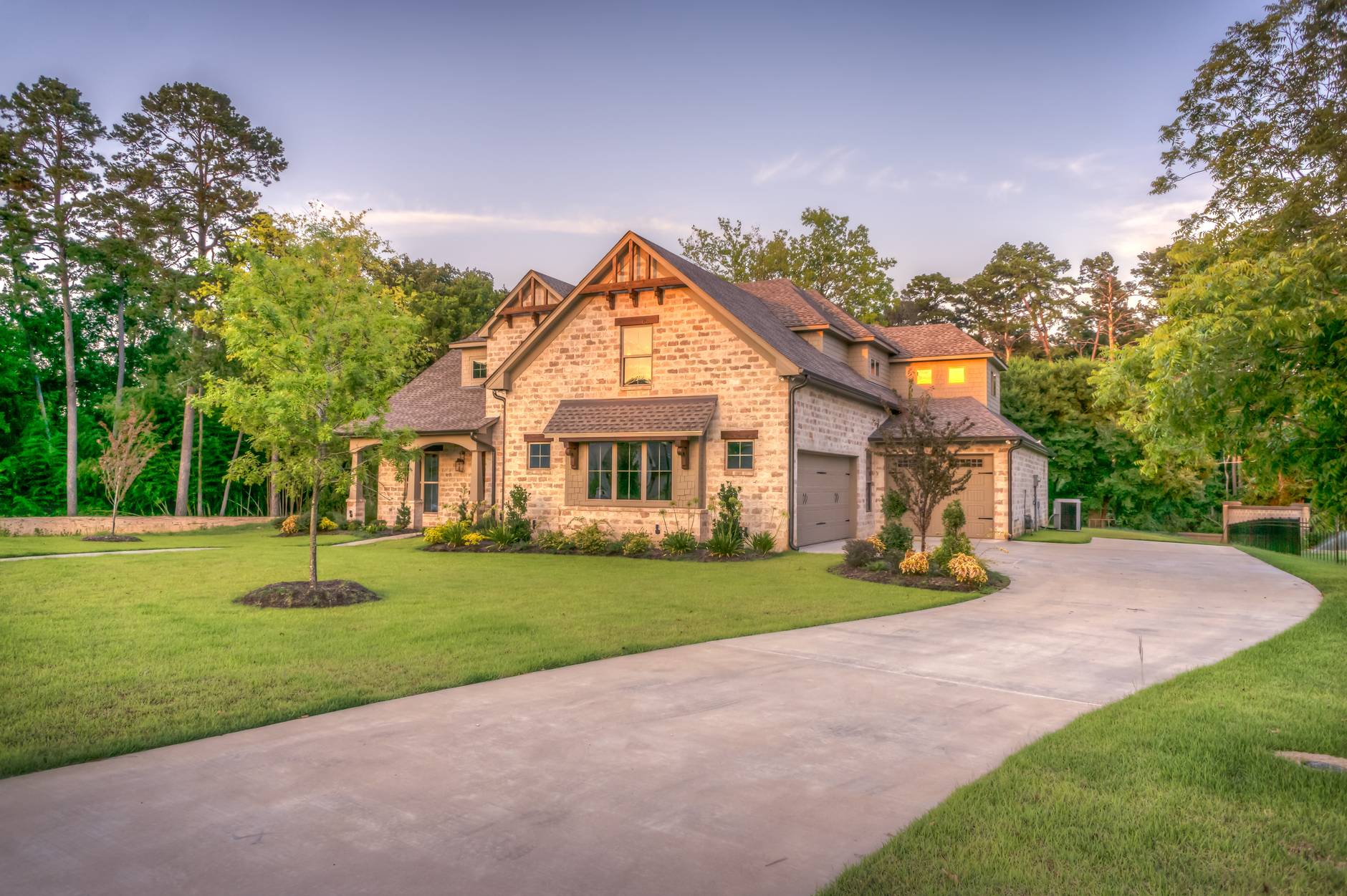
Are millennials going to the suburbs like boomers did?

The American suburbs reach across generations:

Photo by RDNE Stock project on Pexels.com

But the reality of many millennials is starting to more closely mirror their parents’. They’re catching up on earnings and wealth, and while they’re still behind on homeownership, they’re not screwed. It may have taken them awhile to settle down, but they’re getting around to it and heading to the suburbs. In short, millennials are looking increasingly boomer-esque, and in some areas, they’re doing better than their parents.

The primary argument here involves wealth and homeownership. Are millennials at similar levels? Can they find the same kind of American Dream consisting of making it to the suburbs and owning their own house?

But it strikes me that there is a larger argument to make: these are longstanding cultural patterns, not just questions about economic resources. A later passage in the article hints at this:

In other words, it may not be that all the millennials headed to the suburbs want to be there, but in some cases, they feel like they have no choice but to exit urban centers and swallow a longer commute in the process.

“The plurality are moving to the suburbs, but that’s where the housing stock is,” Lautz said. Some of it has to do with having school-age kids, for example, but a lot has to do with affordability and availability.

Do economic conditions alone drive these choices – people need housing they can afford – or is it about influential ideologies that provide Americans particular messages about the suburbs? Americans prioritize certain things in suburbia. They like cheap and big houses. They like living near certain neighbors. They like particular amenities in their communities, including those they think help their children succeed.

If millennials do indeed end up in the suburbs at similar rates to previous generations of Americans, they may do so because this is what Americans have been doing for decades. There are economic imperatives for doing this – owning a suburban home is a primary vehicle for acquiring wealth – but also established patterns where they like driving, they are used to the ins-and-outs of sprawl, and they enjoy their private dwellings.
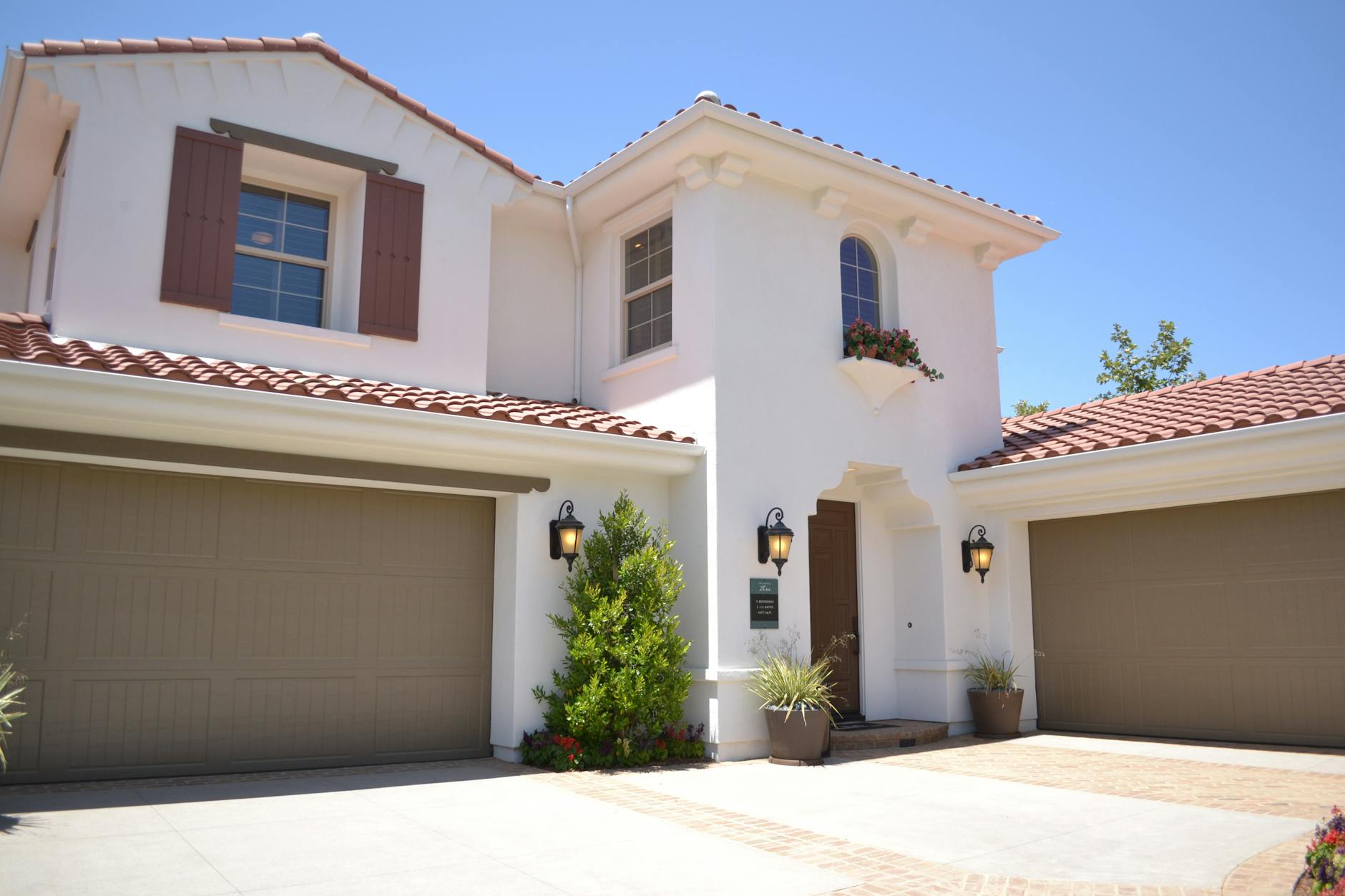

What older adults owe younger adults regarding housing: nothing, something, or everything?

Older adult Americans are holding on to their big houses longer. Should they do this? Here are three options in the American context for how older adults could approach housing in terms of what they might owe younger adults regarding housing.

Photo by Luis Yanez on Pexels.com
  1. They owe younger adults nothing. Older adults worked hard to acquire and maintain their properties. They are holding on to them as valuable assets that can continue to appreciate in value. If they can stay in the homes (considering finances and health), why shouldn’t they stay in the homes they selected as long as they can?
  2. They owe younger adults something. Older adults can balance what they would like as they age – staying in their homes, cashing out the value of those properties – with also helping younger adults who desire housing. This might look different for a variety of households and locations.
  3. They owe younger adults everything. Older adults should actively work to pass along their homes and properties (and their associated wealth and opportunities) to younger people. They should make way for future generations who could benefit from the housing they benefited them. They are passing along a housing legacy that can enrich their children and grandchildren. They have an obligation to insure housing is readily available for those who come after them.

This is a rough approximation of options available within the United States. Numerous articles in recent years highlight this dynamic of generational shifts in housing options and preferences. The housing situation in the United States is unique – emphasizing single-family homes, limited supply, high mortgage interest rates, a big Baby Boomer generation, decades-long housing value increases, and more – and Americans tend to think that housing is a market, not a human right.

Fast forward ten or twenty years down the road: I would guess Americans will follow some middle option above. Some older adults will want to or have to pass along housing, others will hold onto it as long as possible. What might be most interesting is if some of those big houses stop rising in value so much or even lose value – how much might this change the dynamics in housing turnover?

Baby Boomers own a lot of large homes

A new analysis suggests older adults own a larger proportion of large homes than they did 10 years ago:

Photo by Matthias Zomer on Pexels.com

As a result, empty-nest Baby Boomers own 28% of large homes — and Milliennials with kids own just 14%, according to a Redfin analysis released Tuesday. Gen Z families own just 0.3% of homes with three bedrooms or more…

This is a change from the historical norm, according to the research. Ten years ago young families were just as likely as empty nesters to own large homes…

For those who own their home outright, the median monthly cost of owning a home, which includes insurance and property taxes, among other costs, is just $612, according to the report.

“Logically, empty nesters are the most likely group to sell big homes and downsize,” said Bokhari. “They no longer have children living at home and don’t need as much space. The problem for younger families who wish their parents’ generation would list their big homes: Boomers don’t have much motivation to sell, financially or otherwise.”…

This speaks to one of the assumptions of American housing: older adults are expected to move out of larger homes and move to smaller homes or ones that better suit their needs later in life. This frees up their homes for the next generation to move into.

Is this the way it has always worked? Might patterns change heading into the future?

Several thoughts on these trends:

  1. Americans like bigger homes. As the size of American homes has increased, might Americans want to keep these larger homes as long as possible?
  2. Houses are places to live and strategic investments. Older residents may not need all that space but wouldn’t they want to cash out as late as possible on this large asset?
  3. An emphasis on living independently and youthfully may mean that staying in a house is a sign of vitality (while moving would be a sign of weakness). Why sell if you can still live in a big house?

This could be the product of a unique confluence of factors in recent decades: a sizable birth cohort, a change in what housing is and what housing is available, and an unprecedented growth in housing values.

Baby boomers have more houses and households as they age?

One set of analysts thinks the tight housing supply could be in due part to the actions of aging Baby Boomers:

Photo by Ann H on Pexels.com

The theory that the aging population would require fewer homes isn’t quite accurate. It turns out older consumers tend to prefer smaller dwellings but not fewer homes. The Barclays housing team makes the argument that currently more boomers are partly responsible for creating more households, putting pressure on housing demand…

“Hence, as an increasing share of the population shifts into older age groups, more and more households tend to be formed. That is, as a given household head ages, the size of the household (in terms of people) tends to become smaller and smaller, with children moving out and couples separating because of divorce or death,” the economist added…

“Retired people always are much more likely to be the head of a household than those in pre-retirement age. This is because a given person in this age group is much more likely to be a single head of a household, especially as they, inevitably, lose a life partner,” Millar told Yahoo Finance in an email. “The difference now is that this generation is a much larger group than the one that preceded it, which means that they demand much more housing.”

That leaves less existing inventory for the younger ones, especially millennials as they reach an age where they would form a new household and buy a house.

Do Americans have to take up more houses just because there are more people? This gets at American ideas about single-family homes and households. Is it most desirable to spread out and have numerous private dwellings? Is this also a reflection of sprawling development in the post-World War II era?

If future generations are smaller in size, they could theoretically occupy fewer houses just by having fewer people. But, they could also decide to live in different ways. Fewer detached housing units? Denser settings, even in the suburbs?

This story is not over as population changes and desires for housing are dynamic.

Use better social science categories than “generations”

Millennials, Boomers, the Silent Generation, Gen Y, etc. are all categories that people generally think describe real phenomena. But, are they useful categories for describing patterns within American society?

Photo by Sarah Chai on Pexels.com

This supposition requires leaps of faith. For one thing, there is no empirical basis for claiming that differences within a generation are smaller than differences between generations. (Do you have less in common with your parents than with people you have never met who happen to have been born a few years before or after you?) The theory also seems to require that a person born in 1965, the first year of Generation X, must have different values, tastes, and life experiences from a person born in 1964, the last year of the baby-boom generation (1946-64). And that someone born in the last birth year of Gen X, 1980, has more in common with someone born in 1965 or 1970 than with someone born in 1981 or 1990.

Everyone realizes that precision dating of this kind is silly, but although we know that chronological boundaries can blur a bit, we still imagine generational differences to be bright-line distinctions. People talk as though there were a unique DNA for Gen X—what in the nineteenth century was called a generational “entelechy”—even though the difference between a baby boomer and a Gen X-er is about as meaningful as the difference between a Leo and a Virgo…

In any case, “explaining” people by asking them what they think and then repeating their answers is not sociology. Contemporary college students did not invent new ways of thinking about identity and community. Those were already rooted in the institutional culture of higher education. From Day One, college students are instructed about the importance of diversity, inclusion, honesty, collaboration—all the virtuous things that the authors of “Gen Z, Explained” attribute to the new generation. Students can say (and some do say) to their teachers and their institutions, “You’re not living up to those values.” But the values are shared values…

In other words, if you are basing your characterization of a generation on what people say when they are young, you are doing astrology. You are ascribing to birth dates what is really the result of changing conditions.

As this piece notes, popular discourse often treats generations as monolithic blocks. Everyone in a particular generation has similar experiences, outlooks, values. Is this actually true? Or, are other social forces at work including changing conditions, lifecourse changes, social markers like race, class, and gender, and more?

I remember seeing earlier this year an open letter from social scientists to Pew Research asking them to discontinue using generation categories. This is one way that change could occur: researchers working in this area can replace less helpful categories with more helpful ones. This could be scientific progress: as our understanding of social phenomena develops, we can better conceptualize and operationalize these. With sustained effort and keeping up with changes in society, we could see a shift in how we talk about differences between people born at different times.

Yet, this also takes a lot of work. The generations labels are popular. They are a convenient shorthand. People in the United States are used to understanding themselves and others with these categories. Sociological categories are not always easy to bring to the public nor do they always find acceptance.

At the least, perhaps we can hope for fewer articles and opinions that broadly smear whole generations. Making hasty or less than accurate generalizations is not helpful.

Attaching McMansions to baby boomers

Are McMansions a a defining feature of baby boomers?

architecture clouds daylight driveway

Photo by Pixabay on Pexels.com

This year has highlighted America’s generation gaps, especially between the two largest generations. Both have been stereotyped as being self-absorbed — millennials as selfie-obsessed avocado toast addicts, boomers for their oversized “mcmansions” and self-indulgence. And both are feeling pandemic pain, though in different ways.

The piece does acknowledge that this is a stereotype. Yet, some of the stereotypical pieces do go together:

  1. The term “McMansion” arose in the late 1990s and the homes have been in the United States at least two decades. The baby boomers were adults with careers and money when McMansions became a thing. Baby boomers also came of age in the era of consumerism and “greed is good.” They had the money and resources to buy the new big houses. This argument has been made before.
  2. McMansions are known for their tackiness and quest to impress; baby boomers are also stereotyped for their indulgent behavior.
  3. Commentators have suggested baby boomers will have difficulty selling their McMansions. Additionally, baby boomers will try to pass their homes to their children.
  4. If McMansions are often viewed negatively, perhaps it is easier or convenient to attach them to a group – here a generational cohort – that receives its own share of criticism. If McMansions are bad, it can be handy to blame someone for them.

Whether McMansions get passed along to millennials and future generations remains to be seen. But, based on what I have seen, there is a good chance that baby boomers and McMansions may be tied together for decades.

“Trophy ranches” may disappear with Baby Boomers

One segment of the luxury property market does not appeal to younger buyers or those who do not understand the appeal of a “trophy ranch”:

Decades ago, a generation of America’s wealthiest, raised on television shows like “Howdy Doody” and “The Lone Ranger,” headed west with dreams of owning some of the country’s most prestigious ranches. Now, as those John Wayne- loving baby boomers age out of the lifestyle or die, they or their children are looking to sell those trophy properties…

Jeff Buerger, a local ranch broker with Hall & Hall in Colorado, said there are more large trophy ranches on the market right now than he can recall in his nearly three decades in the business. There are about 20 ranches priced at over $20 million on the market in the state, according to a Wall Street Journal analysis of listings…

Unlike other sectors of the U.S. high-end real-estate market, ranches can’t fall back on international purchasers. Broker Tim Murphy said there is virtually no demand for ranches from international buyers, many of whom “don’t get it.”…

“The last wave of buyers was the baby boomers who fell in love with John Wayne and wanted that experience for themselves,” Mr. Buerger said. “Today, it’s more about conservation. You’re starting to hear more landowners talking about wildlife habitat enhancement and ecological work.” Other targeted groups include wealthy families from the East Coast or Silicon Valley.

I would guess this is not just about baby boomers: it is about broader conceptions of what is the ideal property if someone came into significant money. The implication in the story above is that media, particularly John Wayne films, created a desire for these locations. Presumably, other media depictions would fuel desires for other properties. Depending on the tastes and background of buyers, this could range from:

1. Pricey downtown condos or penthouses in the middle of urban action (whether in well-established wealthy neighborhoods or in up-and-coming places).

2. Suburban McMansions that offer a lot of space and unique architecture.

3. Traditional mansions with sprawling homes whose size and design imply old money (in contrast to the flashy yet flawed McMansions).

4. Impressive vacation homes right on desirable beaches.

Perhaps the trick of any of these is to try to ensure that there are future buyers for your property. If demand drops, your hot high-status property may not hold up as a desirable location for the long-term.

Scenarios in which McMansions are passed along to younger adults

Older Americans own plenty of large homes and commentators suggest younger adults have multiple reasons for not going after such homes:

Younger people have loads of reasons not to be charmed by the vaulted ceilings and chef-ready kitchens of homes perched on mountaintops or hugging beaches that promised solitude once but now cry of isolation…

A report from Business Insider highlights numerous reasons that younger people might not want to saddle themselves with such beautiful albatrosses. Down payments, student debt and preferences for rentals in cities coupled with vacation home getaways have all contributed to what the report characterizes as “millennials wiping out starter homes.”…

And that is those among them who can actually manage to save up a down payment. Too many others are so burdened by student debt that buying a house is a foggy image off in the distant future. And lots of young homebuyers underestimate what it will cost them to keep a house, making it less likely they’ll bite off more than they can chew the next time they go home-shopping.

Factoring in their concerns over the environment—the energy footprint of a big house and a long commute—and their disinclination to own cars, as well as the need to hold down multiple jobs or have one or more side hustles—and it looks as if those mega-residences are liable to stay on the market for quite a while longer.

While one angle to this is that Baby Boomers will have a hard time selling their homes, the other side is whether the younger generations want and can get to such homes. I have seen little suggestion that young adults truly desire McMansions.

But, I would not write off this possibility just yet. I could imagine several possible scenarios where McMansions happen to end up in the hands of future generations:

  1. Younger adults do well enough economically – or enough of them do since not all Baby Boomers own big homes either – to keep McMansions going.
  2. Baby Boomers cannot sell their large homes, the prices drop, and the homes are more in the reach of younger adults.
  3. Enough McMansions are converted to other uses – think multi-family housing – to keep the prices up enough to keep everyone happy. (Or, in a more dystopian model, McMansions are simply bulldozed or replaced to limit the supply.

I have a sneaking suspicion McMansions will be passed along in decent numbers to the next generation…despite the wishes of some.

Downsizing, Marie Kondo, and all the stuff Americans own

Many older Americans want to downsize (and cash out on their homes), Marie Kondo’s approach is popular, but where will all that stuff owned by older homeowners go?

Auctioneers and appraisers, junk haulers and moving companies all seem to be echoing the same thing: The market is flooded with baby boomer rejects. And they cite a number of reasons our kids are turning down the possessions we so generously offer to them. They rent rather than own, live in smaller spaces, collect more digital than physical items and tend to put their money toward experiences rather than things…

Her kids also rejected three sets of formal dinnerware, including Haviland China; vast collections of Lladro figurines and Department 56 Christmas villages; as well as 3,000 Beanie Babies and boxes of soccer awards she and her husband, who both coached for many years, earned with their children.

The only offer she got on any of her treasures? One son wants her Hallmark Frosty Friends ornaments she’s collected over 37 years “because he knows how much they are worth.”

Two scenarios could develop:

1. There will be a growing market in stuff that older Americans no longer want. Perhaps many millennials or Gen Z do not want stuff from their parents but some other American will want it. It does not just have to go to resale shops; enterprising individuals and firms could shop all these items online to find buyers interested in particular niches. Perhaps this could even expand to international markets and be shipped in bulk around the globe.

2. Much of the stuff will simply be thrown away, particularly items that are more sentimental in nature. Some lucky owners will find people to take or buy their unneeded items but much of the rest will simply find its way into landfills. Decades of consumption will end in the garbage can.

I have not seen any estimates either way of how much money all of these goods could generate or how much waste could be involved (or a combination of both).

Also, consider the implications of such a change: younger generations do not take material objects from their parents and grandparents, creating a bit of a gap in a material timeline. Perhaps the shifting of wealth from generation to generation more often takes the form of helping to pay for housing or student loans rather than tangible goods. How does this change memories and collective understandings of the past?


Will millennials kill McMansions?

Millennials get blamed for a lot of things and here is another possible area where their choices may have consequences: the selling and buying of McMansions.

The end of so-called “McMansions” has been predicted several times over the years, but those large, mass-produced houses that the baby boomer generation (born 1946-1964) favored as a status symbol kept coming back. Now, baby boomers are entering their 70s and 80s and many are looking to downsize, but they are finding it hard to offload these large homes, facing a paucity of buyers among the millennial generation (born 1982-2000), who are unable to pay the prices they want.

For anxious sellers, however, respite could be around the corner as mortgage interest rates ease, and the millennial generation becomes qualified for more and bigger loans, experts say…

A big problem for the McMansion market is the mismatch between where millennials prefer to live and where those large houses have been built. The younger generation gravitates to cities – where their jobs are — whereas baby boomers have built their homes in suburban locations…

Keys wondered if the housing preferences of the younger generation have truly changed or if there is only a “delay” in the demand for McMansions. Those homes may not be desirable to people in their late 20s but instead to people in their late 30s or 40s, he noted.

This is not the first time I have seen the suggestion that millennials have less interest in McMansions: Builder had a piece on this a few years back. And the baby boomers may have a problem bigger than just McMansions: who will buy all their homes, McMansions and otherwise? When housing becomes a primary investment for so many Americans, not having enough future buyers can become problematic.

More broadly, this discussion follows a typical pattern for stories and studies about millennials: will they act like previous generations (and have not done so thus far for a variety of reasons including an economic crisis and student loan debt) or do they truly have different tastes and want to lead different lives? In the realm of those who care about cities and suburbs, this is an ongoing discussion spanning years: will millennials be suburbanites or city-dwellers? Will they reject lives built around single-family homes and driving and prefer denser, diverse, culturally-rich communities (or a mix of both in “surban” places)?

If I had to guess, this group will exhibit some change from previous groups but probably not drastic change (based on the idea that social change tends to happen more slowly over time). Reversing suburban culture, ingrained among many American institutions and residents, would like take decades and not just one generation. The McMansions of older residents may not all sell at their preferred prices but barring another housing bubble (which could happen), they will be worth some money.