An NFL team owner living in a suburban subdivision

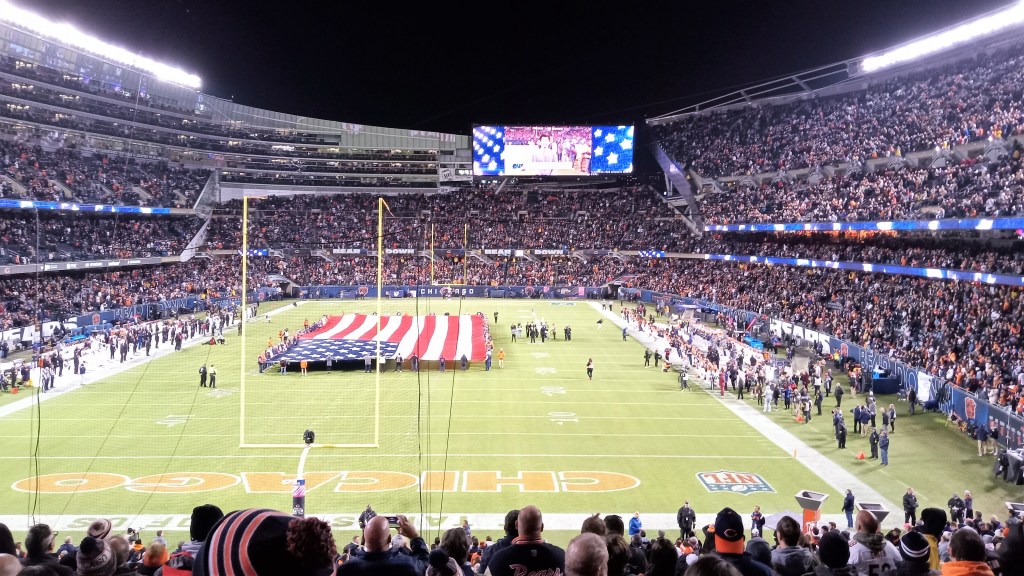
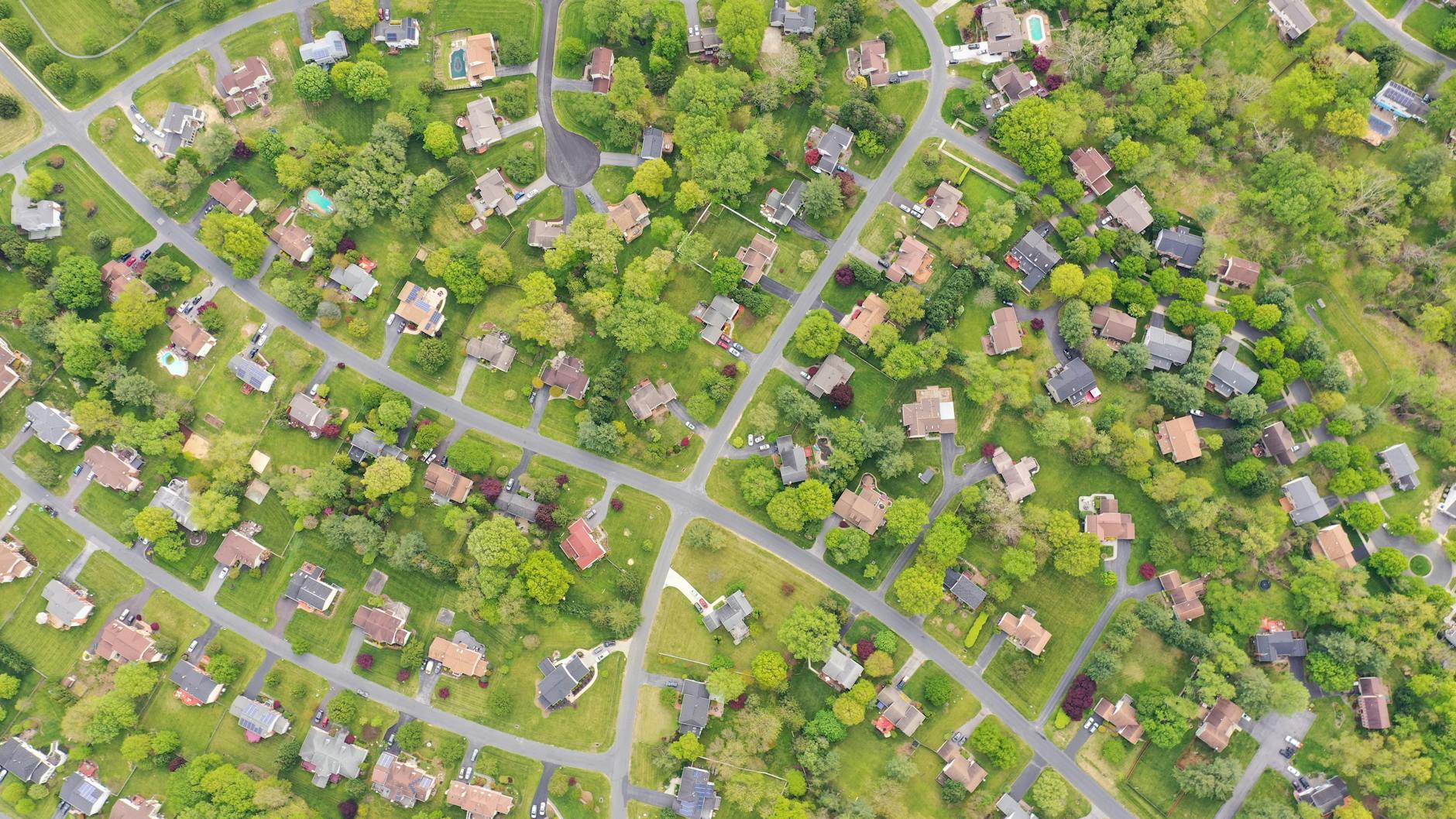
Virginia McCaskey, long-time owner of the Chicago Bears, lived for many years in a suburban subdivision:

Photo by IVProduced MUSIC|MOODS|MEDIA on Pexels.com

She and her husband raised a family of 11 — the logical number for a huddle in the home — in a modest house in Des Plaines. Tim, a Bears vice president, died in 2011 and Michael died in 2020, both of cancer. In 1994, the McCaskeys moved to a ranch home one block away. Daughter Anne Catron moved into the old house.

“I probably live in the smallest house of any NFL executive, but that’s what Ed and I were comfortable doing,” McCaskey said. “That was our lifestyle and now I’m able to stay in that house by myself with wonderful neighbors and Anne is a block away.”

Imagine you are moving into a suburban neighborhood. As you meet the neighbors over time, you get a sense of what they do. One neighbor says they “own an NFL team.” Wait, what? What are the odds of this happening? There are only 32 NFL teams so there are a limited number of owners. And how many owners live in a “modest house” in the suburbs?

Two additional thoughts:

  1. This may point to a different era of ownership of pro sports teams. Franchises today are worth billions. This was not always the case. McCaskey’s father helped found the NFL when college football was more popular. Even in 1979, when McCaskey took over ownership, the Bears were not worth over $6 billion (their value now).
  2. The owner of the Chicago Bears, a team associated with the third largest city in the country, lives in the suburbs. How many pro sports team owners live in the suburbs (where a majority of Americans live)? (See this earlier post on how many baseball teams have stadiums in downtowns.)
Stopping (Illinois legislative) time to get a sports team owner their taxpayer funded stadium package

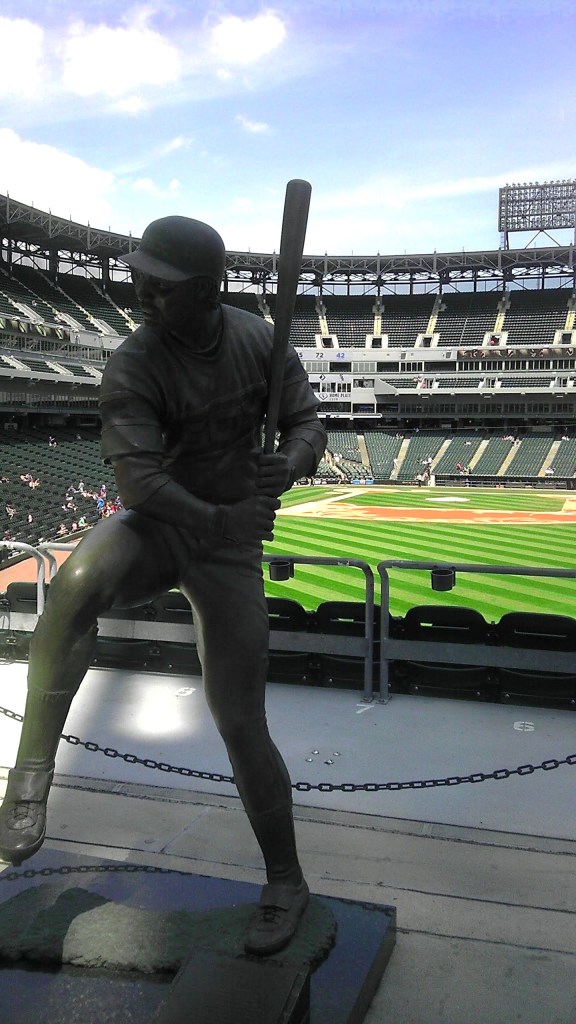
As the Chicago White Sox and Chicago Bears argue for public money or lower taxes, I was reminded of the 1988 legislative deal that made sure taxpayers helped the White Sox stay in Chicago:

The White Sox stadium plan was resurrected seconds before midnight Friday, thanks to House Speaker Michael Madigan`s watch and an animated display of political arm-twisting by legislative leaders and Gov. James Thompson…

Minutes before House and Senate members walked into their chambers late Thursday, leaders from both parties predicted that the $150 million Sox stadium bill would fail, leaving the Sox no choice but to leave the South Side for St. Petersburg, Fla.

House Republicans left their caucuses, saying they had only five votes for the package. Their Democratic counterparts said only 50 votes could be mustered. And Senate Democrats said they had only 10 votes in favor of the deal.

But a few minutes before midnight, Senate Democrats ratified the measure by gathering 30 votes. In the House, after many observers saw their watches read past midnight, the constitutionally mandated adjournment time, the House passed the measure by a 60-55 vote. The published roll call read 12:03 a.m. Friday, which normally would mandate any bill passing by a three-fifths majority, or 71 votes…

”By my watch, it was 11:59,” Madigan said. ”I didnt know this would pass. The Republicans told me they had seven votes when we went in, but the governor and I and all the members took risks and passed this bill to keep the White Sox in Chicago. Now its up to them. We took them at their word.”

Clocks stopped, votes changing, foregoing other legislative priorities all to get a sports stadium paid for. As I have argued before, few political leaders want to be the ones who let the local major team get away. What this tends to mean is that local residents end up paying for the stadium while the team owners become even wealthier.

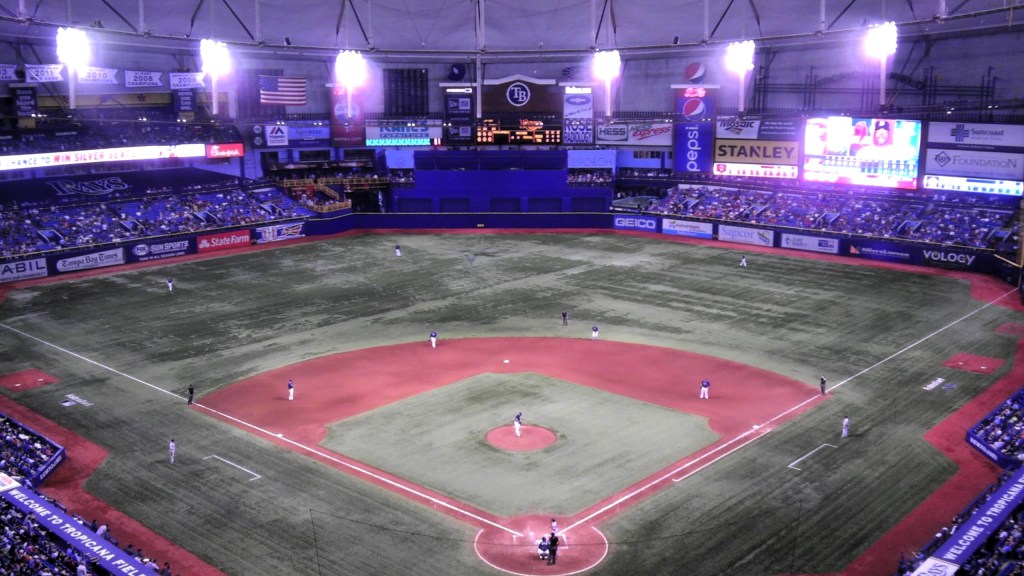
Another reminder: this threatened move of the White Sox to St. Petersburg, Florida led to the construction of another stadium where the Tampa Rays now play:

Who wins in these deals? The owners. For their tax monies, the fans may get to watch games in person or pay attention through local media.

Naperville is the equivalent of 4th and 29 for a Bears opponent

Naperville is a highly-ranked suburb but is rarely described in sports terms. On the Fox broadcast of Bears-Lions yesterday, play-by-play announcer Adam Amin invoked Naperville in a difficult late-game situation for the Lions:

Why Naperville? Two quick theories. First, Amin announces a lot of games in Chicago due to being the play-by-play guy for the Chicago Bulls. He would be more familiar with the region and local communities. The Bulls do not have many ties to Naperville but it is the third largest community in the region (after Chicago and Aurora).

Second, Naperville is sufficiently far from Chicago and Soldier Field to be the distance equivalent of needing 29 yards for a first down. Naperville is roughly 30 miles southwest of downtown. Fourth and 40 might get you to Elgin and Fourth and 45 might get you to Joliet. I am up for more yard-to-mileage comparisons in Bears broadcasts though it might work better on a local radio call than a national broadcast.

And if the Bears end up in Arlington Heights or Naperville or another suburb, then can the fourth down distance go the other direction? “It’s fourth-and-Bronzeville” or “fourth-and-Logan Square”.

Why not let every Chicago suburb pitch the Chicago Bears on a stadium deal?

The Chicago area has several hundred suburbs. Why not have dozens of them submit proposals to the Chicago Bears for a stadium and surrounding development? If the goal is to get the most tax breaks and make the most money, this is how Amazon and other large firms operate.

Here is one satirical look at some options:

Winnetka

Cheap Uber rides to the stadium for the McCaskeys from their North Shore abodes. Every dollar saved counts…

Blue Island

A local referendum changing the town’s name to “Black and Blue Island” could seal the deal. Fans would travel from remote parking lots to the stadium via a scenic barge ride on the Little Calumet River…

Batavia

In conjunction with nearby Fermilab, America’s particle physics and accelerator laboratory, the Bears could find the answers to two of life’s eternal questions: How did the universe begin? and Why can’t the Bears win another Super Bowl?…

Downers Grove

The Bears already have been a downer for many years. Just make it official by building a retractable DownersDome.

The Chicago area is large and there are plenty of possible sites for a stadium. And for most fans, the view of the game on TV will look the same regardless of where the stadium is located.

A common suburban sentiment about land uses: “But I don’t want to live anywhere near it”

An Arlington Heights resident describes the reasons he does not want a Chicago Bears stadium near where he lives:

Photo by SHVETS production on Pexels.com

The McCaskey family is in love with Arlington Heights? Well, me, too. I pay every nickel in property taxes I owe and am quite happy with the services I receive in return. I suggest Da Bears be required to do the same. In addition, they can build the infrastructure required at their own expense. With the full oversight and approval of the village of Arlington Heights, of course. If this is unacceptable, then please, by all means, head to Naperville. Best of luck to all…

The McCaskey family will plop a 70,000-seat domed stadium, plus sportsbook (that’s a casino, folks) on a portion of the property and sell off pieces to the highest bidders who will quickly turn the place into a national party destination. And it won’t just be eight Sundays a year. I’m quite certain they envision March Madness, Super Bowls and Taylor Swift concerts. Trains will back up through downtown; Euclid Avenue, Wilke Road and Northwest Highway will be jammed; and our perfect little town will be overrun.

“Don’t be ridiculous,” I can hear them say. “All stadium traffic will be routed to the expressways.” Uh-huh. Ever been to Wrigley Field? I have. What a cool place. What a legendary sports destination. But I don’t want to live anywhere near it. Nor do I want to live next door to the Airbnb rental on the weekend the Packers are in town.

What if the Bears back out? What will we do with a 326-acre lot? Here are some ideas: walking, running and biking paths. Lakes and paddleboats. Horseback riding would be a nice touch. Skate parks for the skateboarders in the summer, a wandering ice-skating path in the winter with a warming house. A nine-hole golf course — walking only, kids-only.

I’m sure the numbers are daunting, but why not be creative? Not every use of land has to be about growth, development and profitability. We are rushing into the arms of the first suitor that has presented us with a ring. I suggest we get it appraised. It feels like cubic zirconium to me.

On one hand, this is a specific response to a particular proposed land use. A major stadium plus surrounding development is a big deal. In mature suburbs where big pieces of land become available only rarely, decisions about this land can be very consequential. Additionally, residents of suburbs often feel they should have a say in how land in their community is used. This is one of the reasons they like living in suburbs: they are closer to local government officials and processes. After all, they pay taxes, they live in the community, and they will be affected by the new development.

On the other hand, the sentiment of “not wanting to live anywhere near it” is a common one across suburbs. This could refer to affordable housing or waste transfer stations or drug treatment facilities or religious buildings or other uses suburbanites feel will threaten their way of life. Residents may not like the idea that growth is good yet this part of the appeal of many suburbs where growth signals continued residential and business demand.

The Chicago Bears will end up somewhere and there will likely be some residents who do not like the decision to have a stadium near them. Given the billions of dollars and status at stake here, they might not be able to do much about it.

Playing Chicago suburbs off each other to get the best deal for the owners of the Bears

Which Chicago suburb might give the Bears the best option to make money off a new stadium and development around it? Enter Naperville, the largest suburb in the region:

Photo by Pixabay on Pexels.com

“We will continue the ongoing demolition activity and work toward a path forward in Arlington Heights, but it is no longer our singular focus,” Scott Hagel, the Bears senior vice president of marketing and communications said in a statement. “It is our responsibility to listen to other municipalities in Chicagoland about potential locations that can deliver on this transformational opportunity for our fans, our club and the state of Illinois.”…

This isn’t the first time there’s been hopes of a Bears move to the suburbs. Through the years, the Bears have considered sites in Hanover Park, Hoffman Estates, Aurora, Elk Grove Village and Waukegan. And once before in Arlington Heights.

Wehrli’s letter touts Naperville as accessible through major highways, such as the east-west Interstate 88 and the north-south Interstate 355, as well the city’s downtown Metra train station. There are also Metra stops in nearby Lisle and on Route 59 in Aurora.

The meeting is a major splash for Wehrli, who was elected in April and has been mayor for only a month. A lifelong Naperville resident with family roots in the community dating back to the 1840s, his letter to Warren stresses the impact an NFL stadium would have on the city.

This strategy works for the Bears because they can seek out a community that will give them a good deal on land, permits, taxes, and more. Their goal is to make money off the stadium and nearby development.

This strategy might work for individual suburbs beyond Arlington Heights. If the Bears do not come to Naperville, does the new mayor lose anything by reaching out? Even a short conversation keeps his community in the news. If the Bears come, it could be touted as a big deal. (On the other hand, just as some residents and taxing bodies in and near Arlington Heights are not thrilled about the Bears locating there, I imagine there would be some resistance in Naperville.)

Ultimately, providing public money for stadiums tends to benefit the team owners the most. Someone will host the Bears in the future but the team will end up as the biggest winner.

Divided fan loyalties: QB1 is on my team, my opponent’s team, and my home team

In recent weeks, I have run into a situation unique to Chicago Bears fans: do I always cheer for our quarterback who is scoring points at a prodigious rate? Here is where loyalties can be divided:

Photo by Pixabay on Pexels.com
  1. In one fantasy football league, I drafted Justin Fields at the beginning of Round 5. This put him after all of the established quarterbacks and somewhere in the middle with a number of other unproven players. (Trevor Lawrence went next, I drafted Tua Tagovailoa at the beginning of Round 7, etc.)
  2. In other fantasy leagues, I have now played Justin Fields as the opposing QB in multiple weeks. He is scoring a lot of points recently – but now against me.
  3. As a fan of the Chicago Bears, I almost never draft Bears players because for decades the Bears have not scored consistently. Even with an exciting young quarterback, the Bears are still not winning. Should they lose more for a higher draft pick? Should they do more for their young QB?

Fantasy sports and gambling has introduced this conundrum for years: do I enjoy watching sports or do I reduce my teams and the players to individual components that I can profit from?

If I had to decide, I go with my lifelong fandom with the Chicago Bears. I want them to do well. Even as I have played fantasy football for almost two decades and Madden football for three decades, I enjoy being a sports fan, even of an unsuccessful team.

It is less clear whether others sports fans agree with this. It is much easier to follow particular players or certain teams as they become famous and successful. Why stick with the Bears when you can enjoy the play and exploits of others? Why not turn it into a matter of my own success?

Perhaps sports fandom will look very different in the coming decades. Sports will continue and I suspect the push toward individualizing the fan experience, particularly prioritizing those teams and players who are successful, will as well.

One front in zoning and development battles: school districts do not necessarily want more students

The words of a suburban school district superintendent regarding a possible Bears stadium and adjacent development highlight one of the current fronts in battles over development:

Photo by CDC on Pexels.com

Palatine Township Elementary District 15 Superintendent Laurie Heinz said that if the special taxing mechanism is implemented — where property taxes above a certain level would be diverted away from schools, as well as other taxing bodies, and into the Bears’ proposed mixed-use project — the district would need financial assistance to add classroom space to schools in nearby Rolling Meadows, or potentially even build a new school within the 326-acre site…

The Bears’ preliminary site plan suggests a significant residential component, from higher-density, multifamily properties of four to eight stories closer to the Metra train station, to lower-density townhouses and multifamily units of two to four stories further south and east through the site.

Heinz said the housing could generate hundreds or even thousands of students.

“We want a seat at the table,” Heinz said at a recent community meeting. “We’re going to fight against it all being TIF’ed because we will need money.

The superintendent is saying that the school district will need money to serve the influx of students that would come through new residential units. Other school districts, residents, or leaders have gone further when considering other suburban projects: they do not necessarily want school students to live in new residential units. Fewer school-age children would save money for school districts and communities in the long run due to not having to provide educational services.

In some ways, this is an odd stance for suburban leaders and residents to take. Much of the suburban sprawl in the United States involved providing spaces and success for children. Property values and a sense of community status are often tied to the performance of local school districts.

But, this focus on children comes with costs. Particularly for mature suburbs, they can struggle to fund schools or residents and leaders push back against the costs of schooling compared to other preferred priorities (such as taxes not going up).

For this particular project, who will adjust: the city not provide a TIF? The developer change the residential units in ways that appeal to certain kinds of residents and not others? The school district finding ways to fit this into particular confines? Stay tuned.

Can a successful suburb have a thriving downtown and a stadium-driven mixed-use district?

With the Chicago Bears considering building in Arlington Heights, one village trustee expressed concerns that a sizable project would compete with the suburb’s successful downtown:

Photo by Philipp Silbernagl on Pexels.com

But, he said, “I’m going to tell you right now I’m not a fan of the site plan. And I hope this doesn’t blow up and ruin things for you in any way because I’m just one person sitting up here. But I have to be true to myself and true to my thoughts.”

Tinaglia, who founded his Tinaglia Architects firm in Arlington Heights in 1991, blasted the mixed-use transit-oriented development aspect of the Bears’ proposal, arguing the plans for restaurants, stores, offices, hotels, homes and more on 206 acres of the 326-acre property would detract from what is in downtown Arlington Heights.

“For a community that doesn’t have a downtown — that doesn’t have what Arlington Heights already has — that community would die to have this,” Tinaglia said. But he said he didn’t believe Arlington Heights’ current business owners could survive the competition from the kind of development being proposed.

Just how many entertainment centers can exist in the suburbs, let alone in one community?

Many suburbs would like to have a thriving downtown. Arlington Heights has one. It boosts the status of the community with its older buildings, current businesses bringing in residents and visitors, and possibly residents living downtown and also visiting local businesses and restaurants. Not all suburbs have downtowns; some never had them due to consisting of multiple suburban subdivisions joined together while others may have had a downtown that is now struggling or non-existent. The suburban downtown has had numerous challenges over the years – strip malls, shopping malls, driving and parking, big box stores, and more – so having a successful one is not something a suburb would lightly give up.

On the other hand, not every suburb has an opportunity to be home to a major sports stadium and all of the development around it. This is a new opportunity that could be worth a lot in terms of business activity and tax revenue, population growth, and status tied to being the home of an important football franchise.

It will be interesting to see if there is a compromise to be had here where both a downtown and a new mixed-use development coexist. Do they have to be in competition or can they serve different audiences?

Sports teams want the state-of-the-art stadium – and all of the nearby mixed-use development – to profit

The conceptual plans released earlier this week from the Chicago Bears about what they might construct in Arlington Heights follows a recent trend: sports teams are interested in stadiums and all the other development around those facilities.

Photo by Mikael Blomkvist on Pexels.com

The plans revealed Tuesday by the Bears call for a multipurpose entertainment district anchored by a stadium that could host the Super Bowl, college football playoffs and college basketball Final Four, with an adjoining commercial/retail and housing district. While cautioning that the long-term vision for the entire property is a work in progress, the team said the site could include restaurants, offices, a hotel, fitness center, parks and open spaces.

The team’s open letter provided a series of economic projections, saying the large-scale redevelopment would provide “considerable” economic benefits to Cook County, the region and state.

For instance, construction would create more than 48,000 jobs, result in $9.4 billion in economic impact in the region, and provide $3.9 billion in labor income to workers, the team said.

The development would generate $16 million in annual tax revenue for the village, $9.8 million for the county and $51.3 million for the state, according to the Bears.

Yes, a stadium is necessary for football but teams now want to develop more land and generate additional revenues adjacent to the sports playing surface. If they help generate such development and/or retain an ownership stake in the surrounding development, this can both bring in significant annual revenue and further boost the value of their franchise.

This also follows on-trend development ideas where a mixed-use property helps ensure a regular flow of activity. Instead of separating land uses in different places, putting them all together can create synergy and additional revenues.

Another way to think about it is that a lot of sports teams are in the land development business. How exactly this fits with a goal of fielding a winning team might get complicated.