If the exurbs are way beyond the basketball three-point line, where are downtown and the suburbs?

With more NBA action taking place beyond the three point line, this description likened it to the exurbs:

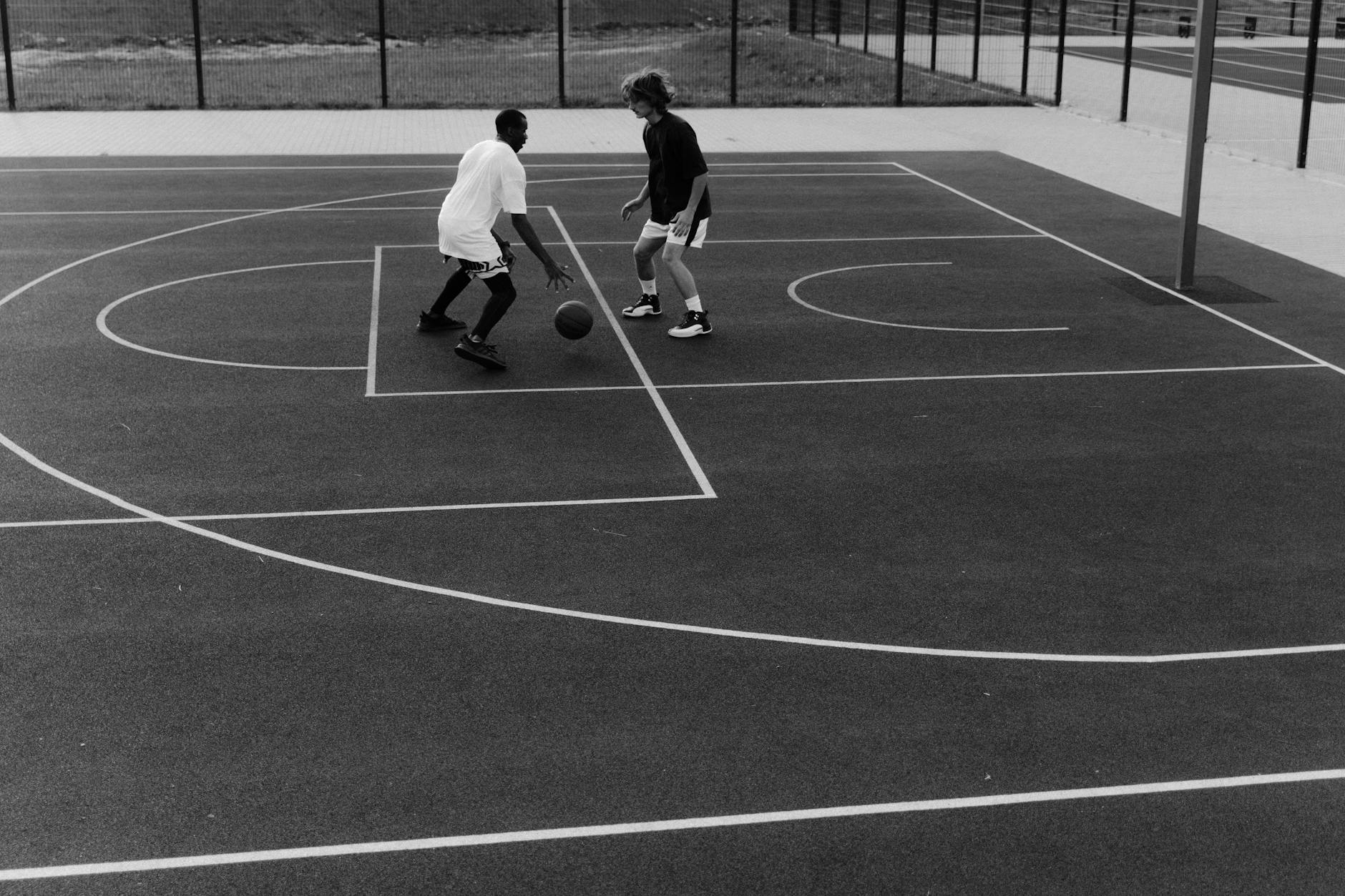
Photo by Tima Miroshnichenko on Pexels.com

This is some wild stuff happening between the circles. Minnesota’s Jaden McDaniels is guarding Steph Curry nose-to-nose more than 40 feet from the basket, no space between them, two guys sharing a shirt. The other eight players on the court might as well be in another galaxy; this dance in the exurbs is its own game. The player who has the ball is somewhere behind McDaniels, far outside his sphere of interest. His mandate appears settled: He will go where Curry goes, and he will turn his attention to the ball if, and only if, he sees it in Curry’s hands.

The idea invoked is that the dribbling is taking place on the outskirts of a region. Forty feet out is a long way from the basketball and closer to the half-court line than the hoop.

But continue the spatial analogy. One issue is that some announcers say a three-point shot is from “downtown.” From Hunter S. Thompson:

My grudge against Brent Musburger has been smoking on a personal back burner for many years — since the early 1980s in fact, when Brent was covering the NBA Finals for CBS-TV, and it involves the word “downtown.”

That is when Musburger changed the language of sports forever when he kept repeating this ignorant notion that any basketball player firing off a long 3-point shot is shooting from “downtown.” (Celtics announcer Johnny Most might have coined the “downtown” trademark in the 1960s, but it was Musburger who beat it to death.)..

Downtown is where you score — not somewhere out in the wilderness, where people are far apart & not much happens. You don’t fire a long jump shot from Downtown, you fire it into Downtown. The Real definition of “Taking it downtown” is to suddenly drive to the basket & into a cluster of 7-footers who seem to have you sealed out — like Iverson launching himself at Robinson & Duncan & dunking it over them. To think Otherwise would be to think like a Baseball Writer, or like Brent Musburger.

Thompson did not like the term and he points out that it makes more sense to say downtown is right where the basket is. If downtown is at the center of the city and the region, why would taking a three-pointer be from downtown?

If the basketball court is likened to American geographic categories, how about downtown is under the basket, the city is the paint, the suburbs span between the paint to just outside the three-point line, the exurbs are between the normal three-point shots and the half-court line, and rural areas are in the backcourt. That is probably too many categories but it more accurately applies categories Americans use.

More colleges in places with higher costs of living

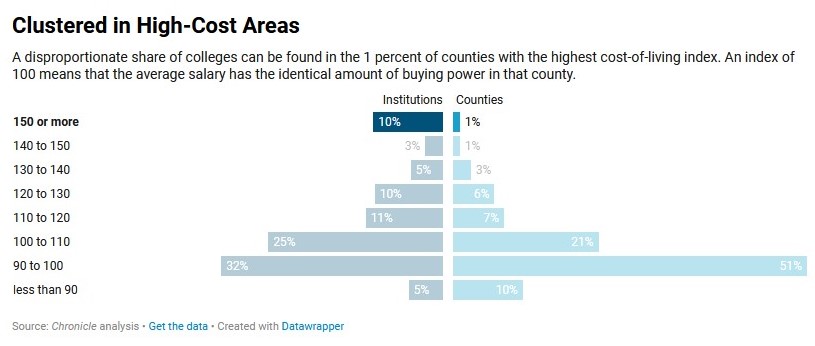
Where do colleges tend to be located? This graph in The Chronicle of Higher Education uses one metric:

Two quick thoughts in response:

  1. Does the presence of these colleges over time help contribute to a higher cost of living? I am reminded of Richard Florida’s argument about the creative class. If I remember the analysis correctly, places with colleges tend to have higher percentages of creative class residents. And he suggests colleges and universities can help attract people and development.
  2. When Ben Norquist and I looked at the locations of smaller Christian colleges, we found they tended not to be in the biggest cities (which account for some of these higher cost of living places). In contrast, research schools are often in big cities according to the article: “Almost a third, or 32.2 percent, of colleges in The Chronicle’s analysis were in counties where cost of living was at least 15 percent higher than the national average. The types of institutions found in these expensive regions tended to vary. About 10 percent of doctoral-granting universities and 23 percent of four-year special-focus institutions (like those specializing in health professions or religious training, for example) are in the priciest 1 percent of the nation’s counties, where the cost of living is more than one-and-a-half times the national average. In contrast, nearly half of associate- and bachelor’s-granting institutions were in counties with below-average costs of living.”
  3. The other category with a larger percentage discrepancy is among the percentage of institutions in counties at 90 to 100 in cost of living.

When American big cities devote much of their land to single-family homes

The big city in the United States is dense. It has tall buildings and busy streets. There are plenty of apartments and mixed-use structures. They look and feel different than suburbs, small towns, and rural areas.

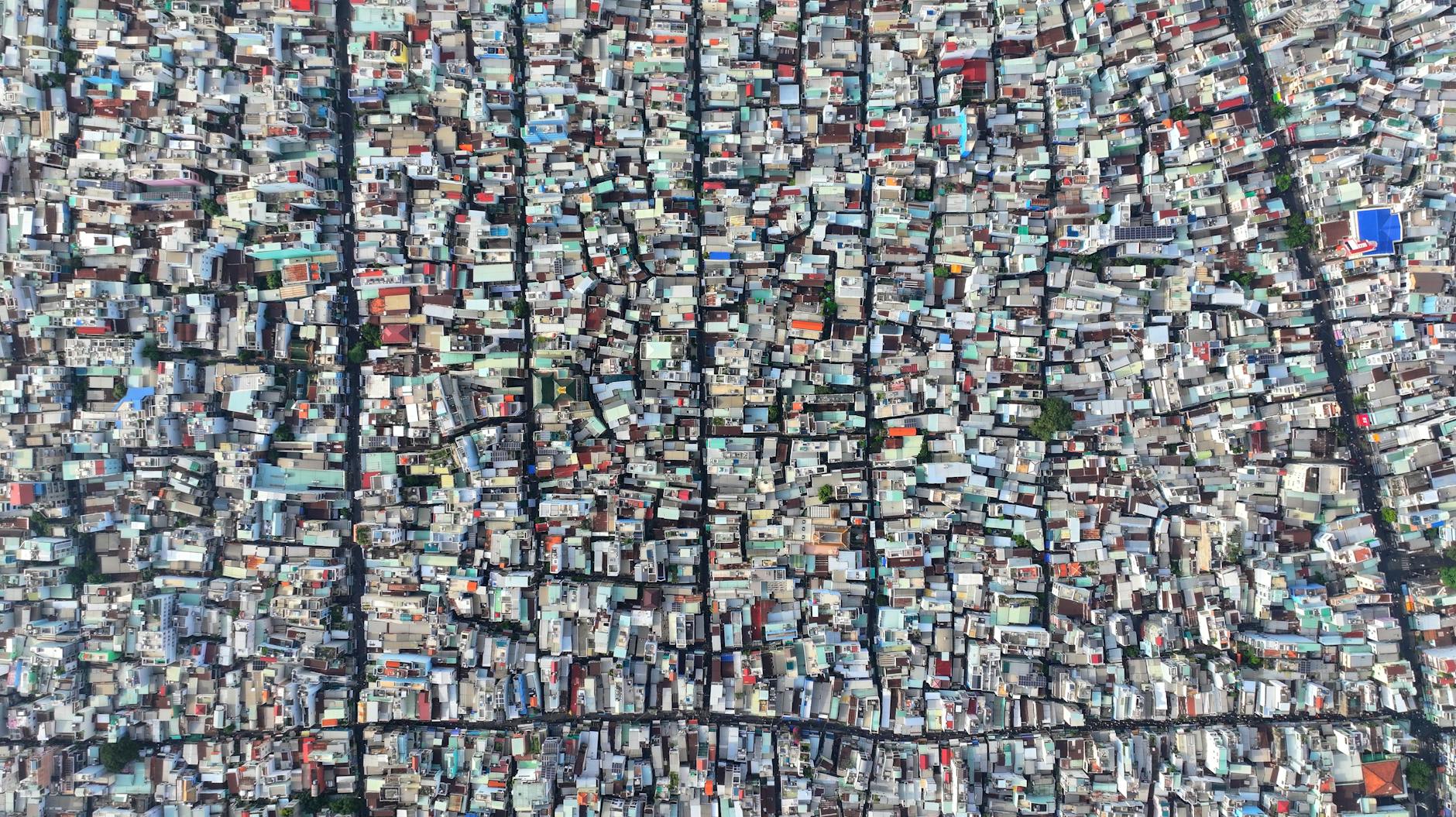
Photo by Phu Nguyen on Pexels.com

But even American cities have lots of single-family homes. Chicago, for example, has a lot of land devoted to single-family homes:

More than 40% of the city is zoned for single-family housing…

This figure might even be higher in other cities, particularly sprawling ones.

What might this figure mean? Some thoughts:

  1. Denser populations can fit into less space. But the amount of space given to one kind of land use, homes in this case, still matters.
  2. These neighborhoods and residents are going to get at least some attention and representation. Their interests might converge and diverge in important ways from interests of other locations and residents in big cities.
  3. This fits with an American emphasis on single-family homes, even if these homes happen to be in cities.
  4. Suburbs are in between cities and more rural areas. Are city neighborhoods of single-family homes often in between denser populations and suburbs? Do these city places feel more like suburbs or like life in different densities in the big city?

Another way to think about this percentage: even the places that Americans tend not to associate with houses and the lives that go with them have lots. of single-family homes.

Unique noise features in populated areas

People might generally think of cities as noisy. Amid this volume level, there can be unique noise phenomena in cities and populated areas. Here are two examples, starting with temperature inversion layers:

Photo by Anthony ud83dude42 on Pexels.com

Temperature inversion layers, like the one happening the night Tamblyn heard Billy Joel from her backyard, occur when cool air gets trapped underneath a layer of warm air.

The warm air prevents the cool air from rising, along with smog and sound. The sound waves bend away from the inversion layer and back to the ground, bouncing across further distances.

This is more likely to happen during the fall season, as well as during certain times of day.

The second example involves different kinds of surfaces:

Skyscrapers lining the street can amplify city sounds, according to acoustic consultant Scott Pfeiffer.

That’s because sound waves easily reflect off rigid, hard surfaces, like glass and brick, Pfeiffer said. Sounds bounce back and forth like the two sides of the street are playing tennis.

The end result is a sound “canyon,” which often creates an echo…

Trees, grass and other plant life act as natural absorbers and deflectors of sound.

Three thoughts in response:

  1. Does public noise matter less in an era where lots of people use AirPods and other headphones? People have used headphones for decades but the noise-cancelling features of today’s devices plus their ubiquity might mean more people are in their own soundscapes.
  2. If cities are greener in the future, particularly with more plants and greenery among the buildings, does this mean they would be quieter? Having fewer motorized vehicles could also help.
  3. It is common to think of cities in terms of neighborhoods or scenes. These are often defined with physical boundaries. Do sound boundaries roughly match these boundaries or are there different sonic neighborhoods in places?

River deltas in miniature, sandy form

With river deltas providing rich farm land plus access to other places via the river and what the river connects to, deltas around the world have been important sites for human settlements.

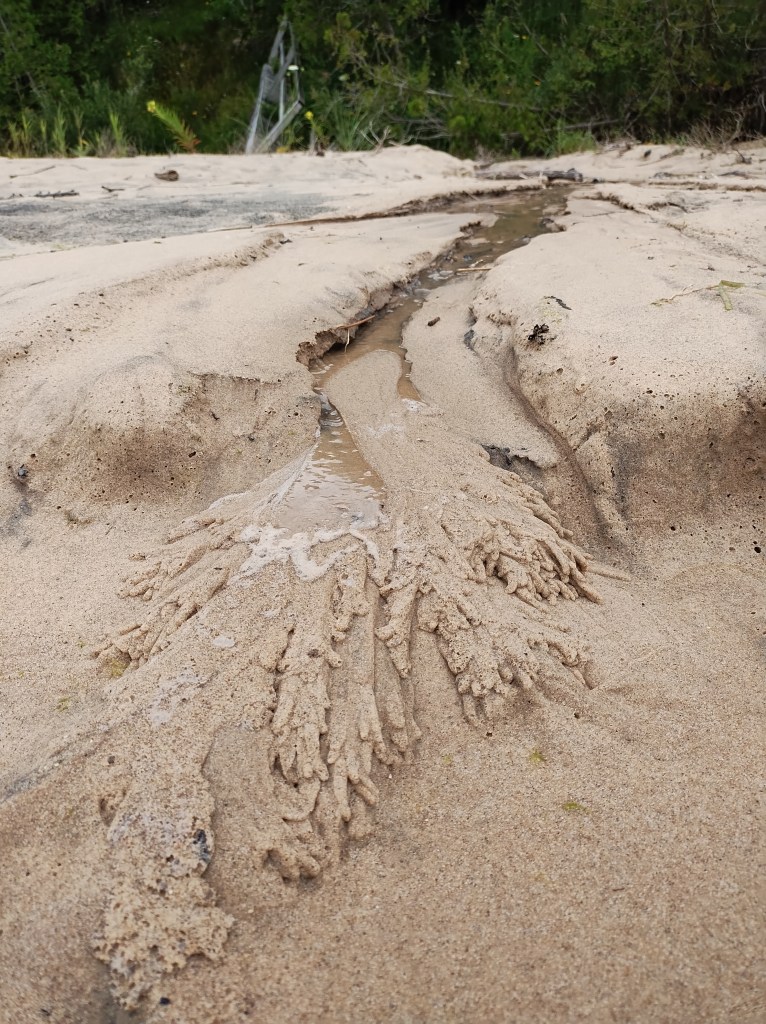
On a recent trip, I found a spot where water flows down a bluff before heading for a large lake. Here is what it can look like:

The image shows how even a small flow of water, strengthened by recent rains, can push sand in a distinctive pattern. With enough water, the delta would grow and the stream would cross the beach and make it to the lake.

Even in a world devoted to technology and online activity, how many major cities and nations continue to rely on deltas and settlements at the mouth of rivers?

(See an earlier post about another depiction of a delta – this depiction made by humans.)

Proximity to population centers means warehouses for rural areas

If you live in a rural town in the United States that is close to a number of population centers, warehouses may be in your future (if they are not already):

Photo by ELEVATE on Pexels.com

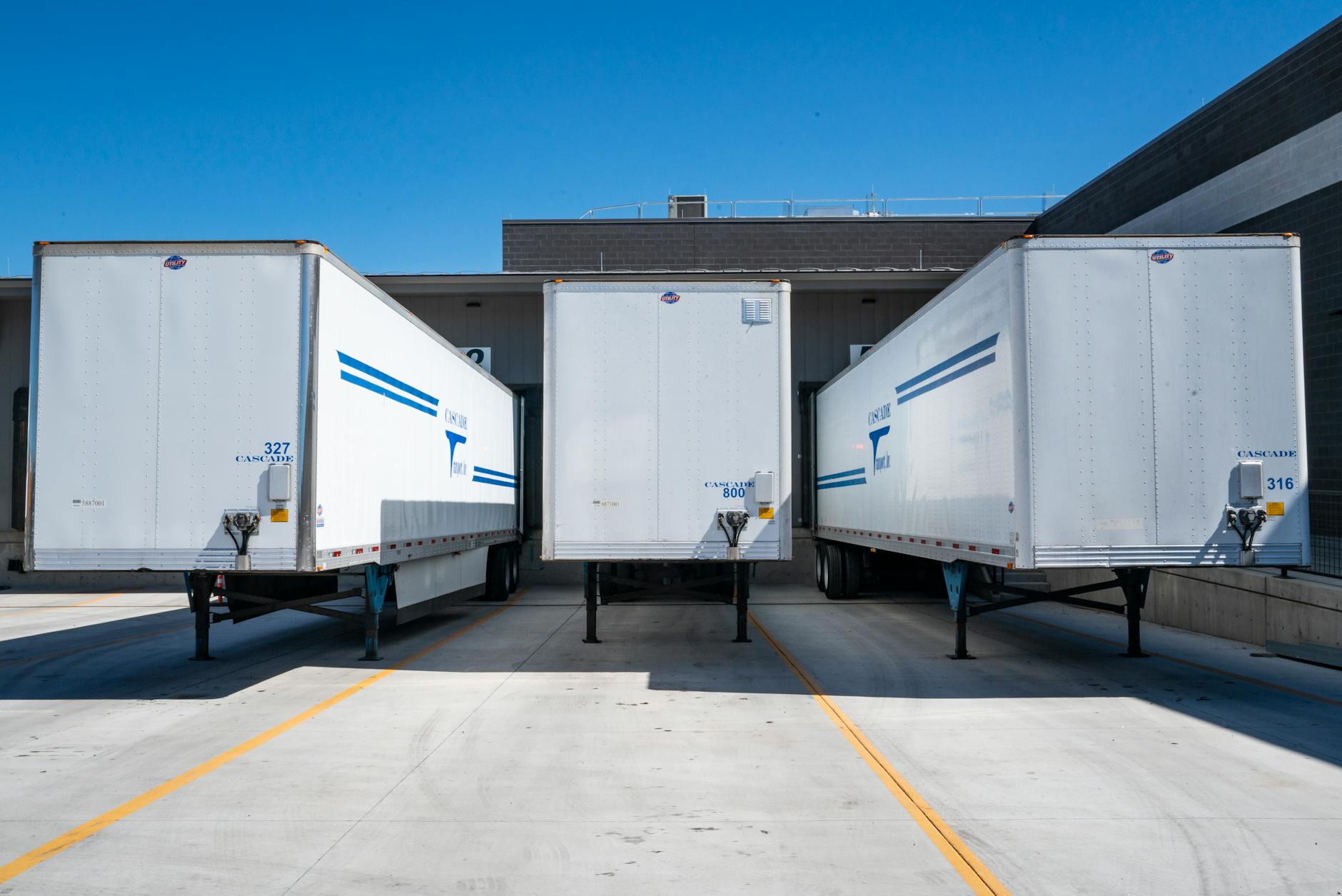
Shippensburg, Pennsylvania, and nearby rural towns like it are being drastically transformed into distribution hotspots for major retailers like Amazon and Walmart – to the dismay of some longtime residents.

With its endless acres of farmland, the tiny town is seemingly the perfect location for huge warehouses – and it is at most a day’s drive away from one-third of the US population and half of Canada‘s, making it the ideal delivery truck epicenter…

P&G, which owns Charmin, Crest, Gillette and Pampers, was one of the first to do so in 2014, followed by Amazon.com, DHL, FedEx, Home Depot, Kohler, Lowe’s, Office Depot, Pepsi, SC Johnson, Staples, Target, Ulta Beauty, Unilever and UPS, among many others…

What’s happening in Shippensburg is similar to what’s already happened to California’s Inland Empire, which used to be a major center of agriculture. Now, this area of southern California is the nation’s warehouse capital, home to Amazon and Walmart facilities.

Take out a map, draw circles around major population centers, and see the places where these circles intersect. That places like Shippensburg could be so close to so many people marks it for these changes.

This could help remind people of the ongoing connections between cities and rural areas. In today’s changing world, it is not just about farming versus commercial and industrial activity; the two spaces are tied together by trade, social networks, and an awareness of each other.

A big city as “sociological soup”

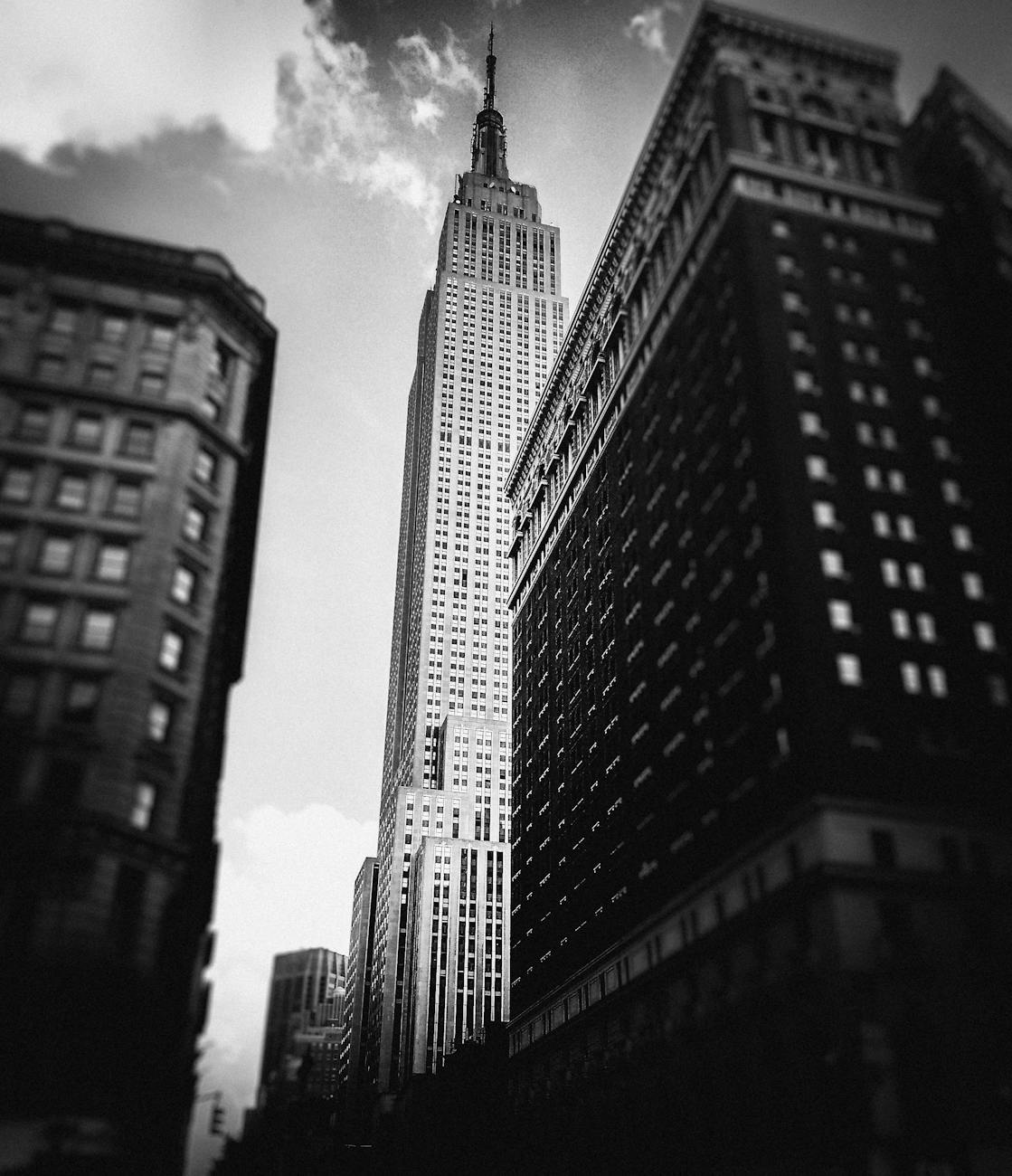
An economist writing about skyscrapers describes seeing New York City from the Empire State Building in a unique way:

Photo by Nextvoyage on Pexels.com

Together, the center becomes a chaotic yet controlled sociological soup: the mix of the mundane with the mighty. Looking down from the Empire State Building, I can see it all.

Is this a different version of the salad bowl metaphor for society (opposed to a melting pot)?

This reminds me of sociologist Robert Park calling the city a laboratory. Does suggesting it is a soup imply different things about the city?

I wonder if anyone has compiled a large or comprehensive list of metaphors for big cities. Given that they are relatively rare and in human history (a few large cities in the past not withstanding), what are frequent or unique images used to try to understand them? How many metaphors invoke food?

How to rank skylines – with Chicago finishing 3rd in the world

Architectural Digest has a new ranking of city skylines. Here is their methodology:

Photo by Pixabay on Pexels.com

The world’s most beautiful skylines are more than just collections of buildings placed close together: They’re the façades of entire cities, the front doors to many of the earth’s most vibrant metropolises. It’s these man-made horizons that often offer the first impression to visitors and imbue a sense of home to returning locals. But what exactly makes a beautiful skyline? One that is immediately recognizable? Those that are the most harmonious? The cities with the greatest number of individually striking buildings? The answer, is of course, some collection of all of the above. Like when discussing most aesthetic disciplines, visual examples are far more powerful than description will ever be. To that end, AD has rounded up 17 of the world’s most beautiful skylines, covering notable favorites like New York City and Shanghai as well as some lesser-known stunners that deserve more acclaim.

I do not know if it is better to simply make a subjective ranking or to have a pseudo-scientific ranking of weighted factors. As noted above, there are at least a few factors that could be considered. Here is what I might include:

  1. The most tall buildings. Would places with more tall skyscrapers automatically rank higher?
  2. The most lauded buildings. Does this come back to you particular architectural styles? Or the architects connected to them? Or the number of social media images with each building in them?
  3. The setting of the skyline. Does the view of the buildings include water or mountains or another impressive natural feature or other built features (the rankings above mention bridges)?
  4. The age of the skyscrapers. Does it matter if many of the buildings are older or if many are newer?
  5. The tourism connected to the skyline. Do people come to this place to see the skyline? Would someone go out of their way on a visit to try to take in the whole skyline?
  6. The opinions of a range of experts. What do they see as the best skylines? It could be interesting to see who is considered a skyline expert.

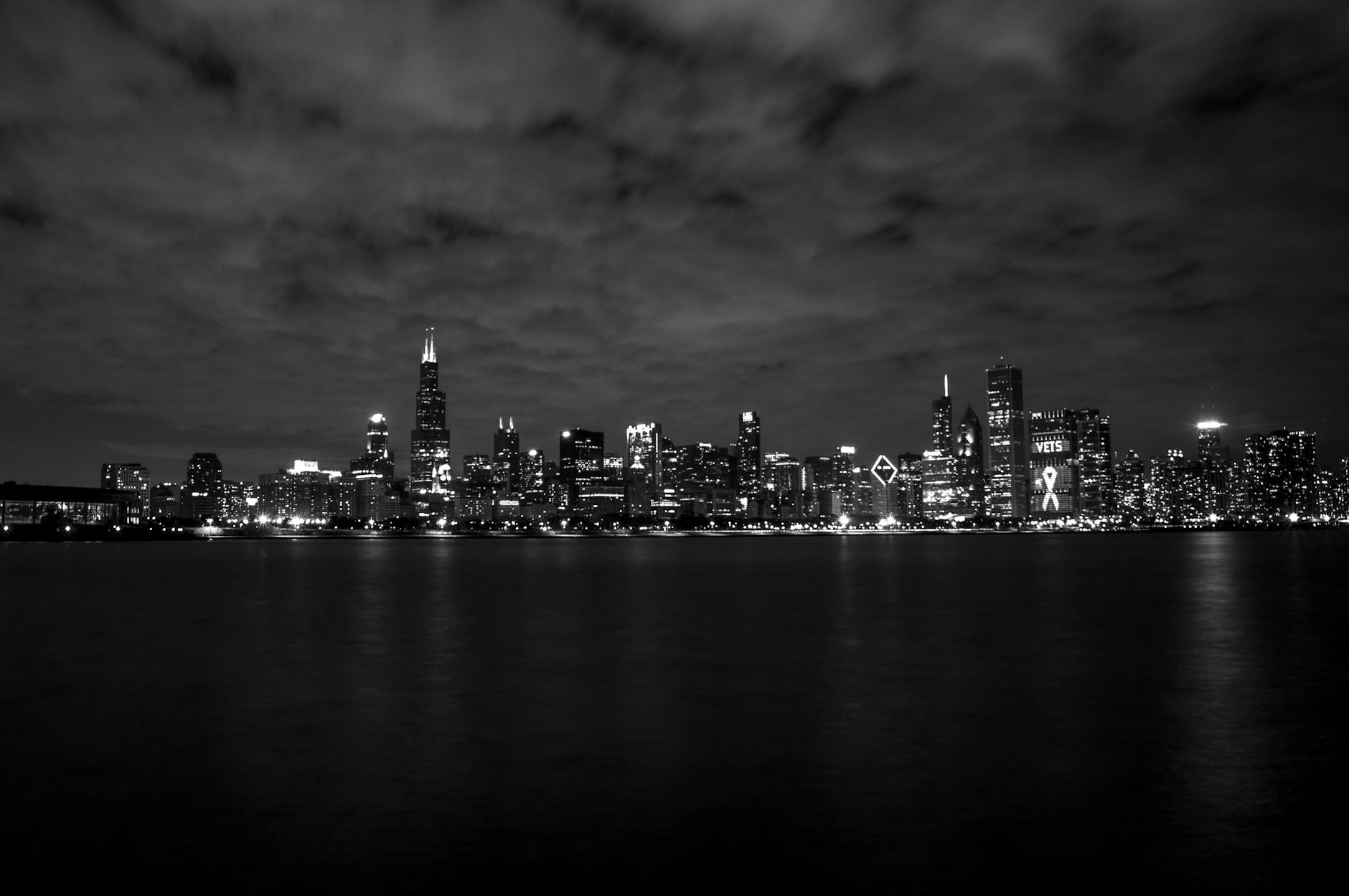
And among these possibilities, Chicago ranks #3. Here is the description:

Hugging the shores of Lake Michigan, Chicago is the third most populated city in the United States. The Midwest metropolis is made famous by many striking supertalls, such as Willis Tower, Vista Tower, and Marina City.

Several factors stand out: a setting on a vast body of water, a large population center, and multiple “striking supertalls.” Does Chicago get more points because of the number of tall buildings or the architects and styles connected to the skyscrapers or the longevity of the skyline or the tourism in the city?

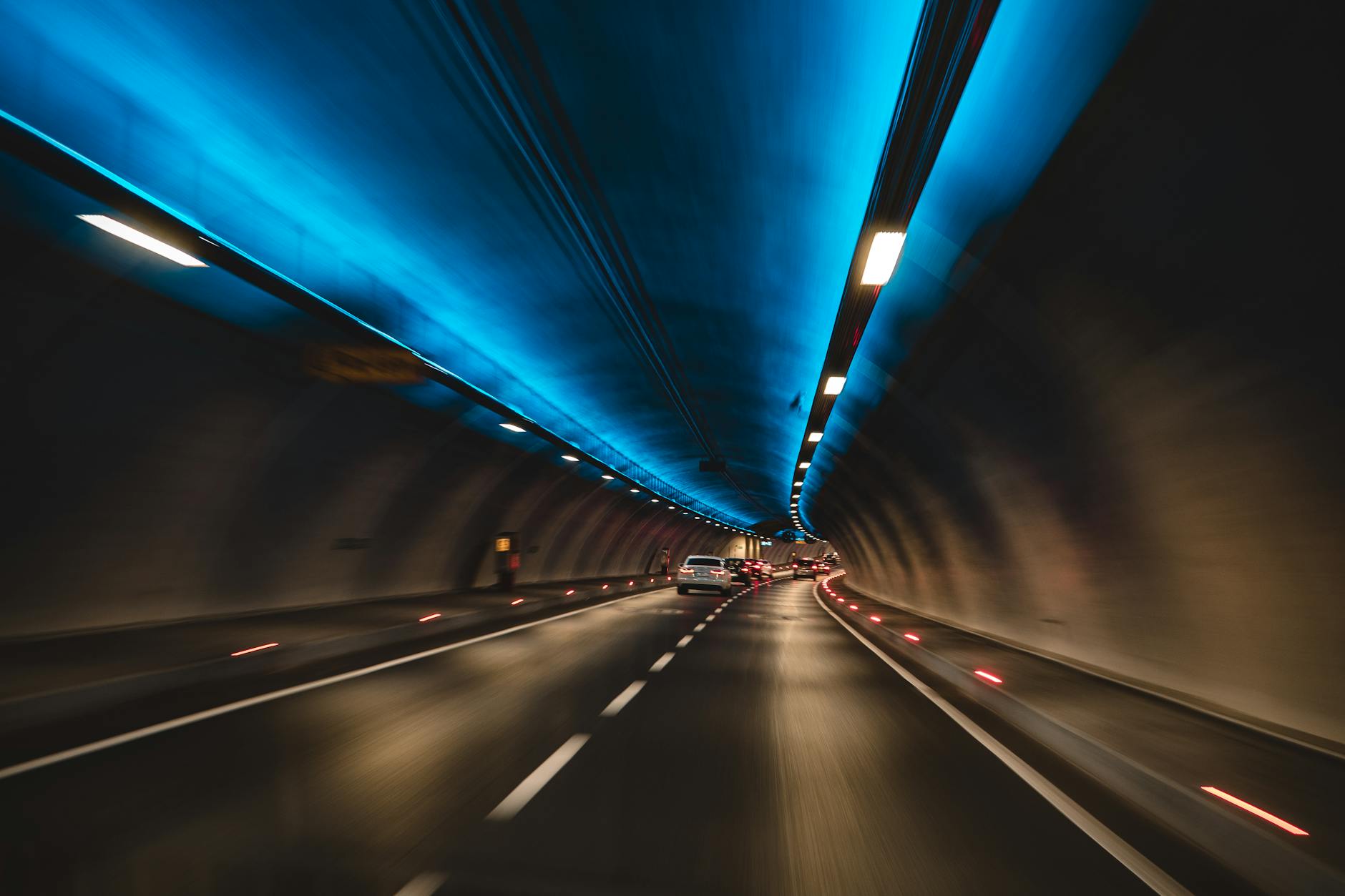
The future of driving beneath cities

Might a short roadway under Las Vegas built by The Boring Company hint at a future of underground urban driving?

Photo by Burak The Weekender on Pexels.com

Tunnels allow more hybridization of ground-level activities, he said. Pedestrians on the earth’s surface can more easily walk without car infrastructure.

Menard added that residents can look to Singapore, a country that has heavily invested in tunneling, as an example.

On the ground, the country has developed a strong recreational economy with expansive pedestrian walkways.

Underground, citizens can easily transport from one area of the country to another.

For those who would like cities to be less oriented around cars, could this be a solution? Moving cars and trucks underground would open up space, move the noise and traffic out of sight, and make the surface safer.

From an infrastructure standpoint, in how many cities would this be possible? Can tunnels underground work in every city given conditions underground and what may already be down there? (And then there is the potential cost to get it all up and running – I assume this is a large cost.)

Finally, how would drivers react to moving mostly underground? This can be done now in some places but it is certainly a different environment to drive in. (Experiencing Lower Wacker Drive in Chicago is instructive.) Imagine underground traffic. Or being down there for half an hour or more before emerging to daylight.

When major water pipes break in a major American city

Water is generally taken for granted in American cities and metropolitan areas. So when major pipes break in Atlanta, it has major ramifications:

Photo by Nithin PA on Pexels.com

Atlanta’s Department of Watershed Management announced water service would be halted at 5 p.m. Friday in much of Atlanta, including all of downtown, so crews can work to repair breaks on a 48-inch and 36-inch transmission line “that carries large volumes of water to the metropolitan area.”

Just after 2 p.m., the Watershed Management Department issued a boil water advisory “out of an abundance of caution.” The advisory affects any Atlanta water customers who have experienced a water outage or low water pressure. The order was still in place on Sunday afternoon, even though repairs were completed on the major break near Joseph E. Boone Boulevard. Other repairs were continuing.

More details on water main breaks and pipes in Atlanta:

The problems began Friday morning where three large water mains intersect just west of downtown. Wiggins said at a Saturday news conference that at least some of the pipes that burst were old and corroded. With pipes coming together in a confined area, it was a tight squeeze to make repairs, with only one worker at a time working in the manhole accessing the junction. Repairs were completed Saturday evening, officials said.

Another water main later burst in the city’s Midtown neighborhood, which is studded with new office, hotel and apartment towers. Wiggins said Saturday that officials weren’t sure yet why that pipe had broken. That leak continued to gush through the city streets Sunday. City officials said Saturday that they were working on ways to isolate the leak from the larger water system and were awaiting a part needed to repair to the pipe. Dickens declared a state of emergency so the city could buy materials and hire workers without following the normal purchasing laws.

Faltering infrastructure is a common story in older parts of American cities. Atlanta has spent billions in recent years to upgrade its aging sewer and water infrastructure, including a tunnel drilled through 5 miles of rock to provide the city more than 30 days of stored water. Last month, voters approved continuing a 1-cent sales tax to pay for federally mandated sewer upgrades. The city at one time routinely dumped untreated sewage into creeks and the Chattahoochee River.

What are the odds of multiple major breaks in one weekend? Is the best way to address this to completely update the system?

Vital infrastructure is not just built once and then runs forever. It needs to be maintained. Expanding regions and changing conditions may require major updates. Constructing these systems in the first place required a lot of work; keeping these systems fit for the future may require even more.

Some stories in recent years have drawn attention to urban water issues. Water problems in Flint. Lead pipes throughout Chicago. Drought in California. Addressing these issues might not be exciting but it is essential to current residents, let alone visions of a bright future.

I imagine there is some sort of story that already tackles this but what happens in a large city if there is no water for more than a few days. What happens? Who is prepared?