The Vintage 2023 population estimates show broader trends reflecting pre-pandemic norms, with fewer deaths and an increase in migration spurring growth. The net result was a gain of more than 1.6 million people in the past year, a 0.5% increase that brought the total U.S. population to 334,914,895…
Overall, 42 states saw population increases this year, topped by Texas, Florida, North Carolina, Georgia, South Carolina, Tennessee and Arizona.
The South accounted for 87% of the nation’s population growth, adding more than 1.4 million residents. The Midwest reversed a two-year slide, adding more than 126,000 people for a modest 0.2% increase. The West region also saw a 0.2% increase, while the Northeast declined by 0.1%, according to census data.
The South is the only region that sustained its population growth throughout the pandemic, fueled by both domestic and international migration.
The ongoing population shift to the Sunbelt continues. It may not last forever but this is a consequential in-process change that affects numerous aspects of American life.
“They would build homes with transoms over the doors and over the windows,” Dr. Diaz explained. “They would build homes with the front door and the back door in complete alignment — you could basically create a wind current through the house.”
Days were structured around the heat, waking at 4 a.m. to work outside, then taking breaks and eating a big meal in the middle of the day…
The ascendance of air-conditioning was a transformative force in the South, facilitating the rise of suburbs and making the region less forbidding for companies that wanted to move in. Now, transoms and rising early have been replaced with drive-throughs and attached garages and cranking up the A.C. — for people with the means and jobs that allow it.
“People are so completely dependent on air-conditioning,” said Craig E. Colten, a professor of geography at Louisiana State University. “You run around on our campus and you see people going between classes in shorts and sweatshirts because the air-conditioning is so ramped up.”
Even as air conditioning makes inside activity more possible, it would be interesting to see how much activity during the hot months takes place inside compared to the rest of the year. If people in colder climes spend more time inside during the cold months, is the same true in the South during the summer?
Mattie Parker, the mayor of Fort Worth, Texas, says a focus on crime, homelessness, parks and reliable infrastructure has positioned the city of 950,000 as an attractive alternative to Chicago, San Francisco and New York, which have struggled with perceptions of deteriorating safety in the aftermath of Covid-19.
The 39-year-old Republican, broadly considered to be a moderate in deep-red Texas, says that Fort Worth’s pitch to lure businesses highlights its roots (the city’s slogan is “Where the West Begins”) and small-town vibes, even if its stockyards are now more of a tourist draw than a genuine agricultural enterprise. The nostalgia for cattle ranching and cowboys generated by the hit television series Yellowstone and 1923 — created by Taylor Sheridan, who partly grew up in Fort Worth — are only adding to its allure.
“Fort Worth continues to be an incredibly unique city that is very proud of our Western heritage,” Parker said in an interview at City Hall, where a display case held shovels from groundbreaking ceremonies over the years. “And the timing couldn’t be better because of this fanfare and frenzy over Yellowstone and 1923.”
In Fort Worth, it’s common to see cowboy hats and boots paired with a tailored suit. Unlike nearby Dallas, which mostly feels like any other major metropolis, Fort Worth embraces its sense of place. There’s plenty of live country music, two-step dancing and Tex-Mex cuisine.
This is a long list of reasons for growth. Additionally, Fort Worth is part of the growing Sun Belt.
I would be very interested in seeing some data regarding the connection between a popular television universe and population growth in a particular city. Are these shows also causing population growth in Montana? It makes sense for a local leader to make the connection to a show people like as it is always helpful to have good press.
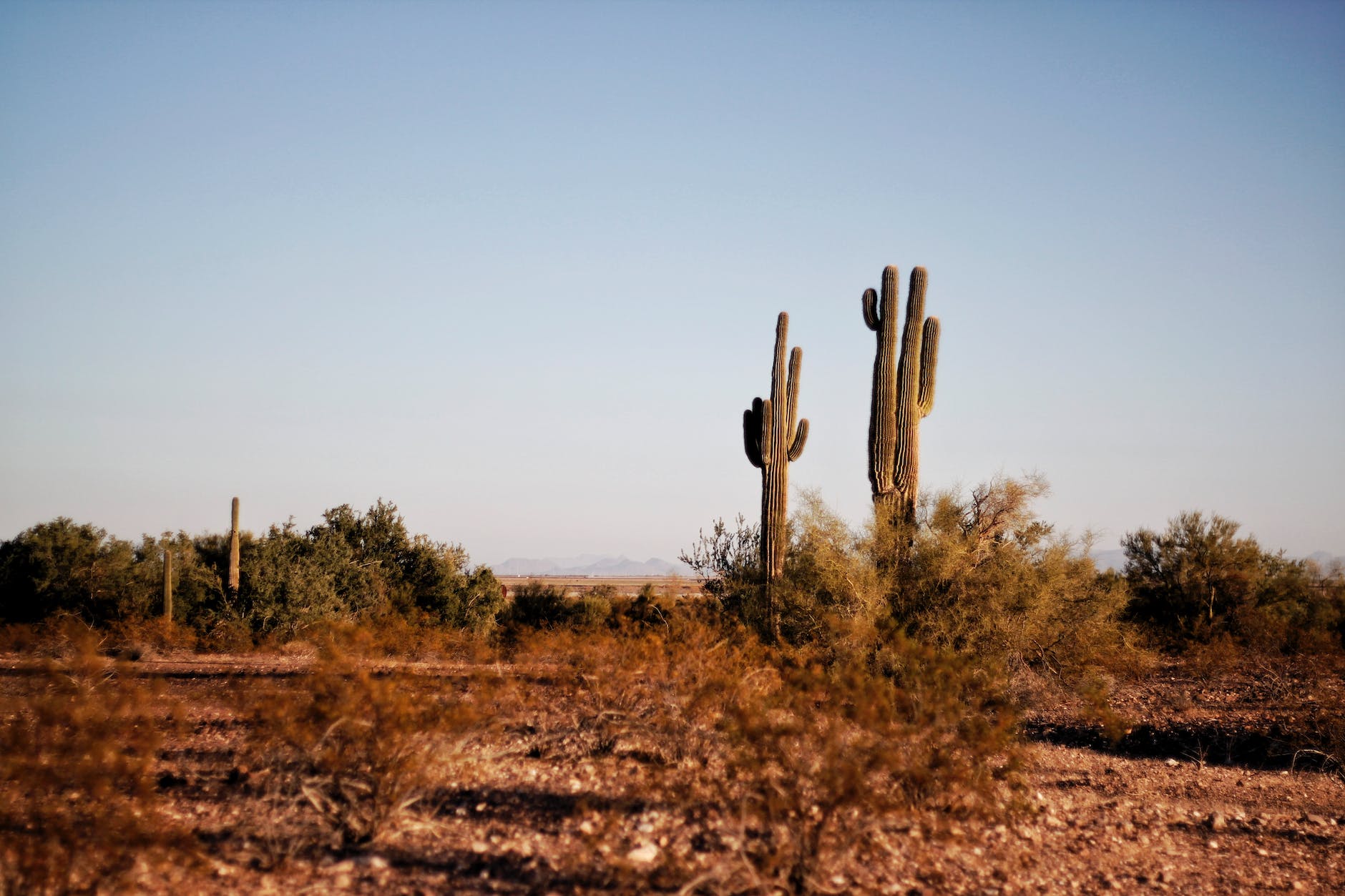
“Why would anyone live in Phoenix?” You might ask that question to the many hundreds of thousands of new residents who have made the Arizona metropolis America’s fastest-growing city. Last year, Maricopa County, where Phoenix sits, gained more residents than any other county in the United States—just as it did in 2021, 2019, 2018, and 2017.
At its core, the question makes a mystery of something that isn’t a mystery at all. For many people, living in Phoenix makes perfect sense. Pleasant temperatures most of the year, relatively inexpensive housing, and a steady increase in economic opportunities have drawn people for 80 years, turning the city from a small desert outpost of 65,000 into a sprawling metro area of more than 5 million. Along the way, a series of innovations has made the heat seem like a temporary inconvenience rather than an existential threat for many residents. Perhaps not even a heat wave like this one will change anything…
Outside the summer months, the quality of life in Phoenix is really quite high—a fact that city boosters have promoted stretching back to before World War II. They traded the desiccated “Salt River Valley” for the welcoming “Valley of the Sun.” Efforts to downplay the dangers of Phoenix’s climate go back even further. In 1895, when Phoenix was home to a few thousand people, a local newspaper reported that it had been proved “by figures and facts” that the heat is “all a joke,” because the “sensible temperature” that people experienced was far less severe than what the thermometers recorded. “But it’s a dry heat” has a long history, one in which generations of prospective newcomers have been taught to perceive Phoenix’s climate as more beneficial than oppressive.
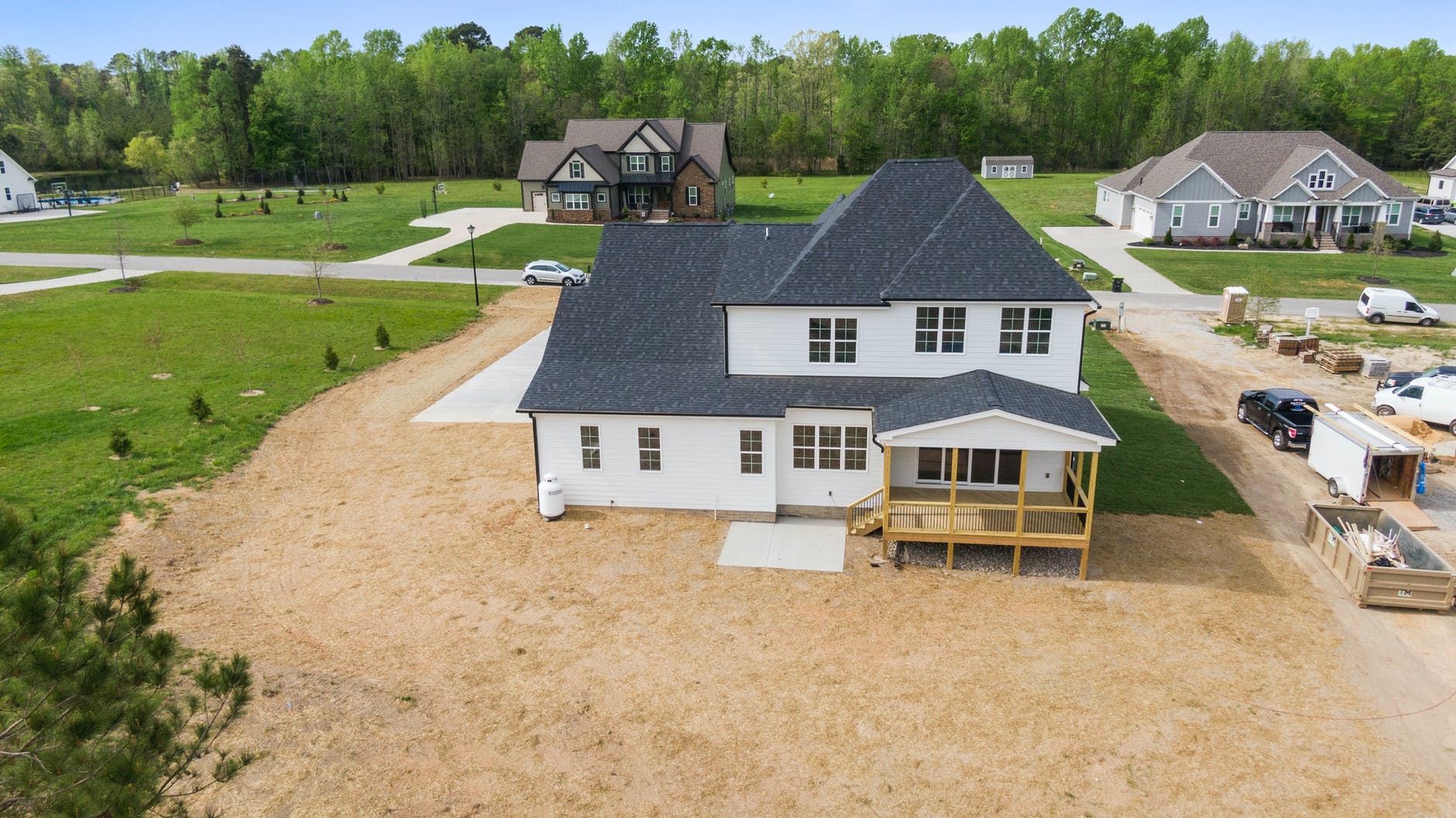
Most people surely move to Phoenix not because of the weather, but because of the housing. The Valley of the Sun’s ongoing commitment to new housing development continues to keep housing prices well below those of neighboring California, drawing many emigrants priced out of the Golden State. Subdivisions have popped up in irrigated farm fields seemingly overnight. In 1955, as the home builder John F. Long was constructing Maryvale, then on Phoenix’s western edge, he quickly turned a cantaloupe farm into seven model homes. Five years later, more than 22,000 people lived in the neighborhood; now more than 200,000 do. Even today, the speed of construction can create confusion, as residents puzzle over the location of Heartland Ranch or Copper Falls or other new subdivisions that include most of the 250,000 homes built since 2010…
“Why would anyone live in Phoenix?” serves as nothing more than a defensive mechanism. It makes peculiar the choices that huge numbers of Americans have made, often under economic duress—choices to move to the warm climates of the Sun Belt, to move where housing is affordable, to ignore where energy comes from and the inequalities it creates, and, above all, to downplay the threats of climate change. In that way, Phoenix isn’t the exception. It’s the norm.
At some point, such growth may not be possible. For example, water supplies might not hold up. Or, Americans might decide a car-dependent life is no longer as desirable.
Another big factor that might slow growth is rising housing prices. If cheaper housing is indeed driving many people to Phoenix, more expensive housing might send people elsewhere. Phoenix is not the cheapest market people could go to. Right now it is popular and growing but this does not necessarily have to last.
In most U.S. cities, traffic is less congested than it was in 2019, as fewer people commute to offices, according to mobility data company Inrix. In some Sunbelt cities, such as Miami, Nashville and Las Vegas, where the population has surged in recent years, it has become worse.
These cities also attracted more companies and tourists during the pandemic. Local roads, built decades ago for a much smaller population, are struggling to accommodate the new reality.
“They way underestimated their growth,” said Robert Cervero, professor emeritus of city and regional planning at the University of California, Berkeley, College of Environmental Design…
Sunbelt cities are particularly vulnerable to congestion because of poor public transit. Driving in New York City’s rush hour can be bumper-to-bumper, but many people take the subway. Most southern cities offer no such alternative…
For now, Sunbelt states are hoping to fight congestion by adding more roads and express lanes. Tennessee lawmakers are considering a proposal to add toll lanes on state roads. Florida Republican Gov. Ron DeSantis recently proposed spending more than $5 billion on highway construction and more than $800 million on rail and transit throughout the state.
Growth is good in the United States – until it threatens some of the attractive features of places that brought people there in the first place.
At what point do residents and businesses not move to growing regions because of congestion? These Sunbelt cities continue to have numerous attractive features even if they have more traffic.
Adding lanes to roads may appear proactive but it can lead to more attractive as more drivers think there is capacity. Considering mass transit is necessary but complicated by suburbanites who do not necessarily want transit to reach them, high costs to get basic mass transit in place (though this could help save money down the road), and limited interest in denser development.
Do smaller cities offer advantages here? I have heard this argument before: you can have more rural property conditions within a ten to twenty minute drive of the main shopping areas or the downtown. Achieving this is more difficult in a more populous area where there is more competition for land.
The number of residents in the Loop — as the city’s central business district is known — grew by almost 9% since 2020, according to estimates from the Chicago Loop Alliance…
Population in the Loop, an area bounded by the Chicago River on the north and west sides, stands at 46,000, with the number of residents expected to grow another 17% by 2028, the group estimates. About 95% of residential properties are occupied, up from the pandemic low of 87%, and a rate that exceeds 2019 levels…
Most of the Loop’s population is 25 to 34 years old, with more than 80% living alone or with one person. Almost half don’t own a car and the majority cite the ability to walk to places, the central location and proximity to work as top reasons for living downtown…
The future of the Loop will also be more residential. Another 5,000 housing units are expected to be added by 2028, bringing the district’s total population to 54,000, according to the report. The estimates assume the global economy avoids a major recession, that the cost of building doesn’t become prohibitive and that city incentives to convert commercial blocks into homes move forward. Crime, rising property taxes and developments elsewhere are also threats to the forecast.
Regardless of the larger context of what has happened in the Loop in the last few years, I am guessing this data point will be used to support development and civic plans.
“Moving to a boomtown at its earliest stages can be a great opportunity for entrepreneurs and investors, as there’s still plenty of room for growth. And for those who are looking for a job, there are usually plenty of opportunities available in rapidly growing cities,” says Edith Reads, senior editor at TradingPlatforms. “However, if a city has already reached its peak, it may be too late to get in on the action. In this case, it may be wiser to wait until the city’s growth slows down before making the move. This way, you can avoid getting caught in the midst of a housing or job crunch.”
In other words, a resident or business wants to get in on the earlier parts of the boom, not in the latter stages or after it is over. Why? A few reasons listed above:
There is money to be made. Whether owning a business or a home, an investment early on could pay off down the road. (For more on American homes as investments, see this earlier post.)
A growing community means numerous job opportunities.
Mess up your timing in moving to one of these boomtowns and these two opportunities are not as good.
Another thought that is not accounted for in this ranking: how does the community change because of the boom period? Is it just as an attractive place to live and work after the rapid population growth? How do the old-time residents view the change? If the community grows enough, it will not exactly be the same place. Ultimately, other boomtowns will reign in future years. Will the boomtown be a good place to be in a few decades?
Fort Myers, FL – a central city in Cape Coral-Fort Myers MSA
Casa Grande, AZ – suburb of Phoenix
Maricopa, AZ – suburb of Phoenix
North Port, FL – a central city in North Port-Brandenton-Sarasota MSA
Spring Hill, TN – suburb of Nashville
Goodyear, AZ – suburb of Phoenix
Port St. Lucie, FL – central city of Port St. Lucie MSA
Meridian, ID – suburb of Boise
Caldwell, ID – suburb of Boise
Nampa, ID – suburb of Boise
This is not just about the Sunbelt continuing to grow, as I saw in several headlines, but also about suburban and metropolitan growth in the Sunbelt. Many of these regions continue to grow, such as Austin, Phoenix, San Antonio, Nashville, and Boise, on the edges.
The list of the fastest growing communities by the absolute number of new residents was also weighted toward suburbs.
The two enclaves of roughly 30,000 people reflect how Black migration patterns in the 21st century are changing the makeup of metropolitan areas nationwide. For decades, Black residents have been leaving some of the nation’s largest cities while suburbs have seen an increase in their Black populations. Those two trends have now spread to even more areas of the country, according to the 2020 U.S. census.
The patterns echo the “white flight” that upended urban landscapes in the 20th century. Like those who left cities before them, Black residents often move because of worries about crime and a desire for reputable schools, affordable housing and amenities. But there are key differences: Leaving Black city neighborhoods that are starved for investment is often more of a necessity than a choice, and those who do settle into new suburban lives often find racial inequities there, too.
From 1990 to 2000, 13 of the United States’ biggest cities lost Black residents. By 2020, it was 23. According to the census, roughly 54% of Black residents within the 100 biggest American metro areas were suburbanites in 2020, up from 43% two decades ago, according to Bill Frey of the Brookings Institution.
While New York, Los Angeles and Philadelphia all lost Black residents from 2010 to 2020, the change was especially notable in Chicago, which gained population but lost 85,000 Black people, the highest number after Detroit, according to the 2020 census. Those numbers could vary slightly, as the Census Bureau reported last week that 3.3% of the Black population was undercounted in the 2020 census, a rate higher than in 2010.
To summarize from the data presented above: among Black residents in the largest metropolitan areas in the United States, the majority now live in the suburbs.
This also adds to the ongoing complexity of the suburbs where populations and communities are changing. The suburbs are not static even as they might as a whole adhere to similar ideals and ways of life.
Rather, changes in home price growth, the supply of homes for sale and upticks in rock-bottom interest rates are more likely to stabilize the market after an unpredictable 2021, they said. That likely won’t mean an end to competition or high prices — and it doesn’t bode well for first-time homebuyers — but the market could ease up compared with 2021…
In the nine-county Chicago metro area, the median home sale price from January to November was $300,000, up nearly 12% over the same months in 2020, according to the Illinois Association of Realtors…
Prices are likely to rise next year, but won’t continue the exponential growth of 2021, said Daniel McMillen, head of the Stuart Handler Department of Real Estate at the University of Illinois at Chicago. Without an influx of new residents to the area or big increases in incomes, that growth will become unsustainable, he said…
Homebuyers are continuing to look for amenities like home offices and workout areas, Melbourne said. Kitchens are a priority. Condo-buyers are looking for bigger units, rather than one-bedrooms.
The pressure from COVID-19 moves will hopefully subside. Then, the more regular patterns in Chicago area real estate might take over again. There are at least several interrelated factors:
Uneven development within the region where some neighborhoods and suburbs will be popular and others not. Prices will go up in desirable places.
Construction of new residences has been down. What kind of units will be built? If recent trends hold, it will be housing aimed more at wealthier residents. Additionally, these units will be constructed in some locations and not others.







 Legally Sociable