
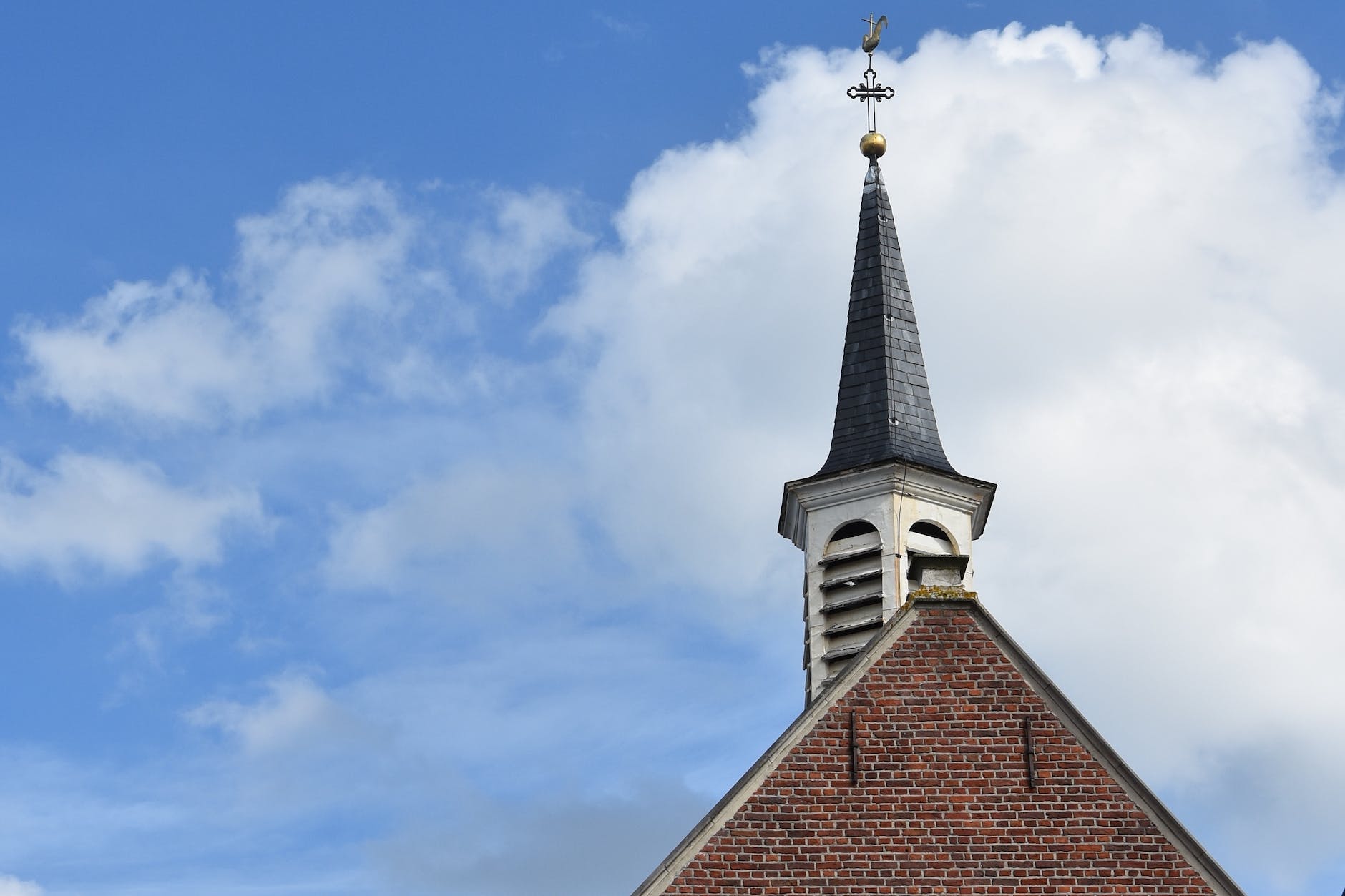
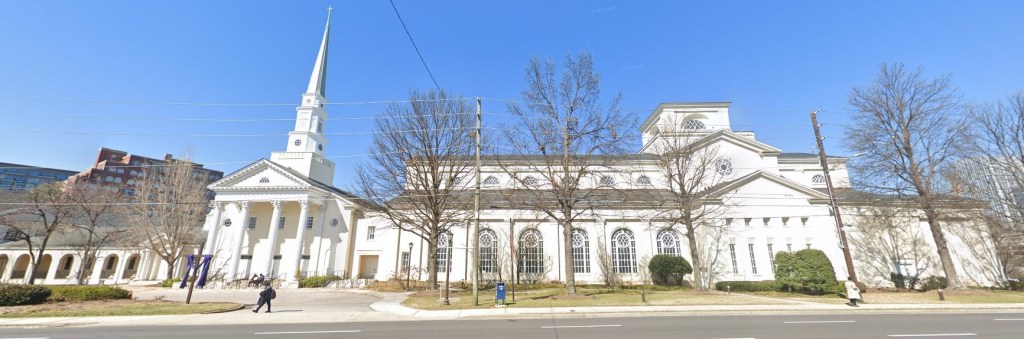
Seeking to grow revenue and do good, faith-based organizations are increasingly turning to their unused land and underused buildings as a solution to affordable housing. By the time Ms. Goff arrived at Arlington Presbyterian Church in 2018, Gilliam Place was already under construction.
“Our congregation had begun to ask itself, ‘What’s the point of us?’” Ms. Goff said. “It’s a big, existential question, and they had the sense that affordable housing was an issue they could do something about.”…
State and local governments are also recognizing the potential to increase housing stock. Andrew Gounardes, a New York State senator who represents southern Brooklyn, introduced a bill in December that, he said, would “streamline the process and the way in which religious institutions that want to help contribute to solving the state’s housing crisis will be able to develop affordable housing on their property.”…
Regardless of state laws, projects often face make-or-break decisions at the local level. Neighborhood buy-in is one small step in the journey, said the Rev. David Bowers, vice president of faith-based development initiative for Enterprise Community Partners, a national nonprofit developer. “There is NIMBYism, zoning approvals,” he said. “It’s the nature of the beast.”
Then there’s the financing question. Banks are “hesitant to do business with churches for fear of default,” said Bishop R.C. Hugh Nelson, lead pastor at Ebenezer Urban Ministry Center in Brooklyn, who worked with Brisa Builders Corporation on Ebenezer Plaza, a project that includes 523 affordable apartments, 43,000 square feet of sanctuary and ministry space, and 21,000 square feet of commercial space in Brownsville.
Two thoughts come to mind:
- The combination of doing good for the community and generating revenue are interesting to consider together. Are there congregations where one of these is more of the driving force? What if more congregations from their beginnings saw housing as one of the ways they lived our and/or shared their religious faith?
- How might congregations not just build housing but develop larger communities around faith, rituals, and community life? Housing is good but so is community and the possibilities of developing a local life involving the congregation.





 Legally Sociable