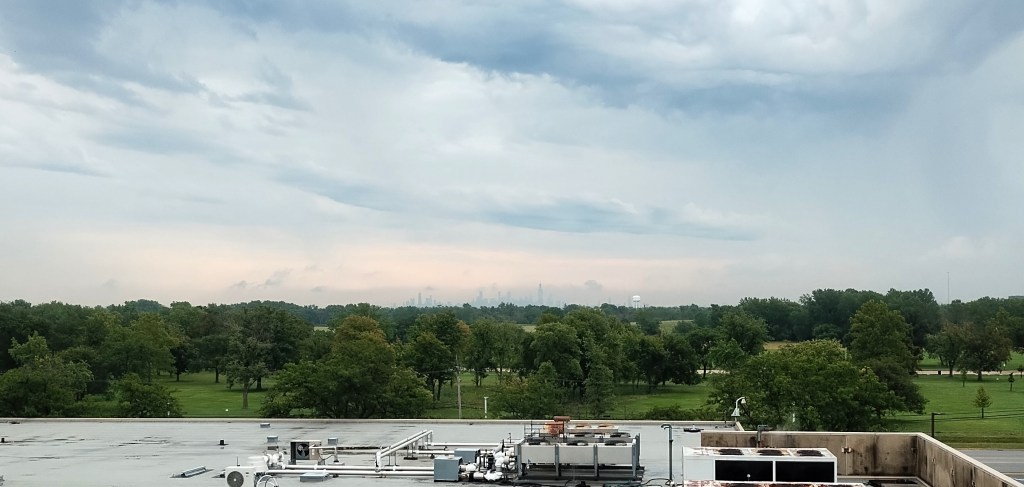
My daily life in the suburbs does not provide views of the Chicago skyline. But I do not have to go far to find such views. Here is one recent example looking east from a four story building:
Given the importance of skyscrapers for cities, how do these skylines affect suburbanites? They may provide a reminder of the big city. They may be a landmark or anchor in looking in a particular direction. They could be interesting to view amid changing weather conditions (as I was watching the image above, rain was coming down off and on in between my location and the skyline). They could provide space where a suburban resident works.
Such buildings are relatively rare in the suburbs. There are collections of taller buildings in suburbs, particularly in communities with office parks. This can occur in edge cities where buildings provide hundreds of thousands of square foot of office and retail space near major roadways. But this buildings are rarely 50+ stories and they cannot be seen from as far away as a skyline like Chicago’s.
I think I would enjoy seeing a distant skyline on a regular basis. It might feel less like a looming structure and more like a reminder of the population center nearby. To see multiple tall skyscrapers in one view provides a reminder of the large scale of human activity in the early 21st century.
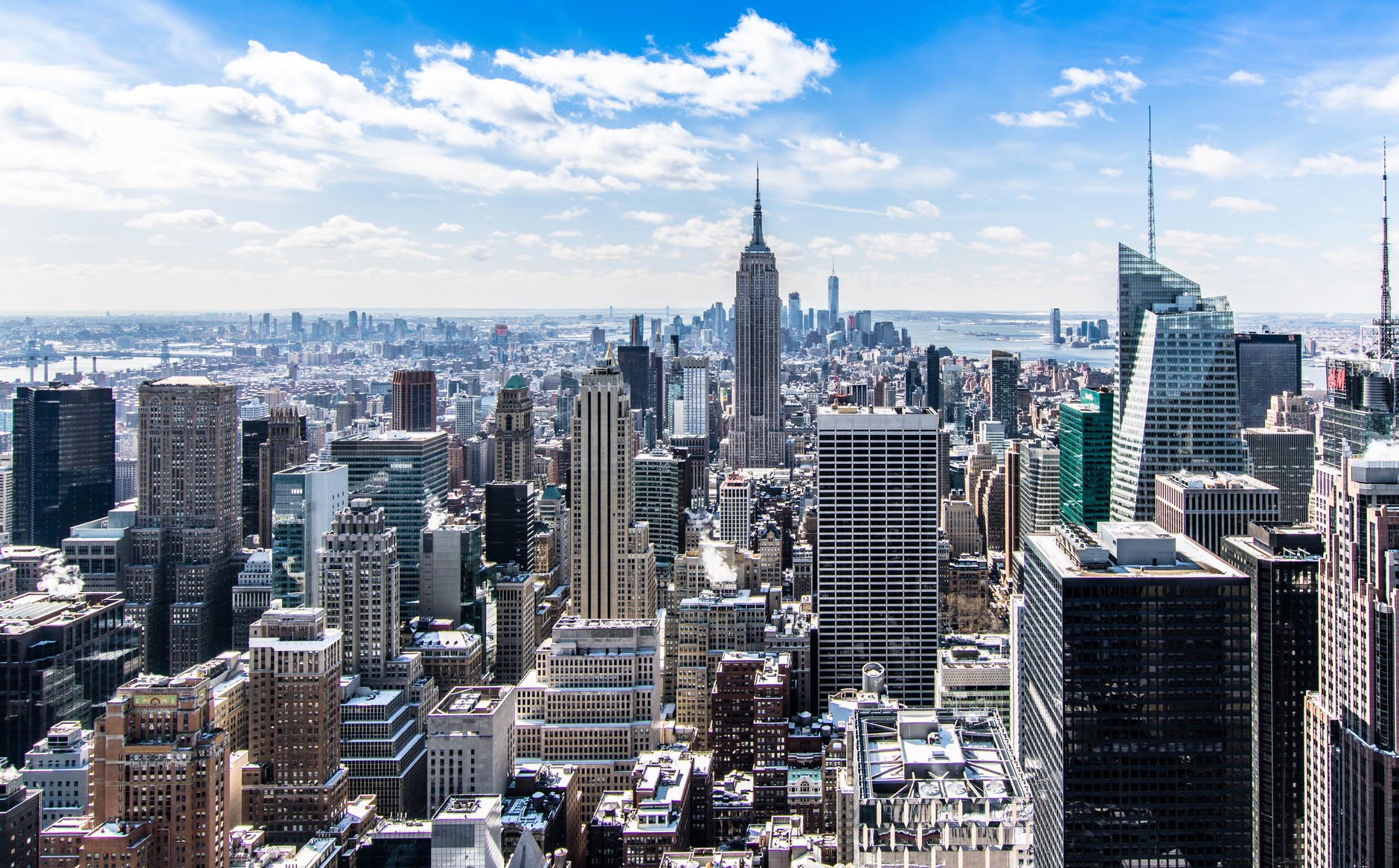
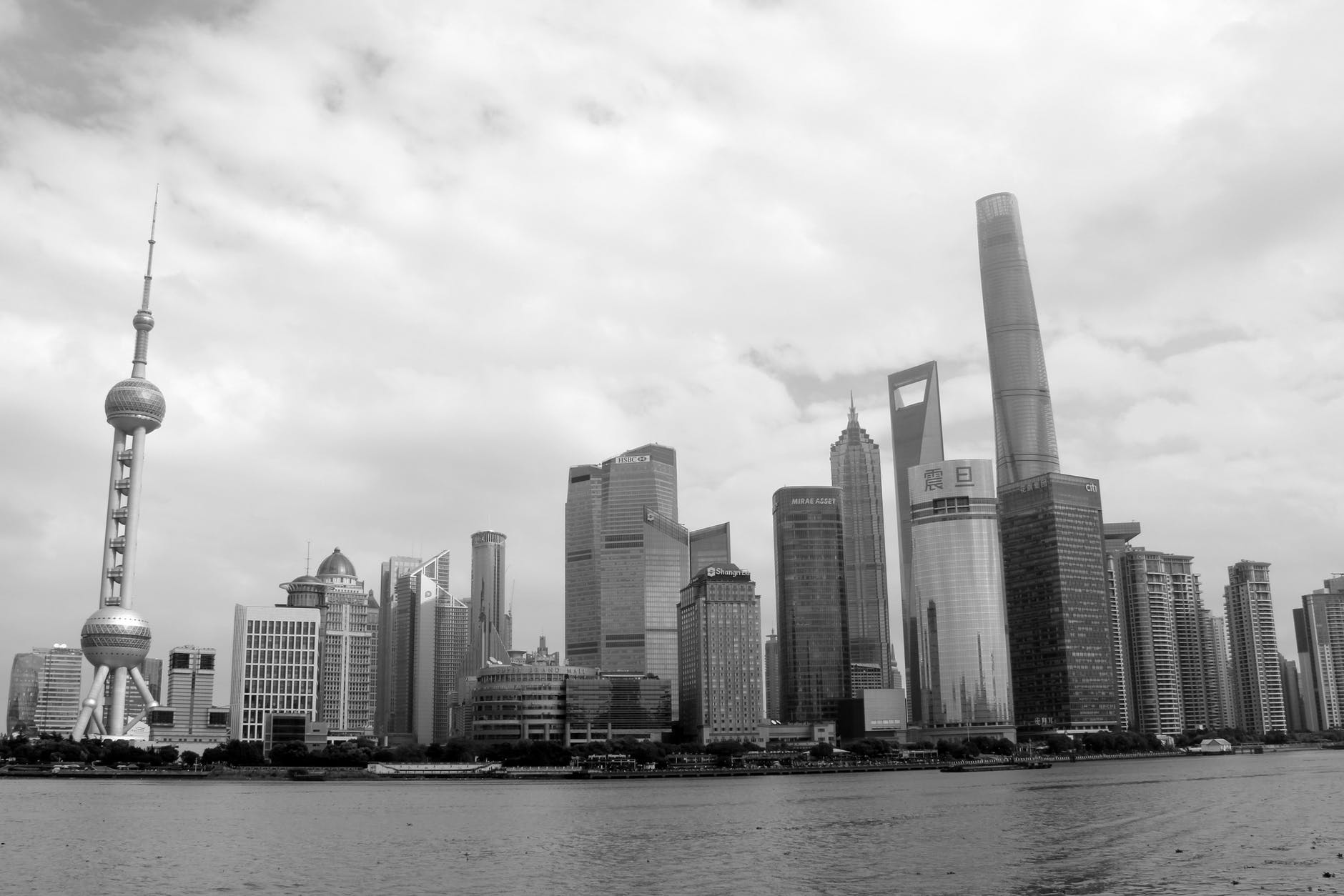
The world’s most beautiful skylines are more than just collections of buildings placed close together: They’re the façades of entire cities, the front doors to many of the earth’s most vibrant metropolises. It’s these man-made horizons that often offer the first impression to visitors and imbue a sense of home to returning locals. But what exactly makes a beautiful skyline? One that is immediately recognizable? Those that are the most harmonious? The cities with the greatest number of individually striking buildings? The answer, is of course, some collection of all of the above. Like when discussing most aesthetic disciplines, visual examples are far more powerful than description will ever be. To that end, AD has rounded up 17 of the world’s most beautiful skylines, covering notable favorites like New York City and Shanghai as well as some lesser-known stunners that deserve more acclaim.
I do not know if it is better to simply make a subjective ranking or to have a pseudo-scientific ranking of weighted factors. As noted above, there are at least a few factors that could be considered. Here is what I might include:
The most tall buildings. Would places with more tall skyscrapers automatically rank higher?
The most lauded buildings. Does this come back to you particular architectural styles? Or the architects connected to them? Or the number of social media images with each building in them?
The setting of the skyline. Does the view of the buildings include water or mountains or another impressive natural feature or other built features (the rankings above mention bridges)?
The age of the skyscrapers. Does it matter if many of the buildings are older or if many are newer?
The tourism connected to the skyline. Do people come to this place to see the skyline? Would someone go out of their way on a visit to try to take in the whole skyline?
The opinions of a range of experts. What do they see as the best skylines? It could be interesting to see who is considered a skyline expert.
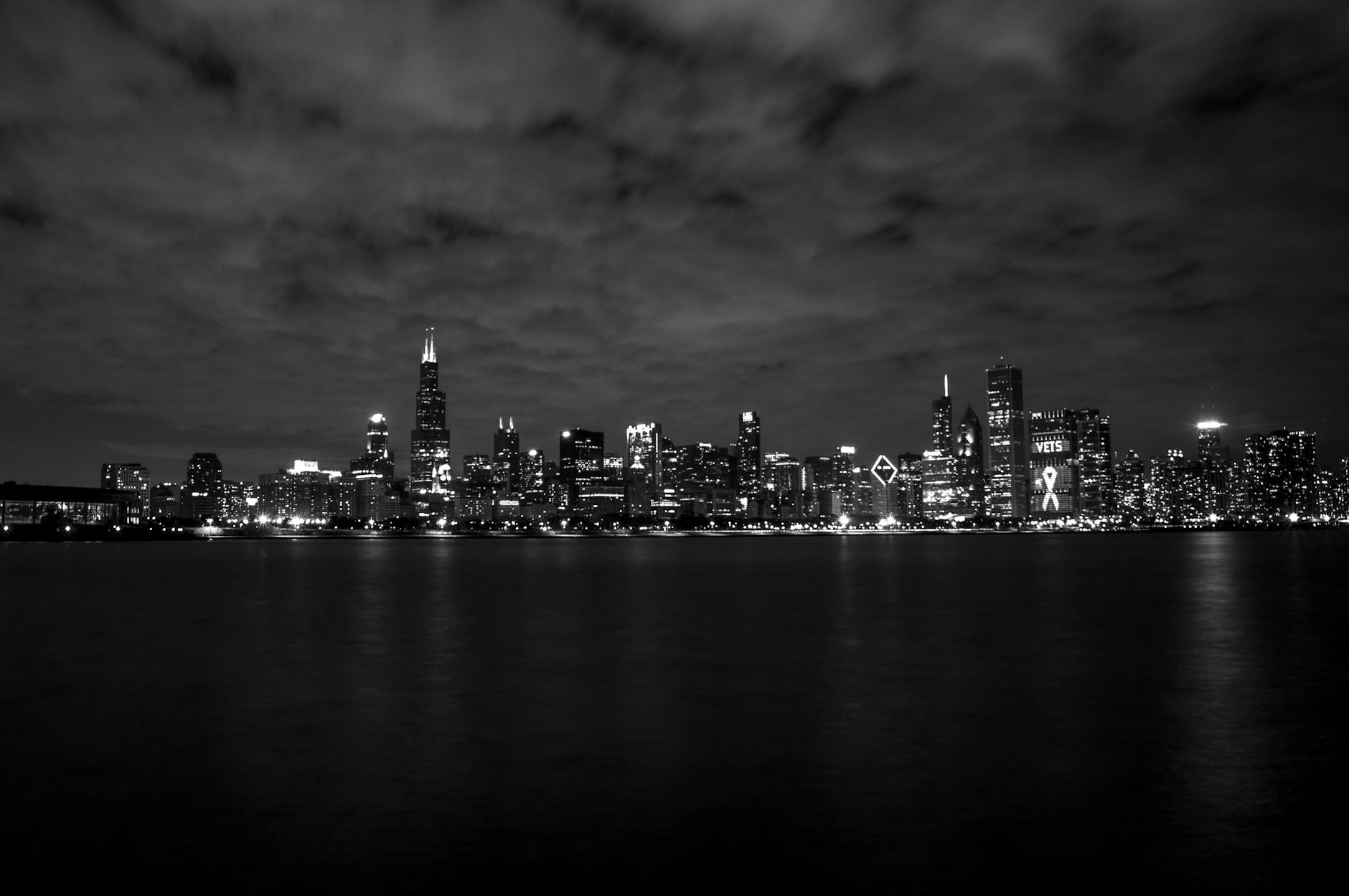
And among these possibilities, Chicago ranks #3. Here is the description:
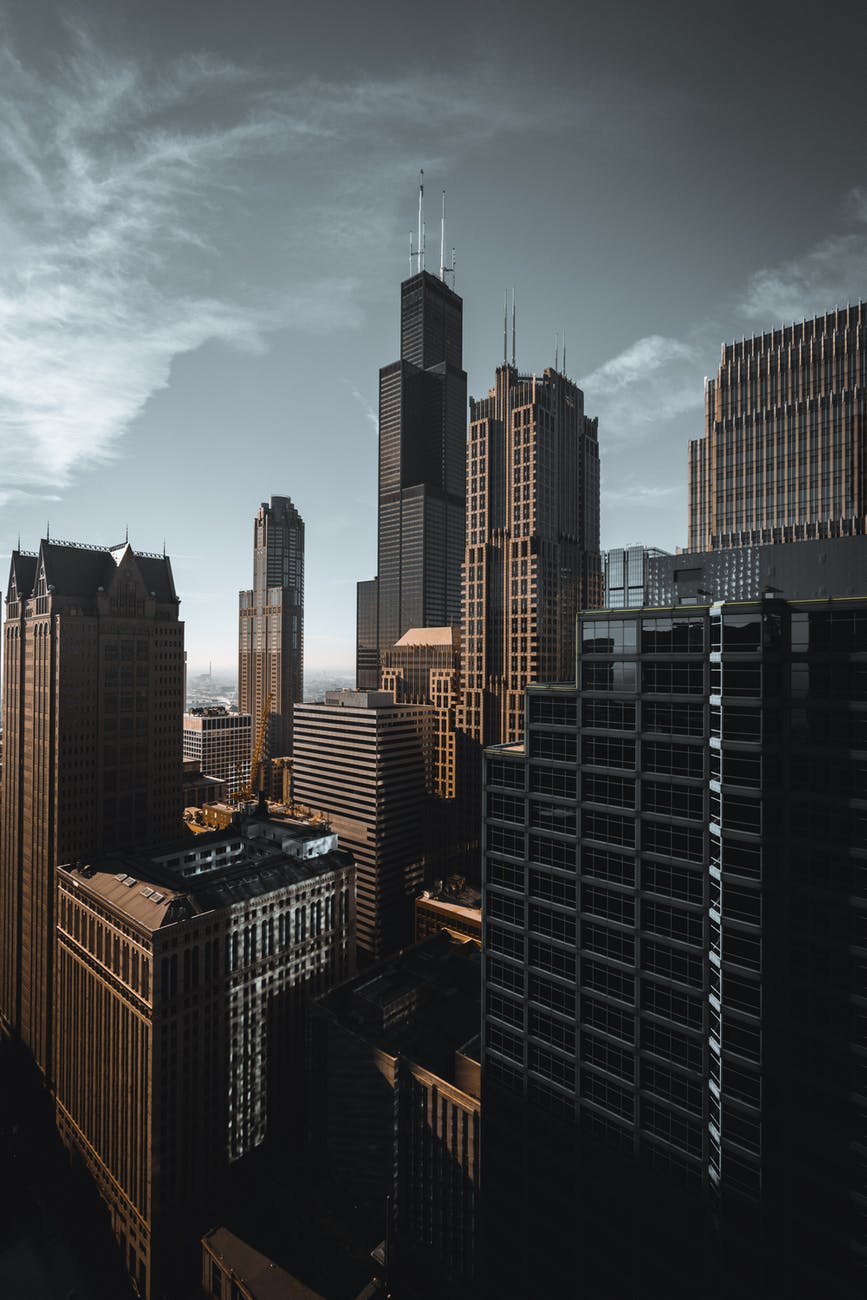
Hugging the shores of Lake Michigan, Chicago is the third most populated city in the United States. The Midwest metropolis is made famous by many striking supertalls, such as Willis Tower, Vista Tower, and Marina City.
Several factors stand out: a setting on a vast body of water, a large population center, and multiple “striking supertalls.” Does Chicago get more points because of the number of tall buildings or the architects and styles connected to the skyscrapers or the longevity of the skyline or the tourism in the city?
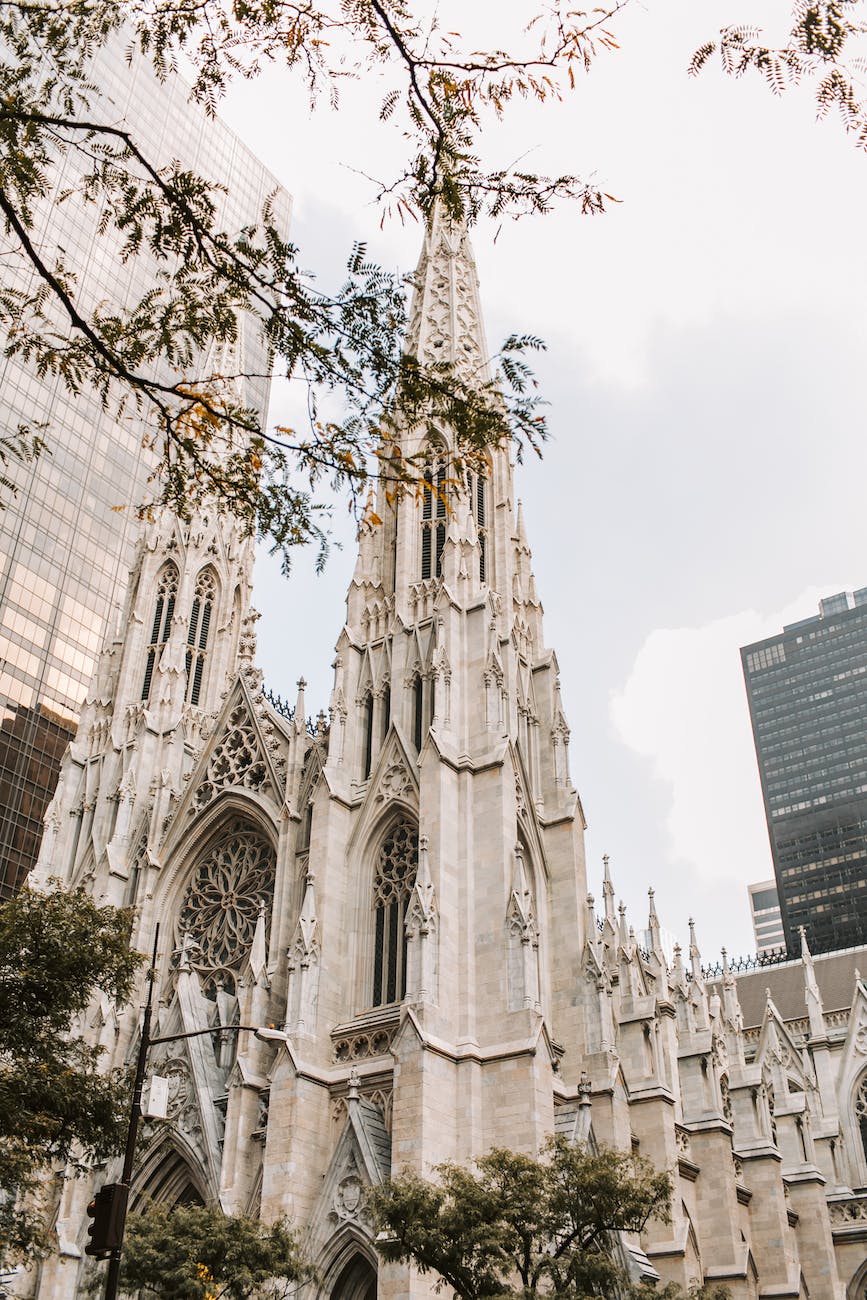
This is not an unknown story in New York City: a congregation sells part of its property or air rights to help fund its operations. This time it is St. Patrick’s Cathedral:
Citadel’s Ken Griffin and Steve Roth’s Vornado Realty Trust agreed to buy up to 525,000 square feet of air rights from the Roman Catholic Archdiocese of New York to facilitate the development of 350 Park Avenue, PincusCo reported…
The per square foot basis of the deal is arguably more important than the total purchase price, because that hasn’t been determined. Under the agreement, the developers can buy up to 525,000 square feet of air rights, but could also buy as little as 315,000 square feet. That means the purchase price ranges from $98.4 million all the way up to $164 million…
Representatives of Griffin, Vornado and Rudin did not respond to a request for comment from The Real Deal. A spokesperson for the Archdiocese of New York said that it is the church’s “hope that the money will go to the continued upkeep of the Cathedral.”…
Griffin’s Citadel is working to develop a 51-story tower at 350 Park Avenue, designed by Norman Foster. Griffin’s firm is redeveloping properties master leased from Vornado and Rudin. Citadel would occupy roughly 54 percent of the 1.7-million-square-foot property, which would stand 1,350 feet tall.
I remember at least a few of these stories while examining zoning conflict in the New York City. For a congregation with an older building and perhaps an aging congregation, allowing others to make use of their property in different ways could help pay the bills. Here, one of the wealthiest people in the United States wants to build a skyscraper, the church has the air rights, and the money paid to the church can help the Cathedral into the future.
This reminds me of some of the reasons many churches left Chicago’s Loop by the early twentieth century. Land prices were high, people had moved out of the central business district, and they could relocate to quieter, more residential streets. That left very few congregations in the downtown.
And even though this point was passed long ago, the contrast of a 51-story skyscraper near a landmark church is interesting to consider. No longer is religious activity at the center of big cities. Is this a physical manifestation that shows America’s leading religion is business?
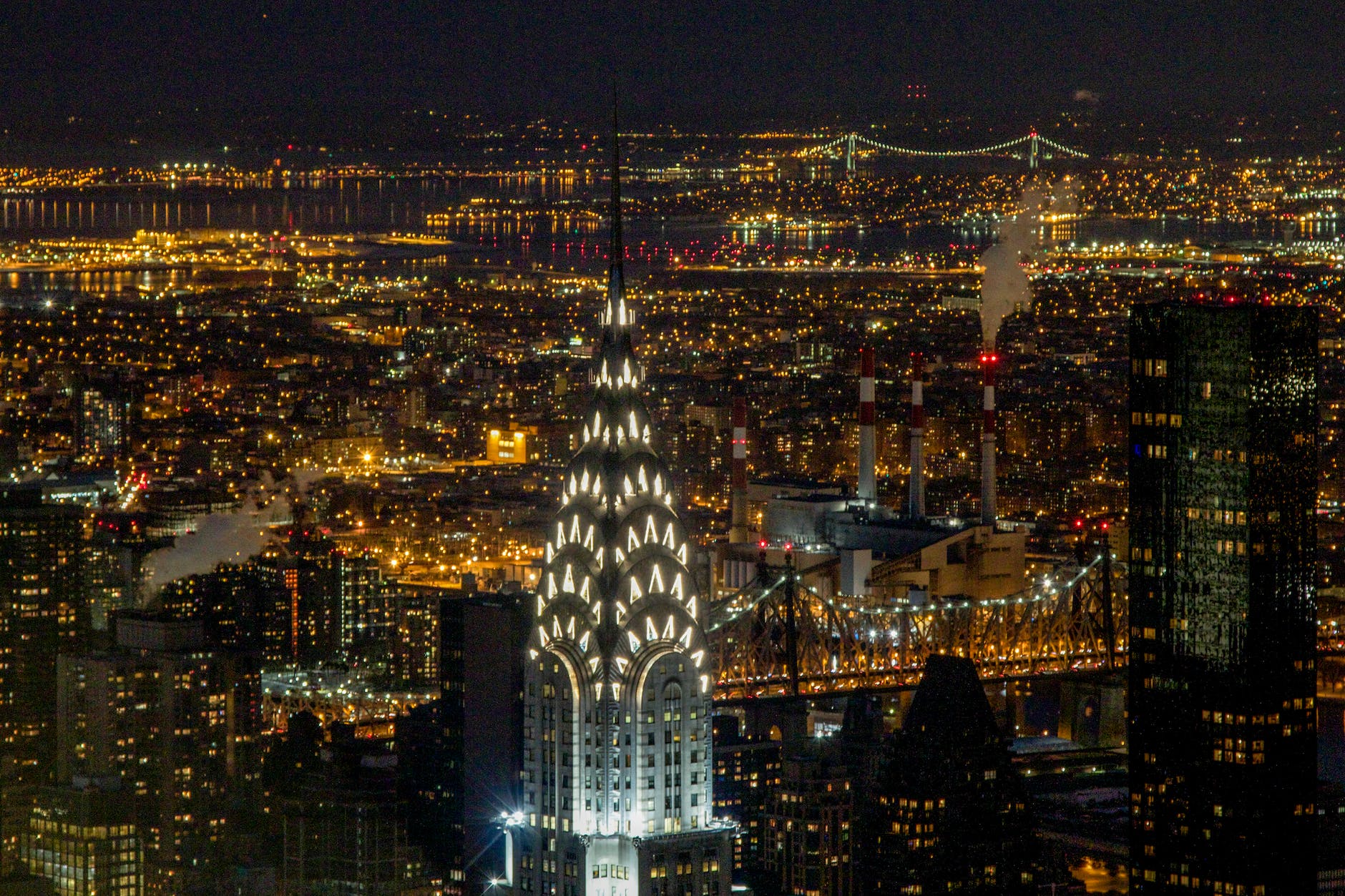
Dominating the New York skyline brought prestige and publicity, but tall towers also resolved a more prosaic problem: As land prices climbed, developers had to build upward to turn a profit, pushing their projects as high as engineering, natural light and, eventually, zoning would allow. “Skyscrapers were a self-fulfilling prophecy of the heated real estate market,” writes Neal Bascomb in his 2003 book Higher: A Historic Race to the Sky and the Making of a City. By the 1920s, with Europe in ashes after World War I, these buildings became brash totems of a new world order. Manhattan in particular had become the “harbor of the world, messenger of the new land … of the gold diggers and of world conquest,” wrote the German architect Erich Mendelsohn in his seminal 1926 book Amerika, published the year after New York overtook London as the world’s most populous city.
In a dense space like Manhattan, demand for land pushed prices up. To make more money from the same plot of land, skyscrapers offered more space. The addition of thousands of square feet of office space, even if it could be hard to fill at times, provided profit.
I would be interested to see analysis shows the profits of a skyscraper over a lifetime compared to other options builders, developers, and companies could have pursued. Instead of building up in major cities, here are other options they could have pursued: building underground; building dense and wide buildings (imagine ones that cover several city blocks at a height of ten stories or so); constructing large buildings in other parts of the city and suburbs; and pursuing multiple business districts rather than centralized locations where everyone wants to gather.
Even if there was profit at stake, there is also the matter of the prestige of skyscrapers. Skyscrapers are important symbols in a city skyline. Were skyscrapers both profitable and status-enhancing or did the increased status mean that the absolute numbers did not matter quite as much?
Photo by Miguel u00c1. Padriu00f1u00e1n on Pexels.com
Investors who paid high prices for skyscrapers before the pandemic are reluctant to sell at a discount. Michael Pestronk, chief executive of Philadelphia-based apartment developer and landlord Post Brothers, said that around nine out of 10 office buildings around the U.S. that the company looks at aren’t suitable for converting to apartments, mostly because prices are too high or they still have too many tenants.
How low would prices need to go before redevelopment is attractive? How much money might previous investors be willing to accept or lose to convert structures?
There might need to be a tipping point for this to happen. Imagine a major office skyscraper is converted. Or, a certain amount of space is vacant in a single downtown. Or, a major lender accepts a loss and moves on with new plans. Or, a city decides to move with some major money. Or, one place shows this is possible.
That said, it will not only be expensive to pursue such paths but it will take time and experimentation. There may not be a single answer as cities seek different ways to fill office spaces.
Base Flying is one of an increasing number of urban tourist experiences combining tall buildings and safe-but-still-scary thrills, satiating adventure-seekers like Escalante while earning their operators significant profits. It’s a growing niche in the tall-building industry as skyscrapers continue to rise in ever more parts of the world…
But just giving people a place to view the city is no longer enough. Vettier says Magnicity is putting more of its efforts into operating—and in some cases inventing—thrill-based skyscraper experiences.
In Chicago, it operates Tilt, a platform on the 94th floor of the former John Hancock Center tower that tilts 30 degrees outward from the building, offering its eight occupants the experience of being suspended, face down, 1,030 feet over the streets of Chicago. Vettier says roughly 1.6 million people have experienced Tilt since it was added to the building in 2014, 45 years after its original construction…
New towers rising all around the world are creating more spaces for observation decks, and more opportunities to thrill. In Bangkok, the glass-floored observation deck of the MahaNakhon Tower sits 1,030 feet above the ground. In Dubai, the Sky Views Dubai tower features a glass slide attached to the outside of the building, starting more than 700 feet up. In Shanghai, the Jin Mao Tower features a rail-less exterior walkway around its 88th floor. Skyscraper thrills abound, and more are likely to develop.
A few thoughts that emerge in reading about what skyscrapers can offer:
How far are we from a skyscraper just devoted to thrills? I could imagine it billed as an amusement park right in the middle of a major city.
I would be interested in hearing more about how the extra money from thrills interacts with the more common stream of money for these tall buildings that comes through commercial and residential space. Are the thrill options extra money or are they replacing residential and commercial space?
When exactly did the views from skyscrapers and aerial perspectives become blase? And what is the next perspective that thrills people, at least for a while? An x-ray view? A view that allows for also seeing the underground portion of structures? A view with interesting data and facts overlaid on the image?
This was City Climb, an attraction opening Tuesday at 30 Hudson Yards, one of the city’s tallest buildings. It gives thrill-seekers a unique perspective on New York that no observation deck could hope to match: No walls, no glass windows, no railings. Just skyline…
Climbers are equipped with specially designed safety harnesses that let them ascend an outdoor staircase, from the first lookout known as the Cliff, to the top platform called the Apex, located 1,271 feet (387 meters) above 10th Avenue.
There, they can lean out over the edge and look down at the Empire State Building. City Climb will operate rain, snow or shine, but will close if the temperature drops below 23 degrees Fahrenheit (minus 5 degrees Celsius) or if there is dangerous weather in the area…
Then, she leaned back, arms stretched out, hanging over the city as a cable tether kept her from falling to the streets below.
I find two features of this striking:
The quest for humans to conquer obstacles and/or natural forces in two ways. First, the goal of building tall structures that stretch far beyond the size of people and many natural features. Second, the willingness of many to test their limits, conquer their fears, to try something new. And do it all on one of the tallest buildings in a city and country known for stretching these limits. What comes after this?
The ongoing commodification of the skyscraper experience. Skyscrapers emerged because of a land for space where land was limited and expensive. With the rise of skyscrapers came sky decks and seeing from such a great height. Then came new experiences, ranging from glass floors to tilting parts to now being outside. People are used to seeing the world from the air – airplanes offer even better views – and also desire new experiences. All of this for $185 a person.
By a wide margin, three skyscrapers in the East stood out for repeated lightning strikes between the years 2015 and 2020. At 1,776 feet tall, the tallest building in the U.S., One World Trade Center in New York City, was struck 189 times between 2015 and 2020, but it wasn’t the most frequently hit building in the nation…
Yet the Big Apple isn’t the U.S. city with the most frequently struck building. That distinction goes to the Willis Tower in Chicago, which ranks third in the U.S. for height, towering at 1,451 feet above the Windy City. That skyscraper was hit with 250 lightning strikes between 2015 and 2020, making it Thor’s favorite target, so to speak.
Why Willis and not World Trade? Lightning strikes vary based on building height, material, and suppression systems. Chris Vagasky, a meteorologist for Vaisala, told AccuWeather that location may be to blame as well.
“Chicago gets more lightning in an average year than New York City,” Vagasky said. “So when you stick a tall building in a place with a higher lightning density, it’s more likely to be struck than a tall building in a place with a lower lightning density. Willis Tower is only slightly shorter than One World Trade, by about 35 feet.”
This is a timely write-up given the number of storms the Chicago area has experienced in the last week or so. With summer heat and humidity in a humid continental climate, big dark clouds and rain have swept over the Chicago region.
The pictures that capture lightning striking the Willis Tower highlight the height of the building above the rest of the (impressive) Chicago skyline. Additionally, they also show the resilience of the structures – explained elsewhere in the article as large Faraday cages – in the midst of a natural phenomena that can be quite destructive.
Almost immediately, water making its way down to the lowest levels it will react with the calcareous material in concrete, to form cathelmites – stalactite- and stalagmite-like growths that form in human-made environments. These will continue to grow for thousands of years, transforming the shopping mall into something akin to a horror movie set. If humanity is still around, most things of value will have been stripped out before the Tower is completely abandoned, but perhaps not everything. Aluminium in the ventilation system, stainless steel in the food court – maybe even a few cars in the garage levels will be left to perform remarkable transformations…
The story continues even deeper underground. The entire Shanghai Tower sits on top of a concrete raft, one metre thick and covering nearly 9,000 sq m (97,000 sq ft). Beneath this are 955 concrete-and-steel piles, each a metre in diameter, driven up to 86m (282ft) deep into soft ground. After several million years, as the weight of the sea water and sediment warps the subterranean layers beyond recognition, some of the foundation piles will fracture, twisting within compacting mudrock formations like the fossil roots of an immense, long-vanished tree.
As millions of years stretch into tens of millions, the transformations come more slowly. Rare earth minerals, leached from discarded mobile phones and other electronic devices, may begin to form secondary mineral crystals. Glass from windshields and shop windows will devitrify, darkening just as obsidian does after long burial. By now, the entire city is compressed to a layer perhaps only a few metres thick in the strata. All that is left of Shanghai Tower is a geological anomaly studded with the fossil outlines of chopsticks, chairs, sim cards, and hair clips.
All of this will be deeply buried, in some cases thousands of metres down. But geology never stands still. After around one hundred million years, as new mountain ranges begin to form, the layer of compacted rubble that was once Shanghai Tower may be pushed upwards, and revealed.
A tower is not just a modern landfill or a single-family home; it is a monument to modern society in a similar way to the massive temples of past civilizations.
The idea that the tower would emerge again as part of a new mountain range is an interesting one. The assumption in a lot of these modern fossil/future archeology writings is that modern civilization will mostly disappear from the Earth’s surface. Many science fiction writings have the same idea: all that modern humans prize in the Industrial Revolution and urbanization will fade away just as everything else has in the past. Certainly, modern structures and infrastructure will only last for so long. What exactly is the predicted lifespan of a major skyscraper, let alone a single-family home or a big box store? Or, all of it will go away due to disaster, war, or the accumulation of garbage and self-induced environmental catastrophe.
Given how we dig and reconstruct the past, I still find it interesting to ponder that someone might come along and dig down and discover a major city that looks abandoned. What was life like there? Why did the city disappear? This was a global city?
A native of Germany, Jahn won international recognition and awards for projects around the globe, including United Airlines Terminal 1 at O’Hare International Airport, the former Citigroup Center (the main entrance to the Richard B. Ogilvie Transportation Center) in Chicago, and the Sony Center in Berlin.
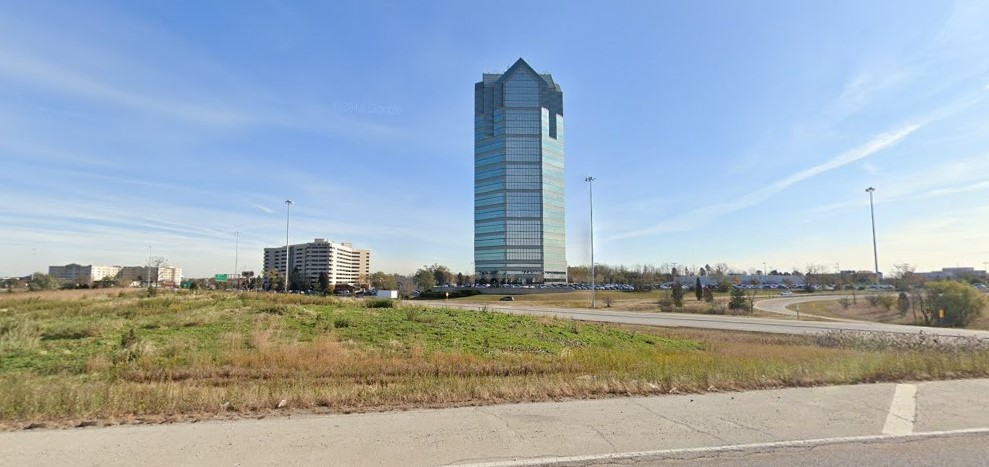
Besides MetroWest in Naperville, his suburban work includes the Oakbrook Terrace Tower in Oakbrook Terrace.
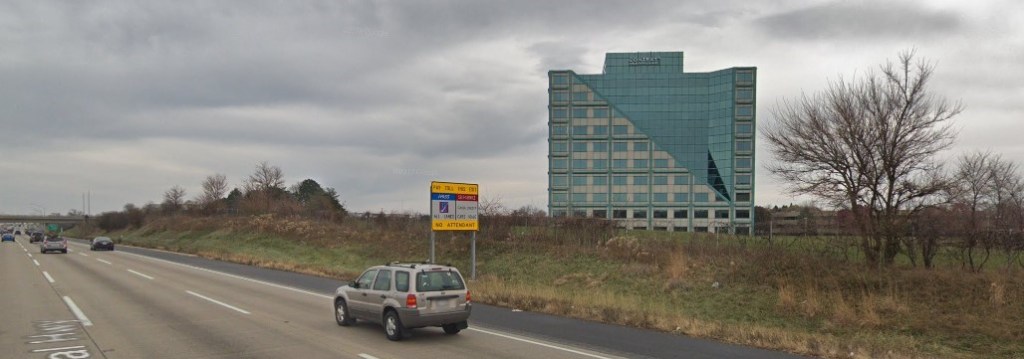
Here are images of the two buildings referenced:
Left: Oakbrook Terrace Tower viewed from Illinois Route 83. Right: MetroWest viewed from Interstate 88. Both images from Google Street View.
Both buildings are interesting structures to see in their suburban settings. They would not be out of place in a major city. They are full of steel and glass. They have sharp angles. They can be seen from a distance and are of a height beyond most suburban buildings.
But, they also stick out. They are right next to major highways. They are not surrounded by other tall buildings; the size of the Oakbrook Terrace Tower is particularly notable. Instead, they are surrounded by parking lots and smaller suburban office parks. They are in the suburbs but they are not of the suburbs; few residents would want these structures anywhere near their single-family homes.
In other words, a starchitect can build in the suburbs. In many parts of the United States, they are growing and a majority of Americans live in suburban settings. Interesting buildings help add to the status of certain suburbs as job centers. Yet, the interesting buildings by a famous architect can only go so far in sprawling settings: they do not really fit in even as they provide something different to view at 70 miles per hour.



 Legally Sociable