Complicated urban repairs: 20 years to repair 11 blocks of Park Ave above and below ground

Manhattan is dense, above ground and below ground. Hence, the city is planning for a 20 year project to to a portion of Park Avenue:
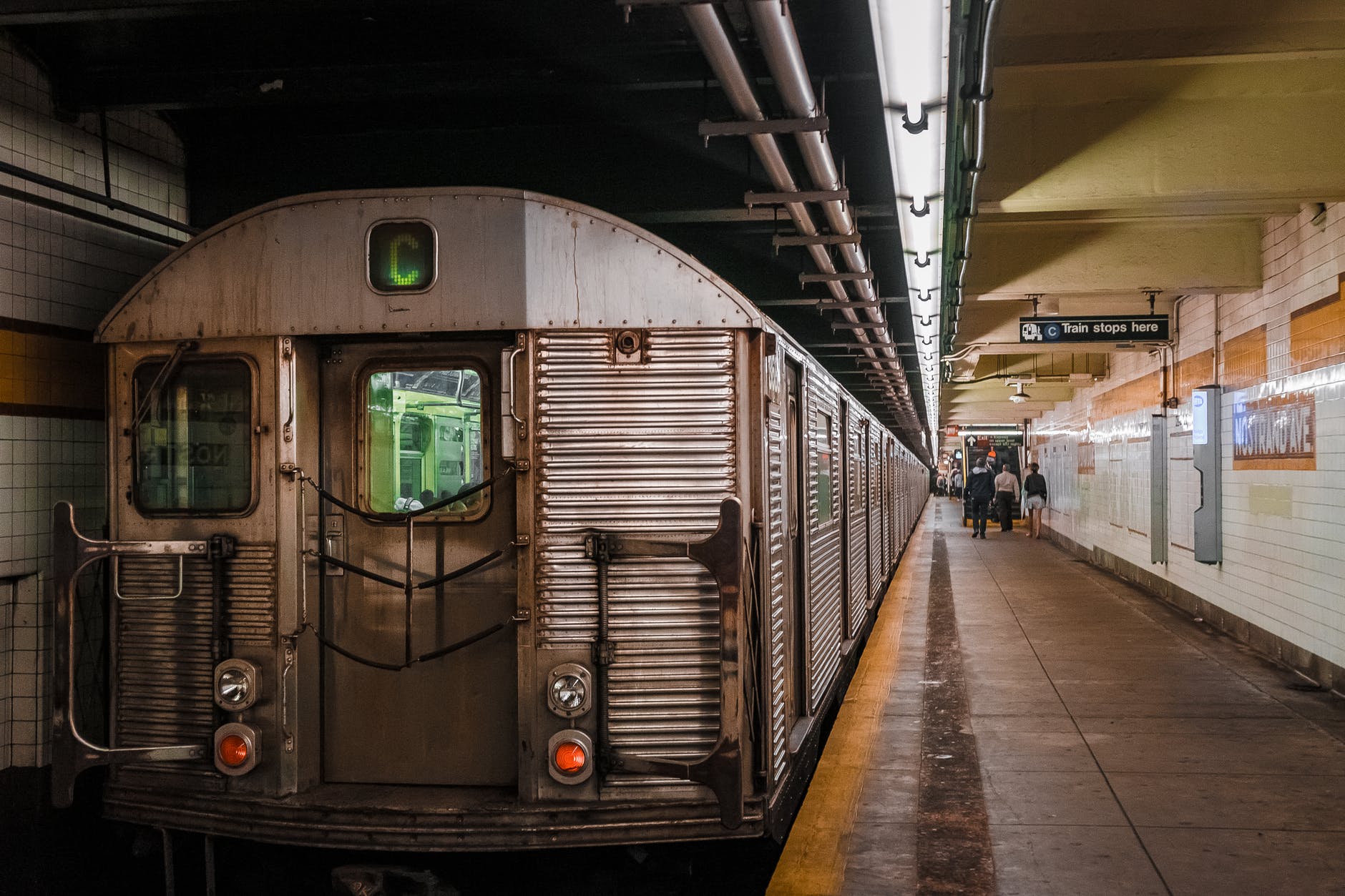
Photo by Vlad Cheu021ban on Pexels.com

The good news is the city finally has plans to restore 11 blocks of Park Avenue north of Grand Central to a semblance of its former glory, Bloomberg reports, expanding the median from a useless 20 feet to a potentially-rejuvenating 48 feet. That redesigned street could include bike paths, walking paths, and generally more space for things other than cars or pretty things for people in cars to look at as they drive by.

The bad news is many if not most of the people currently living and working in New York will not be around to enjoy it once it’s done. It will take 20 years to redesign these 11 blocks, according to the city’s Department of Transportation. Yes, you read that right. The project to redesign 11 blocks of a Manhattan street will not be completed until 2042.

But there is no mistake, according to both DOT and Kaye Dyja, Powers’s spokesperson. As Dyja explained, “The reason the construction is going to take a long time is because they’re improving the underground railroads leading to Grand Central, as well as redoing the ‘train sheds.’ This entails that they’re digging up the ground, so the construction will have to take place in stages which will end up taking many years to complete.”

The project Dyja is referring to is a massive $2 billion renovation of the Metro North infrastructure underneath Park Avenue from Grand Central to 57th Street. Park Avenue is a bridge over those tracks, and like many of the U.S.’s bridges, this one is falling apart, too. The project will involve ripping up sidewalks and the median of Park Avenue a couple blocks at a time, going section by section, down the stretch of Park Avenue. It is expected to cause more or less permanent disruption to the Midtown East area, to varying degrees, over the next two decades. 

As a kid, I remember reading books with cross-sections of underground Manhattan. Seeing all of that infrastructure needed for modern urban life – pilings for skyscrapers, subways, water pipes and sewers, etc. – was fascinating.

The flip side of that is the work it takes to make significant changes to such a system. It takes time (and money) to work around what is there and complete the work.

The time is one factor but I wonder about how the budgets will work over a 20 year period. Large American infrastructure projects can have a tendency to stretch in terms of time and budget as the work is underway.

I would love to say I will check in on this in twenty years but that is a long commitment…
Large disparities in risk of death across American transportation modes

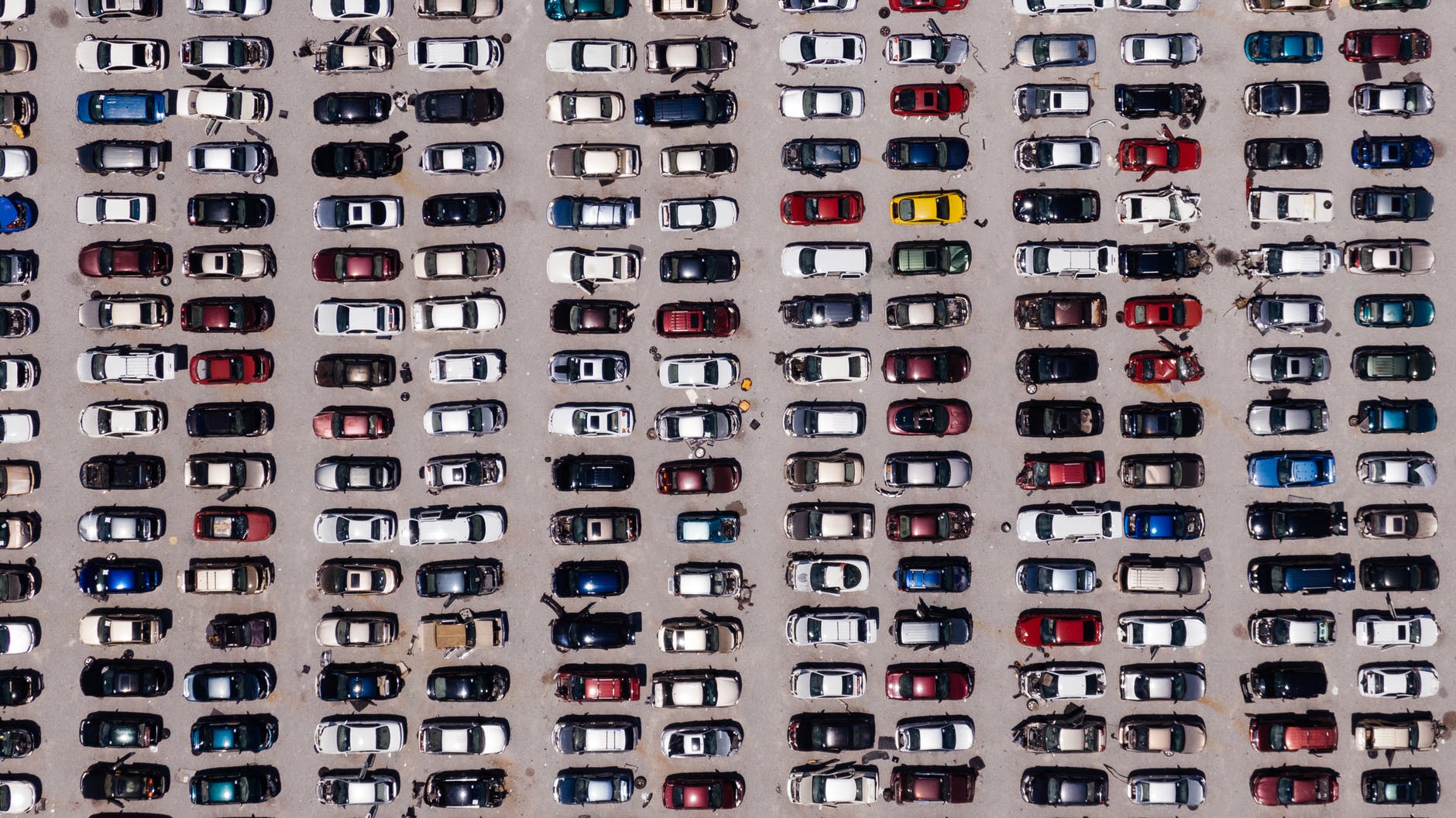
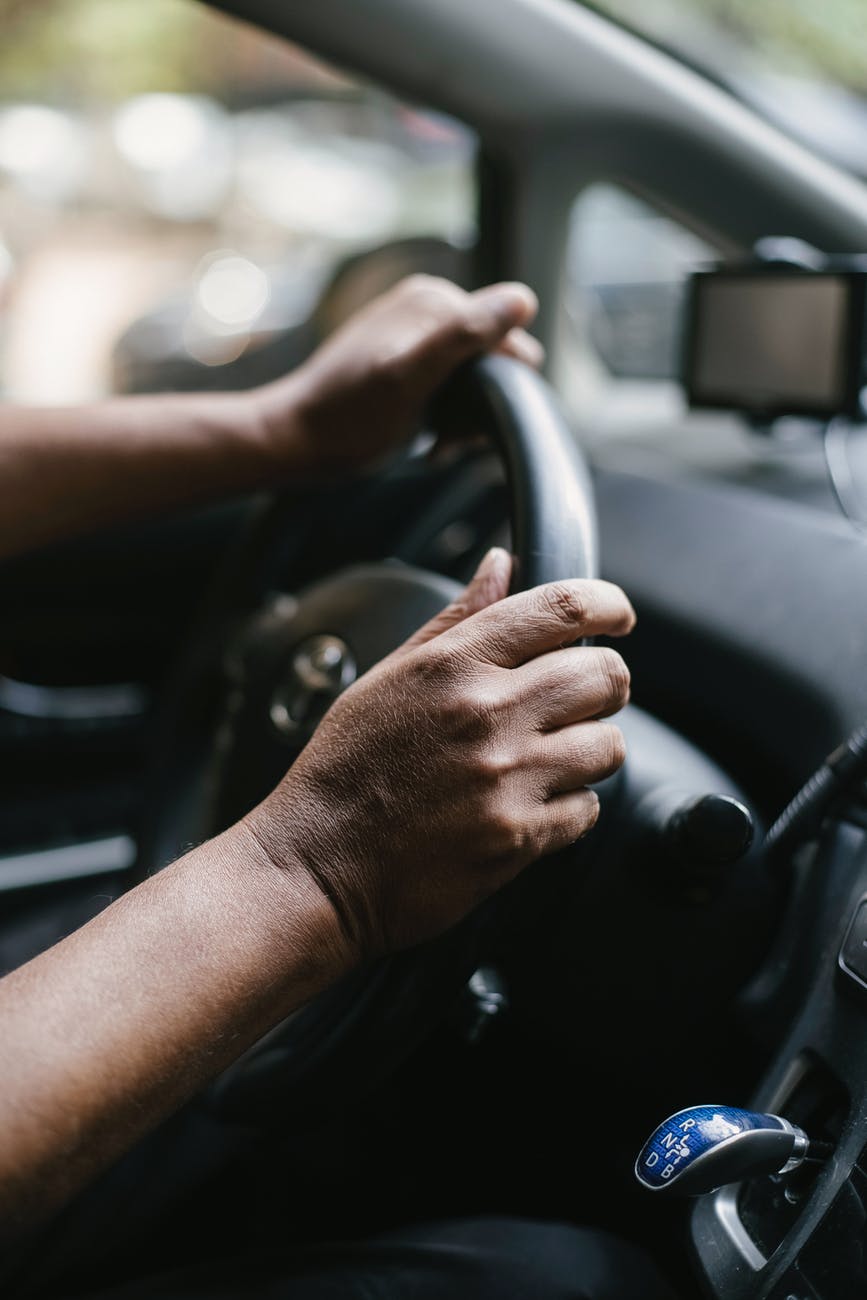
Here is the risk of dying in a vehicle compared to other modes of transportation:

Photo by Laura James on Pexels.com

Northwestern University economics professor Ian Savage examined American crash data over a decade, concluding that 7.3 people died in a car or truck for every billion passenger miles, 30 times the risk on urban rail and 66 times the risk aboard a bus. (If you’re wondering, motorcycles are by far the riskiest vehicles of all, while airplane travel is the safest.)

Even with these numbers, there are multiple reasons why many continue to prefer to drive:

Studies show that people typically feel safer in vehicles they control compared to those they cannot (i.e., a car compared to a bus or train). Worse, the rare transit crash is often a top media story, while daily car collisions barely register. “It’s baked into how we talk about crashes,” says Millar, of Washington State. “We had an Amtrak train crash here, three people died, and it was international news. That same week 10 people died on highways in this state—and it was the same the week before that, and the week before that.”

According to psychology’s “availability heuristic,” the intense attention paid to exceedingly rare plane or train crashes can lead us to unconsciously exaggerate their frequency, while the media’s shrug at car crashes causes us to discount the dangers of driving. One extreme example: A study found that the shift away from flying toward driving in the aftermath of 9/11 led to over 2,000 additional traffic deaths in the United States.

Lots of interesting factors to consider here. Do the perceived advantages of driving block out any consideration of the risk? Even if people had these numbers at their fingertips, would they consider risks or numbers?

I have argued before that the preference for driving is strong. If people in the United States have the resources and opportunity, they will pick driving over mass transit. Of course, the system is set up to make this choice for driving easier with an emphasis on roads and linking important cultural values and driving (such as individualism, taking road trips, suburban life, etc.).

This may be a prime case where making an argument from the numbers simply will not get far given the cultural narratives and social systems already in place. Perhaps the numbers could be paired with a compelling story or narrative? Even then, it could take a long time to convince Americans that because driving is more dangerous than other options they need to switch to other modes of transportation.

The suburbs as the test market for delivering prescription medicine via drone

As firms test delivery via drone, one suburb in North Caroline will soon experience how using drones to deliver prescription medicine could work:

Photo by Darrel Und on Pexels.com

Zipline, a leading drone operator, will begin delivering prescription medicines to patients’ homes in a suburb of Charlotte, North Carolina, this year, helping usher in the long-anticipated era of routine drone drops.

Why it matters: Battery-operated drones could satisfy our demand for “instant delivery” in less than 15 minutes, while easing traffic congestion, improving safety and helping the environment…

The trial, which awaits the FAA’s nod, will take place in and around Kannapolis, North Carolina, where Zipline has a distribution center serving nearby hospitals…

A big milestone will occur in a few months when Wing begins drone deliveries in Dallas, its first major metropolitan service area, starting with Walgreens.

Even as this article makes clear that this is already happening in other places, the suburban potential is intriguing for several reasons:

  1. If drones can deliver a lot of goods in suburbia, could this help unlock the hold of driving on suburbia or does it enable people to live even further apart?
  2. How do drones fit in a suburban landscape devoted to private property and proximity to nature? Drones could theoretically be quieter and less obvious than other options yet this could be considered intrusive in a new use of local airspace. Could some local governments ban their use?
  3. I wonder this about delivery possibilities now: how close do distribution centers or drone centers need to be to residential neighborhoods to enable same-day or quicker delivery? Residents like the idea of quicker delivery but having warehouses and distribution centers closer to homes has some limits.

It sounds like these drone deliveries are going to happen and they have the potential to impact suburban life in small – and maybe larger? – ways.

An argument for why “cars are simply vastly superior to transit alternatives”

An economist makes the case for why Americans choose cars:

Photo by Kelly L on Pexels.com

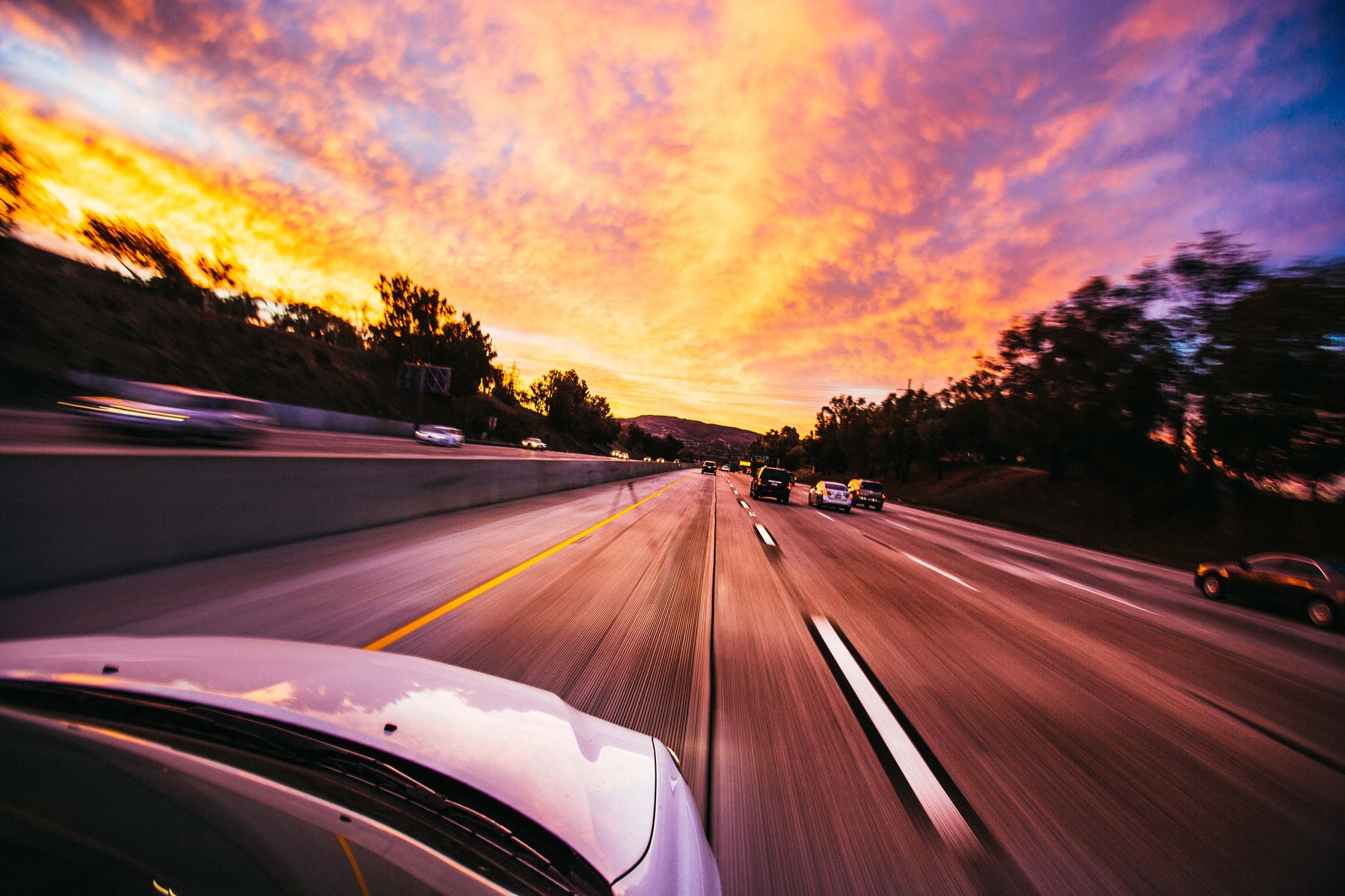
Automobiles have far greater and more flexible passenger- and cargo-carrying capacities than transit. They allow direct, point-to-point service, unlike transit. They allow self-scheduling rather than requiring advance planning. They save time, especially time spent waiting, which transit riders find the most onerous. They have far better multi-stop trip capability (which is why restrictions on auto use punish working mothers most). They offer a safer, more comfortable, more controllable environment, from the seats to the temperature to the music to the company.

Autos’ superiority doesn’t stop there, either. They expand workers’ access to jobs and educational opportunities, increase productivity and incomes, improve purchasing choices, lower consumer prices and widen social options. Trying to inconvenience people out of their cars undermines those major benefits, as well.

Cars allow decreased commuting times if not hamstrung, providing workers access to far more potential jobs and training possibilities. That improves worker-employer matches, with expanded productivity raising workers’ incomes as well as benefiting employers. One study found that 10 percent faster travel raised worker productivity by 3 percent, and increasing from 3 mph walking speed to 30 mph driving is a 900 percent increase. The magnitude of such advantages is seen in a Harvard analysis that concluded that for someone lacking a high-school diploma, owning a car increased their monthly earnings by $1,100.

Cars are also the only practical way to assemble enough widely dispersed potential customers to sustain large stores with affordable, diverse offerings. “Automobility” also sharply expands access to social opportunities. 

My sense is that Americans tend to agree with this, even if they do not think much about other transportation options.

At the same time, I could imagine two questions about this superiority:

  1. Is part of the superiority of the car due to the ways that American life are structured around cars? It is not just that people choose cars: the American way of life encourages car use.
  2. Are the individual choices made for cars best in the long run for communities and societies? Many individuals may like what cars enable but others would argue it leads to bad outcomes for the whole (one example here).

This belief in the superiority of cars also makes it difficult to find monies and the will to pursue other transportation options.

How effective are religious and political billboards?

On a recent long drive, I noticed two additional types of billboards compared to the typical ones selling good and/or services: religious billboards and political billboards. These do not comprise a majority of billboards in my observations – or even a significant minority – but there were at least a few. Such efforts raise several questions for me:

Photo by Taras Makarenko on Pexels.com
  1. Do religious and political billboards reach a large audience compared to other forms of media advertising? Compared to some other forms of advertising, the audience along the road might be more known: traffic counts are known and drivers who use a particular road or go through a particular location are a particular group. This may be more targeted advertising with a known number of daily viewers.
  2. Do people seeing religious or political billboards respond to them similarly or differently compared to commercial billboards? The medium of a billboard requires a fairly simple message as people go by them at a high speed. An image or two and limited text are possible. People are used to commercial appeals. So, does anything change if a Bible verse is on a sign? I know there is a religious marketplace in the United States but does a billboard encourage more religiosity? Or, does an image of a politician and a short statement catch people’s attention? Are these just like other billboards, or, because religion and politics can be personal and contentious, do they provoke more engagement or more turning away?
  3. My bigger question about billboards and all forms of advertising: how much does it influence behavior? I saw these billboards, they caused me to think a little and I am blogging about the concept here, and any other ongoing influence is hard to ascertain. In my lifetime, I have seen thousands of billboards, just as I have likely seen hundreds of thousands of advertisements in other forms. I know they influence people but it is hard to connect the dots between billboards and change.

I will keep looking for and reading more unusual billboards. At the least, they help break up a long drive.

Balancing the needs of a region and nation versus the impact on local communities

Following up on a possible railroad merger that would affect multiple Chicago suburbs, several suburban leaders acknowledge that there are both community and larger interests at stake:

Photo by Brett Sayles on Pexels.com

Communities’ concerns about the length and frequency of trains are valid, but the key is to find a balance between alleviating their concerns and letting the railroads operate efficiently, bringing needed goods from one place to another, said Karen Darch, village president of Barrington and a board member of the Chicago Metropolitan Agency for Planning who has worked on railroad issues.

“We need transportation, this is a big industry for us, for the country,” she said. “And yet we want our communities to be safe and livable.”…

“It’s hard to argue against the commercial benefits that will occur from unifying these lines, and so the city’s trying to be realistic in terms of balancing its own interests with the greater benefit that can come for the U.S. economy,” he said. “We’re just asking, with the recognition that the railroads are going to benefit from this merger, we need some help.”

This is a conundrum that faces communities, regions, and the nation in multiple areas. The issue often arises in transportation but could also include eminent domain and land use, the move of a company from one location to another, and uneven development across communities. Whose interests should win out? How much room for compromise is there? How much can everyone involved see all of the layers?

There is little question that the Chicago region is an important region for railroad traffic in the United States. At the same time, that traffic impacts day-to-day experiences as well as long-term prospects for communities. What is good for the region or for national traffic may not look like what communities want.

The key here might be the efforts of the railroads themselves. What would they be willing to change about their operations and how much money would they contribute to help alleviate problems? This could range from listening to concerns, rerouting traffic away from residential areas, and contributing to the construction of bridges or underpasses to alleviate issues at at-grade crossings. This also helps make the contributions of railroads more tangible to suburbanites; people may know abstractly that railroads are important but have little to no direct interaction with any railroad company or representatives.

Focusing mass transit on those who need it or commuters

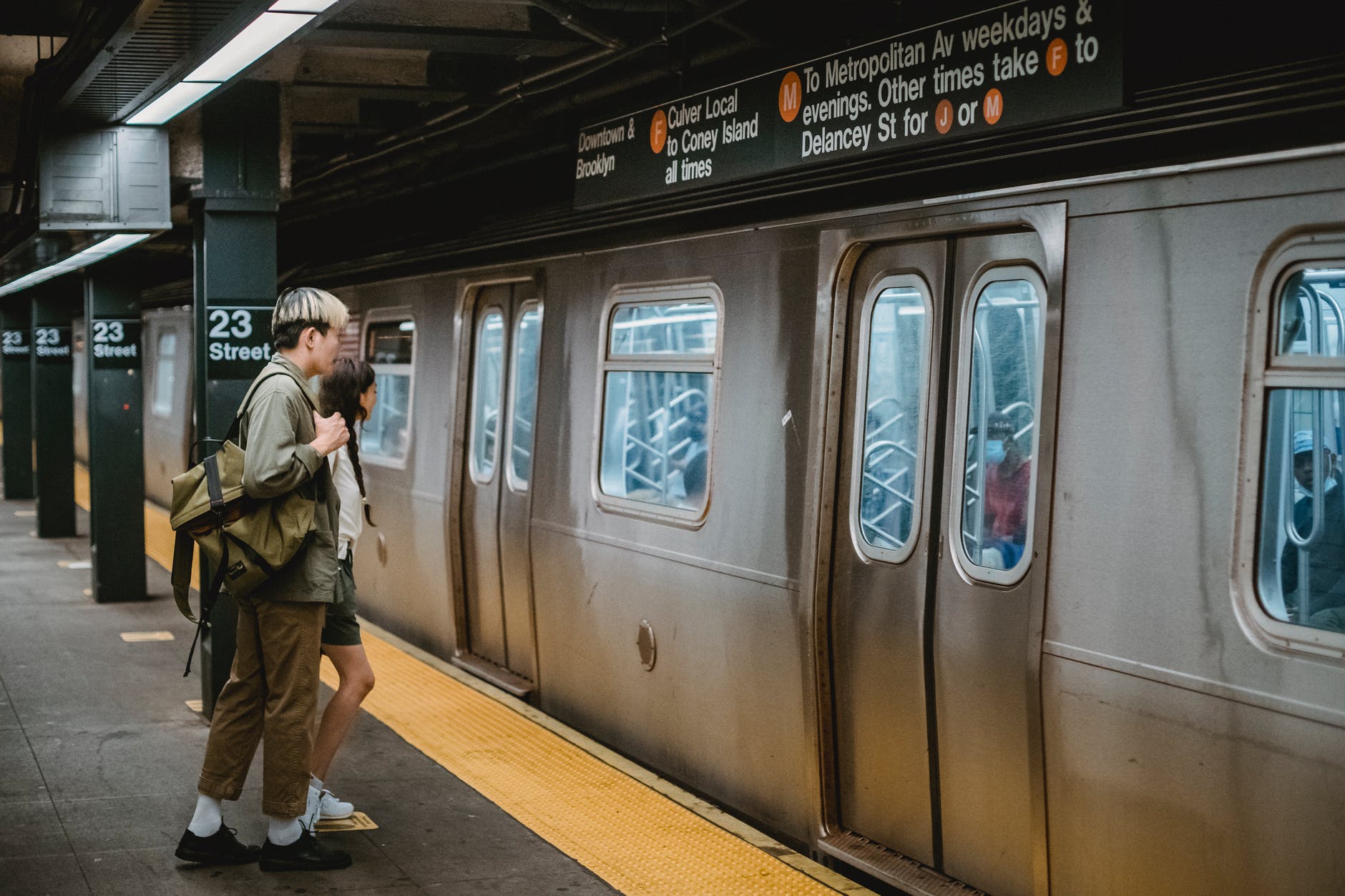
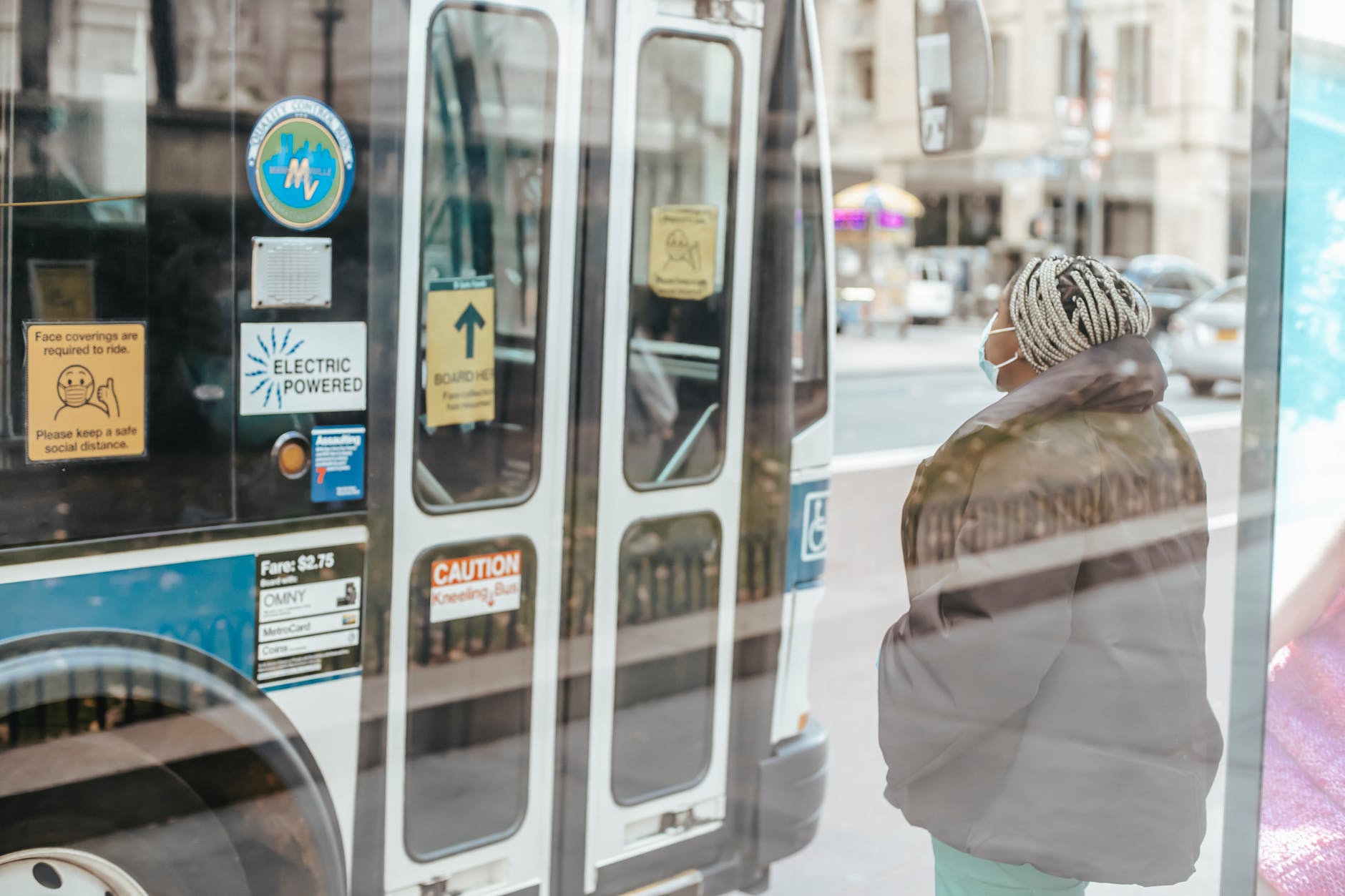
Looking at those who continued to use mass transit during COVID-19 helps raise the question of who public transit should serve:

Photo by Samson Katt on Pexels.com

Yes, public transit ridership dropped like a stone after many places instituted stay-at-home orders. Americans took 186 million transit rides in the last week of February 2020, according to data compiled by the American Public Transit Association; a month later, that number had fallen by 72 percent, to 52.4 million. At the Port Authority of Allegheny County, which operates in the Pittsburgh area, ridership fell 68 percent.

Who kept riding? In a country where race is tied to economic opportunity and geography, transit riders have long been disproportionately low-income and people of color. Maybe it shouldn’t have been a surprise, but they were the riders who stuck around. An analysis from the APTA found that white men were more likely to have given up transit during the pandemic; people of color, people who spoke Spanish, and women did not…

But US public transit has generally focused on commuters, especially those with traditional 9-to-5 schedules, who travel between city fringes and downtown business districts—riders who are less likely to be low-income and more likely to be white. That’s despite the fact that, even in the biggest cities, where transit use is more common, just half of pre-pandemic trips were to and from work. In smaller systems, the share is even less. The Port Authority of Allegheny County isn’t an exception. “Our system is very downtown centric, and it has historically relied very much on the commuter,” says Brandolph, the spokesperson. As a result, service within cities, serving people with less-regular work schedules or who took transit for other purposes, got short shrift.

That age may be over, says Alex Karner, who studies transportation equity as an assistant professor at the University of Texas at Austin’s School of Architecture. “The pandemic really exposed the truth that there are people for whom public transit is a vitally important public service,” he says. He says agencies now realize they will no longer be able to rely on peak-period commuters. When Urban Institute researchers surveyed 73 US and Canadian agencies on what service might look like in a “post-pandemic” era, more than half said they thought “peak period” travel would decrease. Nearly 70 percent said white-collar workers would take fewer rides. So transit agencies must decide what the new normal will be—and who it will serve.

In a country devoted to driving, those who have alternatives to mass transit to get to work will use those. Additionally, there is a class element to how mass transit is used and regarded and COVID-19 made work from home possible for some and not others.

The underlying assumption here appears to be that public transit cannot or cannot easily serve both groups of users. One aspect of this is that underlying patterns of residential segregation in cities and urban areas mean potential riders live in different locations. Additionally, later parts of the story cited above highlight the money mass transit systems have at the moment due to federal funds.

In the long run, when wealthier residents are asked to devote more funds to mass transit for equity and those who need it, will they agree? In Chicago, this has manifest in limited mass transit service in some areas compared to others. The new federal money means the Red Line can be extended on the South side. How far can efforts go? In other metro areas in recent years, wealthier suburbanites (see Nashville) have rejected efforts to expand mass transit. When suburbs are increasingly diverse and home to poorer residents, is there will to have consistent mass transit service?

Seeing 1930s Los Angeles streetcars in color

The fabled Los Angeles streetcar system is visible in a colorized video with added sound of the city in the 1930s:

The streetcar system is no more with numerous works discussing how it was dismantled amid a push for cars and highways. But, the video is a reminder that cars and streetcars operated together for at least a while as the city and region grew quickly. Both provided opportunities to travel throughout the area and utilized the same roadways.

It is also interesting how such altered videos – here with color and sound added – have the opportunity to change perceptions of the past. When even relatively recent history is displayed in black and white, it seems less vibrant and real. Throw in approximate sound and such video could help viewers feel as if they are back in Los Angeles nearly a century ago.

Fighting for decades against more freight trains in the Chicago suburbs

The mayor of Barrington, Illinois recently spoke about a long fight against large train companies and more freight traffic through the suburban community:

Photo by WT Pfefferle on Pexels.com

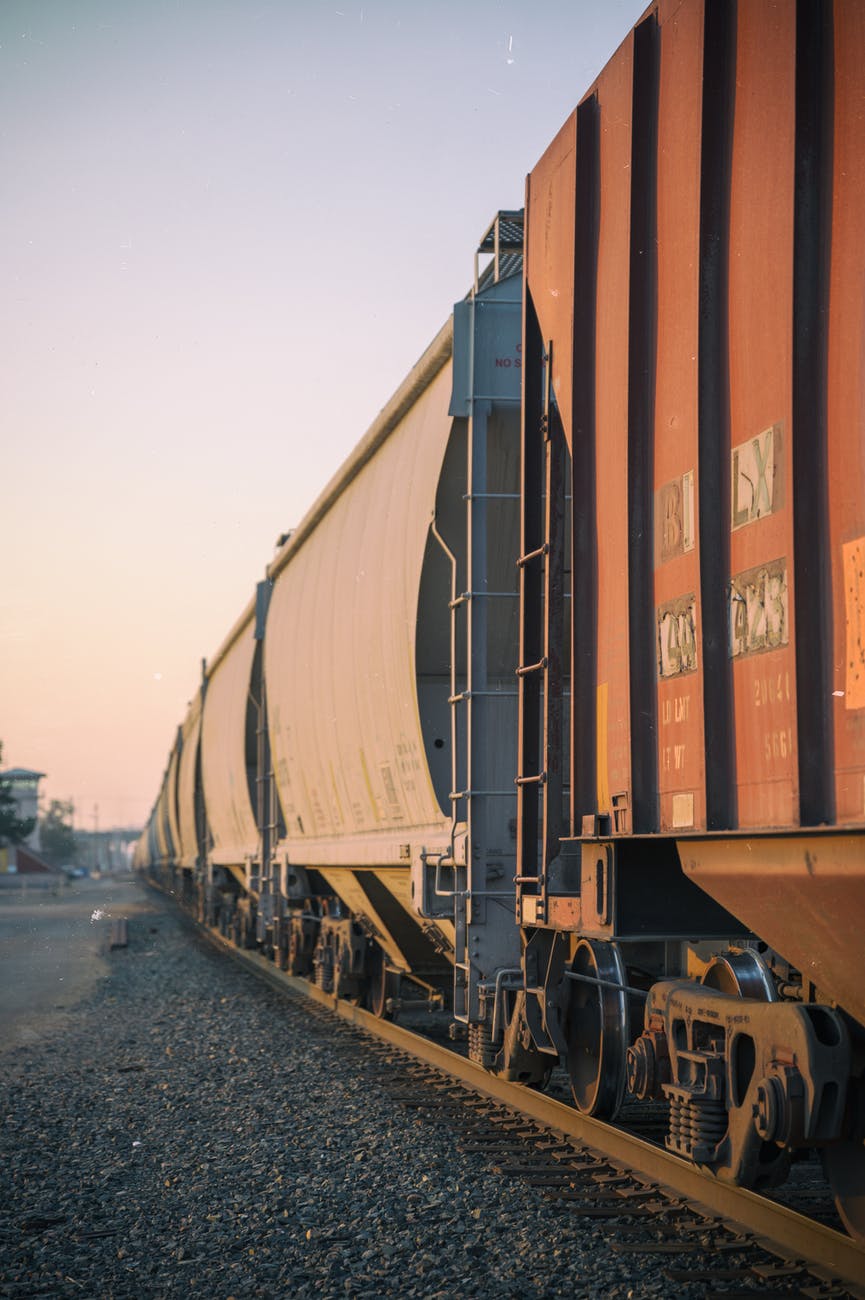
Karen Darch was elected mayor of Barrington in 2005, only two years before the merger of the Canadian National and EJ&E that would increase the freight traffic in Barrington from three trains to up to 20 each day. She understands what worries Roselle and other suburbs along the Canadian Pacific line, as CP and the Kansas City Southern pursue a merger.

The merger could bring six to eight more freight trains a day through Roselle, Itasca, Wood Dale, Elgin, Bartlett, Schaumburg, Hanover Park and Bensenville. Leaders in those towns are concerned about potential traffic backups, emergency vehicle delays, additional noise and more pollution, as vehicles idle for longer…

Under Darch’s leadership, Barrington fought to extend the oversight period over CN, arguing that crossings were being blocked for longer than what the railroad agreed to.

The village also worked for years to get federal money to build an underpass for Northwest Highway at the CN tracks — improving traffic flow and making it easier for ambulances to get to Advocate Good Shepherd Hospital.

I first ran into this issue in the late 2000s while conducting research involving a community that was also affected by the moves of Canadian National. To many leaders and residents in such suburbs, the increased traffic was not just a nuisance; in a region with many at-grade rail crossings, more and/or longer trains has the potential to snarl traffic, limit the ability of emergency vehicles to get around the community, and create more noise and pollution.

The irony is that many Chicago suburbs were founded along railroad lines and the region itself is central to the American passenger and freight rail network. Without the railroad, the Chicago region and many of its communities would not be the same. That same train that makes day to day suburban life more difficult is important for Barrington and the region as a whole.

There still might be solutions to these problems. One solution underway for a while is to move more of the freight train around the outskirts of the region so that it is does end up in communities and the city itself. A second solution is to limit the number of at-grade crossings so that roadways and trains do not interact as much. A third option is to see the whole of the region in these discussions so that what is good for Barrington and other suburbs could also be good for the region and vice versa.

In a society devoted to driving and business, what alternatives are there to rental cars?

The rental car industry has had a difficult year, customers are unhappy, and some companies are still making money. In a country that likes driving, has planned around driving, and has oodles of cars plus encourages business activity, what could be done to not depend on rental cars? A few options:

Photo by Tim Samuel on Pexels.com
  1. Car sharing services. There are more of these around today. Cut out the middle-man business and just deal with a private car owner for your transportation.
  2. Taxis and/or ride share companies. These are more available in some places than others and do not allow the same freedom as being able to drive a rental car wherever and whenever you would like.
  3. Public transportation. Even less available outside of denser urban areas. And even in places where mass transit is plentiful, many people still opt for private vehicles.
  4. Walking or bicycling. Very difficult and possibly dangerous in many locations.
  5. Borrowing a car from family or friends or doing without it for a time. It could be done but the location and time frame is very important.

Thinking back, I can recall multiple trips where a rental car was a necessity in order to get where we wanted to go. At the same time, some work trips did not require a vehicle because the location of the meeting was in a large city with public transit options. And if you are in a suburban or more rural setting and your car is in the shop for more than a day, a car rental may be very necessary.

Does this mean Americans must put up with rental cars forever? Perhaps someday there will be fleets of electric vehicles for all to access. Until then, renting a car may be a necessary evil.