How much sales tax revenue a mid-sized suburban shopping mall might generate

After the purchase of a local shopping mall by a suburban community, a news article highlights how much sales tax money the mall once brought into the suburb:

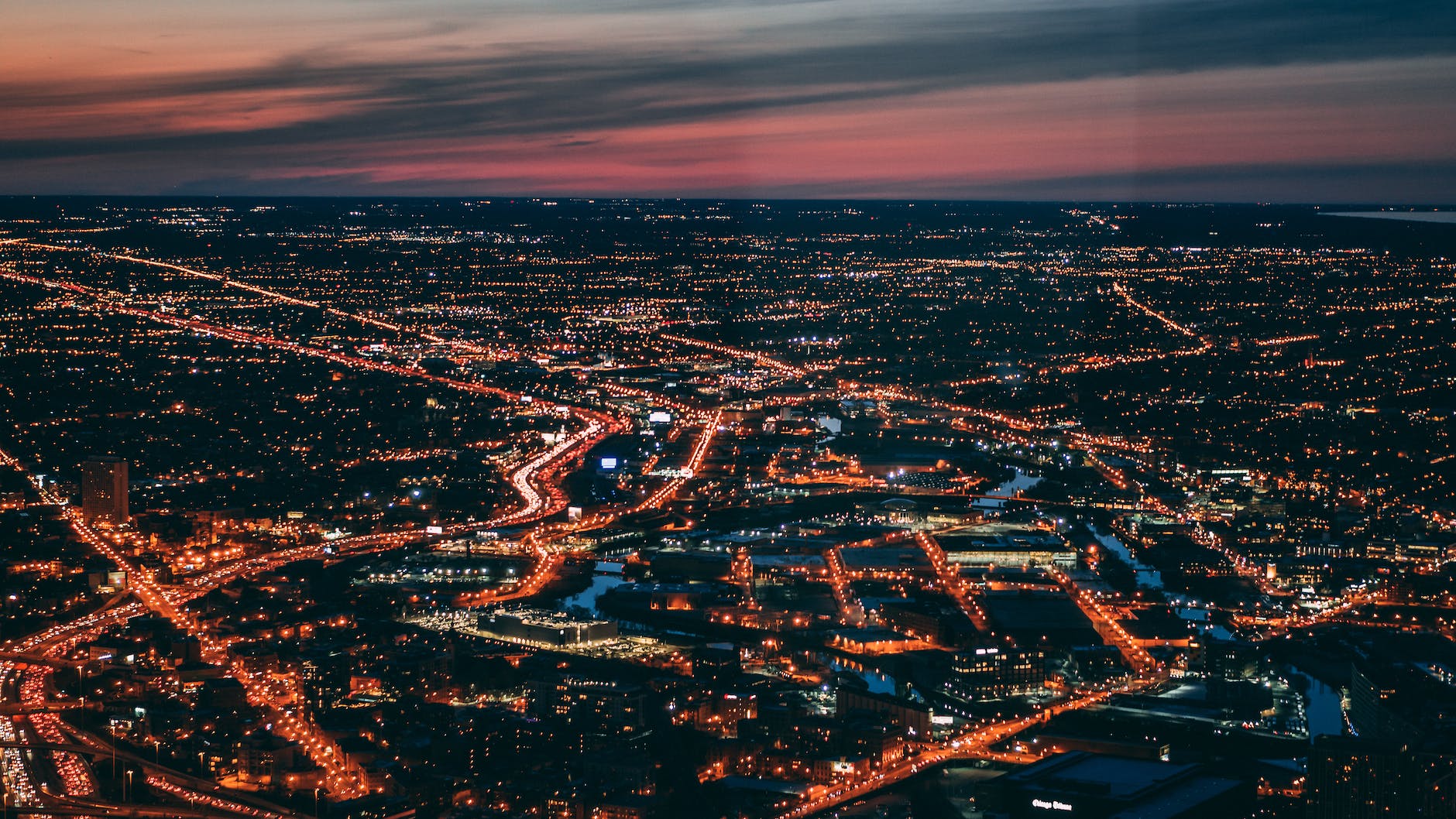
Bloomingdale officials faced a similar scenario with Stratford Square, which once brought in $20 million a year in sales tax, but now is mostly empty. The village bought the mall this year for almost $9 million after filing for condemnation against the owner, Namdar Realty Group, as the property fell into disuse.

According to the FY 24 budget of the Village of Bloomingdale, they had $41 million in tax revenue. If the mall once brought in $20 million in sales tax revenue, that is a big change for a suburban community. Because the mall has declined over time, they have had time to adjust to the decreasing sales tax revenue. Still, that is a large amount.

What are the odds that the new land uses generate that amount of money? Given the state of retailers and brick and mortar establishments, this might be difficult. And there appears to be less demand for suburban office space. A mixed use setting, popular in suburban redevelopments (one example not too far away), could sustain some business and office activity. Residential development could provide more housing options but also require some different city services.

This reminds me of the long-term process redevelopment can often be. From the peak of the shopping mall to what the new development might look like, decades could pass. In the meantime, the community has changed and social and economic life has changed.


Participatory budgeting in the US started in Chicago

Participatory budgeting involves community members in discussions of and decisions about local monies. While this is not a widespread process, it started in this country in Chicago:

Photo by Pixabay on Pexels.com

Participatory budgeting, in which members of the public get a direct vote in how tax dollars are spent, has been around in Chicago for more than a decade, and made its U.S. debut here in the North Side’s 49th ward in 2009, led by then-Ald. Joe Moore.

The concept was born in Porto Alegre, Brazil in 1989 and is now used in cities across the world. In Chicago, residents vote on how to spend the majority of the $1.5 million in “menu money” City Council members are allotted for infrastructure projects each year — in the handful of wards that choose to use it. It’s also utilized in a handful of Chicago Public Schools as a form of civic education.

But despite its special ties to the city, participatory budgeting, or PB, has failed to launch on the scale advocates envision, lagging other U.S. cities such as New York and Boston that have implemented different versions of citywide programs. Now, proponents of participatory budgeting see an opportunity with Chicago’s newly elected mayor, who has vowed collaboration with residents, and whose transition report calls for Chicago to be “real pioneer” in participatory democracy.

Many local issues involve money. Where is it coming from? Where is it being spent? Who is benefiting and who is not? One local expert describes the benefits of participatory budgeting:

“That’s what our research shows is that over and over again, people who participate talk about how they learn more about what their needs are in their community, that they meet more neighbors, they feel more positively about their aldermen, they learn more about how government works, they’re more comfortable contacting government agencies and officials,” said Crum, whose group also helps alderpersons facilitate ward-level participatory budgeting processes each year.

Would doing more participatory budgeting help restore public faith in government? If a good number of residents feel that elected people or appointed officials are not using money in ways that are good for the community, it can be easy to criticize the whole system. At the least, participating in budget conversations can help reveal all of the possible priorities and how decisions might be made.

How much would empty urban office buildings affect municipal tax revenues?

With talk of empty urban office buildings leading to a decline in property values, how might this affect tax revenues collected by cities? Here is one estimate:

Photo by Bekir Du00f6nmez on Pexels.com

Municipal governments have even more to worry about. Property taxes underpin city budgets. In New York City, such taxes generate approximately 40 percent of revenue. Commercial property—mostly offices—contributes about 40 percent of these taxes, or 16 percent of the city’s total tax revenue. In San Francisco, property taxes contribute a lower share, but offices and retail appear to be in an even worse state.

These are not huge numbers but they do contribute to the overall local budget picture. Office or commercial buildings in cities that are not being used or are being turned over to lenders or are prospects for building conversions will not generate as much tax revenue as they might when demand for such properties is higher.

How will cities address this? It will be interesting to see different approaches that could be affected by local real estate markets, housing needs, and budget specifics. If there are a few cities that are able to limit the revenue damage, they might serve as models for others.

(This is also a problem for suburbs with large amounts of office and commercial space.)

What are the odds the new Kennedy Expressway construction ends in 3 years?

Chicago area drivers will soon face another major construction project, this time on the Kennedy Expressway, for several years:

Photo by Chait Goli on Pexels.com

The $150 million project will take place along a 7.5-mile stretch from the split at I-94 south to Ohio Street, and at the massive underpass near Hubbard Street downtown. It will include rehabbing 36 bridges and the highway’s reversible express lane access system, replacing overhead signs, upgrading lighting, paving and painting.

The work is designed to improve safety, traffic flow and reliability on the 10-lane expressway, used by more than 275,000 drivers each day, the Illinois Department of Transportation said. The last major rehabilitation of the 63-year-old roadway was in 1994, and bridges were last repaired a decade ago.

Construction is expected to take place in phases over the next three warm-weather seasons, starting with the inbound, or southbound, lanes this year…

The outbound work and the updates at Hubbard’s Cave are expected to be complete in late fall 2025.

The last major road project nearby went over budget and over time. Are there publicly posted odds regarding this project?

Given the importance of this stretch of highway for the Chicago road network, it is hard to say that the construction should not happen. Even as the cynic might note that as soon as this project is over the next stretch of the Kennedy will be under construction, roads do need repair. But, what are the consequences if the project is not completed on time? Are there any significant incentives that can help make sure this project stays on track and within budget?

It does not help that the timeline for this project is so long. At some point, the regular driver on the Kennedy may have a hard time remembering when the road was not under construction. In fall 2025, how many will remember the optimism of a prediction of 3 years? If it goes into 2026 and the cost went up some, how many will care? I will set a mental note for late 2025 but we will see what happens…

The American difficulty in building and funding major infrastructure projects, California high-speed train edition

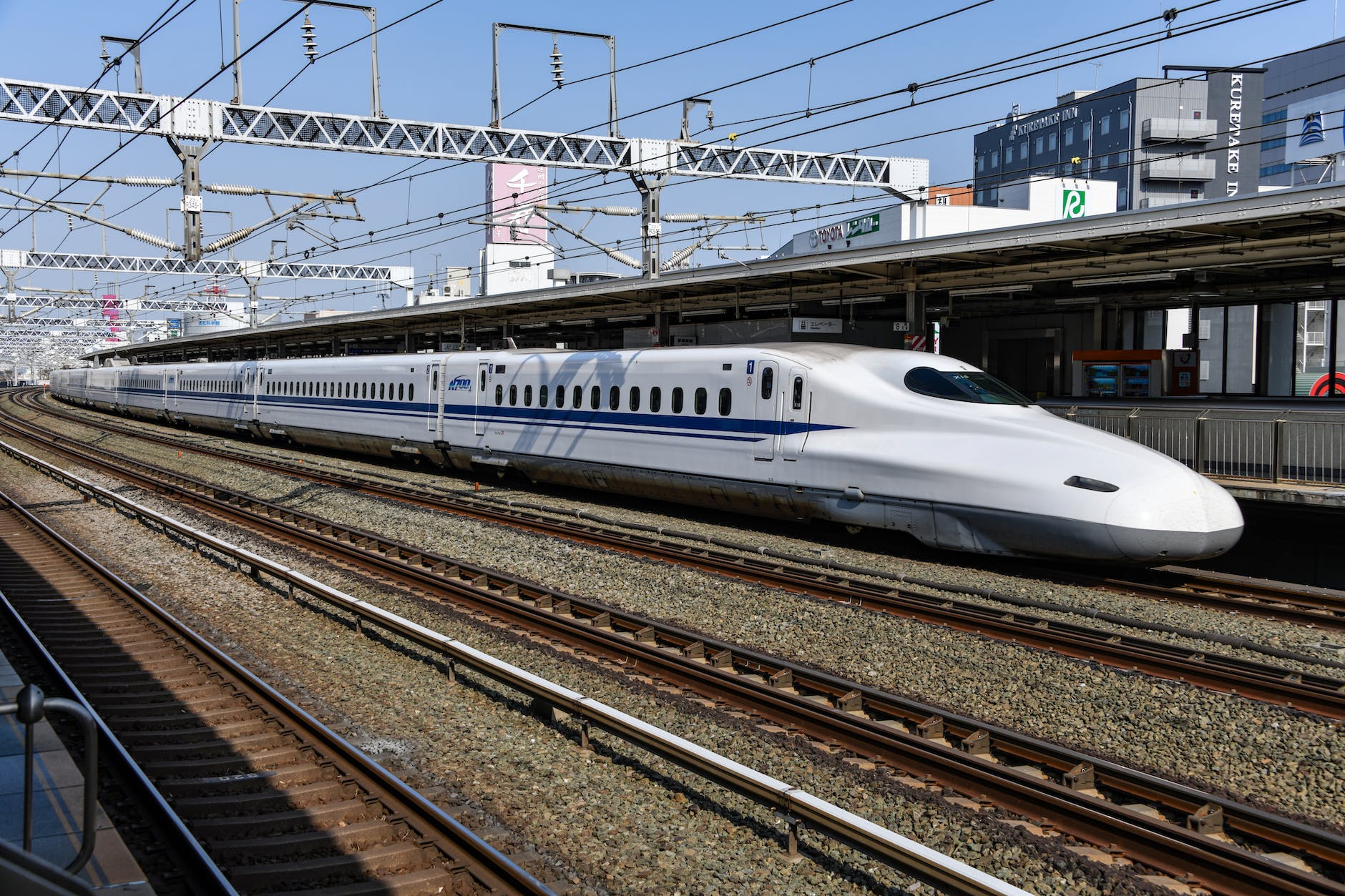
The cost and time needed to build a high-speed rail line in California keeps increasing:

Photo by David Dibert on Pexels.com

A New York Times review of hundreds of pages of documents, engineering reports, meeting transcripts and interviews with dozens of key political leaders show that the detour through the Mojave Desert was part of a string of decisions that, in hindsight, have seriously impeded the state’s ability to deliver on its promise to create a new way of transporting people in an era of climate change…

When California voters first approved a bond issue for the project in 2008, the rail line was to be completed by 2020, and its cost seemed astronomical at the time — $33 billion — but it was still considered worthwhile as an alternative to the state’s endless web of freeways and the carbon emissions generated.

Fourteen years later, construction is underway on part of a 171-mile “starter” line connecting a few cities in the middle of California, which has been promised for 2030.

Meanwhile, costs have continued to escalate. When the California High-Speed Rail Authority issued its new 2022 draft business plan in February, it estimated an ultimate cost as high as $105 billion. Less than three months later, the “final plan” raised the estimate to $113 billion.

This is not the first time this has happened in the United States. Many major projects, ranging from highway construction to tunnels to bridges, involve expanding timelines and budgets. Even though people may not care as much about these changes once the project is done and things work, the extra time and money comes from somewhere and can affect a lot of people.

There must be some major projects that are completed on time and on budget. Are these properly celebrated?

Complicated urban repairs: 20 years to repair 11 blocks of Park Ave above and below ground

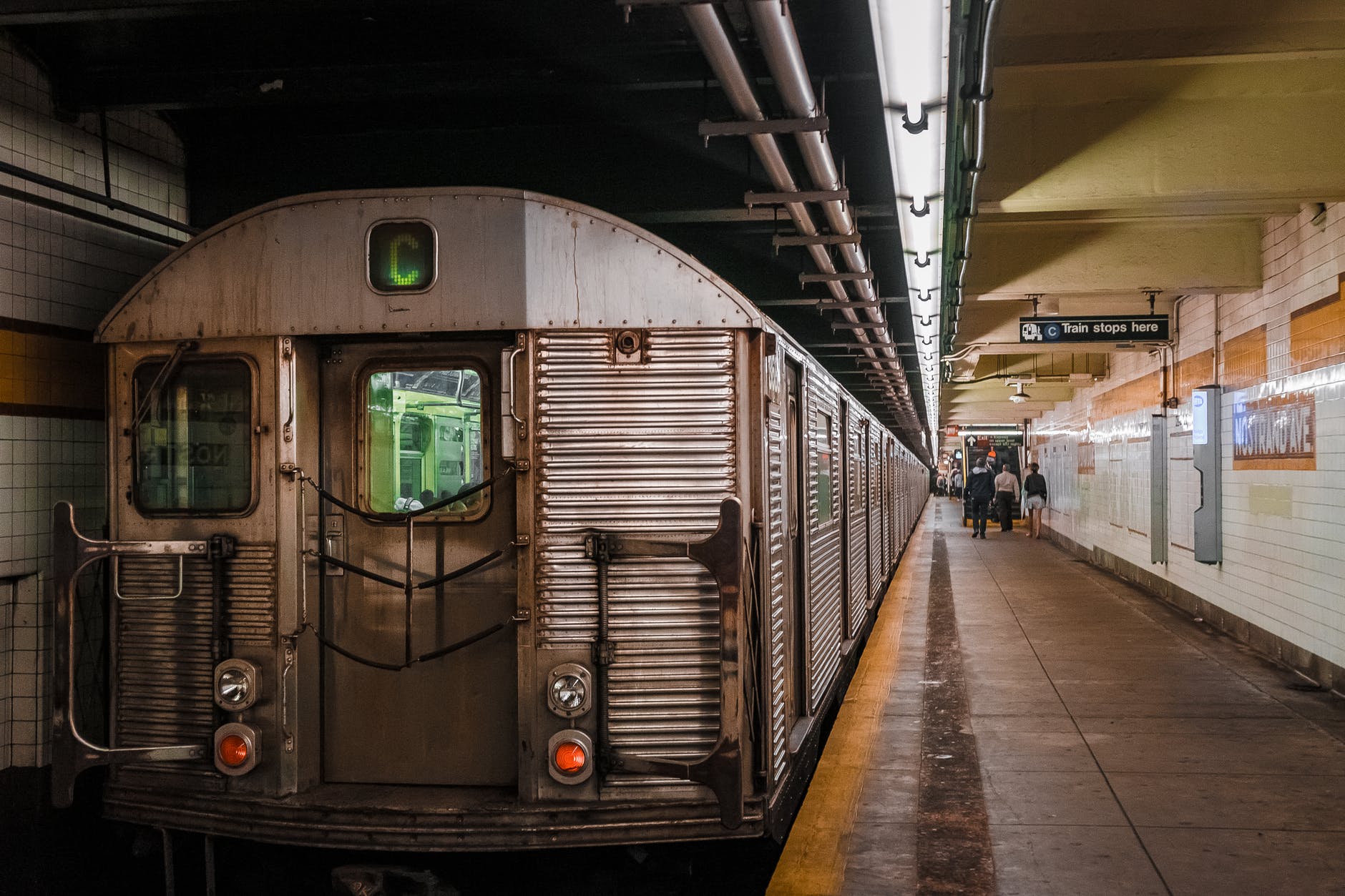
Manhattan is dense, above ground and below ground. Hence, the city is planning for a 20 year project to to a portion of Park Avenue:

Photo by Vlad Cheu021ban on Pexels.com

The good news is the city finally has plans to restore 11 blocks of Park Avenue north of Grand Central to a semblance of its former glory, Bloomberg reports, expanding the median from a useless 20 feet to a potentially-rejuvenating 48 feet. That redesigned street could include bike paths, walking paths, and generally more space for things other than cars or pretty things for people in cars to look at as they drive by.

The bad news is many if not most of the people currently living and working in New York will not be around to enjoy it once it’s done. It will take 20 years to redesign these 11 blocks, according to the city’s Department of Transportation. Yes, you read that right. The project to redesign 11 blocks of a Manhattan street will not be completed until 2042.

But there is no mistake, according to both DOT and Kaye Dyja, Powers’s spokesperson. As Dyja explained, “The reason the construction is going to take a long time is because they’re improving the underground railroads leading to Grand Central, as well as redoing the ‘train sheds.’ This entails that they’re digging up the ground, so the construction will have to take place in stages which will end up taking many years to complete.”

The project Dyja is referring to is a massive $2 billion renovation of the Metro North infrastructure underneath Park Avenue from Grand Central to 57th Street. Park Avenue is a bridge over those tracks, and like many of the U.S.’s bridges, this one is falling apart, too. The project will involve ripping up sidewalks and the median of Park Avenue a couple blocks at a time, going section by section, down the stretch of Park Avenue. It is expected to cause more or less permanent disruption to the Midtown East area, to varying degrees, over the next two decades. 

As a kid, I remember reading books with cross-sections of underground Manhattan. Seeing all of that infrastructure needed for modern urban life – pilings for skyscrapers, subways, water pipes and sewers, etc. – was fascinating.

The flip side of that is the work it takes to make significant changes to such a system. It takes time (and money) to work around what is there and complete the work.

The time is one factor but I wonder about how the budgets will work over a 20 year period. Large American infrastructure projects can have a tendency to stretch in terms of time and budget as the work is underway.

I would love to say I will check in on this in twenty years but that is a long commitment…

City government funded by cryptocurrency

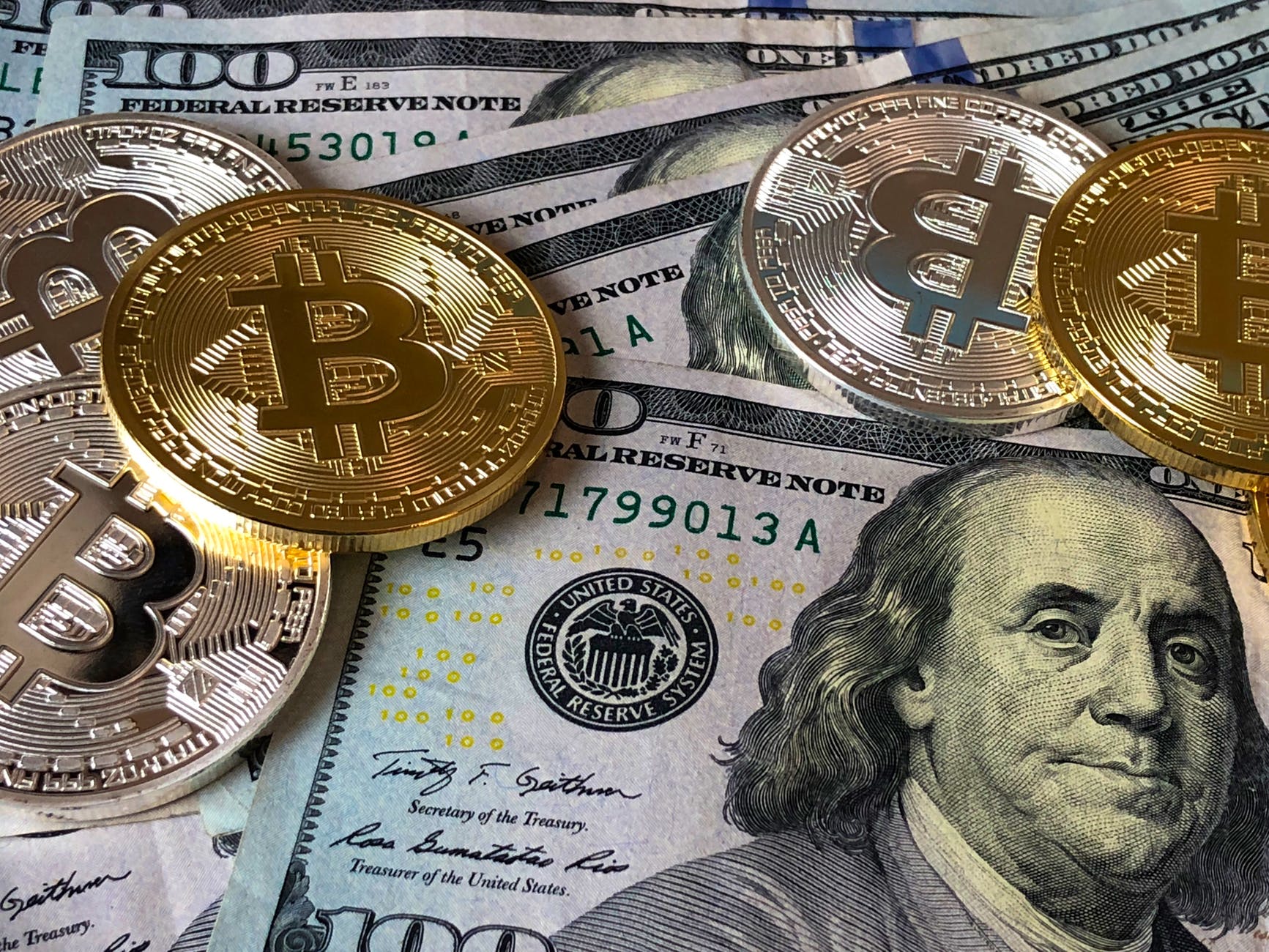
At least one leader in Miami thinks the city can raise substantial revenue through partnerships with cryptocurriencies:

Photo by David McBee on Pexels.com

The lofty idea is the byproduct of a cooperation with CityCoins, a nonprofit that allows people to hold and trade cryptocurrency representing a stake in a municipality. By running software on their personal computers, CityCoins’ users mint new tokens and earn a percentage of the cryptocurrency they create. A computer program automatically allocates 30 percent of the currency to a select city, while miners keep the other 70 percent.

Since the nonprofit unveiled “MiamiCoin” in August, it has sent about $7.1 million to Miami. (City commissioners agreed to accept the donations on Sept. 13.)

While the program is still in its infancy, Suarez (R) estimates the effort could generate as much as $60 million for Miami over the next year and ultimately “revolutionize” how the city funds programs that address poverty and other societal issues…

Over the past year, several financial and tech firms set up offices in the city, including Goldman Sachs, SoftBank and Blackstone, according to Suarez. In June, the crypto wallet Blockchain.com announced it was moving its headquarters from New York City to Miami, citing the city’s “welcoming regulatory environment serving as a hotbed of crypto innovation,” the company revealed in a news release. That same month, the stock-trading platform eToro announced plans to establish offices in the city.

In many ways, this is a continuation of what cities have tried to do for decades: diversify their tax base and/or become a leader in a certain industry or sector, particularly in a new area. All of this helps bring in new tax revenues, jobs, and provides a certain status for the city.

Because of its growth in recent decades plus expectations that it will continue to grow, many American cities want to attract tech companies and grow the tech sector in their own community. If cryptocurrency is the new hot thing, everyone wants that.

On the other hand, chasing after the new thing does not always work out. Some cities will succeed in becoming cryptocurrency hubs, others will not. In a few years or decades, we can better assess Miami’s efforts. How much does cryptocurrency, or any tech business, need to be anchored in a particular place as opposed to conducting their business online or through a more distributed set of locations?

Additionally, cities are also interested in ways to generate easy revenue. When I read this article, I also thought of tourism. Many cities want to play in this game because there is a lot of money involved and visitors come, spend money, and then go home and do not require the long-term services that come with population growth. But, tourism is also dependent on factors like weather, pandemics, broad economic patterns, and more. Is cryptocurrency the newest easy money?

Cost and time overruns on public projects do not matter once the task is done

In a look at the troubled construction of the Salesforce Transit Center in San Francisco, one civil engineer puts the problems in perspective:

Paul Gribbon, a civil engineer who brought Portland, Oregon’s $800 million Big Pipe sewer project in on schedule and within budget, points out that, along with cost and time overruns, there’s another general law regarding megaprojects. “Once it’s up and running, once there’s a shining new bridge or light-rail station, people tend to forget about how much it cost, in all senses of the word.”

If the project eventually gets done and it all works, life moves on and the delays, frustrations, and extra monies fade into the past.

But, such challenges seem to be common in at least a few major American infrastructure projects in recent decades. What could help reduce these odds? Or, are these projects so complex that even a small issue – such as cracked steel beams in San Francisco – can create significant ripple effects and headaches?

My guess is that the civil engineer is correct: after delays and blown budgets, people just want something to work. The frustration during the process will dissipate as the public takes it as normal. They will feel relieved when the troubles are over. Yet, the long-term goal across all these projects should be to continue to seek timeliness and on-budget performance as the size of these projects can influence numerous other civic and municipal priorities as well as create inefficiencies for many.

Adding more context to Americans spending 7% of income on gas

AAA reports on how much Americans spend on gasoline:

Analysts say Americans are now spending 7% of their income on gas, a statistic that is up 1.5% from last year.

If you make $45,000 per year, you’re shelling out over $3,000 just to put gas in your vehicle.

The 7% figure may be interesting in itself but this is a statistic that begs for more background information. Is 7% a lot or a little? Should people be alarmed?

The story already includes two pieces of context:

  1. This is an increase from last year. Generally, people do not want to be paying significantly higher prices year after year. While 1.5% is a low number, drivers would probably not want this number to keep going up.
  2. A slightly lower than average income person or family – the median household income is a bit higher than this – spends over $3,000 on gas. People could read this figure and then think where else that $3,000 could be used.

But, there is more information that could be useful here.

  1. Historically, how much do Americans spend on gasoline? The article includes a one-year trend but how does this look over decades? Are gas prices going up the same way medical costs are going up?
  2. How does this 7% compare to other essential categories of spending such as food (and the groceries vs. eating out breakdown could be interesting) or housing?
  3. What are the total costs of car ownership? Gasoline adds up but vehicle owners also have to factor in maintenance and insurance.
  4. These are average figures for gasoline consumption: how much different will gas costs be for SUV and truck owners (and these are driving the car market) versus small car owners?
  5. How does this compare to gasoline costs in other countries? The rise to 7% may seem like a lot but gasoline costs more in some other industrialized countries and people in other countries drive less than Americans.

While this may be too much to ask for a short news story, gas costs, as well as most other social and economic statistics, are complicated. The numbers do not necessarily interpret themselves. Something going up or down or staying the same is as meaningful as its context and what we make of it.

Living by “a week’s pay for a month’s rent” in the early suburbs

Within a set of observations in Harper’s in 1953 about the new way of life in six mass-produced suburbs, Harry Henderson discusses the financial situation of the new suburbanites:

Henderson1b

Henderson2

Three quick thoughts:

  1. If we still adhered to the guideline of one week’s pay to cover housing, a lot of suburbanites would be in trouble. That rule suggests 20-25% of earnings should be for housing, not 30% which was a more common guideline today. But, with the dearth of affordable housing in many metro areas plus a desire of many suburbanites to be in communities that will help them be successful (i.e. good housing values, high-performing school districts, middle- to upper-class neighbors, a community with a good reputation, etc.).
  2. The desire to achieve the American Dream of owning a home in the suburbs is a powerful one as these residents of mass suburbia were willing to stretch financially – taking on extra work, living with in-laws – to make it happen. I would guess that this is still the case today.
  3. The full article is both an interesting snapshot of suburban life at the beginning of mass suburbia as well as an odd read since it treats suburbia as the exotic. Henderson admits at the beginning that the notes are subjective but they both provide some interesting information as well as provide insights into how outsiders viewed these early suburbs.