From one sacred domain to another? Religious buildings as spaces for the arts

When studying the conflict that could arise when religious groups proposed zoning changes, I encountered a number of creative efforts by religious congregations to generate income with their building. Here is another use: creating spaces for the arts.
Photo by cottonbro on Pexels.com

“The problem is that, particularly in New York, congregations are housed in large, historic properties, with large amounts of deferred maintenance,” nonprofit leader Kate Toth told Religion News Service. “At the same time, membership in most religious communities is declining. Those are two difficult trends to square.”

But Toth has a solution to offer. Enter Venuely, a space sharing website launched this month. The interfaith platform borrows from other space sharing models like Airbnb to match houses of faith in New York Citythat have surplus space to short-term renters in search of a deal. It’s also founded by two nonprofit organizations (Bricks and Mortals and Partners for Sacred Places) that aim to develop capacity for faith communities, not line their pockets…

“We’re turning (the space) into an outreach mission for theater community, and because we’re nonprofit we can offer the space at a very good price,” said Hutt. “Churches have a lot of unused capacity. It makes a lot of sense for that space to be available for other organizations, especially when you have a mission match like we do with the theater community.”…

Looking ahead, St. Luke’s plans to use Venuely to rent its stained-glass adorned sanctuary as well as a multipurpose room to members of the arts community. For Strasser, opening the space up for nonprofit arts groups is an extension of what the church does on Sundays.

Many religious buildings are constructed with the idea that their spaces are sacred or can become sacred or are imbued with the sacred. They are physical buildings constructed by people yet when people of faith come together and experience fellowship and worship, the building is something different. My colleague and I wrote a book about this.

What then happens when the building is used for a different purpose? The religious congregation itself may do this; not all of their activity may be sacred in the same way or draw on sacred themes. There may be more profane activities in the buildings as well such as cleaning or people engaging in more mundane activities inside.

For some religious traditions and congregations, the arts is a relatively close domain to religious sacred space. Through music, art, theater, and other forms, the arts can invite creators and audiences to consider big questions and reflect on life. This all can be enhanced by a physical space that works with the creation. (Other religious traditions might be less open to this. Evangelicals, for one, are not known as a group that encourages the arts and may not want to share spaces.)

It will be interesting to see how Venuely does and how congregations, creators, and audiences respond to the possible venues.

Owning and selling over $1 billion in art

The art collection of Paul Allen will soon go to auction with the proceeds going to charities:

Photo by Sora Shimazaki on Pexels.com

In a statement, Christie’s said that the famed auction house will sell off more than 150 ‘masterpieces’ belonging to Allen’s foundation. The collection spans over 500 years of art history while the value of the works is more than $1 billion. The auction is titled: ‘Visionary: The Paul G. Allen Collection.’ The proceeds will be divided up among various charities.

Among the artists’ whose work is featured in Allen’s collection include Paul Cezanne, Jasper Johns, David Hockney, Edward Hopper, Pierre-Auguste Renoir, Georgia O’Keefe, Paul Gauguin, Roy Lichtenstein and Claude Monet. Following Allen’s death, it was revealed that he was the anonymous buyer of Monet’s haystacks painting titled Meule in 2016. The painting sold for $81.4 million.

Because I am teaching a class titled Culture, Media, and Society this semester, a sociology of culture course, this news caught my attention for several reasons:

  • The amount of wealth concentrated in a set of created objects is fascinating to consider. This is considered a good investment for those with the means:

In the aftermath of the Covid-19 pandemic, the art world continues to see major gains. According to a UBS study, the art market generated over $65 billion in 2021 alone. The US art market made up 43 percent of the value share. 

  • This is a reminder of the amount of wealth – and presumably networking – involved in the major art markets. People with fewer resources can see major works in museums or galleries but the owners of such works are in different social categories and circles.
  • Living with such work that is considered important and/or expensive must be interesting:

In 2015, he told Bloomberg: ‘To live with these pieces of art is truly amazing. I feel that you should share some of the works to give the public a chance to see them.’ Allen said in the same interview that his art collection was a ‘very, very good investment for me.’

  • How does someone become invested – economically, socially, personally – in art? According to Allen:

It was a visit to London’s Tate Gallery that exposed him to classical works by J.M.W Turner as well as the pop art of Roy Lichtenstein. That visit left Allen ‘profoundly moved.’ The bio continues by saying: ‘That experience ignited within him a passion for art — and for making art accessible to more people.’

As we consider culture as “processes of meaning-making” (definition from sociologist Lyn Spillman), there is a lot of meaning-making in Allen’s milieu, actions, and legacy.

Two communities and two different approaches in advertising to baseball viewers

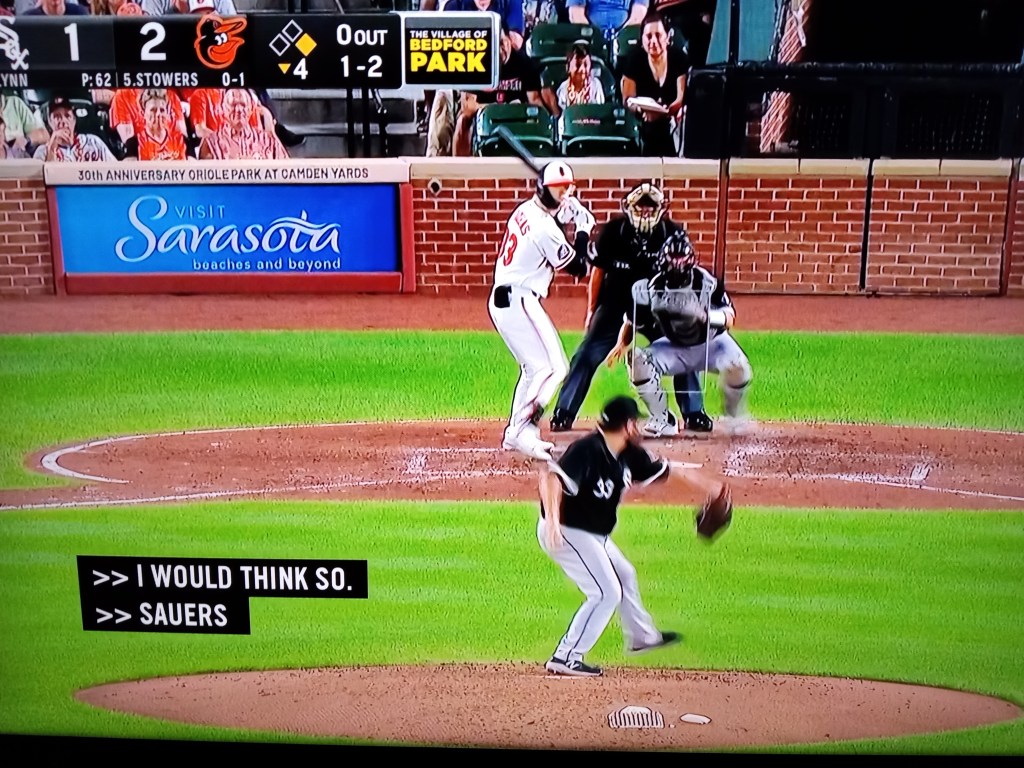
What is the most effective way for a community to reach viewers of a baseball game? Here are two contrasting approaches on last night’s White Sox broadcast:

The Village of Bedford Park is not unknown to media consumers in the Chicago region; they advertise the advantages they provide for businesses, including plenty of water. The suburb has less than 1,000 residents but wants your business.

In this ad, there is little communicated about the Village outside of its name. Name recognition has some value; the Chicago area has hundreds of suburbs and knowing this small suburb could be consequential.

Contrast this approach with that of Sarasota. A bigger community of over 50,000 residents, the suburb emphasizes “beaches and beyond.” This could be aimed at tourists, visitors who bring in money to hotels, property owners, restaurants, stores, and more, or people who might want to relocate to a land of beaches.

This approach is more common when communities advertise. Including the name, a tagline or motto, and some sort of image – here Sarasota in a particular script and with a flowing tee – aims for name recognition and some knowledge about the community.

Are either of these approaches effective for baseball fans watching the game? Do they decide to take their business to Bedford Park or visit Sarasota? Many communities now advertise and engage in branding in similar ways but it would still be interesting to hear officials in both of these communities discuss the merits and return on investment of these marketing approaches.

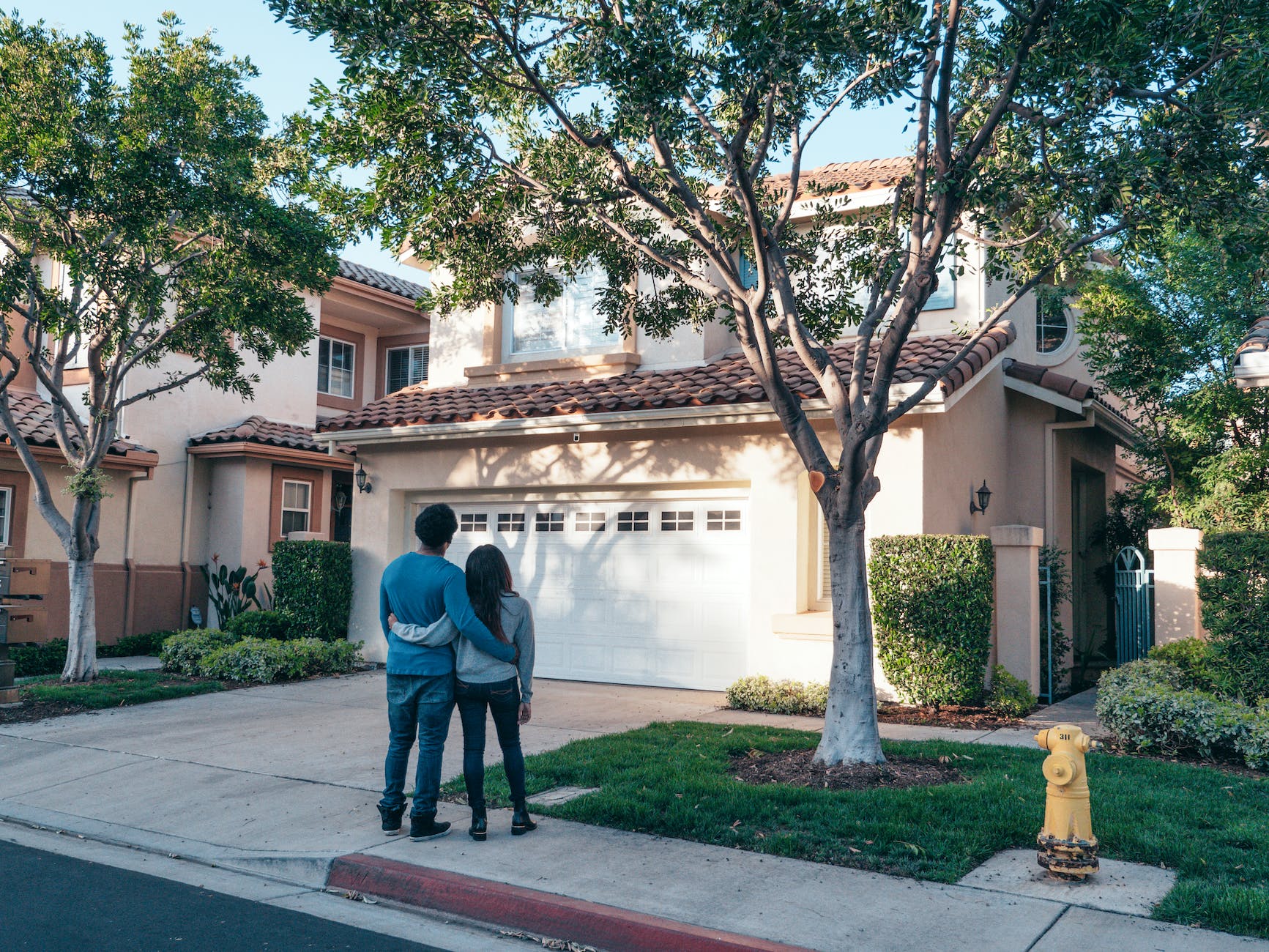
Helping readers see patterns and the bigger picture in new housing price data

The headline reads:

Photo by Kindel Media on Pexels.com

Home prices fell for the first time in 3 years last month – and it was the biggest decline since 2011

This quickly relays information about recent trends – prices went down for the first time in a while – as well as longer patterns – biggest drop in over a decade.

Next are some figures on housing affordability:

Now, housing affordability is at its lowest level in 30 years. It requires 32.7% of the median household income to purchase the average home using a 20% down payment on a 30-year mortgage, according to Black Knight. That is about 13 percentage points more than it did entering the pandemic and significantly more than both the years before and after the Great Recession. The 25-year average is 23.5%.

The housing affordability statistic is put into terms accessible to a broad audience: nearly 33% of the median household income is needed to buy the average house with common mortgage terms. Additionally, this percentage is higher than recent years and a longer 25 year stretch.

Some housing markets are seeing bigger price declines than others:

Some local markets are seeing even steeper declines over the last few months. San Jose, California, saw the largest, with home prices now down 10% in recent months, followed by Seattle (-7.7%), San Francisco (-7.4%), San Diego (-5.6%), Los Angeles (-4.3%) and Denver (-4.2%).

It could be noted that these are expensive and hot real estate markets. Yes, they had larger drops but they had been pushed higher in recent years than many other markets.

And the article ends with information on mortgage rates:

The average rate on the popular 30-year fixed mortgage began this year right around 3%, according to Mortgage News Daily. It climbed slowly month to month, pulling back slightly in May but then shot more dramatically to just over 6% in June. It is now hovering around 5.75%.

This highlights the rise in mortgage rates this year. Some broader context might be helpful; what was the average rate before COVID-19 or over the last 10 years?

This article provides numerous statistics and often puts the figures in context. Yet, it does lead one lingering question: what is the state of housing prices overall? One answer might be change after a period of trends during COVID-19. Another might be to focus on different actors involved: how does this affect the housing industry or what about the difficulty of some to get into the housing market or it could be a story about higher housing values for many homeowners.

Statistics are not just facts thrown into a void; they require interpretation and are often applied to particular concerns or issues.

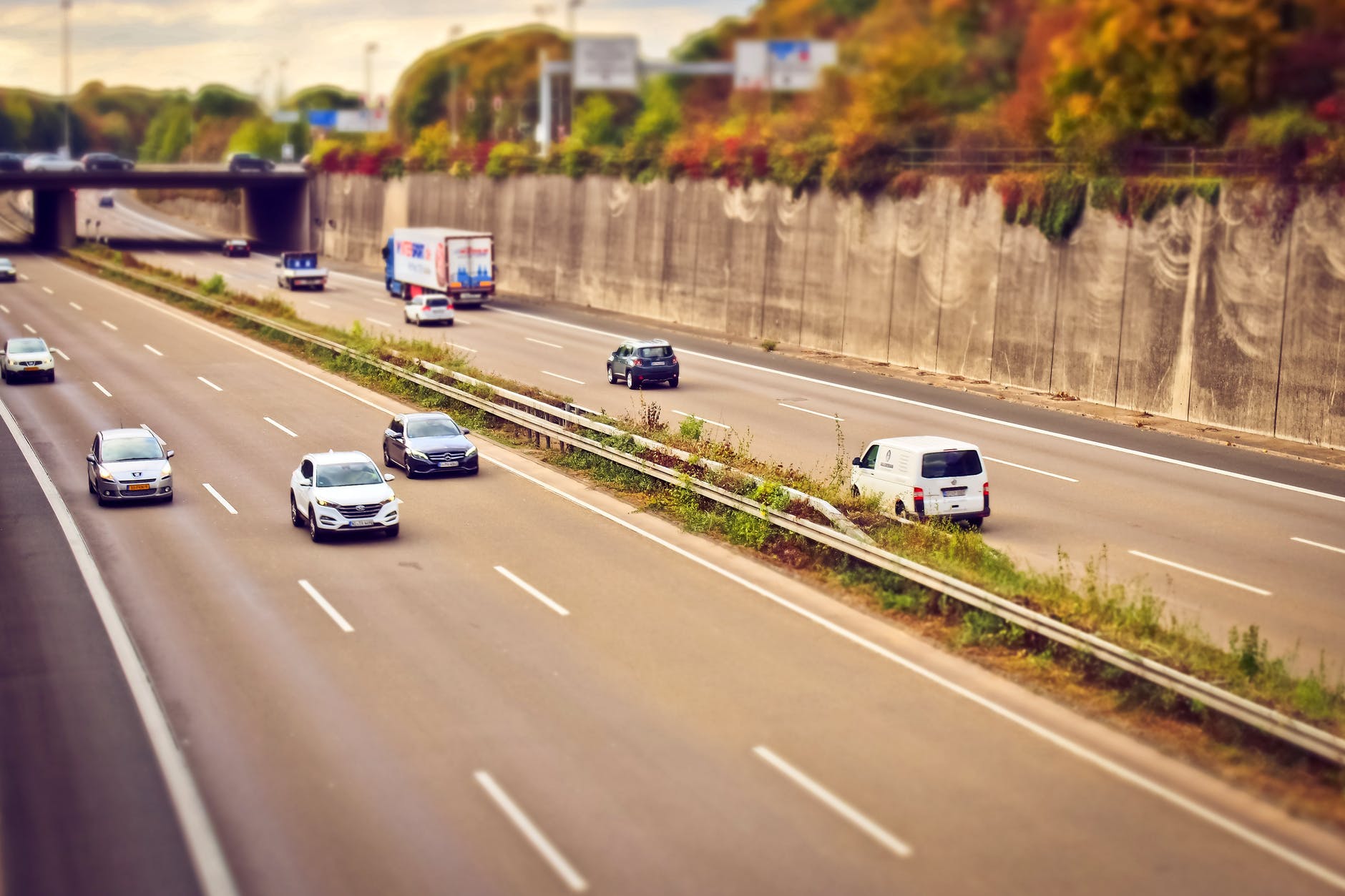
Americans love highways so much they are willing to volunteer to keep them clean?

I saw my share of Adopt-a-Highway signs this summer on driving trips. Here is some of the history of the program:

Photo by Pixabay on Pexels.com

The Birth of Adopt-a-Highway

The idea hit James Evans like an empty soda can, or maybe it was a discarded candy wrapper. Evans, an engineer for the Texas Department of Transportation, was driving one day in 1984 when he saw litter blowing out of the back of a pickup truck. Littering was a growing problem in Texas at the time, and while Evans knew that his department didn’t have the resources to combat it, he saw a prime opportunity to promote volunteerism. One year later, Billy Black, the public information officer for the Tyler District of the Texas Department of Transportation, collaborated with Evans and organized the first Adopt-a-Highway program.

How the Program Works

The program varies slightly by state, but volunteers typically apply to adopt at least two miles of highway for two years, and are responsible for cleaning that stretch at least four times per year. In return, the adopter’s name is recognized on a sign along that stretch of highway. The Adopt-a-Highway program saves taxpayers millions of dollars in cleanup costs and allows state governments to allocate transportation funds to other projects. The number of state employees devoted to highway cleanup and beautification has plunged since the advent of the Adopt-a-Highway program. A number of states, including New Hampshire, have Sponsor-a-Highway programs, where volunteers make donations to pay for maintenance crews to clean a stretch of highway in exchange for recognition on a sign…

The Adoption Movement Spreads

The Adopt-a-Highway program was a huge success in Texas and other states soon took notice. The program, or a variation thereof, eventually spread to all 50 states, as well as Puerto Rico, and several countries, including Australia, Japan and Spain. The most common adopters are civic groups and local businesses, though individuals occasionally adopt. Celebrities, including Bette Midler and Robin Williams, helped raise the profile of the program by adopting their own stretches of highway. Today, a handful of for-profit companies manage the sponsoring of highways by large companies looking for positive publicity and what amounts to advertising space on a small billboard.

The description above hints at the convergence of multiple forces: a growing environmental movement, efforts to encourage civic engagement and pride, looking for ways to cut government costs, and opportunities for some marketing.

But, this could be put simply: largely for free, Americans clean up highways. Groups and individuals take time out of their schedules to pick up garbage and debris. Americans love driving and the way of life it is tied up with so much that they clean the highways that enable quick travel via car. Adopt-a-highway works because Americans like highways so much.

Consider an alternative approach. Instead of cleaning up littering and criminalizing the practice, what about deemphasizing highways and major roadways and pursuing other forms of transportation and denser housing? This may seem like a difficult task but so is cleaning the tens of thousands of miles of highways, whether through paid employees or mobilizing volunteers all over.

The water needed to keep the grass green and trees alive at California mansions

Due to water shortages and water restrictions in California, we now know how much water some celebrities are using for their homes and grounds:

Photo by Quang Nguyen Vinh on Pexels.com

Now, the celebrities are among the 20,000 residents in the Las Virgenes Municipal Water District – that holds jurisdiction in the cities of Agoura Hills, Calabasas, Hidden Hills, and Westlake Village – forced to abide by water restrictions with the installation of restrictive devices that will reduce the amount of water used during showers and for sprinklers.

Amid the relentless drought, the water district moved to ‘Stage 3’ restrictions on June 1 to reduce water consumption by at least 50 percent, according to the Los Angeles Times.

Kim Kardashian is one of the A-list celebrities that has received notice to limit the water usage at her Hidden Hills home and her fixer-upper property she purchased next store – after she exceeded water use by about 232,000 gallons in June…

Rocky Balboa actor Stallone and his model wife, Jennifer Flavin, reportedly went over their water budget at their Hidden Hills home by about 533 percent, or 230,000 gallons, in June. The couple used 195,000 gallons of excess water in May…

Meanwhile, NBA star Wade also received a notice that he exceeded his water limit by 90,000 gallons or 1,400 percent in June. While Wade’s water usage is an improvement since May, it’s still more than most users.

While more than just celebrities have received these notices, the water figures here are staggering. To keep a large house and property going, they have exceeded their allotted use by a lot of water. If this does not contribute to the idea that a lush green lawn and landscape is a status symbol, I do not know what does.

On the flip side, imagine a major celebrity eschewing the green lawn and garden-filled property for a property with a lot fewer water needs. Could images of a celebrity yard of drought resistant and native plants help turn the tide against this kind of water usage? Or, a major social media influencer? Overcoming decades of the association between homeownership and status with a green lawn is going to be hard to overcome.

(Consider this a companion post to the one yesterday about California property owners getting money to tear out their grass lawns.)

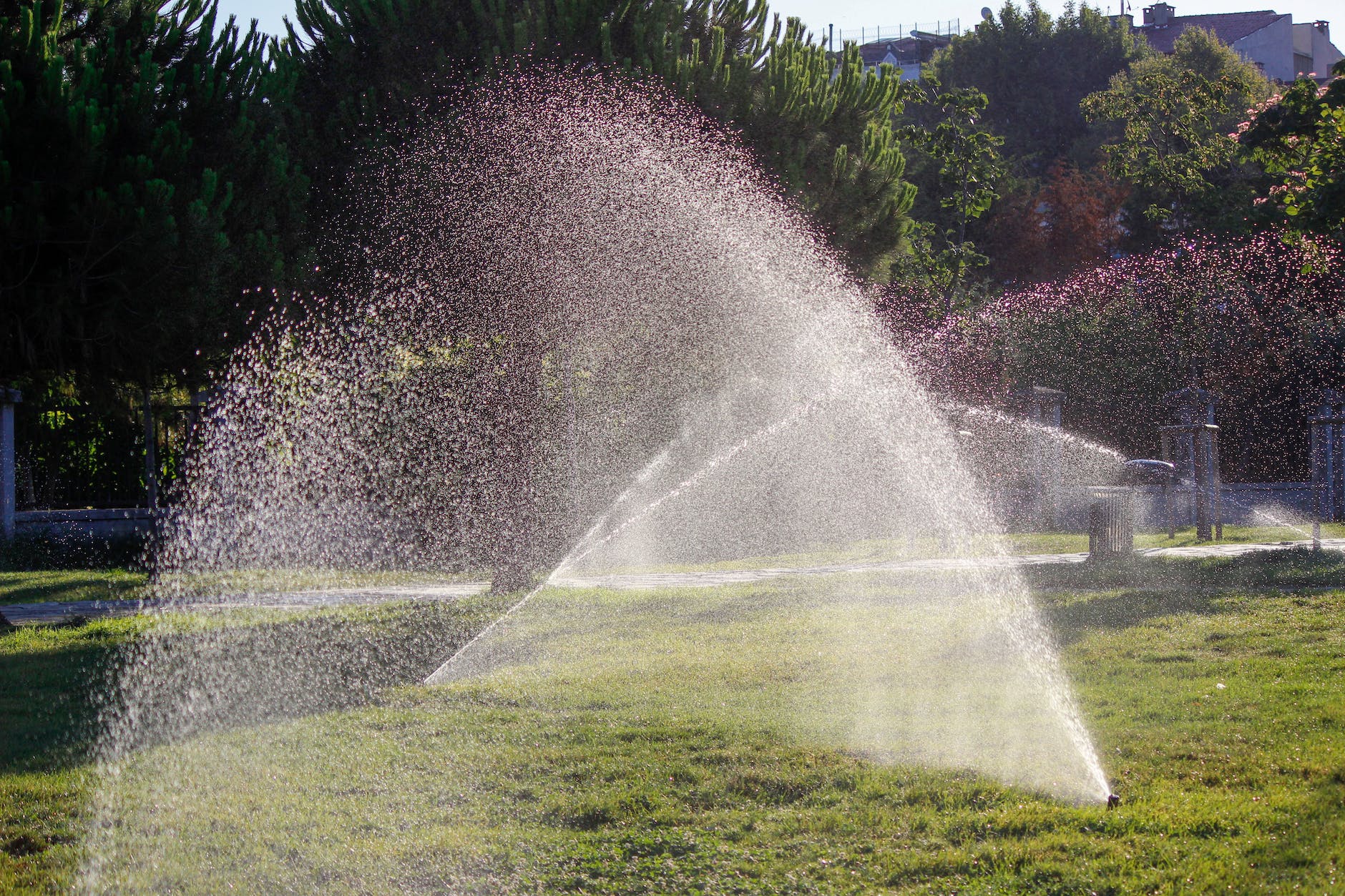
Paying California property owners to tear up their grass lawns

A good number of property owners in California can receive money to remove grass:

Photo by Muhammed Zahid Bulut on Pexels.com

The largest district in the state, the Metropolitan Water District serving 19 million people in Southern California, is paying $2 per square foot of grass pulled out. Water district customer cities and agencies can add more…

The Metropolitan Water District told CNN the number of requests for grass removal rebates jumped four times in July, to 1,172 applications…

The horrific drought led Larry Romanoff to combat climate change by ripping out his grass and replacing it with cactuses and decorative stones. Romanoff will collect $10,500, a whopping $6 per square foot of lawn removed from his desert home…

The Coachella Valley Water District and its customer, the city of Rancho Mirage, are each paying Romanoff $3 per square foot of lawn torn out…

The Public Policy Institute of California’s Water Policy Center estimated for CNN nearly 50% of the 409 water agencies in California are offering some sort of turf removal rebate, both residential and commercial.

Paying property owners now will presumably pay off in the long run as it reduces water use.

Given the water shortages facing California and other Western states, how much money will be allocated to such programs and how many homeowners will go for this? Getting rid of the grass lawn may lead to fewer maintenance needs. But, the grass lawn is such a key part of both the image and the mystique of the single-family home. It might be harder for many to envision a property of rocks and cacti or more native and drought-resistance plants.

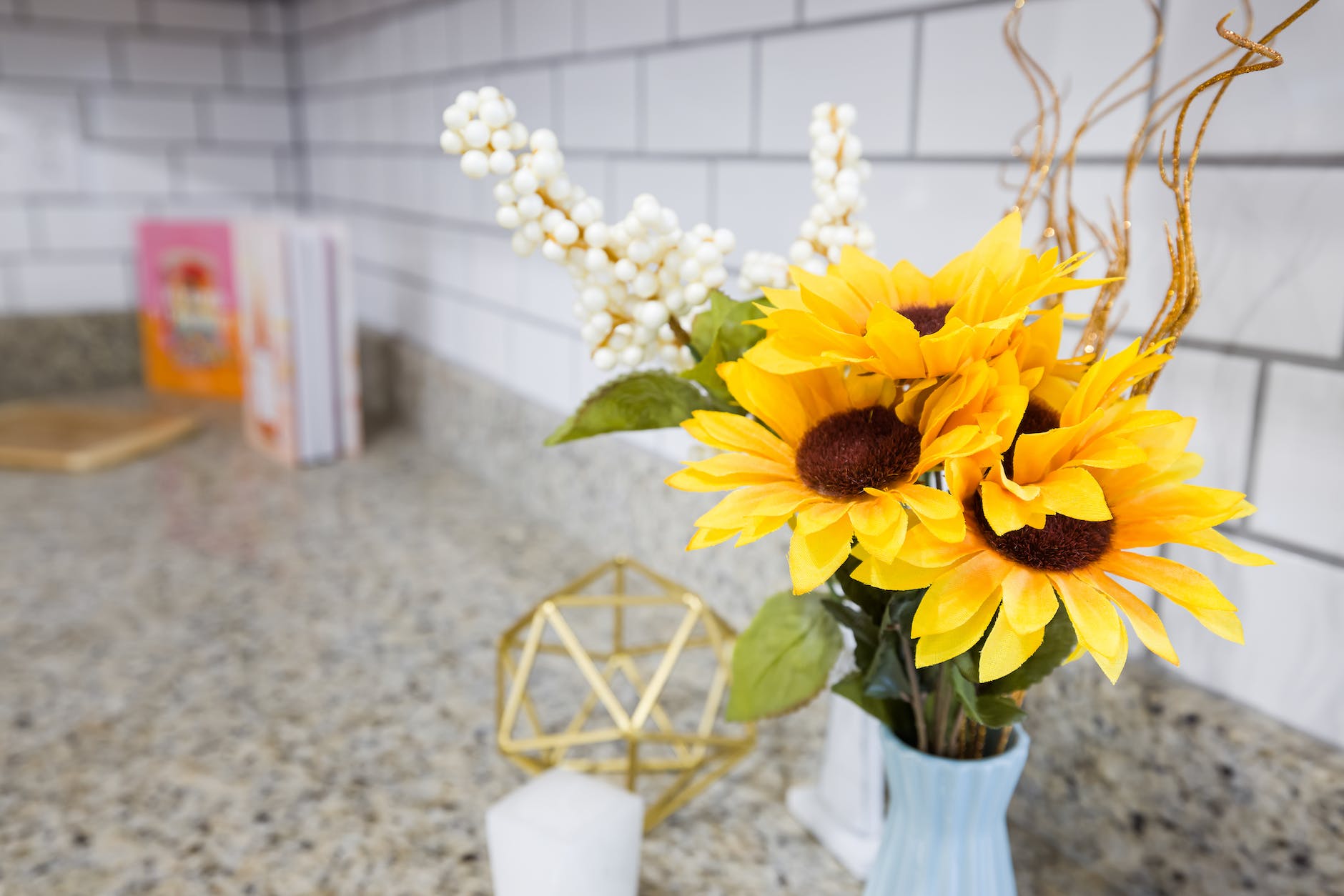
Linking “newness” in a home with particular materials, styles

The impression of “newness” in a home is connected to particular updates and items:

Photo by Curtis Adams on Pexels.com

But not simply any new floors and counters will create the desired effect. The feeling of newness is largely relative, and the only real key to creating it is banishing the things that people expect to see in a dwelling built decades ago—“landlord beige” walls, all-white appliances, dingy carpet, laminate counters, wood so warm-toned it’s practically orange. Gray floors and all of their comorbid design phenomena are cool and crisp and modern by comparison, even if they’re also crushingly boring and totally character-free and really limit a space’s potential capacity to feel warm and alive and like a home.

And the purpose of these changes is to sell properties:

In theory, the things that make up the interior of your home should be either beautiful or useful; if you’re lucky, they’ll be both. And surely some people do lose their mind for gray laminate or subway tile or barn doors, and not just because there’s no accounting for taste. Once a particular design element becomes a shorthand for newness and freshness and successful domesticity, people come around to it precisely because they want their home to reflect those qualities. But that’s a different phenomenon than appreciation for the thing itself—for how nice it is to look at, or how much more functional it makes a space. In the hands of flippers and landlords, these choices are generally made not by people who want to fill the world with the best, safest, most comfortable homes possible but by those looking for a return on the bets they’ve made on the place where you’ll start your family or play with your future grandkids. They’ve chosen these things just as much for what they aren’t as for what they are—inoffensive, inexpensive, innocuous. These houses aren’t necessarily designed to be lived in. They’re designed to go into contract.

I wonder if this process mirrors that of the fashion industry and other culture industries. The production, sale, and popularity of created works and objects moves in waves and trends. Not too long ago, homes featured granite countertops and stainless steel appliances; now it is subway tile and grey floors; shortly it will be something else. Or, formal living rooms were a thing to open concept to providing smaller spaces to enable working from home. The key for those who want to make and sell properties is to appear on trend or close to it.

A related argument: homeowners and sellers exhibit their investment, emotional and economically, in a property by updating it to more recent trends. They show that they care about the home fitting in a new era rather than being left behind. It can suit a new family just as well as it did its original occupants.

Would it be possible to signal newness in different ways? A particular smell? How the occupants use the space? Altered infrastructure (ranging from new furnaces or electrical systems to greener options)? Integrating the Internet, screens, and sounds?

Downtown activity in American and Canadian big cities before and after COVID-19

A new report looks at recent activity in the downtowns of American and Canadian cities compared to that of several years ago:

Activity is down quite a bit in multiple major cities.

Officials in Cleveland do not think the national study, based on cell phone data, quite lines up with what they see in their city:

City officials and the Downtown Cleveland Alliance say the U.C. Berkeley study doesn’t provide an accurate accounting. The “downtown area” in the study doesn’t match what Cleveland locals would describe as their downtown, according to maps shared with cleveland.com.

Data that the DCA publishes each month is less grim, but also doesn’t point to a full recovery.

DCA’s recovery report said there were 4.01 million visits to downtown in May, a 71% recovery compared to May 2019. Visits improved to 4.14 million in June, a 77% recovery, according to the DCA.

There is the matter of measuring this well and the matter of interpreting and using the data for particular purposes. If the consensus of researchers is that downtown activity is down in many places, what policy, economic, and social implications would this have?

Why it can take months for rent prices to show up in official data

It will take time for current rent prices to contribute to measures of inflation:

Photo by Burak The Weekender on Pexels.com

To solve this conundrum, the best place to start is to understand that rents are different from almost any other price. When the price of oil or grain goes up, everybody pays more for that good, at the same time. But when listed rents for available apartments rise, only new renters pay those prices. At any given time, the majority of tenants surveyed by the government are paying rent at a price locked in earlier.

So when listed rents rise or fall, those changes can take months before they’re reflected in the national data. How long, exactly? “My gut feeling is that it takes six to eight months to work through the system,” Michael Simonsen, the founder of the housing research firm Altos, told me. That means we can predict two things for the next six months: first, that official measures of rent inflation are going to keep setting 21st-century records for several more months, and second, that rent CPI is likely to peak sometime this winter or early next year.

This creates a strange but important challenge for monetary policy. The Federal Reserve is supposed to be responding to real-time data in order to determine whether to keep raising interest rates to rein in demand. But a big part of rising core inflation in the next few months will be rental inflation, which is probably past its peak. The more the Fed raises rates, the more it discourages residential construction—which not only reduces overall growth but also takes new homes off the market. In the long run, scaled-back construction means fewer houses—which means higher rents for everybody.

To sum up: This is all quite confusing! The annual inflation rate for new rental listings has almost certainly peaked. But the official CPI rent-inflation rate is almost certainly going to keep going up for another quarter or more. This means that, several months from now, if you turn on the news or go online, somebody somewhere will be yelling that rental inflation is out of control. But this exclamation might be equivalent to that of a 17th-century citizen going crazy about something that happened six months earlier—the news simply took that long to cross land and sea.

This sounds like a research methods problem: how to get more up-to-date data into the current measures? A few quick ideas:

  1. Survey rent listings to see what landlords are asking for.
  2. Survey new renters to better track more recent rent prices.
  3. Survey landlords as to the prices of the recent units they rented.

Given how much rides on important economic measures such as the inflation rate, more up-to-date data would be helpful.