Measuring community success with “fully occupied homes and anchored schools”

How might we know whether a small town is declining or just experiencing change? Here is one suggestion:
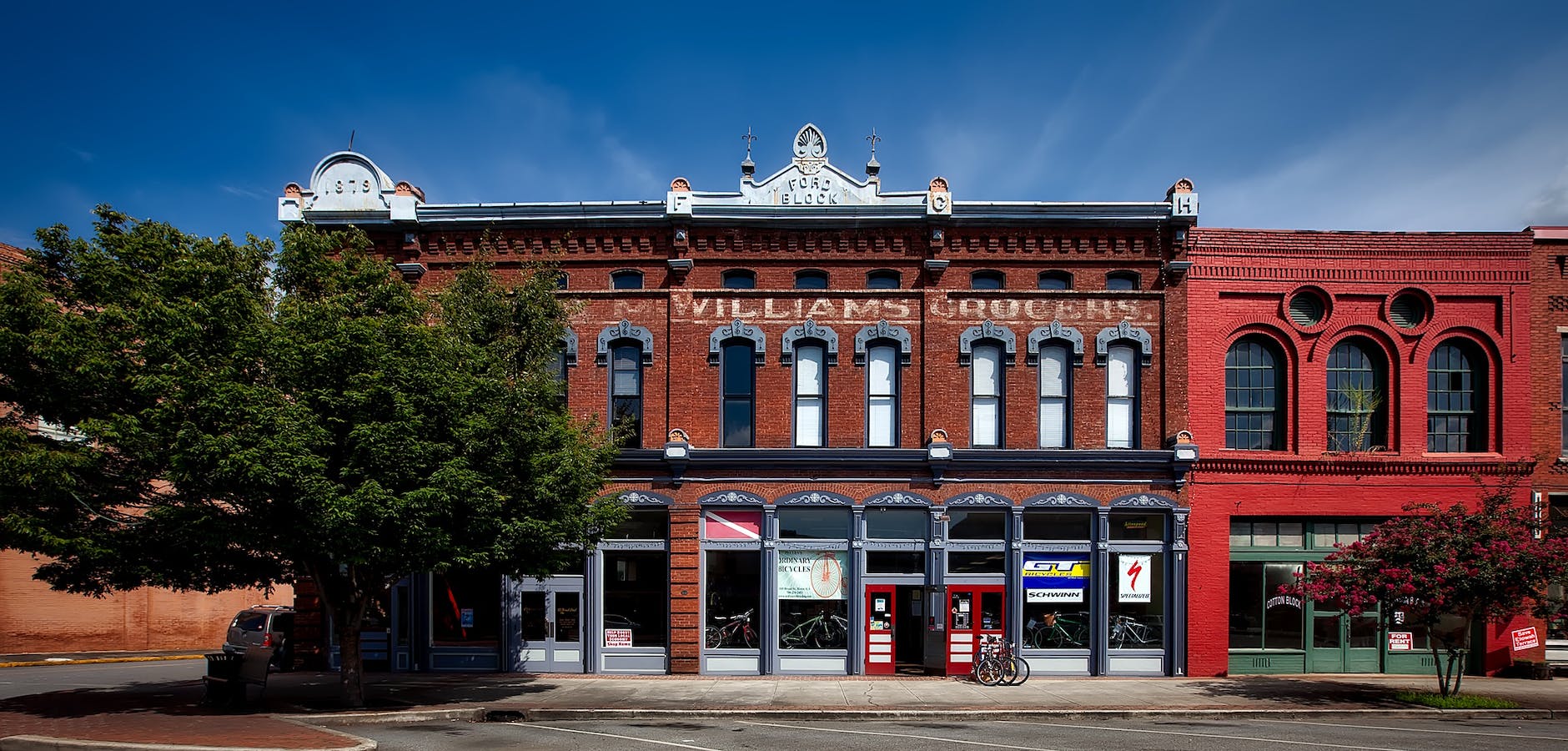
Photo by Pixabay on Pexels.com

The University of Illinois Extension earlier this year held a series of webinars to arm leaders of rural communities with positive data, such as fully occupied homes and anchored schools, while suggesting language those leaders should use to recruit people to move to rural towns, which are often coping with negative stereotypes…

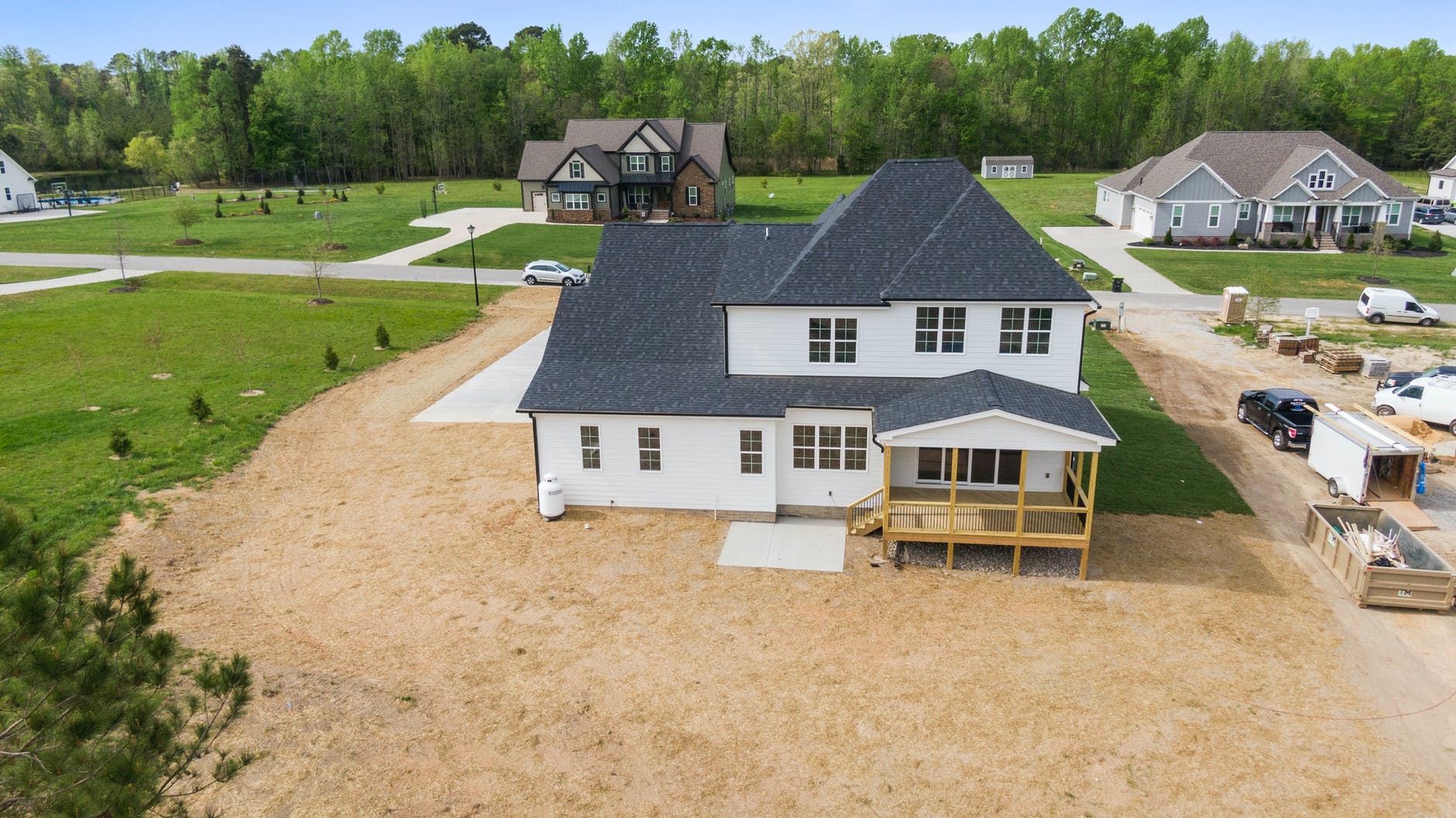
Indeed, residents and leaders in Cullom and Wenona, a town of 1,000 an hour’s drive away and about 25 miles south of the LaSalle-Peru area, say their towns are very much in demand. Cullom Mayor Barbara Hahn said that people — mostly from larger cities around the state — call her “all the time” to see if there are any houses for sale and she mostly has to tell them that the housing stock is at capacity…

But Neste said that the lack of population increase is not because rural life is undesirable…

The circumstances lead to one inescapable, albeit morbid, conclusion, experts say. Prospective rural dwellers are left waiting for seniors occupying single-family homes to die.

What is lurking behind this discussion is an assumption in the United States about communities: they are considered healthiest if they are growing. Communities whose populations are stagnant or declining are often viewed as not doing well. There needs to be construction, population growth, and new businesses in a community for outsiders to suggest that it is doing well. The end of this story above tells of one downstate small town that implemented a TIF district and took on risk in order to build some new housing.

But, not all communities in the United States grow decade after decade. Some are growing now, particularly in the Sunbelt. A number of cities, suburbs, and small towns reached their population peak in the past. Some of these examples are regularly discussed, such as Detroit or Chicago or rural small towns.

The measures suggested above offer some different ways of discussing the vitality of a community. In-demand housing is something Americans understand; if there are few housing units available, this suggests people like the community. Having thriving schools is another aspect Americans like as good schools suggest a community has plenty of children and the community rallies around an institution that can help the next generation succeed.

Other measures that might also be helpful:

-The number of active community groups. This suggests people want to participate.

-The number of local jobs available per resident. Are there economic opportunities in the community?

-The number of local businesses owned by residents or nearby residents. This highlights local business activity compared to national firms (like dollar stores or fast food restaurants).

More broadly, a more open conversation among Americans about what marks a healthy or good or desirable community could provide more measures than just population growth.

Chasing development: give big tax breaks to Foxconn, then to Microsoft…

American municipalities want growth and jobs. Hence, they give tax breaks to corporations to locate there. In southern Wisconsin, they first gave big money to Foxconn. When that fell through, now they are giving money to Microsoft:

Photo by Jonathan Borba on Pexels.com

Taiwan-based Foxconn Technology Group forged an agreement in 2017 with former Gov. Scott Walker to manufacture LCD screens in Mount Pleasant, investing $10 billion and employing 13,000, in return for billions in subsidies. But the company, a top manufacturer of Apple’s iPhones, downsized its plans and created few jobs, forcing government officials to find other users.

Data centers process and store huge volumes of computer data, forming the backbone of the internet. Although these facilities typically don’t create large numbers of permanent jobs, local leaders and tech experts say Microsoft’s arrival signals the Foxconn land, along with infrastructure improvements already complete, won’t go to waste…

Residents on the land promised to Foxconn were displaced from their homes, but the company, blaming “unanticipated market fluctuations,” canceled the mega-factory. In 2021, it signed a new deal with Gov. Tony Evers, who beat Walker after criticizing the original agreement. Instead of up to $3 billion in subsidies, Foxconn agreed to collect $80 million for creating 1,454 jobs and investing $676 million in a set of smaller facilities by 2026.

Microsoft’s agreement with Mount Pleasant and Racine County requires it to launch construction by 2026. The company can recover 42% of its property taxes, but no more than $5 million per year. The local governments can also repurchase the land at the same price if Microsoft fails to hit the deadline.

The logic for this is provided in the story. Attracting big companies and jobs is viewed as important. If growth does not come here, it will go to other communities who will benefit. The deal with Foxconn fell through but having some deal and a few jobs is better than nothing. Growth must continue as must the tax breaks.

Do they really have to continue in this fashion? The final paragraphs hint at one of the possible motivating factors for these companies locating in southern Wisconsin: they are just over the Illinois border and can service the Chicagoland region. If Chicago area municipalities will not compete with each other in these same ways, just go over the border and find plenteous tax breaks. Another motivating factor seems to be a fixation on big companies and tech companies. What community would not want to boost they have a Microsoft facility (even if it is just a data center)?

I hope some people keep following up this story and similar ones to find out what communities and residents actually get out of these tax break deals. How much is spent per job? How does the business growth help the community? What does a data center contribute to a community? Years down the road, who benefits the most from these deals?

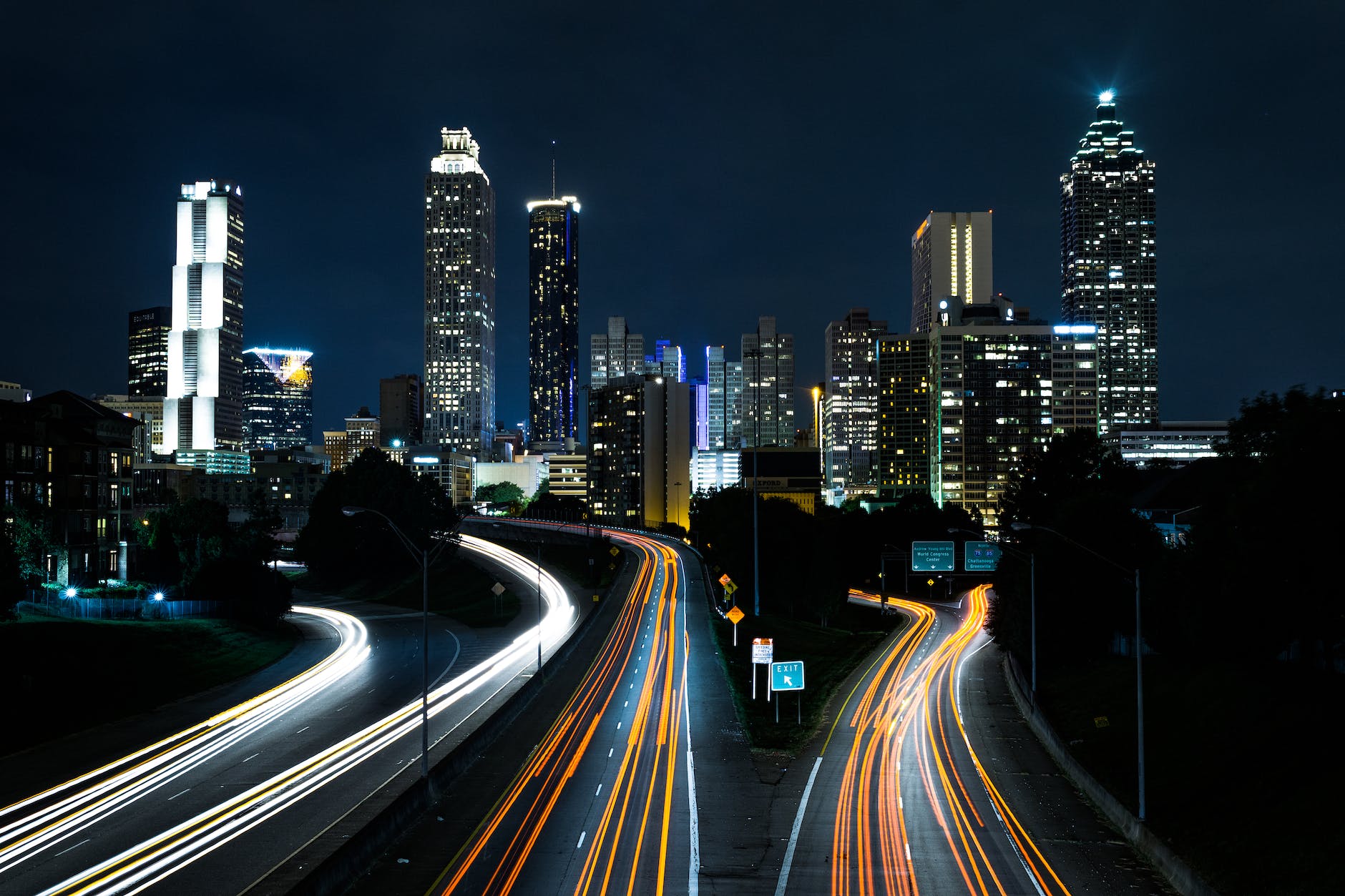
How much will Sunbelt growth slow because of more traffic?

More development and increased populations mean more traffic in multiple Sunbelt metropolitan areas:

Photo by Joey Kyber on Pexels.com

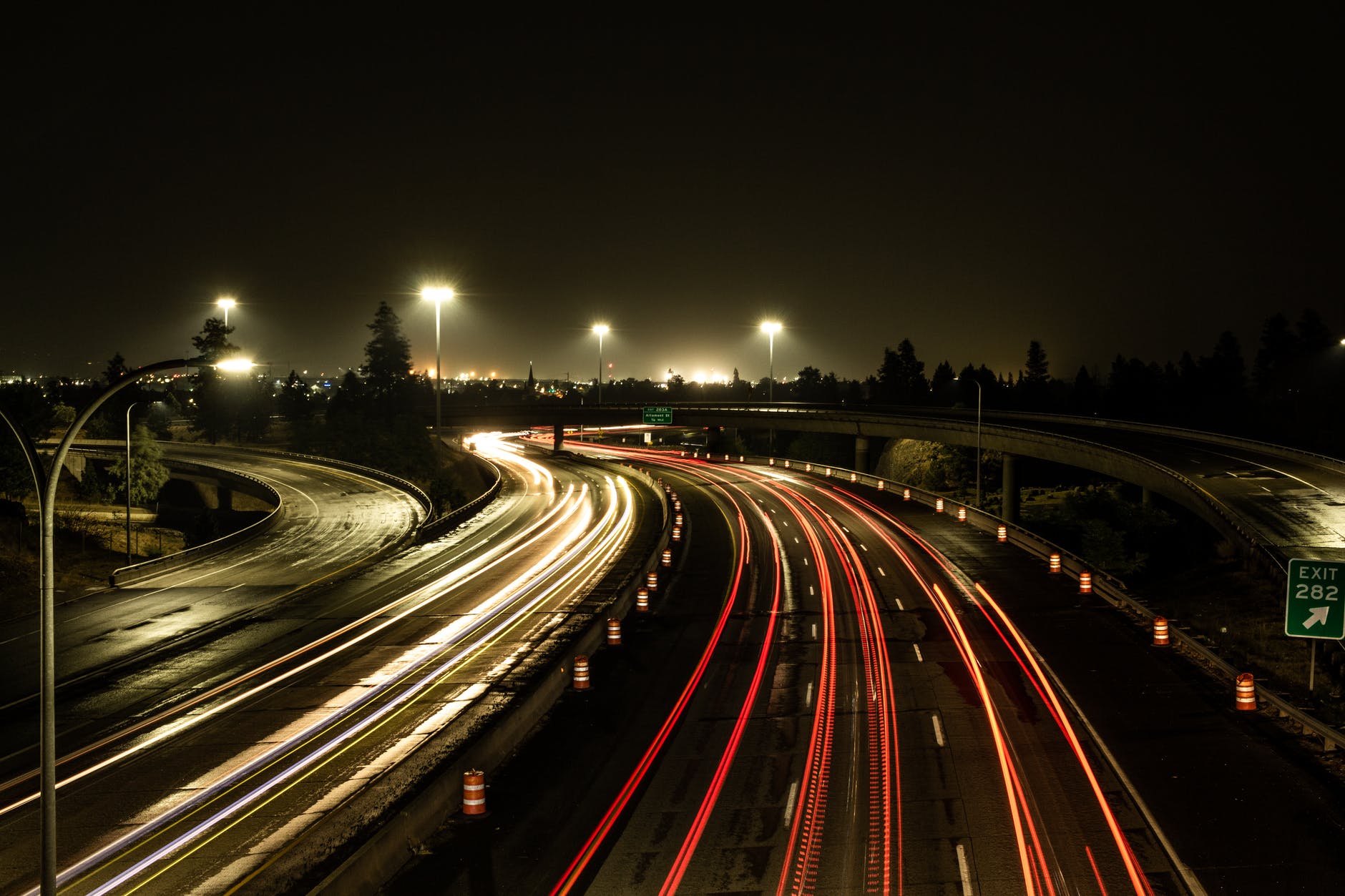
In most U.S. cities, traffic is less congested than it was in 2019, as fewer people commute to offices, according to mobility data company Inrix. In some Sunbelt cities, such as Miami, Nashville and Las Vegas, where the population has surged in recent years, it has become worse. 

These cities also attracted more companies and tourists during the pandemic. Local roads, built decades ago for a much smaller population, are struggling to accommodate the new reality. 

“They way underestimated their growth,” said Robert Cervero, professor emeritus of city and regional planning at the University of California, Berkeley, College of Environmental Design…

Sunbelt cities are particularly vulnerable to congestion because of poor public transit. Driving in New York City’s rush hour can be bumper-to-bumper, but many people take the subway. Most southern cities offer no such alternative…

For now, Sunbelt states are hoping to fight congestion by adding more roads and express lanes. Tennessee lawmakers are considering a proposal to add toll lanes on state roads. Florida Republican Gov. Ron DeSantis recently proposed spending more than $5 billion on highway construction and more than $800 million on rail and transit throughout the state.

Growth is good in the United States – until it threatens some of the attractive features of places that brought people there in the first place.

At what point do residents and businesses not move to growing regions because of congestion? These Sunbelt cities continue to have numerous attractive features even if they have more traffic.

Adding lanes to roads may appear proactive but it can lead to more attractive as more drivers think there is capacity. Considering mass transit is necessary but complicated by suburbanites who do not necessarily want transit to reach them, high costs to get basic mass transit in place (though this could help save money down the road), and limited interest in denser development.

Do smaller cities offer advantages here? I have heard this argument before: you can have more rural property conditions within a ten to twenty minute drive of the main shopping areas or the downtown. Achieving this is more difficult in a more populous area where there is more competition for land.

Move at the right time to reap the benefits of an American boomtown

At the end of a listing of the “Top Boomtowns in America” in 2022, here is some advice about timing a move to one of the boomtowns:

Photo by Lukas on Pexels.com

“Moving to a boomtown at its earliest stages can be a great opportunity for entrepreneurs and investors, as there’s still plenty of room for growth. And for those who are looking for a job, there are usually plenty of opportunities available in rapidly growing cities,” says Edith Reads, senior editor at TradingPlatforms. “However, if a city has already reached its peak, it may be too late to get in on the action. In this case, it may be wiser to wait until the city’s growth slows down before making the move. This way, you can avoid getting caught in the midst of a housing or job crunch.”

In other words, a resident or business wants to get in on the earlier parts of the boom, not in the latter stages or after it is over. Why? A few reasons listed above:

  1. There is money to be made. Whether owning a business or a home, an investment early on could pay off down the road. (For more on American homes as investments, see this earlier post.)
  2. A growing community means numerous job opportunities.

Mess up your timing in moving to one of these boomtowns and these two opportunities are not as good.

Another thought that is not accounted for in this ranking: how does the community change because of the boom period? Is it just as an attractive place to live and work after the rapid population growth? How do the old-time residents view the change? If the community grows enough, it will not exactly be the same place. Ultimately, other boomtowns will reign in future years. Will the boomtown be a good place to be in a few decades?

Teardown McMansions in Tampa

A large number of teardown McMansions have been constructed in recent years in Tampa:

Photo by Monica Silvestre on Pexels.com

Nearly 5,000 residential demolition permits have been issued in Tampa in the last decade — including 709 in 2021. That’s the most in any single year since at least 2005, according to city data.

“Having all of these homes torn down is a wrinkle we haven’t had before,” says Tampa historian Rodney Kite-Powell, “and the pace is really incredible.”

A blogger has tried to keep up with“The McMansioning of South Tampa.” About 2,700 razed dwellings are pictured. Some of the lost homes are majestic and sad. Many, though, were tired and untended. The sheer volume is beyond what a single blogger could chronicle. Ten of the 14 homes knocked down this century on Jerry’s block aren’t depicted on the site’s map. Even so, the layers upon layers of red pins are striking…

Not everyone is happy. Search the local Nextdoor site for the term “McMansions” and you’ll encounter one of the more passionate running discussions in the city. When a one-story home came on the market at the start of the pandemic, neighbors implored the owner to seek a buyer who would maintain it. “I beg you not to sell it to a builder that will level it and build a ridiculously oversized McMansion that ruins the charm of our neighborhood,” wrote Lisa Donaldson. “Please.”…

Others counter that the older homes are no longer functional and that the newer onesraise the value of those around them. “The curmudgeons will always complain … until they are ready to cash out,” posted Marc Edelman. “Tampa is progressing for the better.”

A few quick thoughts in response:

  1. If just looking at economic factors, teardowns tend to occur in desirable neighborhoods where the new homes can fetch a significant profit compared to the previous dwelling.
  2. Socially, teardowns are more difficult to navigate given the competing interests of property owners who want to make money, builders and developers looking for opportunities, neighbors who might be opposed to a changing neighborhood, those interested in local history and preservation who might prefer to keep older dwellings, and local leaders who may or may not support teardowns.
  3. Sunbelt cities and communities have experienced much growth in recent decades. People are used to change and growing populations. But, this is a different kind of change where existing homes are replaced rather than new subdivisions spreading across available land. There is now an established landscape that could look quite different in coming decades.
  4. Sunbelt communities are generally pro-growth. Does this change at some point given population sizes and composition, the availability of resources, and several decades of established history?

Evaluating population loss figures for California and its cities

Since growth is good in the United States, news that California populations are decreasing is a newsworthy item. But, how bad are the numbers? Let’s start with the absolute numbers:

Photo by Roberto Nickson on Pexels.com

Citing changes in work-life balance, opportunities for remote work and more people deciding to quit their jobs, the report found that droves of Californians are leaving for states like Texas, Virginia, Washington and Florida. California lost more than 352,000 residents between April 2020 and January 2022, according to California Department of Finance statistics.

San Francisco and Los Angeles rank first and second in the country, respectively, for outbound moves as the cost of living and housing prices continue to balloon and homeowners flee to less expensive cities, according to a report from Redfin released this month.

Angelenos, in particular, are flocking to places like Phoenix, Las Vegas, San Diego, San Antonio and Dallas. The number of Los Angeles residents leaving the city jumped from around 33,000 in the second quarter of 2021 to nearly 41,000 in the same span of 2022, according to the report.

The American Community Survey estimates California’s population at 39,237,836 at July 1, 2021. If the state lost 352,000 residents in nearly two years, that is less than a 1% population loss. Not much.

If Los Angeles lost roughly 120,000 to 160,000 residents in a year out of a population of 3,849,297 (ACS estimates) that is a 3.1-4.2% population loss. A bit more.

Perhaps the real question is how the population growth in California compares to other places. Here are the numbers:

While California experienced a major population boom in the late 20th century — reaching 37 million people by 2000 — it’s been losing residents since, with new growth lagging behind the rest of the country, according to the Public Policy Institute of California. The state’s population increased by 5.8% from 2010 to 2020, below the national growth rate of 6.8%, and resulting in the loss of a congressional seat in 2021 for the first time in the state’s history.

No population loss for the state over a decade. In fact, 5.8% growth, 1% less growth than the country as whole. Not much. The more interesting comparison might be to the state’s own population growth rate, which prior to 2020 was over 10% for every decade since it joined the United States.

In sum: the pandemic might provided several unique years for population in particular places and the state is still growing overall even as it lags slightly behind the whole country and lags more compared to its historical percentage growth. So the real problems here are (1) that there might be any population loss at all in populated parts of California and (2) the state is not experiencing a population boom like it did for much of its history. Are these truly huge causes for concern?

Limiting landmarked buildings in a suburb with a history of growth

Naperville, Illinois experienced explosive suburban growth after 1960. With demand still high for development in Naperville, evidenced by hundreds of teardowns and rising rent prices, the city council does not appear to have much appetite for landmarking buildings:

Photo by Pixabay on Pexels.com

On the heels of the Naperville City Council’s decision to deny landmark status to the downtown Kroehler YMCA facility, officials are proposing changes to the city’s landmarking procedures.

The changes, which need city council approval, are intended to reduce the impact on property owners and make it more difficult for applicants to achieve landmark status for structures.

The idea of forcing landmark status on property owners emerged as a key issue in February when the city council voted 8-1 to reject the request by Naperville Preservation to landmark the Kroehler YMCA against the owners’ wishes. The vote freed the owners to demolish and sell the site.

After numerous speakers at last week’s city council meeting debated the idea of creating more-stringent landmarking regulations, and based on recommendations by Councilman Ian Holzhauer, city staff was directed to return with an ordinance preventing individual citizens from applying for landmark status.

For at least several decades, historic preservationists in communities across the United States have argued that older buildings are worth preserving. Acquiring landmark status is a way to help ensure the structure retains its original form even as neighborhoods and streetscapes change.

It is less clear how well historic preservationist arguments work in suburbs where communities can be used to growth and the rights of individual property owners can reign supreme. As suggested above, landmark status can be seen as an impediment to property owners who can profit from changing or selling a property. Why save an older structure when there is money to be made and progress to be pursued?

If this logic wins out in suburban communities, how many older buildings will remain and in what format? It is one thing to save older buildings and move them or recreate them in a historical museum setting. It is another to preserve important older structures that mark important community locations even as communities continue to change.

12 of the 15 fastest-growing cities in the US in 2021 were Sunbelt suburbs

The 15 fastest growing communities – percentage-wise – the United States between July 2020 and July 2021 included 12 suburbs:

Photo by Curtis Adams on Pexels.com
  1. Georgetown, TX – suburb of Austin
  2. Leander, TX – suburb of Austin
  3. Queen Creek, AZ – suburb of Phoenix
  4. Buckeye, AZ – suburb of Phoenix
  5. New Braunfels, TX – suburb of San Antonio – see earlier post about growth in the community
  6. Fort Myers, FL – a central city in Cape Coral-Fort Myers MSA
  7. Casa Grande, AZ – suburb of Phoenix
  8. Maricopa, AZ – suburb of Phoenix
  9. North Port, FL – a central city in North Port-Brandenton-Sarasota MSA
  10. Spring Hill, TN – suburb of Nashville
  11. Goodyear, AZ – suburb of Phoenix
  12. Port St. Lucie, FL – central city of Port St. Lucie MSA
  13. Meridian, ID – suburb of Boise
  14. Caldwell, ID – suburb of Boise
  15. Nampa, ID – suburb of Boise

This is not just about the Sunbelt continuing to grow, as I saw in several headlines, but also about suburban and metropolitan growth in the Sunbelt. Many of these regions continue to grow, such as Austin, Phoenix, San Antonio, Nashville, and Boise, on the edges.

The list of the fastest growing communities by the absolute number of new residents was also weighted toward suburbs.

Both wanting to be and limit the effects of being the next popular city

The case of Spokane, Washington highlights how communities want to grow and be popular but they do not necessarily want what comes with the growth:

Photo by Clayton Bunn on Pexels.com

Whether it’s Boise, Idaho, or Reno, Nevada, or Portland, Oregon, or Austin, Texas, the American housing market is caught in a vicious cycle of broken expectations that operates like a food chain: The sharks flee New York and Los Angeles and gobble up the housing in Austin and Portland, whose priced-out homebuyers swim to the cheaper feeding grounds of places like Spokane. The cycle brings bitterness and “Don’t Move Here” bumper stickers — and in Spokane it has been supercharged during the pandemic and companies’ shift to remote work.

No matter how many times it happens, no matter how many cities and states try to blunt it with recommendations to build more housing and provide subsidies for those who can’t afford the new stuff, no matter how many zoning battles are fought or homeless camps lamented, no next city, as of yet, seems better prepared than the last one was…

All of this happened fairly recently. In the years after the Great Recession, when homebuilders were in bankruptcy or hibernation, migration to the Spokane area plunged. That pattern shifted in 2014 when, as if a switch had been flipped, waves of migrants started arriving as already high-cost cities like Seattle and San Francisco saw their housing markets go into a tech-fueled frenzy…

Five years ago, a little over half the homes in the Spokane area sold for less than $200,000, and about 70% of its employed population could afford to buy a home, according to a recent report commissioned by the Spokane Association of Realtors. Now fewer than 5% of homes — a few dozen a month — sell for less than $200,000, and less than 15% of the area’s employed population can afford a home. A recent survey by Redfin, the real estate brokerage, showed that homebuyers moving to Spokane in 2021 had a budget 23% higher than what locals had…

Last year, Woodward declared a housing emergency, and her administration has put in place initiatives that mirror those of housing-troubled cities on the West Coast. The city has built new shelters, is encouraging developers to repurpose commercial buildings into apartments, is making it easier for residents to build backyard units, and is rezoning the city to allow duplexes and other multiunit buildings in single-family neighborhoods.

The primary focus here is on housing and the increase in prices. From what is described above, a good number of long-time residents now struggle to find decent housing. This is indeed a problem to consider.

I would guess there are other changes as well: increased business activity, more traffic, newcomers operating in local civic organizations and institutions. Many of these changes are assumed to be good in most communities: growth means status, activity, and increased tax revenues. Sure, there are some externalities – sprawl and what comes with it, changes to how things have been – but these are often viewed as growing pains. Growth is good.

The implication in this story is that this could happen to any community: people from the outside discover an undiscovered location and their moves drive up housing costs. Yet, I wonder how true this is. Will people in overheated housing markets really go anywhere or only to certain locations? Spokane is within a particular region plus has its own features and its own history. Would people from the coasts end up in Youngstown, Ohio or Fargo, North Dakota, Jackson, Mississippi, or Detroit, Michigan where there is plenty of cheaper housing and distinct local character? The housing game may not just be an endless one where those with resources are always searching out the next cheaper market; there are limits to where people go and invest their resources.

Targeted incentive programs – described here – might help with this issue as communities seek out particular kinds of residents they would like. If those programs turned into floods of people, how many would really want to turn that down?

What explosive growth looks like, Austin and New Braunfels edition

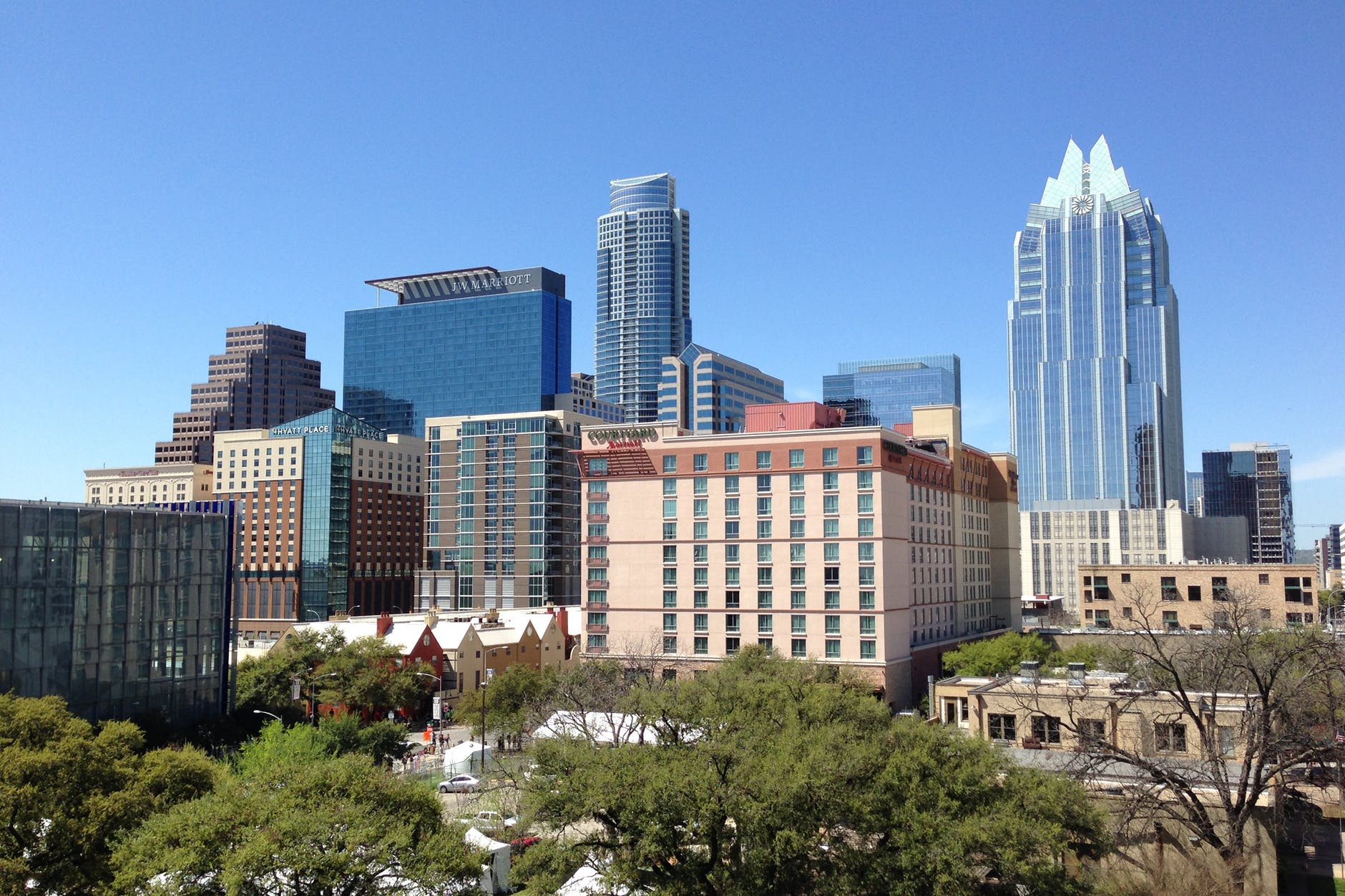
It is not a coincidence to see two recent articles about effects of growth in Texas communities as this part of the country – and the Sun Belt more broadly – is growing fast. One is the story of a big city where housing is in high demand while the second is a small town that is now a booming suburb.

Photo by Pixabay on Pexels.com

First, thousands of Austin properties are going for far above list price:

Nearly 2,700 homes in the Texas capital have sold this year for $100,000 or more above their initial listing price, according to an analysis by Redfin Corp. that examined sales through Aug. 11. While a few other U.S. cities have had more properties sell at that premium to the asking price, none have experienced as big a percent rise in homes transacting at that lofty an increase, Redfin said…

The number of homes sold year-over-year for at least $100,000 over asking price has grown nearly 10-fold in Seattle, and fivefold in Oakland, according to Redfin. In Austin, that figure grew by 57 times the number for last year at this time.

The jump in these sales at six figures above the listed price shows how Austin, which has attracted young professionals for years, has become an even more competitive place to buy in recent months.

Second, the community of New Braunfels between San Antonio and Austin is going through growing pains:

Today, the cattle are gone, replaced with clusters of sleek apartments, gated communities and big-box stores. And New Braunfels, the third-fastest-growing city in America, tucked in one of the fastest-growing regions, finds itself at a crossroads…

A once quaint town known for its German roots and the Schlitterbahn water park, New Braunfels grew a whopping 56 percent over the last decade, adding about 32,500 residents…

Newer residents to New Braunfels have been drawn to the region for its affordable cost of living and by larger employers who have settled there, including several distribution centers and technology companies. Over the past decade, the median salary has jumped to $90,000 from $65,000 in Comal County, which includes much of New Braunfels, one of the highest averages in the state…

The community has also grown more noticeably diverse, with the presence of Latinos particularly evident on the city’s West Side. Residents flock to eateries like El Norteño for typical Mexican dishes, such as menudo, a spicy stew known colloquially as a hangover remedy. This week, a server took orders wearing a red T-shirt that read “Menudo Para La Cruda” or “Menudo For the Hangover.”

The emphasis on growth is a long-term pattern. When Census data is released, many like to highlight the fastest growing areas of the country. This can shine a spotlight on places that are changing but it also reinforces a consistent American narrative: growth is good for communities. Indeed, discussion of the opposite trend – losing population (or somehow not losing residents) – reinforces the notion that growth is good.

At the same time, focusing on population numbers is worth considering alongside what is happening to the character of communities with population growth or loss. These two articles highlight both phenomena. In Austin, what happens to a local housing market when so much competition drives up prices? At the least, this means some are priced out of the adjusted values, existing community members may see their property values rise, and builders, developers, and local officials respond to the changes. And the rising prices are often interpreted as a sign that Austin is a desirable place to live.

In New Braunfels, this is both a common American story – small town outside big city turns into a sprawling community in a relatively short time – and a story with particular traits as the community has a particular character. The German roots of the community now sit among a more diverse population. A quaint town is now much bigger and there is a lot of building activity. The businesses there for a long time are now joined by new ventures.

Even as population growth is usually viewed as a good thing, it comes with costs and changes. Few communities would reject growth just to avoid change but there can tension over how to respond to growth. Many cities and suburbs have struggled to match their existing character to changes and what the community will end up being once a construction boom and/or sprawling subdivision growth subsides.