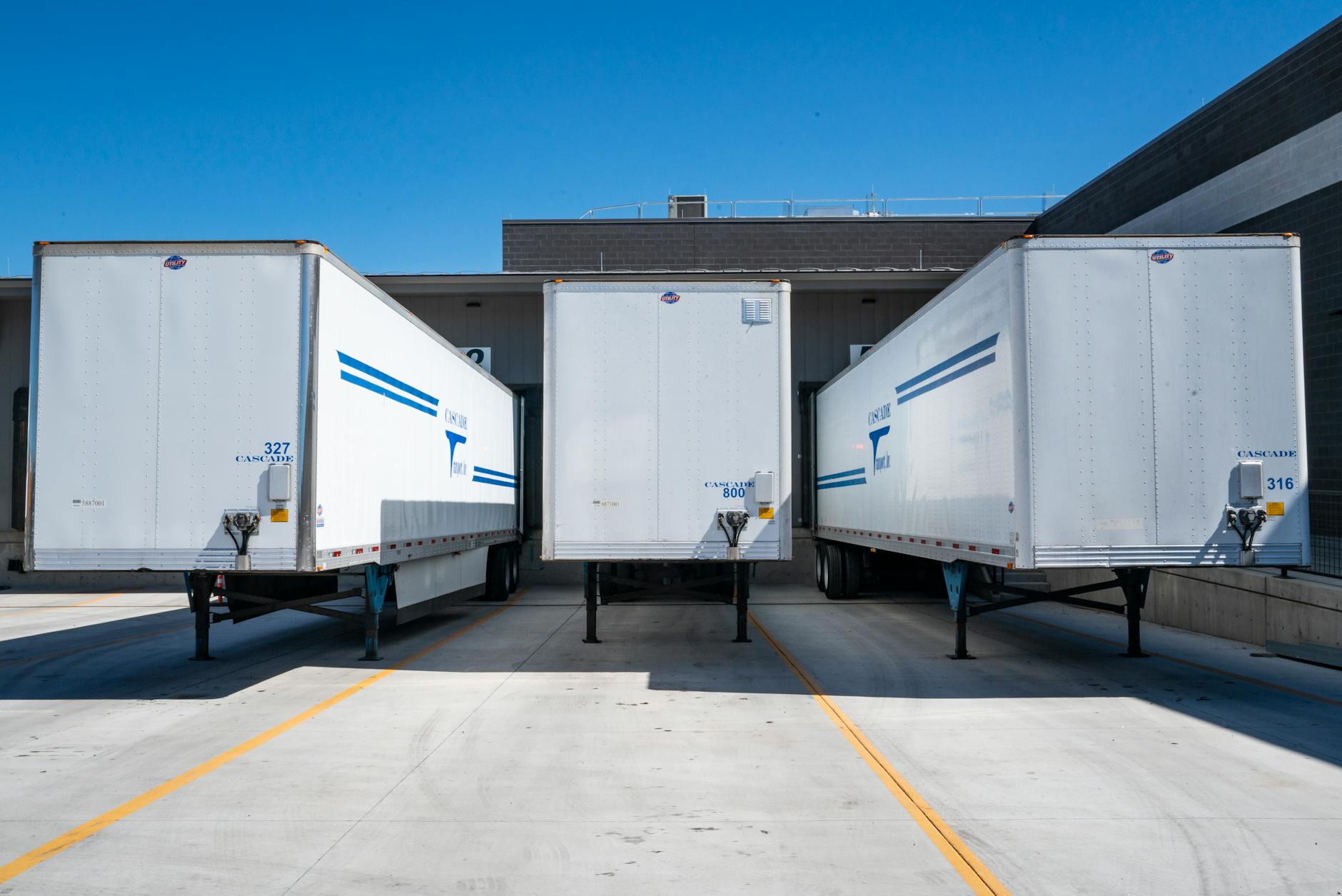
Shippensburg, Pennsylvania, and nearby rural towns like it are being drastically transformed into distribution hotspots for major retailers like Amazon and Walmart – to the dismay of some longtime residents.
With its endless acres of farmland, the tiny town is seemingly the perfect location for huge warehouses – and it is at most a day’s drive away from one-third of the US population and half of Canada‘s, making it the ideal delivery truck epicenter…
P&G, which owns Charmin, Crest, Gillette and Pampers, was one of the first to do so in 2014, followed by Amazon.com, DHL, FedEx, Home Depot, Kohler, Lowe’s, Office Depot, Pepsi, SC Johnson, Staples, Target, Ulta Beauty, Unilever and UPS, among many others…
What’s happening in Shippensburg is similar to what’s already happened to California’s Inland Empire, which used to be a major center of agriculture. Now, this area of southern California is the nation’s warehouse capital, home to Amazon and Walmart facilities.
Take out a map, draw circles around major population centers, and see the places where these circles intersect. That places like Shippensburg could be so close to so many people marks it for these changes.
This could help remind people of the ongoing connections between cities and rural areas. In today’s changing world, it is not just about farming versus commercial and industrial activity; the two spaces are tied together by trade, social networks, and an awareness of each other.
The Valley is one of the fastest-growing regions in America, where a developer decided to put a city of the future on a piece of virgin desert miles from anything. At night, from the air, the Phoenix metroplex looks like a glittering alien craft that has landed where the Earth is flat and wide enough to host it. The street grids and subdivisions spreading across retired farmland end only when they’re stopped by the borders of a tribal reservation or the dark folds of mountains, some of them surrounded on all sides by sprawl.
Phoenix makes you keenly aware of human artifice—its ingenuity and its fragility. The American lust for new things and new ideas, good and bad ones, is most palpable here in the West, but the dynamo that generates all the microchip factories and battery plants and downtown high-rises and master-planned suburbs runs so high that it suggests its own oblivion. New Yorkers and Chicagoans don’t wonder how long their cities will go on existing, but in Phoenix in August, when the heat has broken 110 degrees for a month straight, the desert golf courses and urban freeways give this civilization an air of impermanence, like a mirage composed of sheer hubris, and a surprising number of inhabitants begin to brood on its disappearance.
Growth keeps coming at a furious pace, despite decades of drought, and despite political extremism that makes every election a crisis threatening violence. Democracy is also a fragile artifice. It depends less on tradition and law than on the shifting contents of individual skulls—belief, virtue, restraint. Its durability under natural and human stress is being put to an intense test in the Valley. And because a vision of vanishing now haunts the whole country, Phoenix is a guide to our future.
Several thoughts in response:
How many Americans know Phoenix is the fifth-largest city in the country – growing from over 106,000 residents in 1950 to over 1.6 million today – and the tenth-largest metropolitan area?
Like many American communities, Phoenix and the region depends on growth. More residents, more business activity, more infrastructure. What happens to Phoenix when/if growth slows? How would a mature region in 50 or 100 years look similar or different?
The environment plays a role in Phoenix and the region. At the same time, Phoenix expanded at a particular point in American history, later than many big cities. How do these two factors intersect?
How would urban sociologists think about Phoenix compared to other American cities and region? Is it more unusual or does it follow similar patterns to other sprawling regions? What marks Phoenix as unique? Do the same social, political, and economic factors propel the region or is there something different going on?
My guess at how Peoria or a similar city could truly boom is that a major, well-known company moves its operations to the city. While the opposite might seem to be happening in cities like Peoria – such as Caterpillar moving out – imagine a Silicon Valley company making Peoria home. Such a move could be good for its employees and help improve the fortunes of a different area.
“We’re not New York. We’re not L.A. We’re sure not Chicago. We fix our problems.”
Quick quiz: Who recently said that? Ron DeSantis? Greg Abbott? Nikki Haley?
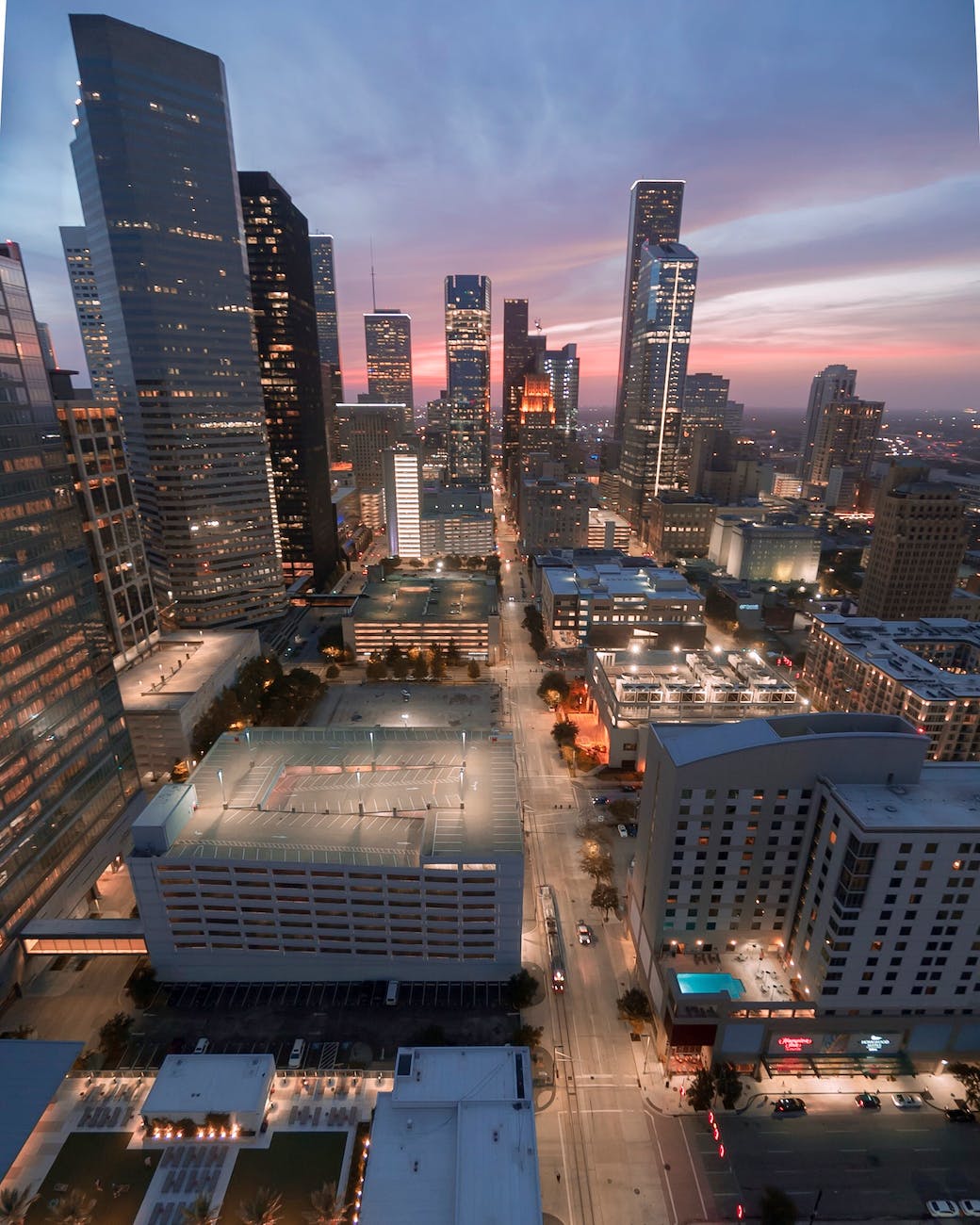
The answer is John Whitmire, a Democrat who over the weekend resoundingly won election as mayor of Houston, the nation’s fourth largest city and on track to overtake Chicago as third largest if present demographic trends continue…
Politically, Chicago comes across to much of the rest of the country as a city that’s off course, focusing not on the issues at the top of residents’ priority list (public safety, jobs, public transit, for example) but on progressive to-do lists. Not only are Johnson and his City Council allies choosing to spend their time and political capital on issues the majority of Chicagoans view as less than pressing, they’re doing a poor job even when it comes to their own priorities.
Several factors appear to be at work. First, as noted, Houston is approaching Chicago’s population. Chicago was once the second city, then became the third city, and likely will soon be the fourth city. This means a decline a status, both internally and from the outside.
Second, Chicago has long had a reputation as “the city that works.” It might have all sorts of problems but things got done. If the perception inside and outside is that things do not get done, then people might have concerns.
The future belongs to Texas. America’s three biggest cities by 2100 will be #1 Dallas, #2 Houston, and #3 Austin. Fast-growing San Antonio also ranks at #11.
The Sunbelt keeps rising. Phoenix is projected to be the 4th-biggest U.S. city by population in 2100. Other Sunbelt cities in the top 10 are #6 Atlanta, #9 Orlando, and #10 Miami.
NYC and L.A. are currently the top two biggest U.S. cities, but they’re projected to fall to #5 and #7, respectively, by the year 2100.
The methodology to arrive at this?
We wanted to know at moveBuddha what U.S. metropolitan areas would see the biggest population growth by 2100. We did this by using the compound annual population growth rate of the biggest U.S. metro areas (250,000 residents or more) between the 2010 and 2020 U.S. Census estimates and extrapolating it over 80 years.
This was an inexact science, and growth rates are bound to change. But it gave us a rough idea of which American cities may rise to the top by the dawning of the 22nd century. Climate change effects, migration patterns from climate change, and other unforeseen events could change things.
Two parts of this projection seem implausible to me. First, extrapolating the current rates of growth to last for more than seven decades. Growth rates will likely rise or fall across different metropolitan regions. It is hard to imagine many places will be able to keep up high rates of growth for that long. Second, the size of these regions. There is no US region currently near the predicted populations in 2100. Would this come from significant increases in density in the central areas or even more sprawling regions? It would be interesting to see where all those people would live and work.
Traditionally, younger generations have flocked to cities to start their careers and enjoy the hustle and bustle of urban life. However, Gen Z is proving to be a little different, with more and more moving to the South in favor of large outdoor spaces, low cost of living and a slower pace of life…
The Southern region boasts more affordable housing and living space, which is becoming increasingly attractive to Gen Z as well as some Millennials and older adults who are fed up with cramped city life.
According to Storage Cafe, the average floor area of single-family homes sold in the South increased by 60 square feet between 2019 and 2022, meaning the average is now 2,608 square feet…
And since Gen Z is more likely to rent rather than own a home currently, it makes sense that more of the younger generation would be seeking out spaces where housing costs are cheaper.
I would be interested in seeing more numbers here. Are Gen Z movers doing so at similar rates as other Americans?
Is one of the side effects of all this movement a point where housing and opportunities in the South are no longer as attractive?
The final part of the article hints at the possible political ramifications of these moves. I would want to hear more about how younger adults might transform communities and day-to-day life in other ways. Is this a continuation of the American suburban dream with more liberal politics thrown on top?
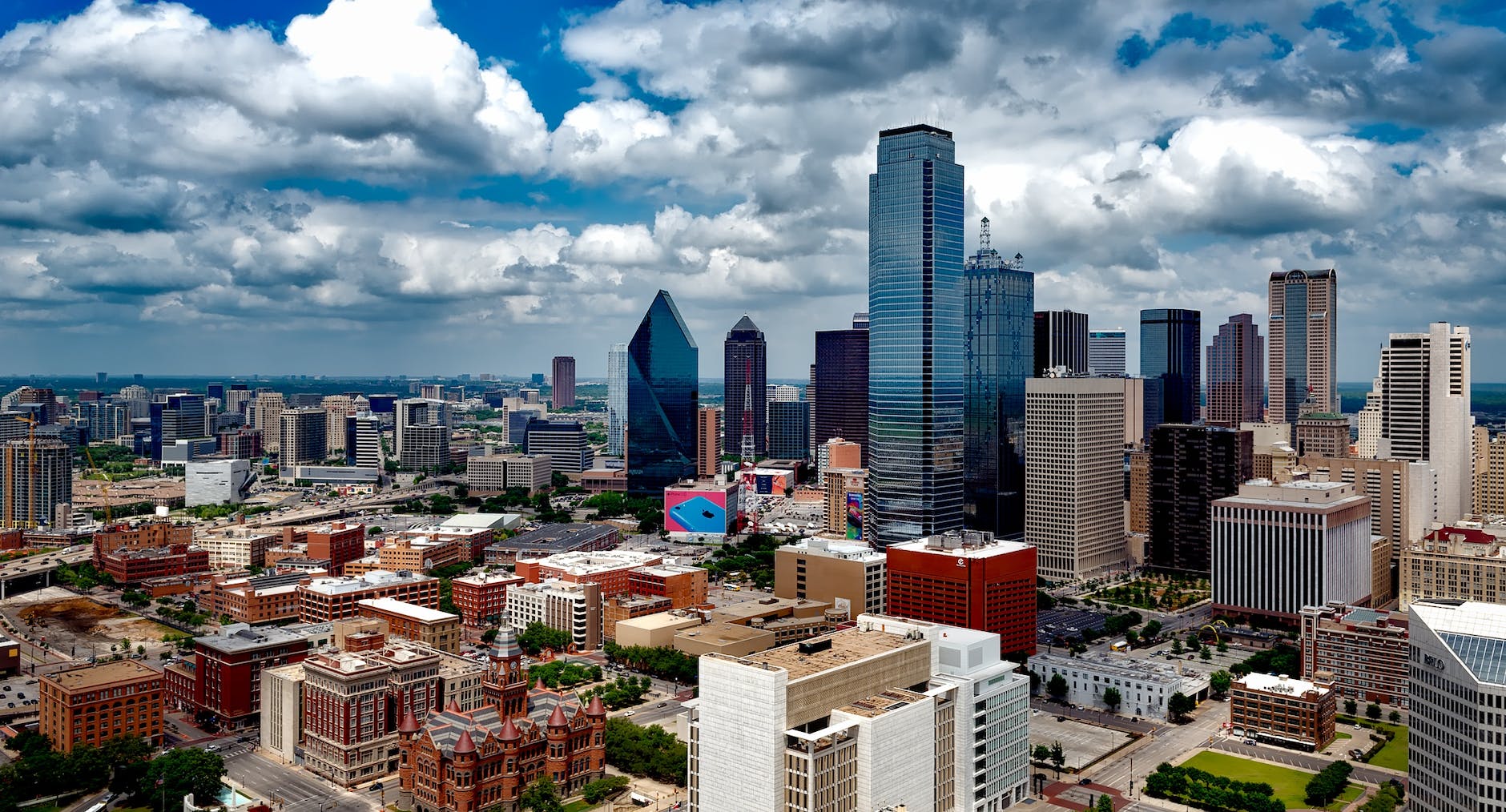
Dallas-Fort Worth is one of the country’s fastest growing metropolitan areas…
Business expansion and relocations are fueling the Dallas region’s growth, putting it on track to overtake the Chicago area and become the third-most-populous metro within the decade…
Dallas-Fort Worth is on track to be the only U.S. metropolitan area to house two cities with populations over 1 million in the next five years, as people and companies seek profit, opportunity and room to grow.
Cities and metropolitan areas rise and fall in population over time. Chicago was once smaller than St. Louis than shot past it with the latter losing a lot of population in the 1900s. Where will the new boom cities be?
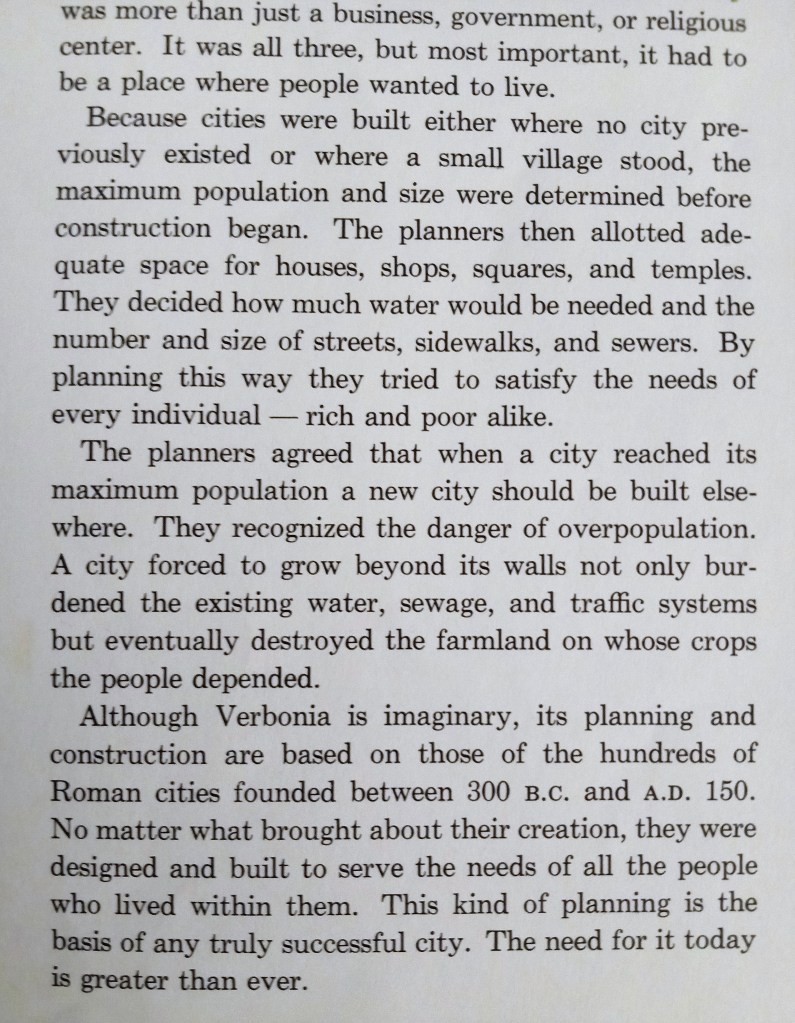
What if each of the thousands of American suburban communities had a maximum population? I had the idea after rereading David Macaulay’s City:
What could the benefits be for American suburbs? As described here, the problems that come with more residents than resources would not occur. Suburbs could be a similar size. Each suburb could have facilities for residents to access and infrastructure they need.
I am under no illusions that most Americans would want a population cap for suburbs or any other community. And simply capping the population does not address all the issues communities and their residents face. But, it is interesting to consider what good might come from planning ahead for meeting needs in communities with a maximum population.
The University of Illinois Extension earlier this year held a seriesof webinars to arm leaders of rural communities with positive data, such as fully occupied homes and anchored schools, while suggesting language those leaders should use to recruit people to move to rural towns, which are often coping with negative stereotypes…
Indeed, residents and leaders in Cullom and Wenona, a town of 1,000 an hour’s drive away and about 25 miles south of the LaSalle-Peru area, say their towns are very much in demand. Cullom Mayor Barbara Hahn said that people — mostly from larger cities around the state — call her “all the time” to see if there are any houses for sale and she mostly has to tell them that the housing stock is at capacity…
But Neste said that the lack of population increase is not because rural life is undesirable…
The circumstances lead to one inescapable, albeit morbid, conclusion, experts say. Prospective rural dwellers are left waiting for seniors occupying single-family homes to die.
What is lurking behind this discussion is an assumption in the United States about communities: they are considered healthiest if they are growing. Communities whose populations are stagnant or declining are often viewed as not doing well. There needs to be construction, population growth, and new businesses in a community for outsiders to suggest that it is doing well. The end of this story above tells of one downstate small town that implemented a TIF district and took on risk in order to build some new housing.
But, not all communities in the United States grow decade after decade. Some are growing now, particularly in the Sunbelt. A number of cities, suburbs, and small towns reached their population peak in the past. Some of these examples are regularly discussed, such as Detroit or Chicago or rural small towns.
The measures suggested above offer some different ways of discussing the vitality of a community. In-demand housing is something Americans understand; if there are few housing units available, this suggests people like the community. Having thriving schools is another aspect Americans like as good schools suggest a community has plenty of children and the community rallies around an institution that can help the next generation succeed.
Other measures that might also be helpful:
-The number of active community groups. This suggests people want to participate.
-The number of local jobs available per resident. Are there economic opportunities in the community?
-The number of local businesses owned by residents or nearby residents. This highlights local business activity compared to national firms (like dollar stores or fast food restaurants).
More broadly, a more open conversation among Americans about what marks a healthy or good or desirable community could provide more measures than just population growth.
Looking at these two lists, several things stand out:
Among the most expensive cities, not all have turned negative regarding college graduates moving in or out. What is different in Boston, Honolulu, Miami, San Diego and Seattle? (Some possible factors: different economic activities, the weather, relative prices, their locations within certain regions, they are not the biggest cities.)
Other large metro areas might have cheaper housing and lower costs of living but they are not necessarily attracting college graduates. This includes Buffalo, Detroit, Hartford, Milwaukee, and Rochester. Is it a coincidence that these are Rust Belt metropolitan regions?
Generally, cities and regions want college graduates who can add to the population and the human capital available. But, the sorting of the college graduates across locations could have profound consequences.