“The strength of weak ties” applies to LinkedIn

A recent study suggests that weak ties on Linkedin are better in helping people find jobs:

Photo by Pixabay on Pexels.com

If you have a LinkedIn account, your connections probably consist of a core group of people you know well, and a larger set of people you know less well. The latter are what experts call “weak ties.” Now a unique, large-scale experiment co-directed by an MIT scholar shows that on LinkedIn, those weak ties are more likely to land you new employment, compared to your ties with people you know better…

The notion that there is something especially useful about the more tenuous connections in your social network dates to a highly influential 1973 paper by Stanford sociologist Mark Granovetter, “The Strength of Weak Ties,” from The American Journal of Sociology. In it, Granovetter identified weak ties as a key source of “diffusion of influence and information, mobility opportunity, and community organization.”…

All told, the experiment involved around 20 million LinkedIn users, who over the five years ended up creating about 2 billion new connections on the site, recorded over 70 million job applications, and wound up accepting 600,000 new jobs identified through the site…

“Moderately weak ties are the best,” Aral says. “Not the weakest, but slightly stronger than the weakest.” The inflection point is around 10 mutual connections between people; if you share more than that with someone on LinkedIn, the usefulness of your connection to the other person, in job-hunting terms, diminishes.

The general idea is the people more removed to you but still in your network can access opportunities that close connections do not have access to. Reach out to the edges of your network and there are more options.

Now it would be interesting to see how LinkedIn and other similar platforms take advantage of this knowledge. Many social media platforms want to connect people. But, what if having more ties and increased interaction with other users is actually a negative feature for jobs?

Or, I imagine there are strategies for social media users to create an excellent set of weak ties rather than connect with people they know better. Why connect with people close to you when you could amass weak ties that could come through big later?

Nations vying for big data hegemony

Big data is out there – but who will control it or oversee it?

Photo by Federico Orlandi on Pexels.com

The rise of Big Data—the vast digital output of daily life, including data Google and Facebook collect from their users and convert into advertising dollars—is now a matter of national security, according to some policymakers. The fear is that China is vacuuming up data about the U.S. and its citizens not just to steal secrets from U.S. companies or to influence citizens but also to build the foundation of technological hegemony in the not-too-distant future. Data—lots of it, the more the better—has, along with the rise of artificial intelligence, taken on strategic importance…

Broad fears of technological hegemony may be overblown, some policy experts say. And harsh measures against China could alienate allies and trigger a rash of similarly harsh measures by counties abroad toward U.S. tech firms.

In any case, the U.S. is in an exceedingly weak position to lead a moral crusade for the sanctity of data. The concept of harvesting clicks, text, internet addresses and other data from unsuspecting citizens and exploiting them for commercial and national-security ends was invented in the halls of the National Security Agency, the CIA and the tech startups of Silicon Valley. Facebook (now Meta), Google, Amazon, Microsoft and Apple currently lead a vast industry based on trading and compiling user data. Taking measures to protect the data of American citizens from the ravages of Silicon Valley would go a long way to protecting them from China, too. Any measures directed solely against China would likely be ineffective because vast troves of consumer data would still be available for purchase on secondary data markets…

Whatever the case, some suggest the world is already moving inexorably towards a bipolar digital world—a move that will only accelerate as the burgeoning race for AI dominance between China and America picks up steam.

So data becomes just another area in which powerful nations fight? Does the data with all of its potential and pitfalls simply become a national instrument of power?

There could be other options here. However, it might be hard to know whether these are preferable compared to states wanting to control big data.

  1. In the hands of users. Move data toward consumers and individuals rather than in the hands or accessed by nations and corporations.
  2. In the hands of corporations. They often generate and collect a lot of this data and then operate across nations and contexts.
  3. In the hands of some other neutral actors. They may not exist yet or have much power but could they in the future?

This bears watching because this could go well or not and would have wide consequences either way.

If every life event was sponsored, baseball edition

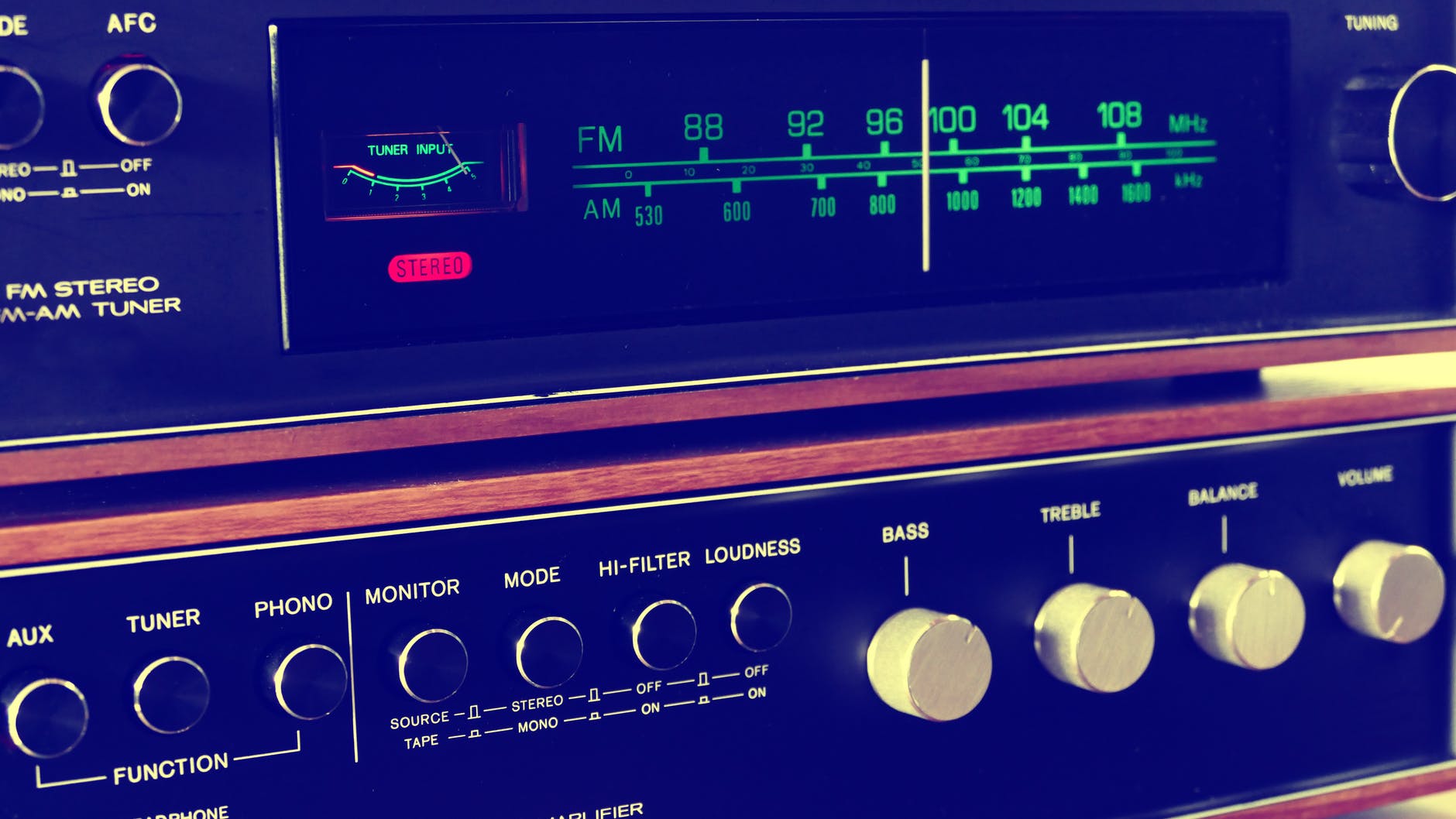
I enjoy listening to baseball games on the radio. The pace of the game, the voices of the announcers, and the ability to do other things while listening add up to an enjoyable experience.

Photo by Anthony on Pexels.com

Except for one growing trend: the number of commercial reads throughout the game. At this point, it seems like almost every baseball event has a sponsor. Strikeouts, walks, doubles, home runs, the fifth inning, the seventh inning…you get the idea. Baseball has a lot of small events and apparently they can be attached to an advertiser for the right price.

I am aware of multiple factors behind this. Radio is a dying business. Live sports is one of the few shining spots where there are certain to be listeners (or viewers). Commercialization is alive and well. There is money to be made here.

But, I can only imagine how this might spread to all areas of life. Go beyond the Internet and social media ads tied to your browsing and shopping habits. You tie your shoes; brought to you by [blank]. You run the dishwasher; brought to you by [blank]. You read a book; brought to you by [blank].

At this point, there do not seem to be any officials guardrails against more and more of this happening. People can push back but this has consequences. If I do not like the baseball ads, I can stop listening. But, if we move to more immersive devices – Google Glass, virtual reality headsets, a house full of Internet equipped objects – this will be very hard to push against or escape.

Alphabet’s proposed Toronto “smart city” project vs. a new development more about nature and people

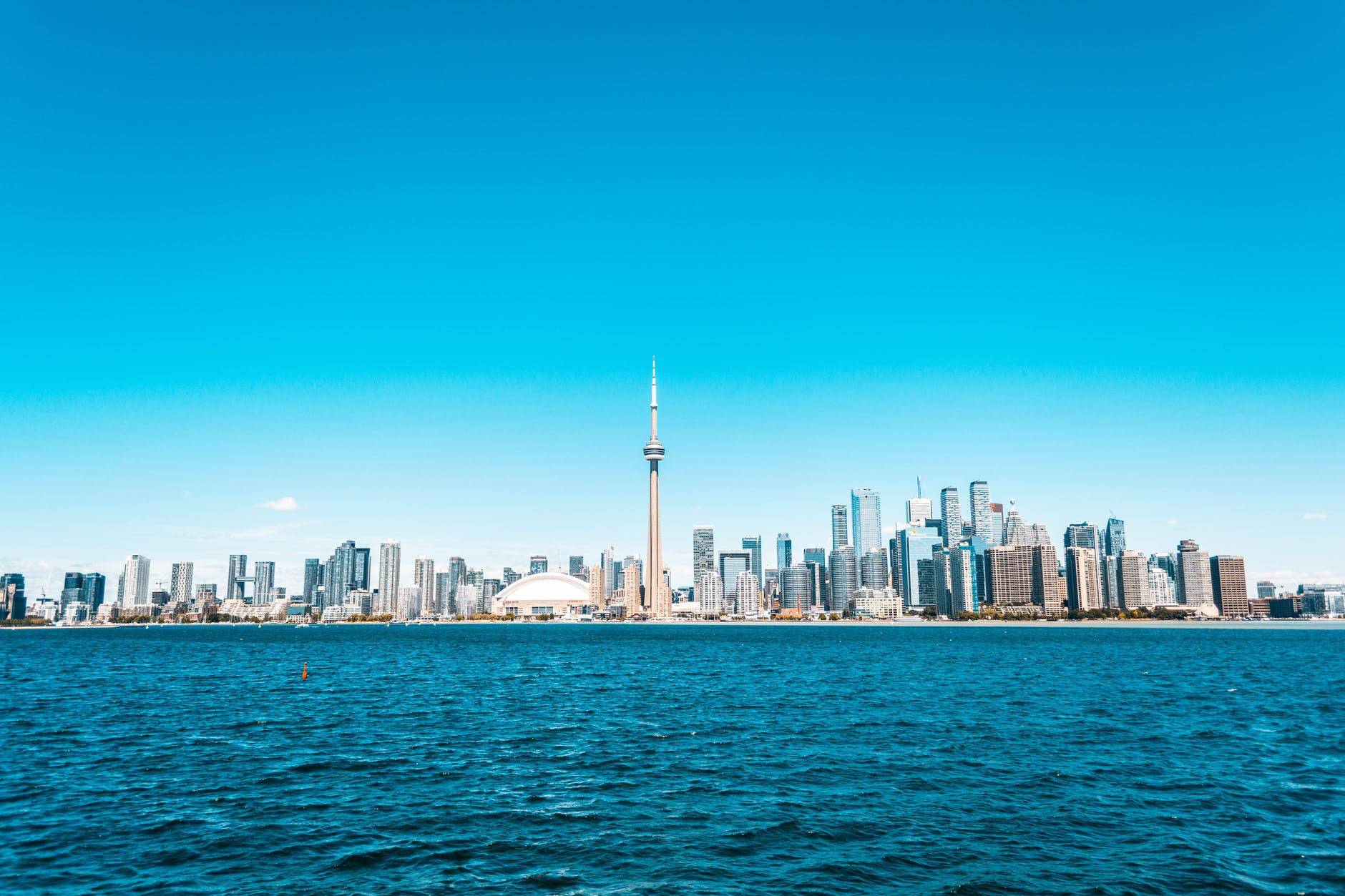
A new Toronto development is in the works where Alphabet once had plans for a “smart city” project:

Photo by Luis Ruiz on Pexels.com

In every way, Quayside 2.0 promotes the notion that an urban neighborhood can be a hybrid of the natural and the manmade. The project boldly suggests that we now want our cities to be green, both metaphorically and literally—the renderings are so loaded with trees that they suggest foliage is a new form of architectural ornament. In the promotional video for the project, Adjaye, known for his design of the Smithsonian Museum of African American History, cites the “importance of human life, plant life, and the natural world.” The pendulum has swung back toward Howard’s garden city: Quayside 2022 is a conspicuous disavowal not only of the 2017 proposal but of the smart city concept itself.

To some extent, this retreat to nature reflects the changing times, as society has gone from a place of techno-optimism (think: Steve Jobs introducing the iPhone) to a place of skepticism, scarred by data collection scandals, misinformation, online harassment, and outright techno-fraud. Sure, the tech industry has made life more productive over the past two decades, but has it made it better? Sidewalk never had an answer to this…

Indeed, the philosophical shift signaled by the new plan, with its emphasis on wind and rain and birds and bees rather than data and more data, seems like a pragmatic response to the demands of the present moment and the near future. The question is whether this new urban Eden truly offers a scenario that will rein in global warming or whether it’s “green” the way a smart city is “smart.” How many pocket forests and neighborhood farms will it take to cool the planet?

Whatever its practical impact, renderings of the new version of Quayside suggest a more livable place. The development promises something incredibly obvious that the purveyors of the smart city missed: a potential for daily life to be pleasurable. As MaRS Discovery District CEO and tech entrepreneur Yung Wu puts it: “What is the vision that inspires people to want to live here, to work here, to raise their families and children and grandchildren here? What is it that inspires that?”

“It’s not a smart city,” he concludes. “It’s a city that’s smart.”

I wrote about the earlier project here and it is interesting to see this update. I would guess the “smart city” will still come but perhaps through different forms including more incremental changes, smaller and less high-profile projects that test the concepts first, and perhaps through examples in other countries where guidelines and regulations are different.

Additionally, does this mean Alphabet and similar companies will no longer pursue such projects or will they seek more favorable conditions? Or, what happens if tech companies provide a more convincing argument that tech and nature can go together in urban forms?

At this point, it is hard to imagine tech retreating much but how exactly it continues to develop and merge with urban and built spaces remains to be seen. It is one thing to push technology through individuals or private actors but it is another level to build it in into the infrastructure from the beginning.

My comments on college students and social media in Wheaton alumni magazine

How does social media matter for college students? Here are some of my thoughts in a recently published piece:

Photo by fauxels on Pexels.com

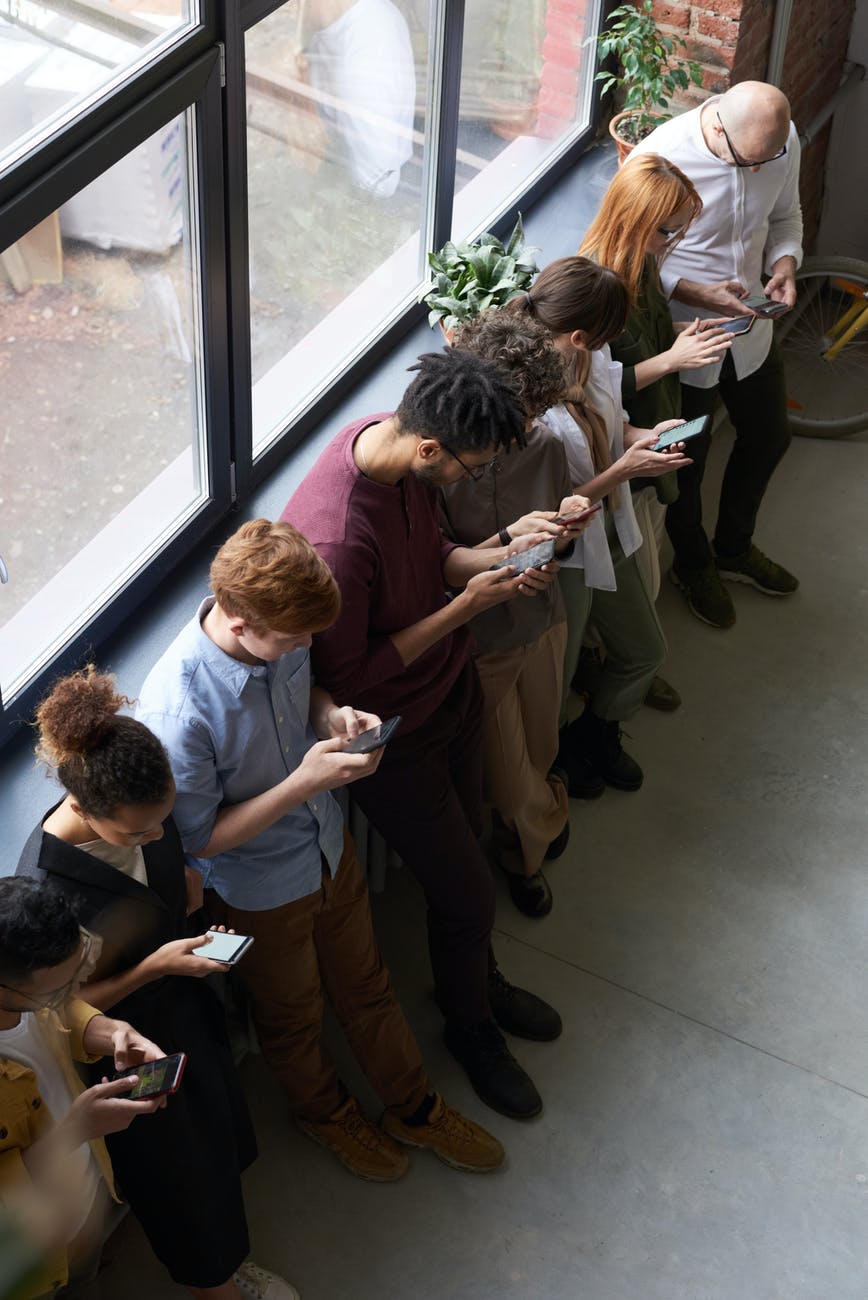
It’s notable that “when we get a break in class, the first thing that almost all of the students do is pull out their phone and engage through the deice,” said Professor of Sociology Dr. Brian Miller ’04, who studies emerging adults and social media.

But these students aren’t the first Christians to embrace new media.

Miller says American evangelicals in the twentieth century were quick to take up new technology forms and adapt them to Christian uses. Miller points to the National Association of Evangelicals and its concern that evangelicals had a radio presence. As other media forms were introduced – television, Internet, and social media – Americans evangelicals have adopted and used them.

“My sense as a sociologist is that we’ve often innovated and adapted [to new technology] and hten asked questions later,” he said.

Right now, for instance, Miller said more Christians might consider asking some questions, such as, “Is what we’re doing on social media as Christians good or useful?”…

Miller is encouraged about ways Wheaton students, staff, and faculty might be able to address some of these questions related to using social media responsibly. How could we build some best practices, consider the worth of social media fasts, or figure out how to gauge social media addiction?”

Now that social media is maturing – it has been around on a mass scale for almost two decades now – I would hope we in college settings could be effective in providing information and options for students and ourselves regarding how we engage with social media. When the interaction with social media is almost always on an individual-by-individual basis, it can feel chaotic and difficult to change patterns. Why not encourage more positive community-based practices with social media?

Particularly in faith-based settings, why not more direct conversation and instruction about social media and its effects? The majorities of congregations and people of faith are engaging social media throughout their days, yet my sense is that religious institutions provide limited guidance on how much to engage, what it is useful for and what it is not so useful for, and how social media shapes our perceptions of the world and life. Sociologist Felicia Wu Song’s book Restless Devices is a good resource for this.

Nextdoor as a kinder, community oriented social media platform and still looking to make money

Nextdoor wants to offer more positive content but is also trying to figure out how to increase profits:

Photo by Michael Tuszynski on Pexels.com

“We actually have data that shows that in the short run, toxic content absolutely drives more engagement,” Nextdoor Chief Executive Officer Sarah Friar said in a recent interview. “But over a six month period, it drives down overall engagement.”

It explains why the company chose the ticker KIND when it went public on the New York Stock Exchange last year. Nextdoor wants to distinguish itself from social media peers like Twitter Inc. and Meta Platforms Inc.’s Facebook as a friendly, down-to-earth platform that fosters connections between real neighbors, not anonymous trolls and scammy bots. There’s also local utility: Users can find a couch to buy, a plumber to fix a leak or a barbecue to attend…

The strategy has not translated into profitability for Nextdoor, which reported a loss in 2021 on revenue of $192.2 million, almost all of it from advertising. Friar says the company is in “investment mode” with plans to expand abroad in the UK, Germany, France, Canada, Denmark and Australia. It’s ramping up marketing and trying to figure out a way to capture more small businesses beyond the 30,000 that currently advertise on the platform. The company is focused on the hyperlocal, but large national advertisers are still how it makes most of its money.

But Nextdoor is competing for those accounts with advertising behemoths, and its users are still older and whiter than other social media networks, according to a survey by the Pew Research Center. Its $51 million in first quarter revenue is a 48% year-over-year jump, but a blip compared to advertising giants like Meta and Twitter, which posted revenues of $27.9 billion and $1.2 billion, respectively. Frontdoor Inc., a platform for home services and repairs, and Yelp Inc., both eclipsed $250 million for the quarter. Unlike Nextdoor, all of them have been profitable. 

This description of the platform raises multiple questions. Here are a few in my mind:

  1. Is profitability in the social media space now inextricably tied to anger and provocative content?
  2. Platforms offer different affordances, features for users and groups to utilize. How much can these features specific to different platforms tame negative content and behavior or is this a problem endemic to social media or society at large?
  3. Can a social media platform be more of a public service than a profitable private company?
  4. Once a social media platform has an established base – other parts of the article discuss Nextdoor’s appeal to suburbanites interested in crime and safety – can it actually change audiences and purposes?
  5. What happens if Nextdoor is acquired by another tech or media company?

As a Nextdoor member, I will keep my eye on this.

AIM away messages and a “basic form of social liberty”

AIM away messages provided a way for users to show that they were not available:

Photo by Porapak Apichodilok on Pexels.com

Sometimes you had to step away. So you threw up an Away Message: I’m not here. I’m in class/at the game/my dad needs to use the comp. I’ve left you with an emo quote that demonstrates how deep I am. Or, here’s a song lyric that signals I am so over you. Never mind that my Away Message is aimed at you.

I miss Away Messages. This nostalgia is layered in abstraction; I probably miss the newness of the internet of the 1990s, and I also miss just being … away. But this is about Away Messages themselves—the bits of code that constructed Maginot Lines around our availability. An Away Message was a text box full of possibilities, a mini-MySpace profile or a Facebook status update years before either existed. It was also a boundary: An Away Message not only popped up as a response after someone IM’d you, it was wholly visible to that person before they IM’d you.

Messaging today, whether through texting or apps, does not work the same way:

Catapulting even further back into the past for a moment: Old-fashioned phone calls used to, and sometimes still do, start with “Hey, you free?” Santamaria points out. “You were going to tell me if you could talk before we started the conversation.” There’s a version of this today—someone might preface their message with “Not urgent, respond when you can,” for example—but for the most part, we just send the text message without consideration, Santamaria says. Interruption is the default.

The ability to walk away from communication and the demands it makes on a person struck me as similar to one of the three “basic forms of social liberty” humans had before settling in cities and large societies. Anthropologists David Graeber and David Wengrow say the second form was “the freedom to ignore or disobey commands issued by others.” Text messages, emails, and messages in apps create a pressure for someone to respond. To not have these digital “commands,” one practically not use apps and devices.

Is this the freedom we have traded to use social media, the Internet, and smartphones? People can unplug but it is difficult to do that and still participate in regular social life today. Saying no to messages or refusing to respond will likely not garner many friends or close connections. And related to the first form of freedom, “the freedom to move away or relocate from one’s surroundings,” the messages and apps can follow us anywhere there is Internet access or cell coverage.

These platforms succeed by encouraging messaging and connections. But, what if a basic human freedom is the one to say no to that interaction when desired?

Capturing life in a two minute window for social media – or for research

The increasingly popular social media platform BeReal gives users a two minute window in which to post each day:

Photo by Hannah Nelson on Pexels.com

Founded in January 2020, BeReal is advertised as “an authentic, spontaneous, and candid social network.” It’s an app that sends all users a notification at a seemingly random time in the day and gives them two minutes to post a photo from their front- and back-facing cameras, capturing the scene around them right at that moment. Users can always post late—though the app will then tell on them—but they can’t see what their friends have posted until they do.

BeReal co-founder Alexis Barreyat’s professed goal in creating the app was to foster “genuine” interactions online, the company said in marketing materials, “in response to a feeling that current social apps are doing everything else but connecting us with our friends and family.” But the real conceit here is that most of the time, you’re probably doing something incredibly mundane like studying or running errands, so the app deglamorizes our lives as seen on Instagram.

Without getting into whether it is possible long-term to have a social media platform that operates this way, I had another thought when reading this description: this sounds like a research protocol. Researchers are examining a particular topic, they ask participants to download an app, and at a random time each day the participant is asked some questions. Indeed, I have read about a research project that did something very similar. And it led to good data and published work.

In general, I am in favor of methods that help us better get at what people do as part of normal life or when they are alone. It is one thing to ask people to report on these times or to observe people doing these things. It is another to stop them briefly in the moment to report what they are doing and/or experiencing.

Researchers would need a lot of participants to collect meaningful data. Or, perhaps they would check in randomly multiple times a day. Imagine an research aggregator app that would allow people to respond quickly to multiple projects daily. However this ends up working, I suspect pushing the research closer to what people are doing in the moment could only help us get at what happens moment to moment in life.

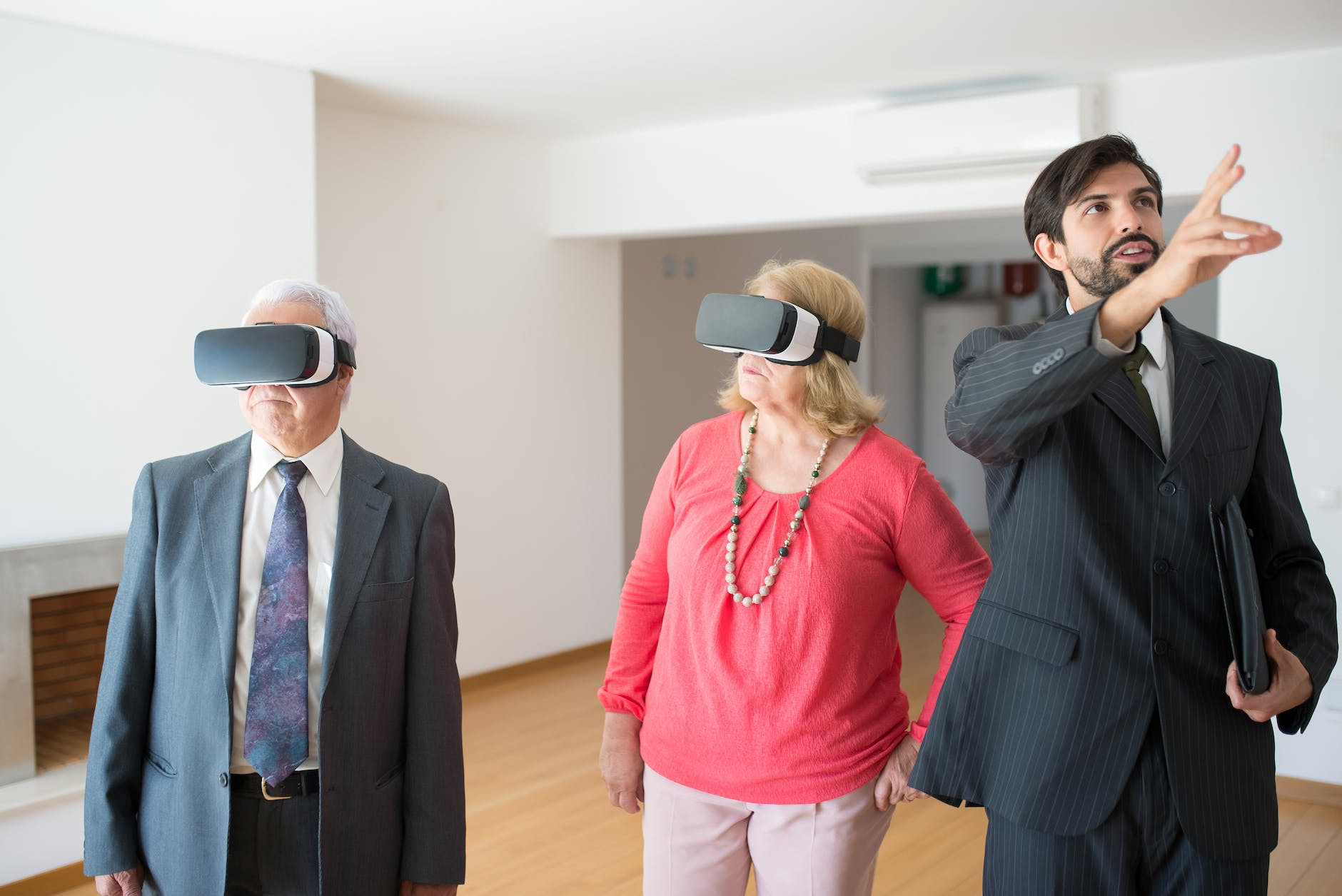
Forming social norms in the metaverse

Moderators are on the front lines in developing social norms for the metaverse:

Photo by Jessica Lewis Creative on Pexels.com

These norms reveal how moderation is complicated by trying to map the social conventions of the physical world onto virtual reality. If you covered yourself in purple body paint and showed up at an in-person medical conference, you’d probably be asked to leave. At a metaverse medical conference, the other attendees wouldn’t even bat an eye. This relaxing of certain social norms leads people to test the bounds of acceptable behavior, and moderators in some cases have to decide what crosses the line. For instance, new users will often pat strangers on the head, an interaction that would be strange and a little invasive in real life. Educators in VR tries to discourage people from doing this, though it seems to fall into a gray area of rude but not totally offensive. The same goes for pacing excessively around a room, walking through other users, or fidgeting too much with your controllers, which can cause your VR hands to distractingly bounce around. “People don’t get it at first because a lot of people come into VR from a gaming platform, so they don’t fully grasp the fact that behind every avatar is a person,” said Myer. During one of the events I moderated, VanFossen asked me to message an attendee to step back because he was a little too close to the speaker and invading her personal space. I needed the nudge: It’s hard to tell how close is too close in the metaverse. It’s not like you can feel the other person breathe.

To account for these gray areas, Educators in VR calibrates the strictness of the moderation based on the type of event. Parties are a bit more laissez-faire, while group meditation sessions have a zero tolerance policy where you might be removed simply for moving around the room too much. “I was very much against zero tolerance until I started witnessing what that meant,” said VanFossen of meditation events. “People are there for a reason, whether this is their daily thing, they have a crap stressful job, they need a break, or they have mental health issues.” Moderation levels also differ by platform—AltspaceVR tends to be stricter because it’s targeted at professionals, while VRChat is known for anarchy.

It remains to be seen how moderation will work at scale as the metaverse accelerates its expansion. At the moment, developers don’t seem to have a good answer. AltSpaceVR has been trying to put moderation tools into the hands of its users and also has staff on hand to help with particularly volatile situations. Meta has similarly relied on users themselves to block and report troublemakers in Horizon Worlds. Yet if tech companies succeed in their grand ambitions to get billions of people to inhabit the metaverse, maintaining it is going to take an immense amount of time and energy from a countless number of people who have to make tough, nuanced decisions minute by minute. As VanFossen said, “It’s the most disgusting, frustrating, stress-inducing, headache-inducing, mental health–depleting job on the planet.”

Social interactions and spaces require social norms. People appreciate knowing how to act and how they will be treated. Without them, chaos or anarchy or worse ensues

Enforcing social norms is an important matter. In many situations, the norms are communicated and enforced in less explicit or informal ways. People see what is happening and respond similarly or they have a general idea of how to behave. In other situations, the norms need to be explicitly addressed, perhaps through formal guidelines or enforcers who step in when needed.

What sounds unique about the situation discussed above is (1) the social space is relatively new, (2) unfamiliar to a lot of people, and (3) is still in flux because of #1 and #2 plus ongoing changes. The moderators are trying to step in and they are creating the norms as they go. If the metaverse becomes more popular, the norms will solidify as the space and the proper behavior becomes more known.

Is Twitter more like a town square or a city full of different neighborhoods?

Finding the right spatial metaphor for Twitter might help reveal what the social media platform does best:

Photo by Deva Darshan on Pexels.com

In Musk’s mind, “Twitter serves as the de facto public town square,” and as such, it should be a place where people are able to speak their minds. This metaphor seems slightly off, though. Yes, for people like Musk it’s a place to have debates they think are important for humanity; people with millions of followers are often the people who think what they’re saying is most important. But for the rest of Twitter—some 229 million daily users—it’s more like a metropolis. People have neighborhoods they stick to; sometimes they go out and talk with friends, sometimes they watch from their windows, sometimes they talk up strangers in a park. Most of these aren’t the kind of world-changing conversations Musk seems to want to have, but they’re just as vital.

As someone who studies cities and suburbs as well as social media, a few thoughts:

  1. The idea of a “town square” seems quaint in a mass society. At the scale of a society like the United States, is there really a single place where everyone can come together? This may have better fit an earlier era of mass media – such as the opening decades of television – or for particular events – the mass viewership of the Super Bowl – but generally does not apply when a country has over 300 million residents.
  2. A “town square” would seem to fit better in a smaller community or neighborhood. The capacity of a town square would be limited. What would the equivalent be in a big city: a plaza? A main thoroughfare or major park where people gather for rallies or protests?
  3. On social media, many users friend or interact with people they know offline. Twitter is a little different model since you follow people but a sustained follow can lead to understanding the other user more. The platforms are not generally set up to interact with random users nor do many users choose to do that.
  4. The goal of participating in durable social media communities is also what Facebook is pushing these days. Even as the early years of the Internet offered potential to connect with anyone in the world, many users found people with like interests and spent a lot of time there. If this is indeed more like city neighborhoods, what then connects the central plaza or town square to all the neighborhoods? How much flow or interaction is there back and forth?