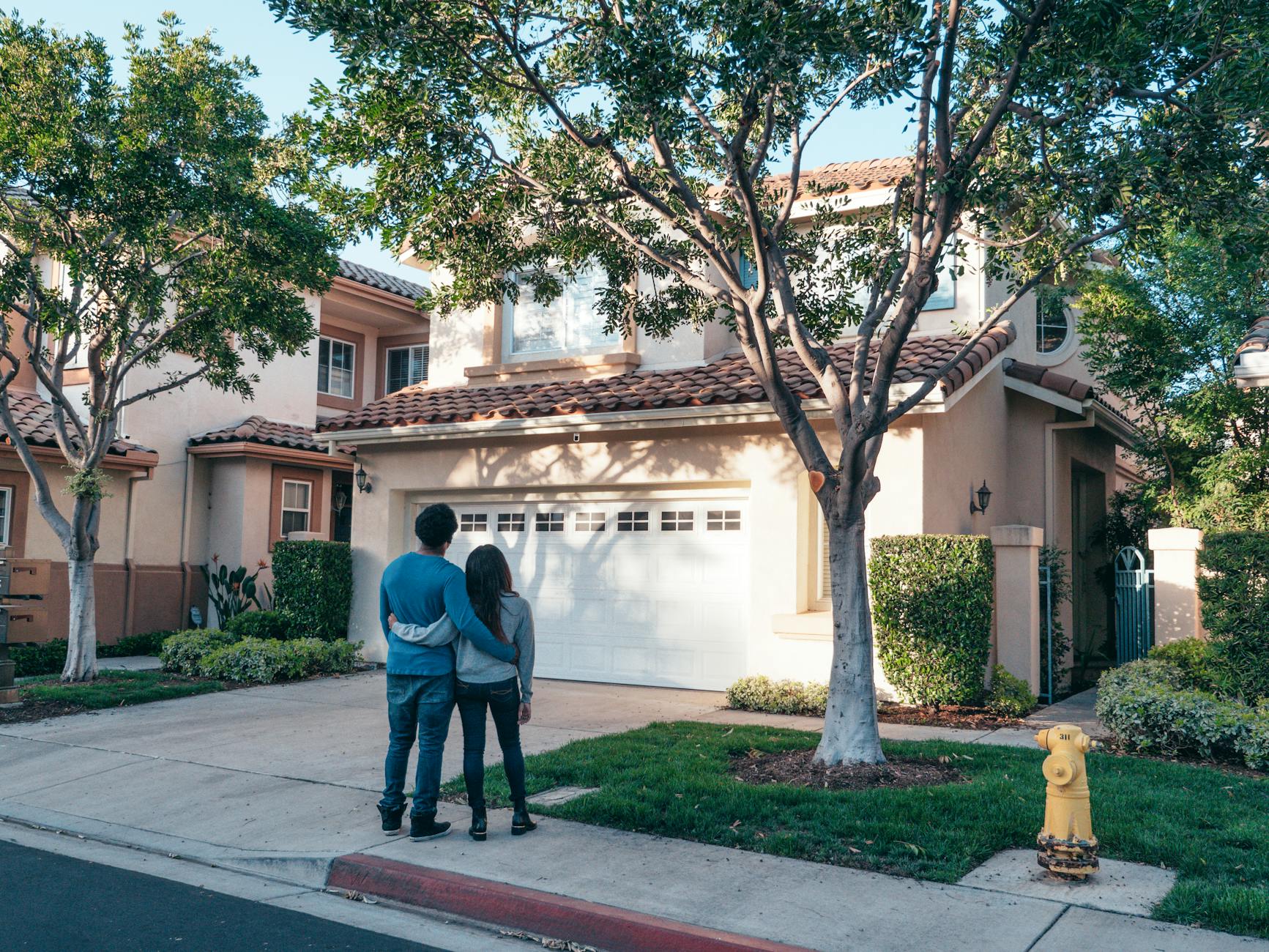
We should be doing everything we can to make it more affordable to buy a home, not less.
I imagine at least a few listeners would find this appealing. Paying a mortgage or rent is often the biggest expense among households. Price in many places, particularly after the last few years, leave many feeling they cannot live where they want and/or financially uncertain.
The details are harder to work out and put into practice. In this particular campaign ad, Harris mentions fighting banks after the foreclosure crisis, addressing the issue of corporate landlords, and constructing 3 million new housing units. I am sure there are a host of opinions about whether these are the best options or doable options or enough options.
Could housing end up being one of the major policy issues of the 2024 elections? There is still time as the campaigns look for winning messages.
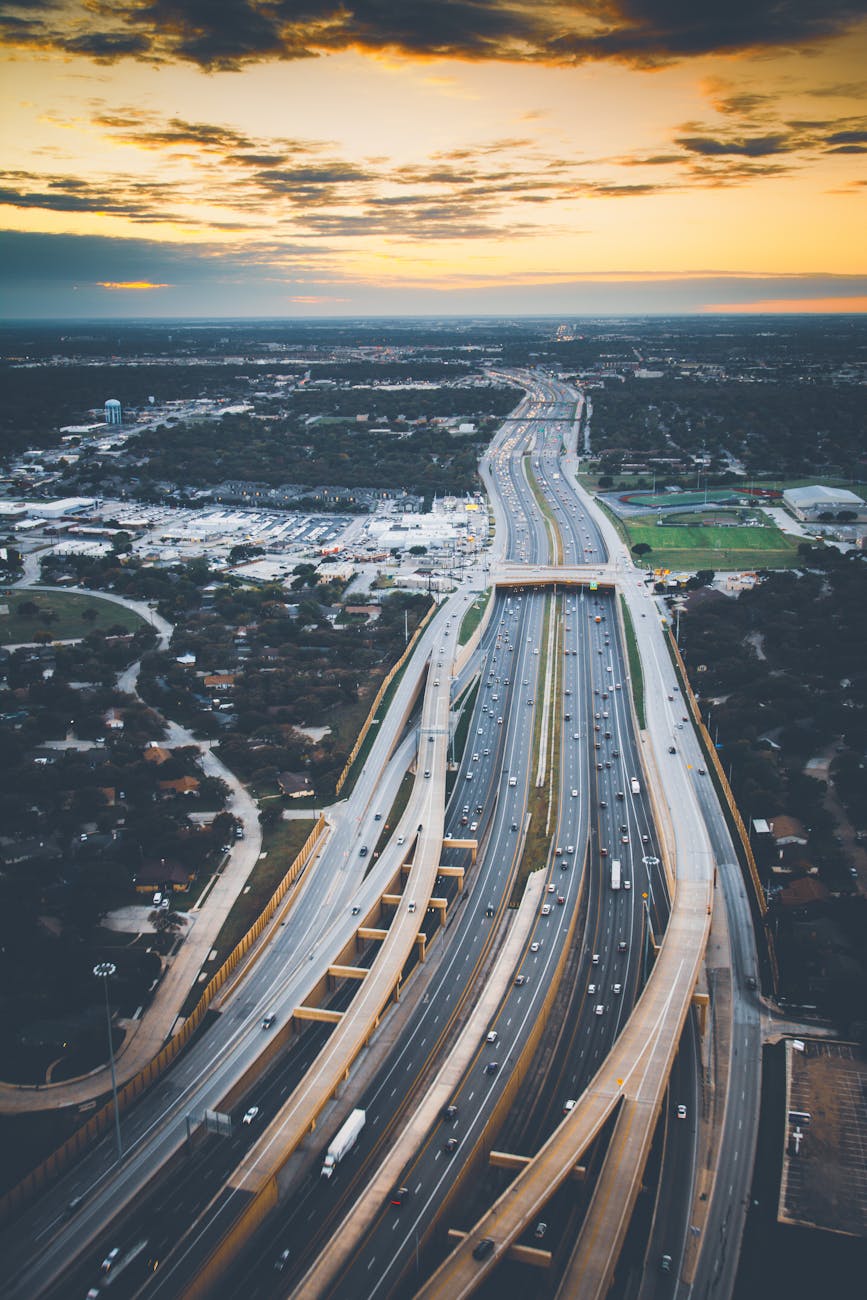
Even in deep-blue states, a bipartisan coalition keeps the highway funding spigot open, said Amy Lee, a postdoc at the University of California, Los Angeles who wrote her dissertation about California’s failure to constrain highway growth. “The construction-materials companies tend to be very big on the right, and organized labor tends to be very powerful on the left,” she said, and these forces form a pro-highway juggernaut. In January, a coalition of construction companies and labor groups sent a letter to California’s top elected leaders defending “funding for infrastructure projects that may potentially increase vehicle miles traveled”—i.e., highway expansions. (The Laborers’ International Union of North America did not respond to repeated requests for comment for this article.) As with electric vehicles, highway construction seems to be a topic in which environmental and union interests diverge.
Transportation departments don’t want to hear no on highways. In 2022 Oklahoma’s department of transportation preemptively bought 23 web domains, like oklahomansagainstturnpikes.com and stoptheeasternloop.com, that could theoretically be used to rally opposition to the state’s $5 billion highway plan. Speaking up against pavement within a department can be difficult and risky. Last year, Jeanie Ward-Waller, a Massachusetts Institute of Technology–trained engineer who served as the deputy director of planning and modal programs for California’s Caltrans, was demoted after questioning her agency’s plans to widen I-80 between Sacramento and Davis. In an editorial published in the San Francisco Chronicle, Ward-Waller wrote, “My concerns were repeatedly brushed off by my bosses, who seemed more concerned about getting the next widening project underway than following the law.”
At the federal level, even asking questions about the collective climate impact of highway building appears verboten. In 2022 Stephanie Pollack, the acting head of the Federal Highway Administration, called on state DOTs to measure the carbon emissions attributable to their highway systems. Republicans were incensed; 21 states filed a suit, and Republican Senate Minority Leader Mitch McConnell advised governors to simply ignore her.
Democrats have supported highway expansions too. The White House called the Bipartisan Infrastructure Law “a critical step towards reaching President Biden’s goal of a net-zero emissions economy by 2050,” but subsequent analysis by Transportation for America found that state DOTs used nearly a quarter of the $270 billion they received through the law to expand highways, a move sure to increase emissions. (After the infrastructure bill was passed, the head of Louisiana’s transportation department said that “some of the winners I think from this project funding will be things like the Inter-City Connector,” referring to the Shreveport project.)
With so many forces pushing for roadway expansions, opposing them requires political bravery.
As noted above, this system requires resources. And both major political parties tend to support it. They might fight particular projects (also highlighted in the article) but they generally find the money needed for fixing roads and creating new ones.
To reverse course then requires a major political change. Resources could be funneled elsewhere. The topic could become a regular campaign issue. It could join with popular support. How might it be pitched? Here are two areas where I could guess these political appeals might work:
The individual costs of driving are high. Paying for gas, insurance, maintenance, storing a vehicle, and more add up. Are all people interested in paying this year after year after year?
A desire among some (not all) for denser living areas that can support less driving. Even American cities can be sprawling but it seems there is some interest for communities that are more walkable and accessible by other means.
There are other arguments to make, of course. The two I listed get at different opportunities people might want. Pivoting from a transportation method that tends to privilege individual choices to travel wherever they want whenever they want might require providing different opportunities.
That’s why we will create what I call an opportunity economy. An opportunity economy where everyone has a chance to compete and a chance to succeed. Whether you live in a rural area, small town, or big city. As President, I will bring together: Labor and workers, Small business owners and entrepreneurs, And American companies. To create jobs. Grow our economy. And lower the cost of everyday needs. Like health care. Housing. And groceries. We will: Provide access to capital for small business owners, entrepreneurs, and founders. We will end America’s housing shortage. And protect Social Security and Medicare.
I am interested in hearing more about this plan for housing for two reasons:
I think many Americans perceive this as a need. People need more housing, particularly cheaper good housing. They want the opportunity to invest in a residence and a community. They want the opportunity for that ownership to be an asset down the road. They do not want housing to take up too much of their budget.
I have tried to keep track of this issue during recent presidential elections and it does not appear to an issue that candidates lead with. There could be multiple reasons for this: it is difficult to addressing housing at a national level when it is often a local issue and it may not be a “winning” issue with voters compared to other topics. However, I have often thought that a candidate that could promote a reasonable and doable strategy that could help people would do well to do so.
Could the two candidates offer more about housing in the coming weeks?
“It is easy to forget this county, DuPage, was once one of the reddest counties in America not long ago,” Conroy said during Tuesday morning’s Illinois delegate breakfast.
She noted that DuPage was where “Republican presidents raised millions of dollars, produced a U.S. speaker of the House” and led both chambers in Springfield. “But 12 years ago, that tide began to turn,” said Conroy, who in 2012 became the first Democrat to win an Illinois House seat in a district entirely in DuPage.
In 2022, Conroy again made history as the first female elected to head the DuPage County Board and the first Democrat to hold that title in several decades. That same year, Democrats solidified a 12-6 majority on the county board. In 2018, Republicans held all but one seat on the county board.
Conroy said Democratic women also now make up an overwhelming majority of state representatives and senators representing DuPage in Springfield.
This is a change echoed in the other collar counties of the Chicago area: a shift from Republican bases to Democratic majorities. This is all part of the emerging complex suburbia.
At the same time, this is not the first time there was a major political shift in DuPage County. Local historical Leone Schmidt detailed political life in early decades in the county in the 1989 book When the Democrats Ruled DuPage. She describes the book this way:
It covers the impassioned and sophisticated political activities, the interplay of parties and personalities, and the heyday and fall of the Democrats as a force in Du Page County.
By 1860, the Democrats were the minority party in the county, and the Republicans successfully imposed the importance of party loyalty, regardless of local issues, on county politics.
The county has experienced at least two major shifts in political leadership and voting patterns. As politicians and parties fight for votes in DuPage County and other suburbs, there could be future shifts. What can look like solid majorities through multiple decades can change – they have before.
One of the proposals would forbid Washington’s local government from banning right turns at red lights. Another would do away with the automated traffic-enforcement cameras that ticket D.C. drivers for speeding, blowing stop signs and other violations.
The provisions are not just a case of earnest traffic-engineering wonkery sneaking into Congressional oversight. They represent a culture-war cause just as real as D.C.’s needle-exchange efforts or mask mandates, two other targets of current GOP riders. At the core of it is the politically revealing question of cars versus other ways of getting around.
In blue cities across the country, local road policy in the past decade has been tweaked in the name of making things safer and more enticing for non-drivers — often by making things slower and more annoying for motorists…
In a polarized country, it was inevitable that this would become more than just a disagreement over traffic circulation and moving violations. After all, the 21st century push to promote alternative modes of transportation cites a Democratic-coded cause (climate change) to promote ways of getting around (by foot, bike, bus, or subway) that are a lot more convenient in dense blue cities.
On the right, for more than a decade, there’s been a refrain about the “war on cars” right alongside the war on Christmas. “There is a loud constituency that does not want you to drive your car,” said Jay Beeber, executive director for policy at the National Motorists Association, which has championed the measures dictating Washington policy. “A lot of this is virtue signaling.”
Four thoughts:
Is it “inevitable” that this would become a culture war issue? I am sure there is an interesting history in here. Does this go back to seat belt laws? Speed limits on highways set in the 1970s?
It is relatively easy to break this down into cities versus other areas. What about groups or political discussions in between such as suburbs promoting more walkability and bicycling, small towns and rural areas trying to lessen dependence on cars, and regions emphasizing different transportation policies? Are there Republicans for different road policies and Democrats for more driving?
The interplay between federal and local policies is worth paying attention to. Americans tend to like local government oversight of local issues. Do Americans tend to think the federal government does too much regarding traffic policies or not enough?
Where does this issue rank in the range of culture war issues? Is this more like a proxy war or the big issue? Americans like driving so this could get at core concerns about American ways of life.
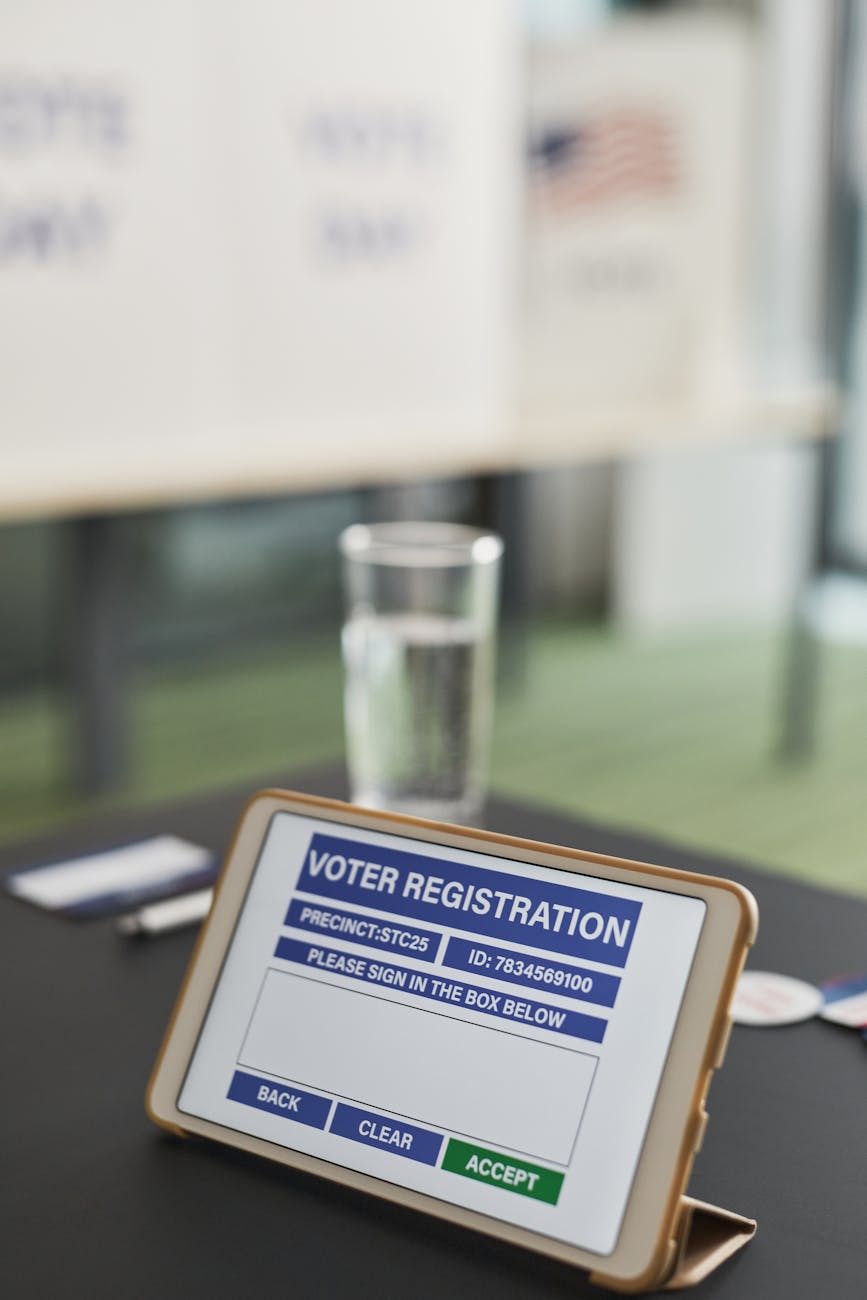
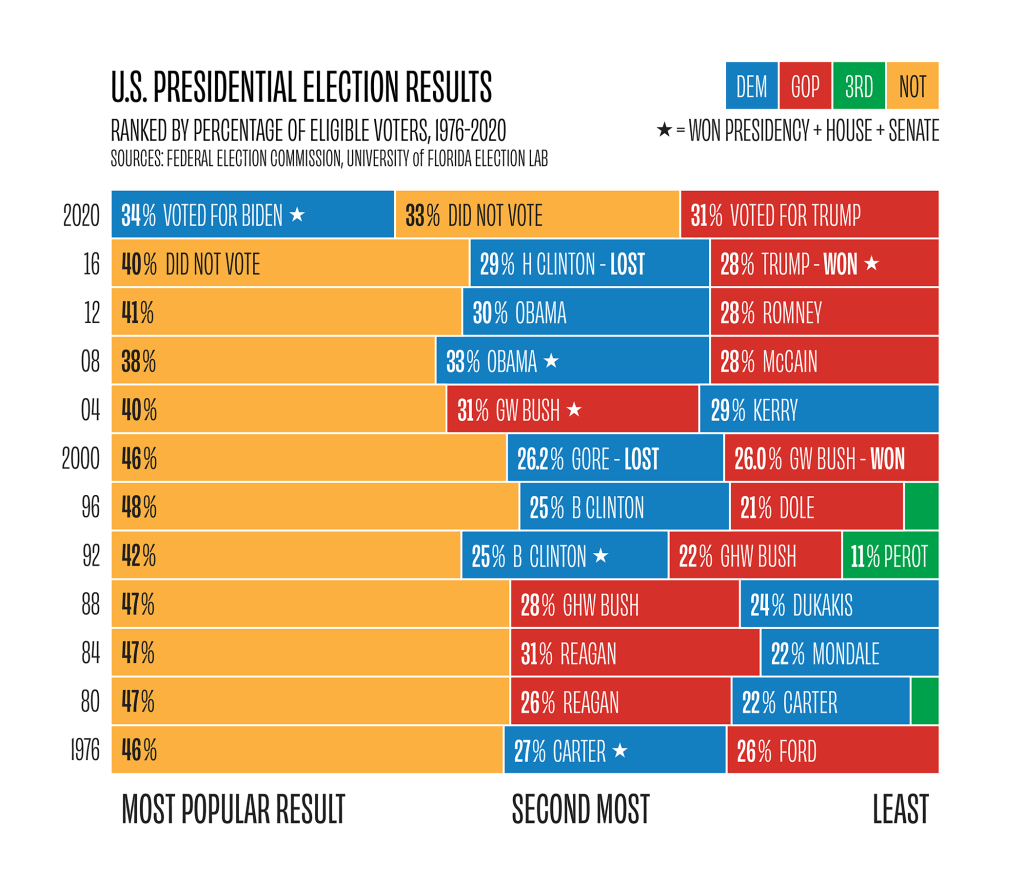
And “did not vote” often clobbered the candidate who received the higher percentage of the popular vote, often by 10-20%.
What does this mean about “get out the vote” efforts? Is the narrative that “this is the most important election of our lifetime” effective in getting people to vote?
At the least, the presidential election turnout is better than many local elections.
Hochul was just touting the benefits of congestion pricing two weeks ago, but she appears to no longer see things that way. According to a Tuesday night Politico report, House Minority Leader Hakeem Jeffries started raising his concerns with Hochul, claiming that if the plan were to go into effect during this election year, the ensuing buzz could make it harder for New York Democrats to win back the House of Representatives. The proposed $15 fee for drivers heading into lower and midtown Manhattan—whether from the outer boroughs or from the broader tri-state region—remains unpopular with the types of wealthy, swingy suburban voters national Democrats need on their side. And considering how badly New York Dems botched the 2022 midterms, losing House seats that could have cut into Republicans’ narrow majority in the chamber, Jeffries would like to do anything he can to regain those seats—including mollifying the New Yorkers who own cars only because they make it easier to flee to the Hamptons. Hochul herself says her decision is based on concern that congestion pricing might deter people from heading into Manhattan at a time when the city is still recovering from COVID-era business losses.
As politicians and political parties consider the 2024 elections, they are likely focusing a lot of attention on pockets of suburbanites who can be swayed to go different ways with their votes. This has been important for a number of election cycles now with a country that is majority suburban and more predictable voting results in big cities and more rural areas. Thus, the national parties fight over middle suburbia.
In this particular case, I would be interested in seeing more numbers. How many suburbanites are affected by the congestion tax? How many suburbanites might change their votes based on this issue? Is the fate of the US House in the hands of a congestion tax?
More broadly, how often does traffic and congestion decide local, state, or national elections? People generally do not like traffic or congestion but also may not like new or higher taxes or resist impediments to drive when or where they want.
While the 2020 census counted responses from household surveys, the annual estimates between the 10-year counts are based in part on counting births, deaths, and moves in and out, using the number of tax returns and Medicare filings.
The numbers do not reflect the recent influx of 41,000 migrants bused and flown to Chicago since August 2022. Census methodology does not account for migrant arrivals. Immigrants are typically hard to count because they may be transient, may not speak English and may want to stay under the radar, researchers said.
Oak Lawn Mayor Terry Vorderer, for one, didn’t buy the new estimates, noting that his town has added new townhomes while not losing housing stock…
Gov. J.B. Pritzker’s office also threw water on the results, highlighting past faulty counts made by the Census Bureau.
“For the last decade, the narrative that Illinois is losing population was fed, by what turned out to be, inaccurate annual preliminary estimates,” Pritzker spokesperson Alex Gough said in a statement. “Illinois remains one of the most populous states in the nation and is on the rise.”
International migration — which has risen nationwide — has nearly tripled in Illinois since 2021, Gough said. The state is in the process of challenging census data to ensure it receives adequate federal funding for programs like Medicare, affordable housing and homeland security, he added.
Is this about methods for counting populations or is this more about politics? For better or worse, these annual estimates have become media stories. Some places are gaining residents, others are losing. Communities with population loss have a hard time shaking all the associations that come with it. The implication is that population loss indicates decline and problems while growth is good.
On the other side, measuring populations is a sizable task. This is why so much effort is expended every ten years. The annual estimates have their own methodologies. They are estimates. This means there is some margin of error. These margins of error should be reported, even if the emphasis in the media continues to be on a concrete number of people gained or lost.
Census numbers might not be perfect but I would be interested in seeing the compelling evidence to suggest their estimates of population declines in some Illinois communities are far off or completely wrong.
The titanic Biden-Trump election likely will be decided by roughly 6% of voters in just six states, top strategists in both parties tell us.
Each side will spend billions to reach those voters over the next six months…
In which states?
Zoom in: Both campaigns are obsessed with six states — Arizona, Georgia, Michigan, Nevada, Pennsylvania and Wisconsin.
And which voters within these six states?
We perked up our ears when we heard a Biden insider use the “6% of six states” formulation as a proxy for how narrow a group of voters are considered truly in play — swing voters in swing states.
Republicans are making a similar calculation. A Trump insider told us that persuadable voters are below 10% in every battleground: “I think it’s probably 6% in Wisconsin but 8% in Michigan, and lower in Arizona.”
Given the way recent elections have gone regarding the importance of suburban voters, would a big proportion of those 6% live in suburbs? If so, these suburban voters can expect many appeals to come their direction from a variety of methods. Targeted ads online, TV and radio ads, mailers, campaign events, local gatherings, and door to door appeals. Lots of conversation about these voters and what they are thinking. Many media stories about them.
Does the average suburban voter in this 6% like that their vote matters or tire of lots of political attention?
But a POLITICO analysis shows there’s also a significant bloc of voters who did not want Trump in more exurban, red-leaning counties — the kinds of places that were skeptical of Trump in the 2016 GOP primary and, while largely voting for him in the 2016 and 2020 general elections, have remained somewhat resistant to his takeover of the Republican Party…
They’re farther away from urban areas. They’re less densely populated, and they have fewer voters with college degrees. These places — which include North Carolina’s Republican-leaning exurbs, and conservative but less Trump-inclined counties several hours north of Michigan’s major cities — still vote predominantly for Republicans, both at the presidential and local levels. In 2016, when both parties held contested primaries, the Republican voters in these counties backed candidates like Sen. Marco Rubio (R-Fla.) over Trump, and in the general election they voted for Trump at lower rates than the deep-red rural areas.
Republicans are banking on the fact that partisanship usually wins out. This is far from the first contentious primary to leave bruised egos and hurt feelings, and usually the vast majority of voters come home to their party’s presidential nominee eventually. By Election Day, voters tend to return to their partisan camps.
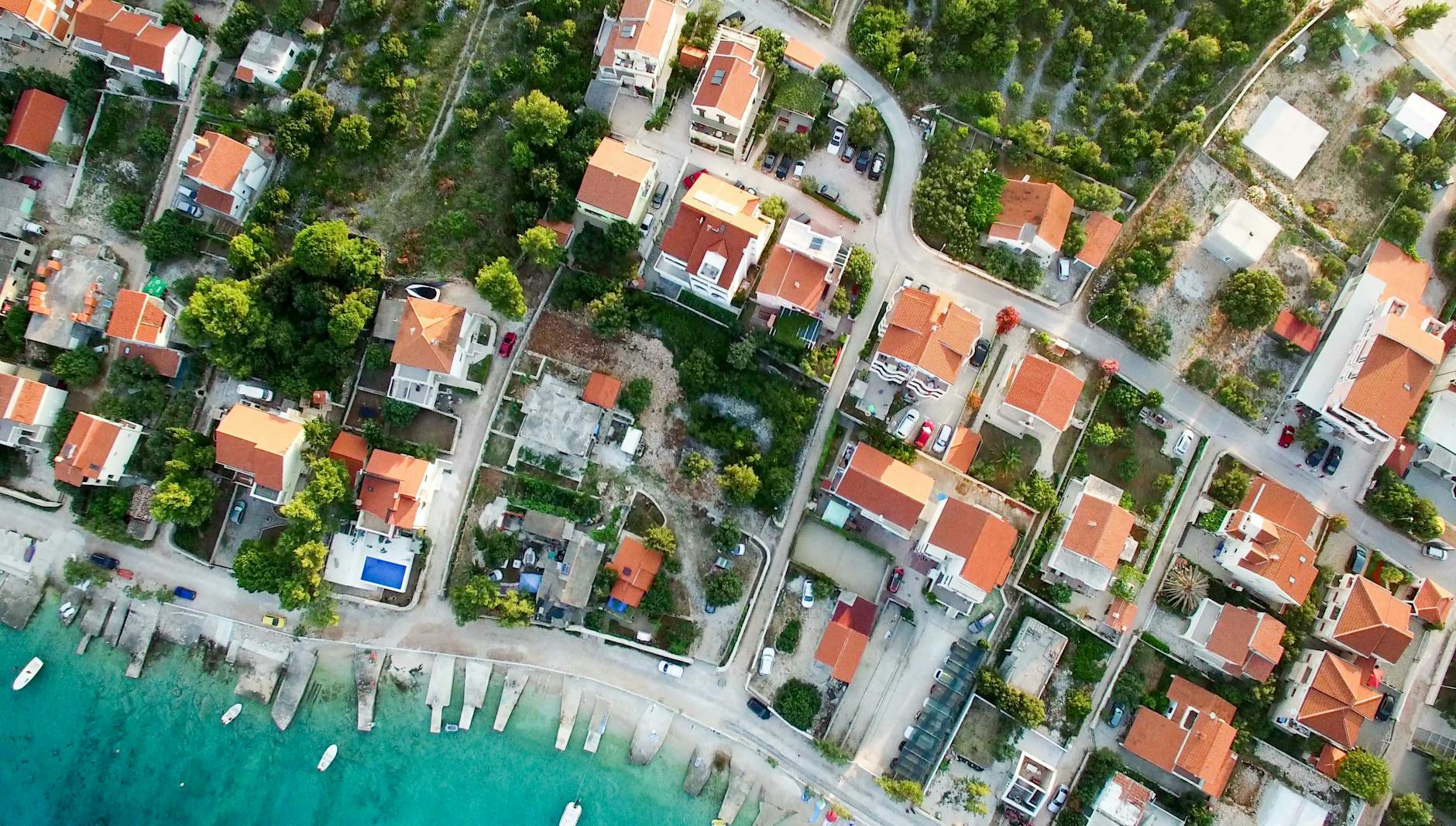
The middle to outer suburbs have been a primary battleground in recent election cycles. Voters in big cities and suburbs close to big cities tend to vote Democratic and voters in rural areas and exurbs tend to vote Republican.
The analysis above seems to hinge on whether exurban voters are enthusiastic for Trump or not. Perhaps the more interesting question is whether some exburban areas are becoming more suburban. As suburban populations grow and more educated and wealthier voters move in, does this shift voting away from Republicans? Particularly in the South and West, metropolitan regions continue to expand and this could change voting patterns.



 Legally Sociable