Bartlett, Bensenville, Elgin, Itasca, Hanover Park, Roselle, Wood Dale and Schaumburg formed the Coalition to Stop CPKC last week in a bid to convince the board that the merger would bring so many additional trains to the Milwaukee West Line that it would dramatically alter life in their communities…
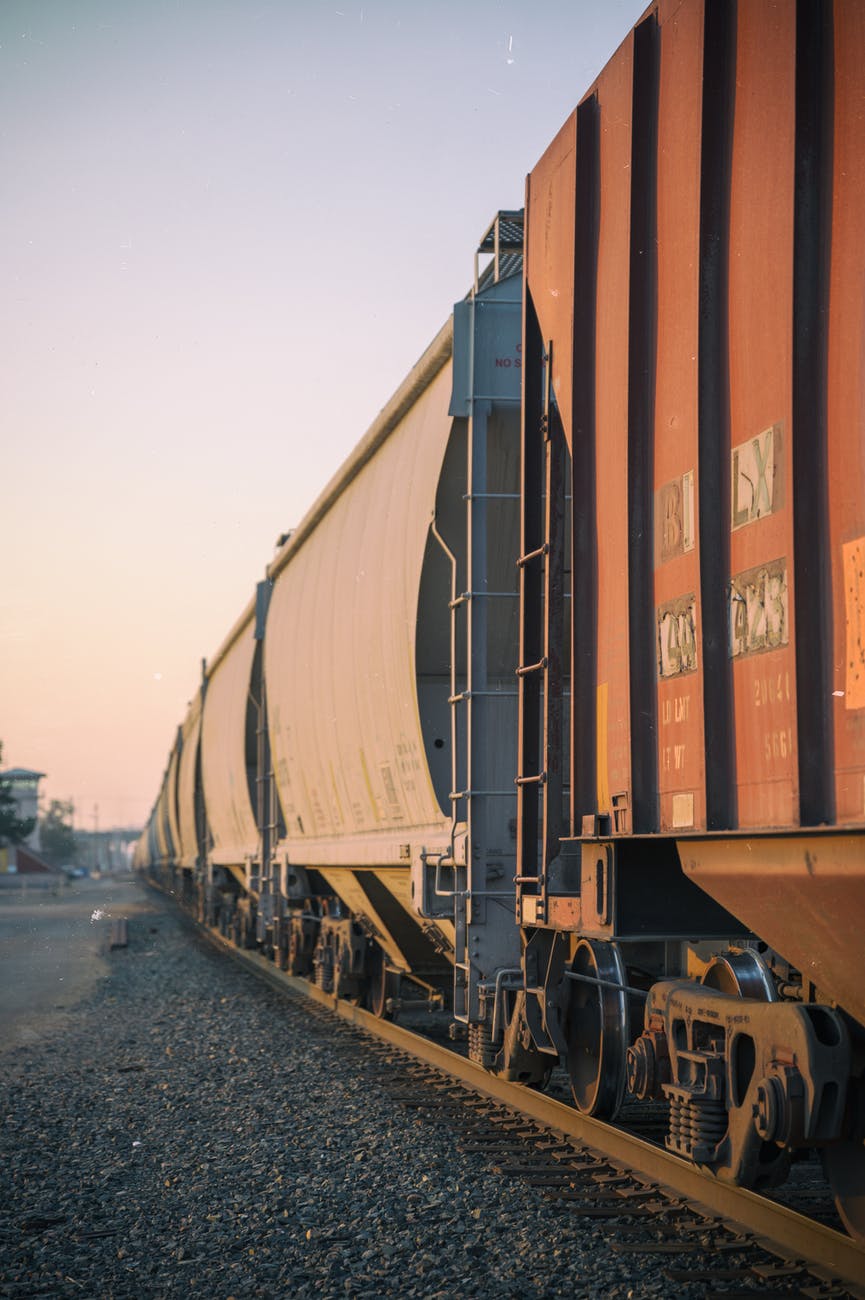
The merger would create the first single-line rail network linking the U.S., Canada and Mexico. The railroads filed the merger application in October.
Each of the eight suburbs conducted evaluations and determined what mitigations would be needed to protect their residents and businesses from the increase in freight traffic. Pileski said Roselle alone would need at least $30 million to create pathways and modify roads to get around the freight trains.
The coalition filing says the potential price tag for mitigations in all eight suburbs could reach $9.5 billion, and negate any benefit to the railroads.
Railroad traffic in many suburbs is viewed negatively due to an increase in blocked crossings or waiting for trains, more noise and pollution, and a disruption to a quiet suburban life. On the other hand, rail traffic helps deliver a lot of goods, can be more efficient than other shipping options, and might limit traffic – train or on roads – elsewhere.
In the larger picture of the Surface Transportation Board, where do the concerns of these 8 suburbs fit with other concerns or advantages regarding this potential merger?
Yes, we do! It turns out hundreds of families live in Chicago’s only trailer park, Harbor Point Estates, which is in the far southeast corner of the city. It sits along the shores of Wolf Lake in the Hegewisch neighborhood, just off 134th Street. The community is so close to Indiana you can fly a kite there, a property manager says.
And beyond the city’s borders, there’s another 18,000 mobile homes in the seven-county metro area, according to estimates by regional planners. Mobile home communities are squeezed between expressways and plopped down in exurban cornfields, from the North Shore to Peotone…
Curious City got a question about trailer parks from a listener interested in affordable homeownership. “What is life like in Chicagoland trailer parks?” the listener wanted to know.
So we visited manufactured housing communities in Chicago, Blue Island and Des Plaines to ask residents that question. And we met people with a whole range of experiences. We found some who had moved to the trailer park as a way to make ends meet. We found families looking for peace and safety and a quiet place to raise their kids. We found residents who liked the trailer park because they could live near extended family — adult siblings, cousins — and others who’d adopted neighbors as extended family. We found people living in their familiar mobile home deep into old age. We found folks looking for a foothold to the American Dream.
Many suburban communities and urban neighborhoods would not want or approve mobile homes. As communities tend to prefer development (if they prefer any new development) that matches or exceeds the prices and styles of existing residences, mobile homes can be hard to find in metropolitan regions.
Yet, because of their cost, they can be a housing option for many. Looking to address affordable housing in the Chicago region? Mobile homes could be part of a comprehensive answer.
(Bonus: the title of my published study on religious zoning in Chicago suburban contexts refers to someone saying that would prefer mobile homes nearby rather than a possible Islamic Center.)
Thus, when COVID-19 arrived and swept through the United States in multiple waves, there were numerous potential locations available for testing sites. Throughout the Chicago region and the United States, there are larger vacant properties – from office parks to grocery stores to shopping malls – as well as smaller locations in strip malls and other smaller structures. I got my first two vaccination shots at a former big box store in the far-flung Chicago suburbs. Commercial properties are often located along busy roads and they may have central locations that people can access relatively easily.
If commercial properties were not as available, testing could take place elsewhere including on government properties like fairgrounds or civic centers. For example, the State of Illinois Community-Based Testing Sites appear to be a range of property types.
Additionally, I wonder at the rates a new testing business or a government group would pay for rent and utilities at a vacant commercial property. Has more vacancies also helped make prices more affordable for testing facilities to arise?
And if COVID-19 passes plus there is more interest in commercial properties, testing sites might also fade away. Just like other businesses or organizations who might take up residence in a strip mall or commercial property for a while, COVID-19 testing sites would arise and then disappear again in the commercial landscape.
Communities’ concerns about the length and frequency of trains are valid, but the key is to find a balance between alleviating their concerns and letting the railroads operate efficiently, bringing needed goods from one place to another, said Karen Darch, village president of Barrington and a board member of the Chicago Metropolitan Agency for Planning who has worked on railroad issues.
“We need transportation, this is a big industry for us, for the country,” she said. “And yet we want our communities to be safe and livable.”…
“It’s hard to argue against the commercial benefits that will occur from unifying these lines, and so the city’s trying to be realistic in terms of balancing its own interests with the greater benefit that can come for the U.S. economy,” he said. “We’re just asking, with the recognition that the railroads are going to benefit from this merger, we need some help.”
This is a conundrum that faces communities, regions, and the nation in multiple areas. The issue often arises in transportation but could also include eminent domain and land use, the move of a company from one location to another, and uneven development across communities. Whose interests should win out? How much room for compromise is there? How much can everyone involved see all of the layers?
There is little question that the Chicago region is an important region for railroad traffic in the United States. At the same time, that traffic impacts day-to-day experiences as well as long-term prospects for communities. What is good for the region or for national traffic may not look like what communities want.
The key here might be the efforts of the railroads themselves. What would they be willing to change about their operations and how much money would they contribute to help alleviate problems? This could range from listening to concerns, rerouting traffic away from residential areas, and contributing to the construction of bridges or underpasses to alleviate issues at at-grade crossings. This also helps make the contributions of railroads more tangible to suburbanites; people may know abstractly that railroads are important but have little to no direct interaction with any railroad company or representatives.
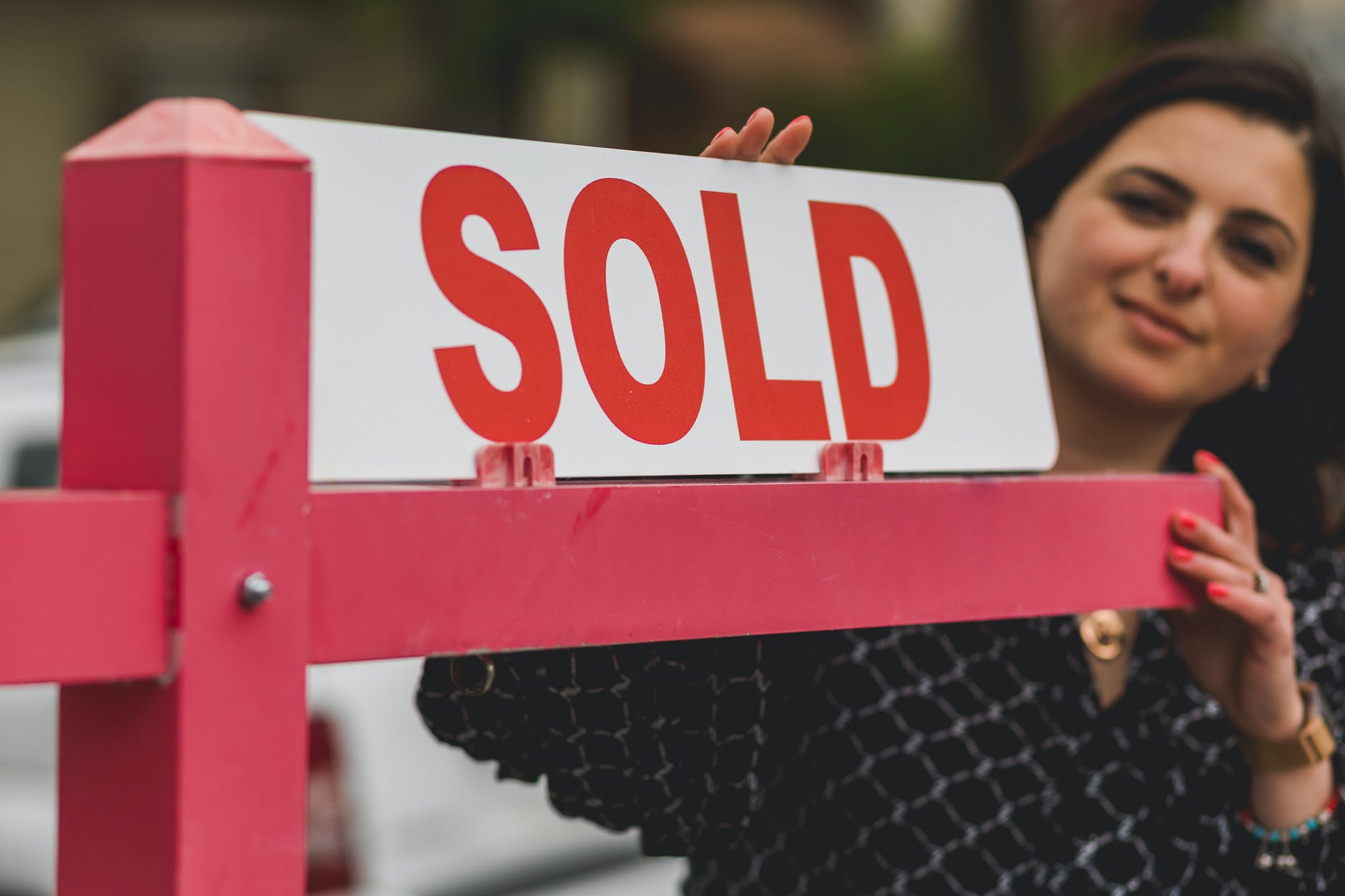
Rather, changes in home price growth, the supply of homes for sale and upticks in rock-bottom interest rates are more likely to stabilize the market after an unpredictable 2021, they said. That likely won’t mean an end to competition or high prices — and it doesn’t bode well for first-time homebuyers — but the market could ease up compared with 2021…
In the nine-county Chicago metro area, the median home sale price from January to November was $300,000, up nearly 12% over the same months in 2020, according to the Illinois Association of Realtors…
Prices are likely to rise next year, but won’t continue the exponential growth of 2021, said Daniel McMillen, head of the Stuart Handler Department of Real Estate at the University of Illinois at Chicago. Without an influx of new residents to the area or big increases in incomes, that growth will become unsustainable, he said…
Homebuyers are continuing to look for amenities like home offices and workout areas, Melbourne said. Kitchens are a priority. Condo-buyers are looking for bigger units, rather than one-bedrooms.
The pressure from COVID-19 moves will hopefully subside. Then, the more regular patterns in Chicago area real estate might take over again. There are at least several interrelated factors:
Uneven development within the region where some neighborhoods and suburbs will be popular and others not. Prices will go up in desirable places.
Construction of new residences has been down. What kind of units will be built? If recent trends hold, it will be housing aimed more at wealthier residents. Additionally, these units will be constructed in some locations and not others.
Karen Darch was elected mayor of Barrington in 2005, only two years before the merger of the Canadian National and EJ&E that would increase the freight traffic in Barrington from three trains to up to 20 each day. She understands what worries Roselle and other suburbs along the Canadian Pacific line, as CP and the Kansas City Southern pursue a merger.
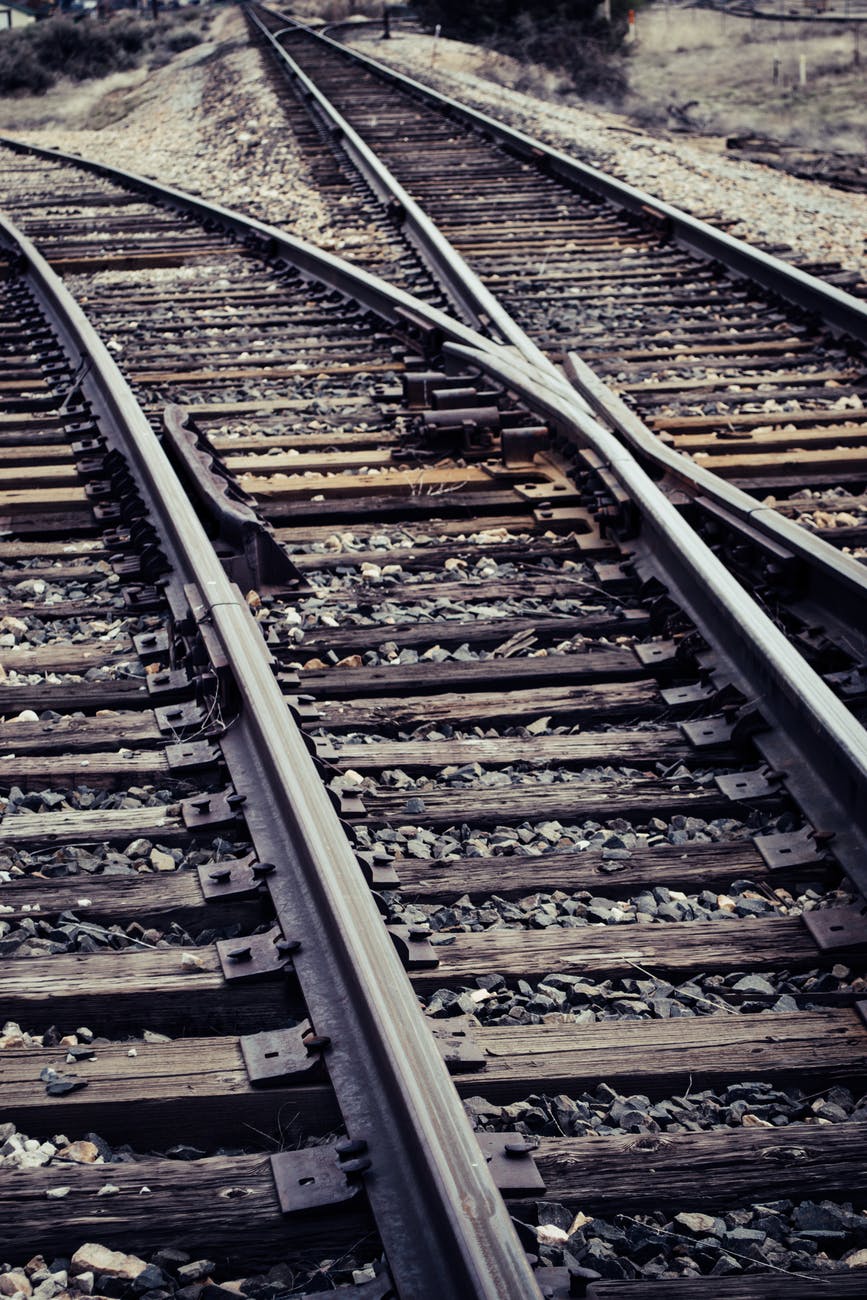
The merger could bring six to eight more freight trains a day through Roselle, Itasca, Wood Dale, Elgin, Bartlett, Schaumburg, Hanover Park and Bensenville. Leaders in those towns are concerned about potential traffic backups, emergency vehicle delays, additional noise and more pollution, as vehicles idle for longer…
Under Darch’s leadership, Barrington fought to extend the oversight period over CN, arguing that crossings were being blocked for longer than what the railroad agreed to.
The village also worked for years to get federal money to build an underpass for Northwest Highway at the CN tracks — improving traffic flow and making it easier for ambulances to get to Advocate Good Shepherd Hospital.
I first ran into this issue in the late 2000s while conducting research involving a community that was also affected by the moves of Canadian National. To many leaders and residents in such suburbs, the increased traffic was not just a nuisance; in a region with many at-grade rail crossings, more and/or longer trains has the potential to snarl traffic, limit the ability of emergency vehicles to get around the community, and create more noise and pollution.
The irony is that many Chicago suburbs were founded along railroad lines and the region itself is central to the American passenger and freight rail network. Without the railroad, the Chicago region and many of its communities would not be the same. That same train that makes day to day suburban life more difficult is important for Barrington and the region as a whole.
There still might be solutions to these problems. One solution underway for a while is to move more of the freight train around the outskirts of the region so that it is does end up in communities and the city itself. A second solution is to limit the number of at-grade crossings so that roadways and trains do not interact as much. A third option is to see the whole of the region in these discussions so that what is good for Barrington and other suburbs could also be good for the region and vice versa.
But after prices soared during the COVID-19 pandemic, even the lower-priced homes became out of reach for many low-income households, according to a recent report from the Joint Center for Housing Studies of Harvard University…
In June 2020, a home slightly below the median price was comfortably in that range, selling for $196,450, Hanifa found.
But one year later, a home that was 80% of the median price would sell for $220,562, meaning even lower-priced homes were no longer affordable for low-income buyers.
The loss of affordability was not limited to Chicago. Hanifa found low-income families could afford a home in just 20 of the country’s 100 largest metro areas in 2021, down from 39 the year before…
The hot housing market has had a trickle-down effect on neighborhoods such as Garfield Park, Humboldt Park and Belmont Cragin, he said. As buyers have been priced out of more expensive neighborhoods, they begin looking at a lower or middle-income neighborhoods where they can make offers over asking. Then residents of those neighborhoods can’t afford the homes for sale.
Rising home values are often viewed very positively. Those who own homes can benefit from the increase in prices without much work of their own. Over time, homeowners hope prices go up and they can get a strong return of investment at a sale.
But, this data is a reminder of the flip side of those same rising prices. If prices go up faster than other factors including accessing mortgages and rising incomes, those who want to enter the housing market – and reap the benefits of increasing real estate values – have a harder time doing so.
This dynamic is recognized in particularly expensive real estate markets. When people discuss Manhattan, San Francisco, Seattle, Los Angeles, and a few other locations, people know there is a limited or nonexistent cheaper market for homeownership. This does not come up as often in cheaper markets, often in the Midwest or South, where prices are not as high and there are more options. If prices increase there as well to beyond what lower-income residents could afford, then what happens?
More than 150 years ago, the 19th-century farming community’s prosperity was inextricably tied to its proximity to the railroad line, which served as a trading hub bolstering the town’s agrarian economy. By the 1920s, the community would become home to professionals boarding commuter trains headed to and from the city.
Despite many of those residents working at home these days as a result of the pandemic, the Union Pacific Northwest line dissecting the village of 77,000 residents is still viewed as an economic engine. But Arlington Heights is no longer beholden to the fortunes of Chicago, making the prospect of a Bears stadium in town interesting, yet not essential…
Embracing change has been a recipe for success for the revitalization of downtown Arlington Heights, which like central business districts across the U.S., was languishing in the 1970s and ’80s after mom and pop businesses were devastated by shopping malls and big-box stores, said Charles Witherington-Perkins, the village’s director of planning and community development…
To build the Arlington Heights of today, crafting a new downtown master plan was only the first step. In order to execute the vision, officials needed to loosen building height and density restrictions — stringent regulations that were making it impossible to create an economically and aesthetically vibrant downtown, Witherington-Perkins said…
The contingent of new residents arriving in Arlington Heights — many of whom were commuters attracted to the complex’s proximity to the Metra station — ushered in a surge of downtown residential and retail development that has served as a model for neighboring communities along the Metra line.
Take out the name of Arlington Heights and a few other regional details, and this story might be told for dozens of suburbs in the Chicago region as well as dozens more outside of older American big cities. Here are a few of the common features:
A founding before mass suburbanization. Communities were small, farming was a primary industry, and the railroad was very important for the initial mass of people at that spot.
Mass suburbanization of the twentieth century brought many residents and changes.
Revitalizing suburban downtowns became a priority in the last four decades as competition from shopping malls and strip malls moved business activity away.
This revitalization included adding residential units in denser structures.
As noted elsewhere in this article, these choices about downtown redevelopment often involved choosing more expensive housing units rather than affordable housing. Even when cases went to court (as one did in Arlington Heights), relatively few affordable housing units were created in these denser suburban areas. This leaves Arlington Heights as wealthy and whiter.
This theoretically means the community is more independent from Chicago with its own ecosystem of residential and commercial life downtown and in the suburb.
Does all of this add up to a new state-of-the-art stadium with a multi-billion dollar price tag being constructed in the suburb? That may be a separate issue given how few stadiums are in even large metropolitan areas and the sizable available property at play here.
Is Arlington Heights now truly independent of Chicago and self-sufficient? I would prefer to consider metropolitan regions as a whole as the fate of particular suburbs are connected both to the health of the big city and the suburbs. While a Bears stadium in Arlington Heights will be discussed as a win for the suburb (mostly – as the article notes, some residents oppose it) and a loss for the city of Chicago, the team and the benefits that come with it are still in the region.
Yet, it is worth noting that how the changing suburb understands itself is important. No longer a small farming community, Arlington Heights likely views itself as ambitious and making choices today to help secure its future success. A denser downtown provides a different experience than a bedroom suburb strictly made up of single-family homes. A Bears stadium would put them on the map in a way that few other nearby suburbs could equal. What Arlington Heights is and will be depends on choices made and responses from all of the actors involved.
After two day trips on a recent weekend, I thought of what happens when you drive on the same highways many times. While yesterday I considered what the familiarity with roads and sites allows, today I briefly discuss what a slightly different route might bring. Two examples come to mind.
The first example comes from the way I have approached the city of Chicago. For most of my life, this involved traveling east on the Congress Expressway. This meant that we passed through particular suburbs and neighborhoods, saw the skyline from a particular angle, and were in a particular relationship to the sun.
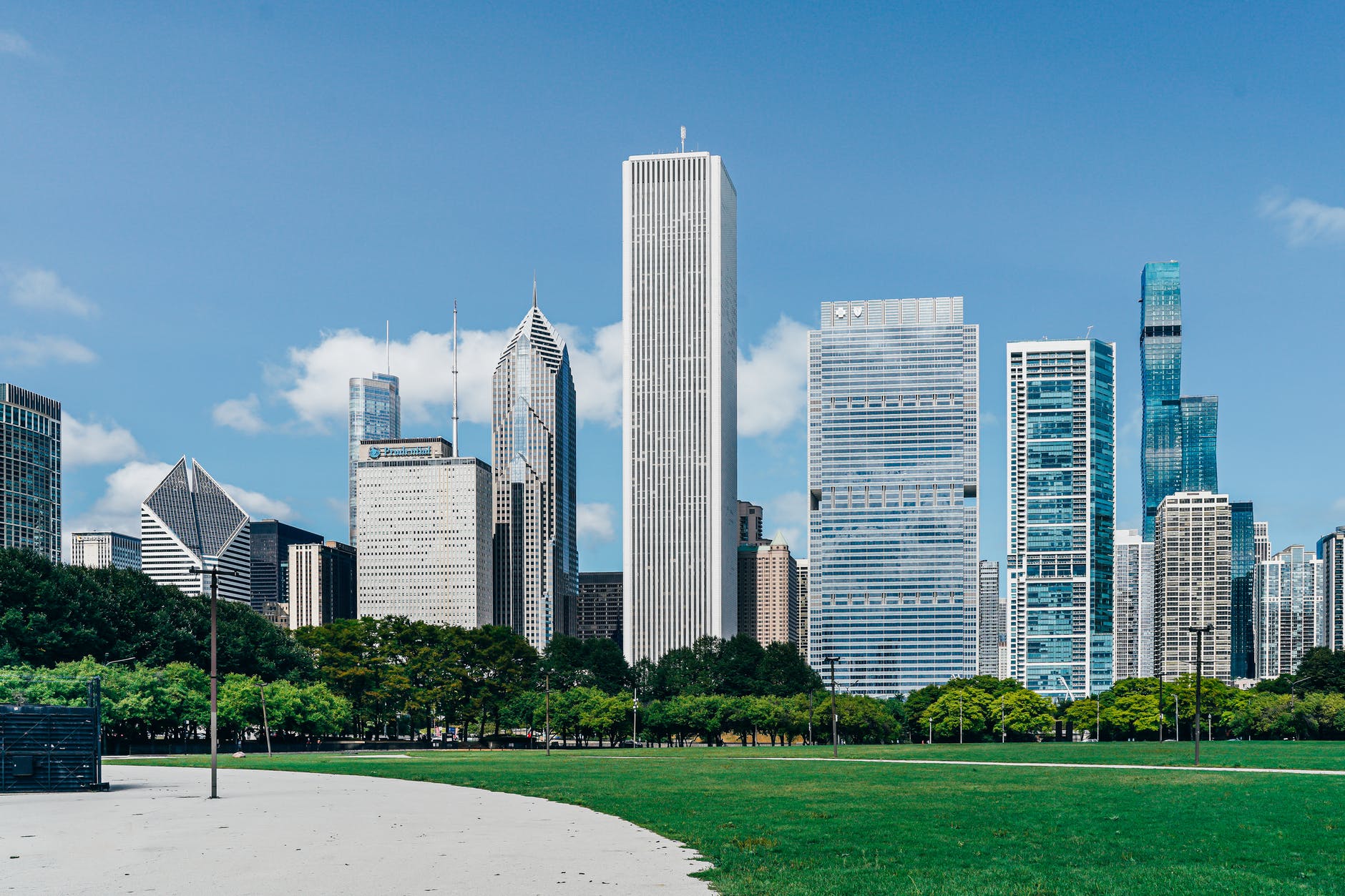
With a move after college east of Chicago, for a while my driving angle to the city changed dramatically. Now we approached via the Skyway and then either the Dan Ryan or South Lake Shore Drive. We saw different parts of the suburbs and city, the skyline of the same buildings looked different, and then shone from a different spot. The similar sites appeared quite different from a different highway just miles away. Chicago from the south is a different place than Chicago from the west, even from a fast-moving car.
A second example. Interstate highways often offer the ability to go around population centers. This speeds up driving. The city off in the distance is reduced to a set of tall buildings and/or landmarks that can be viewed from a distance.
One time, we took the business route through a small big city instead of skirting around its edges. We ended up in the same place and it took a little more time but we had a very different view of the city. Now we could see strip malls and residences. The big buildings from the distance looked even bigger close up. There was a sense of human activity rather than whatever life can be observed at 70+ miles per hour.
Familiar highways present opportunities but they limit what can be seen. The same familiarity that can contribute to an enjoyable road trip stop drivers from new angles.
On a recent weekend, I made two separate day trips. Each sojourn required driving on highways in and out of the Chicago region that I have traveled on, either as passenger or driver, at least dozens of times. Because of its location and its transportation infrastructure, the Chicago area has numerous highways plus a good number of interesting locations within several hours.
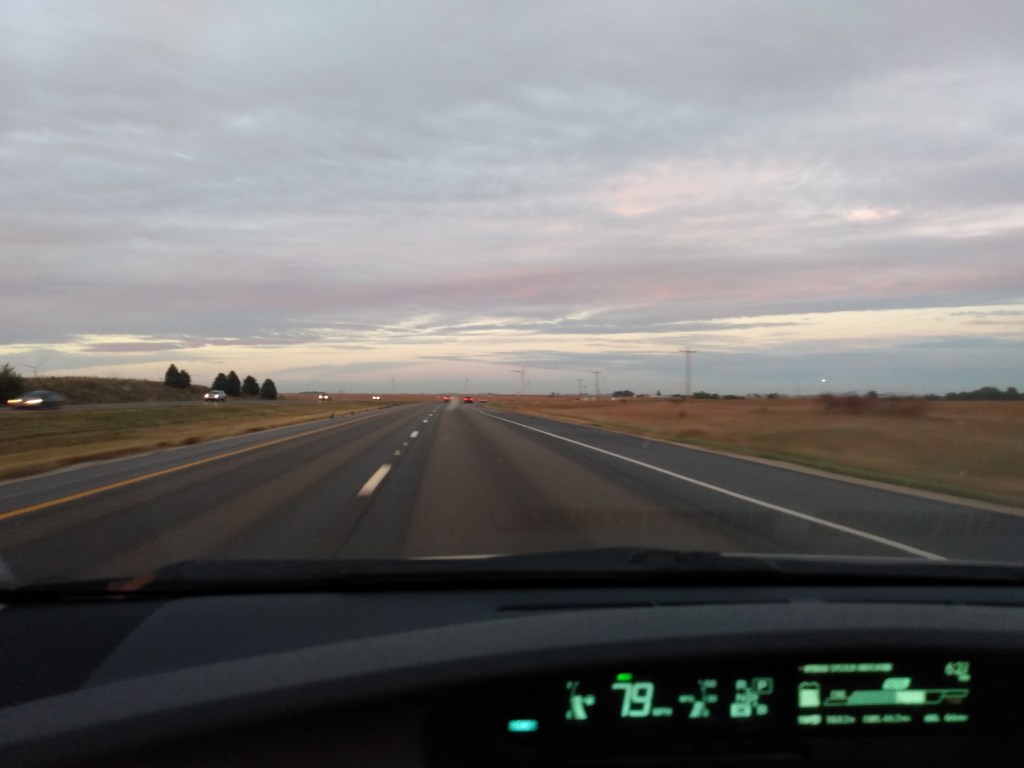
One feature of such drives is the ability to go into a kind of travel autopilot. These roads are familiar. You know the sights. In the Midwestern landscape, there may be relatively variation in scenery.
To me, this eases the drive. Yes, hours may pass but you have done this before and you can get it through it again. On these routes, I have encountered clear skies, dark, rain, snow, and light traffic and heavy traffic. The drive is still roughly the same.
This may seem boring to some. What is the point of such a drive? Why not just go a lot faster and get there as soon as possible?
However, the familiar roads and scenery can open up room for other activities. Enjoying music is easier when the roads are familiar. So is good conversation or listening to an audiobook or doing some contemplating. Because what is going on outside the vehicle is not much of a distraction, many of the things that people celebrate about road trips are possible.
Tomorrow, what can happen when you are on a slightly different highway near what you thought were familiar locations.





 Legally Sociable