Wrestling with the ongoing – and increasing – numbers of pedestrian deaths in the United States

After a pedestrian death in her neighborhood, one writer considers the issue in the United States:
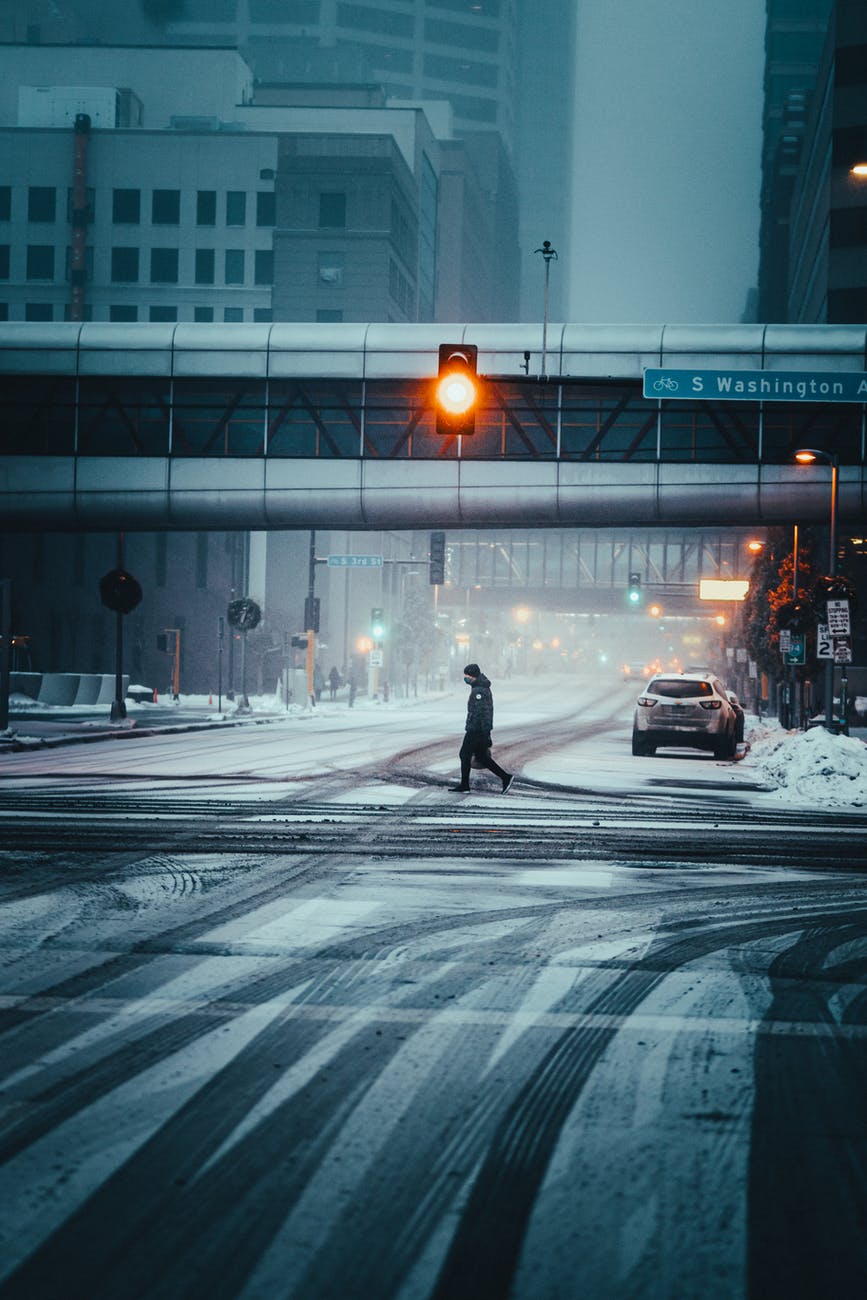
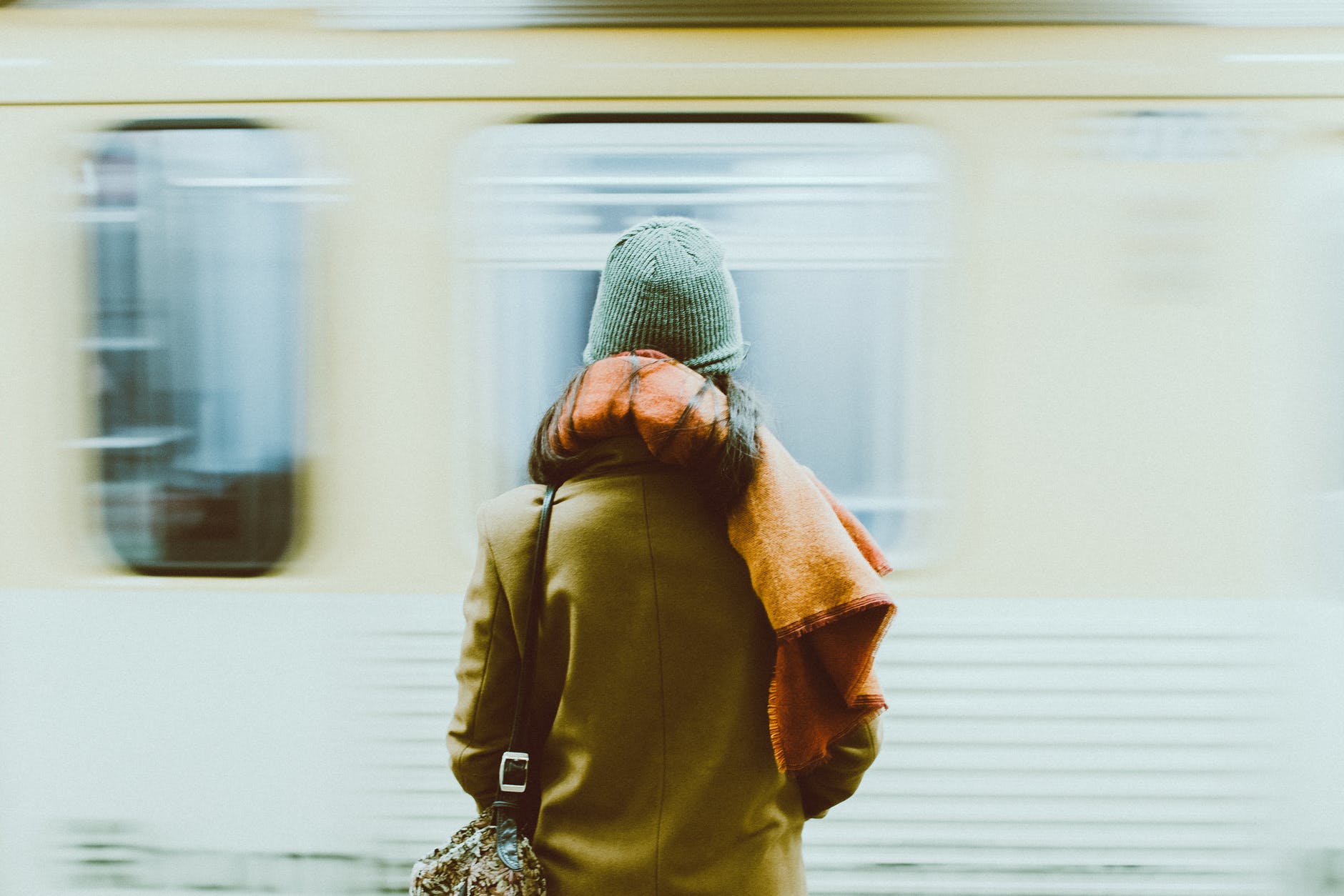
Photo by Josh Hild on Pexels.com

My neighborhood isn’t unique. So far this year, 15 pedestrians have been killed by drivers in the nation’s capital, and total traffic fatalities are up to 37-the highest number since 2008. This is all despite Mayor Muriel Bowser’s goal to end traffic deaths by 2024 as part of the Vision Zero program signed on to by leaders of D.C. and other major U.S. cities. The District Department of Transportation has made some changes to protect walkers and cyclists, such as reducing speed limits and installing more bike lanes. Ironically, total traffic fatalities have increased steadily since the program began.

The same trend is reflected in cities across America. Part of the increase in pedestrian deaths is probably because our vehicles are bigger than ever. “Our pickup trucks and SUVs are gigantic compared to the sizes they used to be,” giving drivers less visibility and a greater sense of security, which makes them more aggressive on the road, says Rohit Aggarwala, a fellow at the urban Tech Hub at Cornell Tech and the former director of long-term planning and sustainability for New York City. During the pandemic’s early days, as fewer Americans drove to work or school, it seemed safe to assume that fewer pedestrians would die Instead, fatalities have jumped. Conclusive research isn’t out yet, but the increase is likely at least in part due to a drop in traffic congestion and an ensuing increase in speed: “People were still walking around their neighborhoods during lockdown, and you had a [small] number of people on the streets driving very, very fast,” Aggarwala told me. Older adults, people walking in low-income areas, and Black and Native Americans are all overrepresented in pedestrian-death statistics.

Most pedestrian deaths are preventable, and experts believe that the solutions are straightforward. Aggarwala and his team at Cornell Tech are pushing for three major changes to America’s driving infrastructure: more robust traffic-camera enforcement, to capture not just speeding but all kinds of moving violations; road redesign that would decrease lane size and add speed bumps to nudge drivers to slow down; and finally, upping the standards for vehicle safety. Car manufacturers in Europe are required to test cars for pedestrian impact; they design hoods to slope downward so that drivers can see anyone who might wander into the road. American automakers could do the same, or add pedestrian-detection systems or speed limiters to cars. Many of these changes would not only make roads safer for pedestrians but also could reduce police violence at the same time. “The U.S. hasn’t considered any of this,” Aggarwala said. “We have a tradition of focusing on vehicle safety as only being about the occupant.”

This is an ongoing issue as long as roads are primarily for cars and vehicles. The priority for decades in the United States has been to make roads optimal for vehicles. Pedestrians and other street level activity is, on the whole, not as important.

When I read this, I thought about the efforts to include equipment in all new cars that would test to see if the drivers was driving impaired. How did this come about? Drunk driving has been a recognized issue for years with organized groups making sure it was on the public’s radar screen. Is a social movement against pedestrian deaths and promoting pedestrian safety necessary to make significant changes? The solutions might be straightforward but the political and societal will is lacking.
The boom and bust RV cycles of Elkhart

The latest rankings in the Emerging Housing Markets Index has Elkhart, Indiana at the top of the list:

Photo by Kampus Production on Pexels.com

Small U.S. cities dominated The Wall Street Journal/Realtor.com Emerging Housing Markets Index in the third quarter, as high housing costs and remote-work opportunities drive many home buyers to seek out more living and outdoor space…

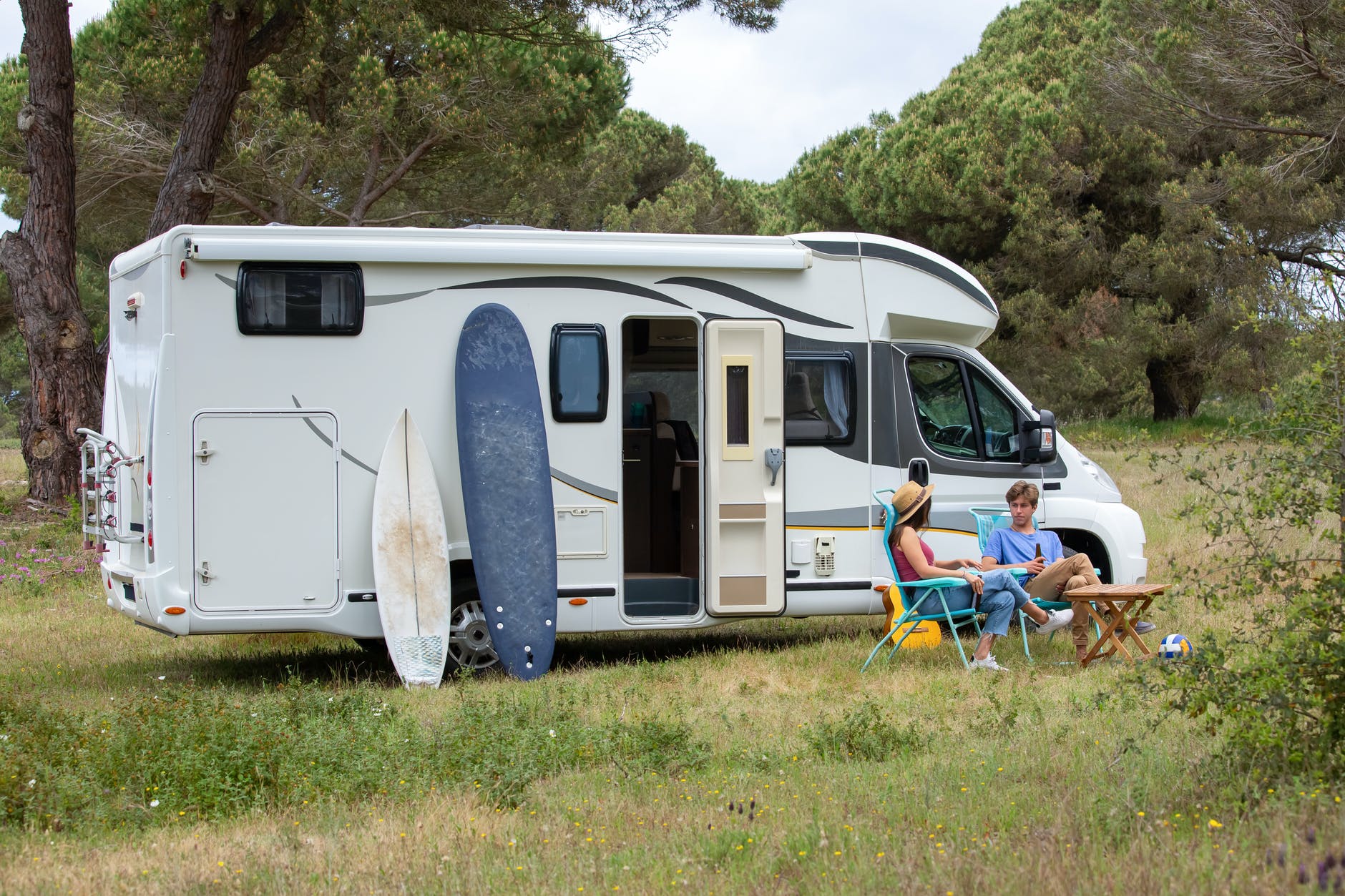
Elkhart, Ind., which bills itself as the RV capital of the world because its region is the country’s leading manufacturer of recreational vehicles, topped the housing index this quarter, followed by Rapid City, S.D., Topeka, Kan., Raleigh, N.C., and Jefferson City, Mo…

The recreational-vehicle industry is a major player in Elkhart’s economy. The Covid-19 pandemic spurred more RV demand, as households wanted to travel while keeping their distance from others. Wholesale RV shipments in the first eight months of 2021 rose 53.8% from the same period in 2020, according to the RV Industry Association…

The median home-sale price in Elkhart County rose 12.3% in August from a year earlier to $209,900, according to the Indiana Association of Realtors. There were 163 homes for sale that month, down from 220 a year earlier.

I am glad that Elkhart appears to be doing well at the moment. Having lived nearby for five years, the area has a lot to offer and economic development would be welcomed.

At the same time, it was not so long ago that Elkhart faced a difficult time. When the economy is not doing so well, such as in the late 2000s with a burst housing bubble, fewer people had money for RVs. Demand shrunk. Jobs disappeared. Before that, this area and South Bend were home to numerous manufacturers who went out of business or left. The homes have been cheaper here for a long time because few people want to move in.

It is good that this community in the Rust Belt at least has the opportunity to at times benefit from upticks in RV sales. Such industries and jobs could leave completely. But, having so many fates tied to one industry that can go up and down is trying in the long run. Numerous communities in the United States have looked to diversify their economic base – see the recent rush to add tech companies to their portfolios – even as they might have local economies based around a few companies or a few sectors. RVs may sell well one day and then conditions change and demand drops or new technology moves in. May Elkhart take some of this positive momentum and add to lineup of industries and services.

Familiar road trip highways, Part Two: always seeing sites from the same perspectives

After two day trips on a recent weekend, I thought of what happens when you drive on the same highways many times. While yesterday I considered what the familiarity with roads and sites allows, today I briefly discuss what a slightly different route might bring. Two examples come to mind.

Photo by Ricardo Esquivel on Pexels.com

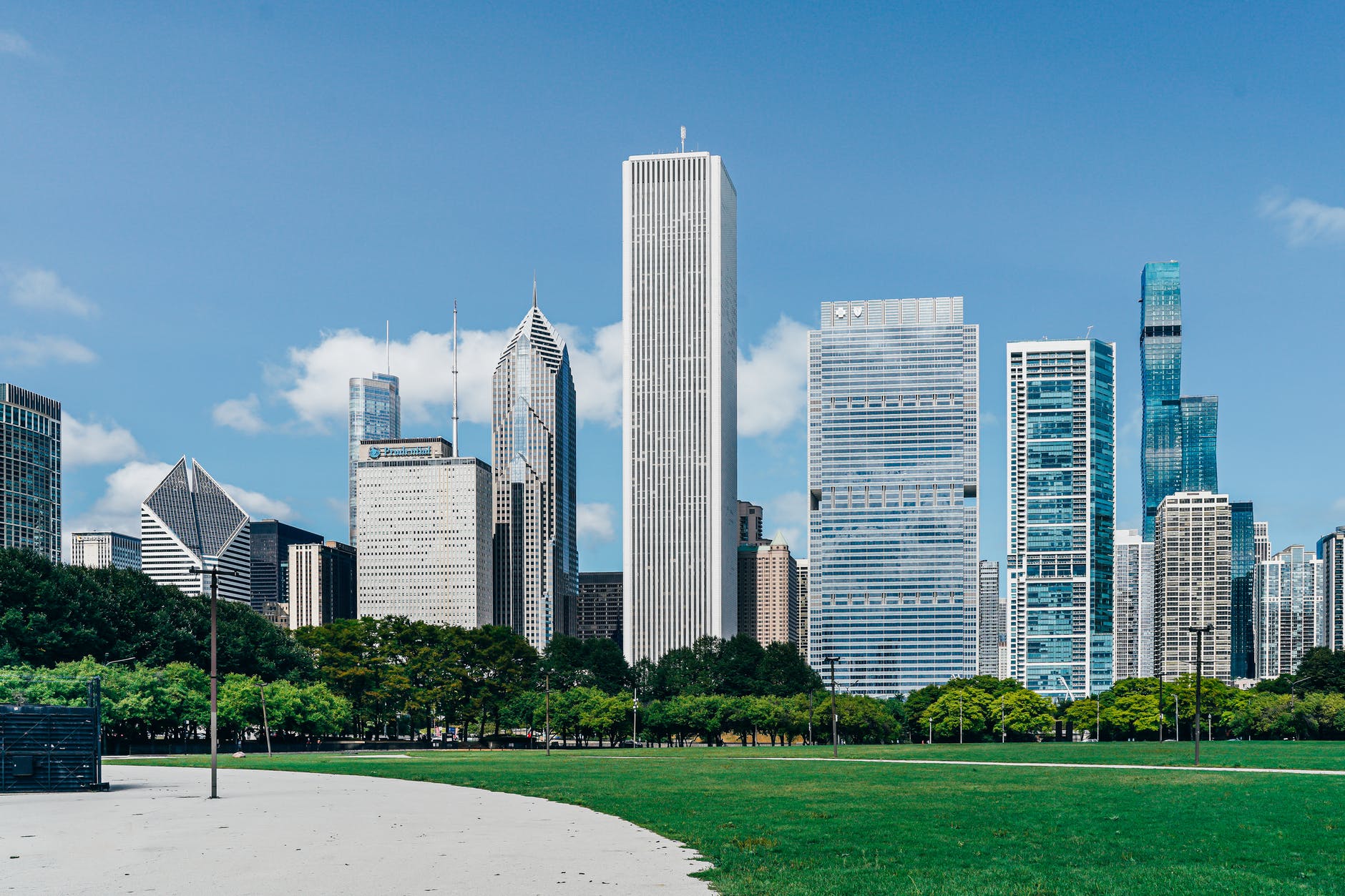
The first example comes from the way I have approached the city of Chicago. For most of my life, this involved traveling east on the Congress Expressway. This meant that we passed through particular suburbs and neighborhoods, saw the skyline from a particular angle, and were in a particular relationship to the sun.

With a move after college east of Chicago, for a while my driving angle to the city changed dramatically. Now we approached via the Skyway and then either the Dan Ryan or South Lake Shore Drive. We saw different parts of the suburbs and city, the skyline of the same buildings looked different, and then shone from a different spot. The similar sites appeared quite different from a different highway just miles away. Chicago from the south is a different place than Chicago from the west, even from a fast-moving car.

A second example. Interstate highways often offer the ability to go around population centers. This speeds up driving. The city off in the distance is reduced to a set of tall buildings and/or landmarks that can be viewed from a distance.

One time, we took the business route through a small big city instead of skirting around its edges. We ended up in the same place and it took a little more time but we had a very different view of the city. Now we could see strip malls and residences. The big buildings from the distance looked even bigger close up. There was a sense of human activity rather than whatever life can be observed at 70+ miles per hour.

Familiar highways present opportunities but they limit what can be seen. The same familiarity that can contribute to an enjoyable road trip stop drivers from new angles.

Familiar road trip highways, Part One: going into travel autopilot

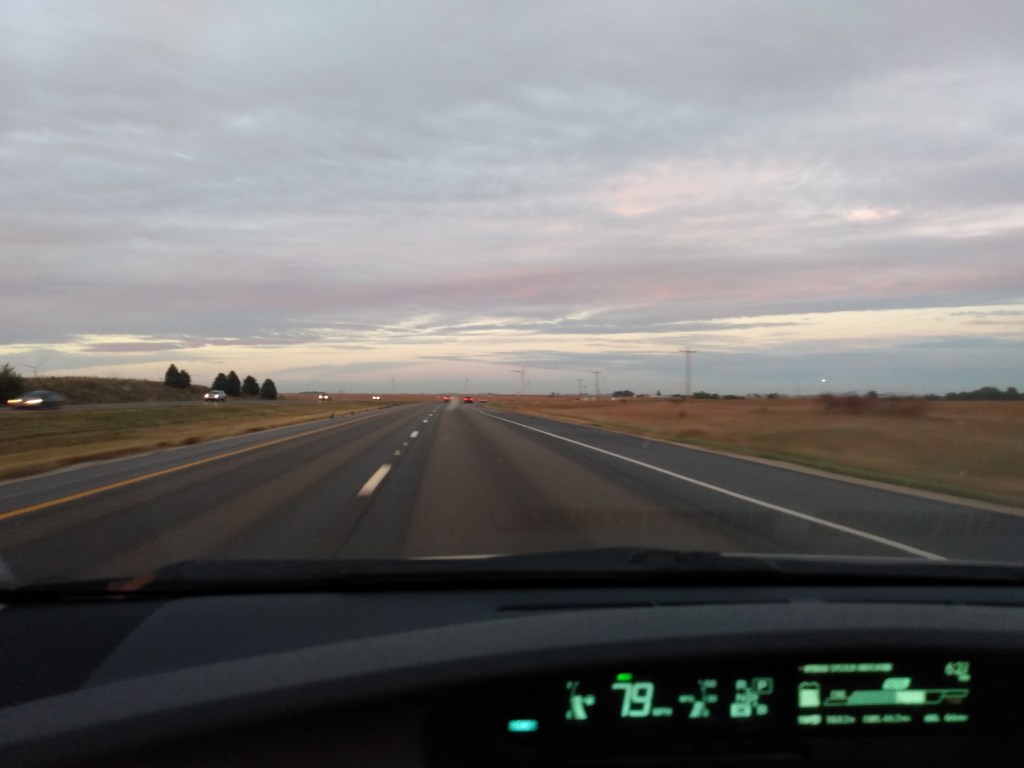
On a recent weekend, I made two separate day trips. Each sojourn required driving on highways in and out of the Chicago region that I have traveled on, either as passenger or driver, at least dozens of times. Because of its location and its transportation infrastructure, the Chicago area has numerous highways plus a good number of interesting locations within several hours.

One feature of such drives is the ability to go into a kind of travel autopilot. These roads are familiar. You know the sights. In the Midwestern landscape, there may be relatively variation in scenery.

To me, this eases the drive. Yes, hours may pass but you have done this before and you can get it through it again. On these routes, I have encountered clear skies, dark, rain, snow, and light traffic and heavy traffic. The drive is still roughly the same.

This may seem boring to some. What is the point of such a drive? Why not just go a lot faster and get there as soon as possible?

However, the familiar roads and scenery can open up room for other activities. Enjoying music is easier when the roads are familiar. So is good conversation or listening to an audiobook or doing some contemplating. Because what is going on outside the vehicle is not much of a distraction, many of the things that people celebrate about road trips are possible.

Tomorrow, what can happen when you are on a slightly different highway near what you thought were familiar locations.

An arboretum next to a parking lot for Amazon vehicles

The Morton Arboretum is no stranger to the juxtaposition of nature and suburban development. Founded in 1922 in Lisle, the Arboretum later adjusted to the construction and opening of the East-West Tollway (now I-88) on its edges:

1957

Construction of the East-West Tollway and widening of Illinois Route 53 changed the Arboretum landscape, resulting in new lakes, roads, and a staffed gatehouse.

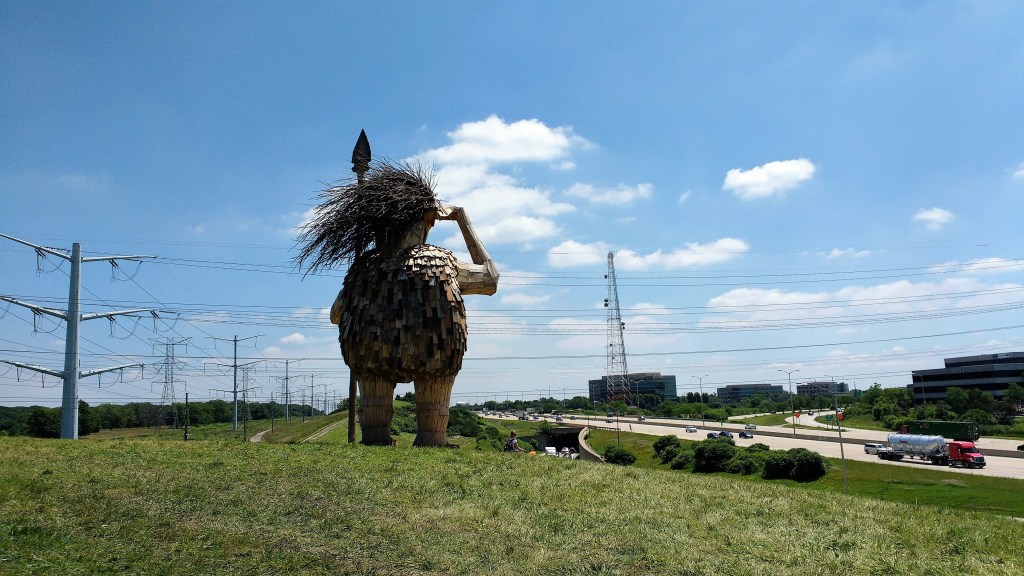
In a recent popular exhibit, the Arboretum even leaned into the nearby development with one installment looming over the highway:

Note the large power lines, the evidence of two major highways nearby (I-88 and I-355), and office buildings.

Recently, I drove around the east side of the property. This land has had a number of office and warehouse properties for years. This makes sense: the properties have access to multiple highways and there are plenty of residents/workers nearby.

However, I have noticed a more recent addition to this set of land uses: there is a parking lot just for Amazon trucks and vehicles. As far as I could see, there was no building next to the lot; just many spaces for vans and trucks. Looking at Google Maps, there is indeed a parking lot there among some other development and some undeveloped land. There is an Amazon facility nearby – one of many in the Chicago region – but it is not directly connected to the parking lot so drivers would have to exit to the main road and then turn back into the Amazon facility.

It is hard to completely escape development when in the Arboretum. Traffic noise can be heard, airplanes fly overhead, and houses and other signs of suburbia are visible from different vantage points. Yet, the presence of an Amazon parking lot reminded me of what nature is in the suburbs: present but often in-between roads, homes, and other buildings that speak to the ways that humans have and continue to transform natural features to their own particular suburban goals.

If mathematicians addressed traffic problems

How would mathematicians solve traffic? Here are the suggestions from a 2020 book:

Photo by Life Of Pix on Pexels.com

All drivers need to be on the same navigation system. Cars can only be efficiently rerouted if instructions come from one center hub. One navigation system rerouting some drivers does not solve traffic jams.

Parking bans. Many urban roads are too narrow and cannot be physically widened. Traffic-flow models can indicate where parking spots should be turned into lanes.

Green lanes. For cities that want to increase electric car use, special lanes should be created for electric cars, providing an incentive for their use.

Digital twins. Traffic demands and available infrastructure can only be balanced with digital modeling that creates an entire “twin” of existing roadways. The software will be “an extremely useful thought tool in the hands of transport engineers.”

I have not read the book and this description is not long but it seems to depend on both understanding current and possible traffic flows through modeling. Often, Americans typically get more lanes added to roads – which then tend to fill up because there is more capacity and/or populations continue to grow.

I wonder how modeling would fit with other values underlying road and traffic decisions. A few examples:

  1. It might be better to have a centralized traffic and navigation hub. Is this technically feasible, would all car makers want to participate, and would there be privacy concerns?
  2. The politics of providing special lanes, whether for electric cars or high occupancy vehicles or bicycles, can get interesting. Americans often think the roadway should be for all users as opposed to particular users.
  3. The road system we have is the result of not just prioritizing efficiency but a whole host of actors and forces that includes privileging single-family homes (and generally keeping them away from busy roads) and highways in and out of major cities.

Walking to go somewhere or interact with people in contrast to walking suburban loops for exercise

Several months ago, I heard Andrew Peterson discuss “The Mystery of Making.” As he talked about places and suburbs, he mentioned something about walking: suburbanites walk in loops instead of having walks that go somewhere or involve interacting with people.

Photo by Daniel Reche on Pexels.com

As a suburbanite who walks both for exercise and in order to get to places, this is a thing. This could occur for multiple reasons:

  1. The design of suburbs limits walking options. Because of the emphasis on single-family homes and separating them from other uses, suburbanites may not be able to access many places as pedestrians. Can they get to schools, libraries, stores, workplaces?
  2. Perhaps suburbanites do not want to interact with many people. Suburbanites want to avoid conflict and interaction happens when people want it, not necessarily because of proximity or an orientation toward the community. Add headphones/earbuds/smartphones to this and pedestrians can be in their own waking cocoon.
  3. This sounds like a focus on walking as exercise as opposed to walking as a means to accomplish other worthwhile goals. Such a focus sounds like it would fit with American emphases on efficiency or productivity.
  4. If you really need to get somewhere, Americans often opt for a car, even when the route is walkable.

Having more walkable places would likely help here but it does not necessarily guarantee sociability or walking as transportation.

Getting people back to mass transit after COVID-19 – and a deck stacked against mass transit

Mass transit agencies across the United States are trying different strategies to try to get people back after COVID-19:

Photo by Jeffrey Czum on Pexels.com

Agencies in Boston, Cleveland, Las Vegas, the San Francisco Bay Area, and New Orleans are offering reduced fares or free rides, temporarily, to lure people back onto transit. Others are considering abolishing fares altogether. Los Angeles is exploring a 23-month pilot that would give students and low-income residents free rides. The Kansas City Area Transportation Authority scrapped fares in March 2020 and doesn’t plan to bring them back. “The return on investment for empathy, compassion, for social equity, far outweighs the return on investment for concrete and asphalt,” Robbie Makinen, the agency’s CEO, told Stateline last week.

Others are taking aim at an even more sacred cow: rush hour service…

Agencies are using the murky period of pandemic recovery to usher in schedule changes. In Los Angeles, officials for Metra, the local commuter rail, said this month they would test new schedules that “step away” from the pre-pandemic, rush hour norm, “in favor of a more balanced approach” that spaces trains more evenly throughout the day. In Boston, officials in April went ahead with pre-pandemic plans and began running more frequent commuter trains outside the schedules of the 9-to-5ers. It’s part of a bigger vision to transform the system into a more equitable regional rail network that serves more than the traditional office worker. Off-peak riders are more likely to be immigrants, women, people of color, and lower income. The pandemic, as the local advocacy group TransitMatters has observed, may have given the local agency the “political space” to make long-planned changes. There are fewer people now to complain that operators took away their specific train.

Just as the aftermath of COVID-19 offers an opportunity to think about housing, here is an opportunity to reconsider mass transit strategies. Why keep doing things the same old ways when the world has changed? If different cities and regions experiment with different tractics, they might find a few that work and that can be widely adopted.

At the same time, mass transit does not just face COVID-19 fallout. If given the choice, many Americans would prefer not to use mass transit. If needing to travel, they would prefer to drive unless this is really inconvenient. Driving offers more individual freedom to come and go and offers completely personal space (outside of seeing other drivers and passengers in nearby vehicles). American governments have spent a lot of money in the last century paying for roads and driving infrastructure while investments in mass transit have lagged or mass transit is often tied to driving (an emphasis on buses).

Additionally, if a post-COVID-19 world means that working from home is more of an option, more people simply will not need mass transit and/or will enjoy not having to use it. Mass transit could still be useful for going out but if it is not needed for work for as many people, this will mean losing a lot of regular riders.

More broadly, this gets at bigger questions in the United States about development, density, transportation, and thriving communities. An ongoing commitment to cars has consequences as would a shift toward a different kind of mass transit or constructing more dense places where mass transit makes more sense. If the best that can be done now is to prioritize transit-oriented development in denser pockets in urban areas, it will take a long time to swing trips toward mass transit compared to driving.

The home of the brave and the (electric F-150) pickup truck

With all of the talk of the electric Ford F-150, I ran into this statistic about sales of the current F-150:

Photo by Brett Sayles on Pexels.com

Still, if you’re going to pick an electric ambassador to the gas-loving masses, it would be hard to do better than the F-150. The truck has been the best-selling vehicle in the country for decades; more than 2,450 Americans buy a new one every day.

This is a hard number to understand. Roughly 2,500 a day? Some context might help. Americans like driving. They purchase millions of vehicles each year. According to Statista, they purchased over 11 million in 2020. Back in the early 1980s, the number was just over 2 million but there was a steady rise from the early 1990s to the late 2000s and then again in the last decade.

The anecdotal evidence I have matches these numbers. Having spent much of my life in the suburbs, I do not recall seeing many pickup trucks when I was younger. They were more of an occasional sighting, Now, there are pickups all over the place in all different sizes. The F-150 is indeed popular as are numerous other makes and models. The pickup is now a normal suburban vehicle.

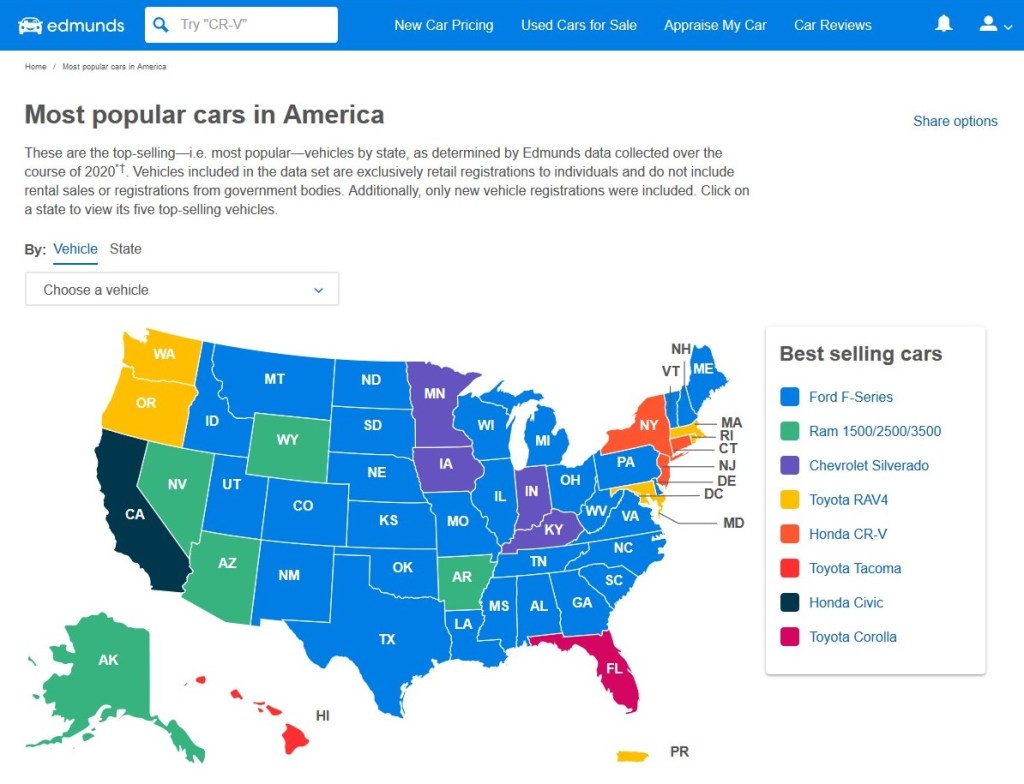
According to Edumunds, the F-150 dominates car sales across the United States (and some other vehicles, including pickups, lead in a small number of states).

This reminds me of a magazine advertisement I used for years in my Intro to Sociology course. The ad was two pages and showed a parked pick-up truck within a swampy area. Sitting by the truck were roughly 15 dogs and standing nearby was the solitary man with his gun and camo. All of it screamed individualism and male vehicle. And this message is repeated over and over in television ads for trucks during sporting events and in many other places.

The electric pickup has the chance to keep Americans driving for decades in the big vehicles there are used to. There might still be a range issue for longer trips. But, imagine pickups that can accelerate even faster and just need to be plugged in at night.

If automated vehicles lead to more miles driven, does this mean cars will continue to dominate American society?

A new analysis suggests drivers who have vehicles that drive themselves put more miles on the road:

In a 2020 paper, Hardman interviewed 35 people who owned Teslas with Autopilot, and he found that most thought the feature made driving less terrible. “The perception by drivers is that it takes away a large portion of the task of driving, so they feel more relaxed, less tired, less stressed,” Hardman says. “It lowers the cognitive burden of driving.”

In new research released this month, Hardman and postdoctoral researcher Debapriya Chakraborty suggest that making driving less terrible leads to a natural conclusion: more driving. Using data from a survey of 630 Tesla owners, with and without Autopilot, the researchers found that motorists with partial automation drive on average 4,888 more miles per year than similar owners without the feature. The analysis accounted for income and commute, along with the type of community the car owners live in.

Extrapolate that result to the wider population, and it may be that partially automated vehicles are already influencing how people travel, live, consume resources, and affect the climate. For governments, which have to anticipate future infrastructure demands, understanding those changes are critical. Shifting commute patterns could affect public transportation budgets and road maintenance schedules. More miles traveled means infrastructure gets more of a pounding. If electric vehicles are doing the traveling, governments still haven’t quite figured out how to charge them for it. And though electric vehicles like Teslas rely on cleaner energy than those guzzling gas, the electricity still has to come from somewhere, and that somewhere is not always a renewable source. A country made up of increasingly sprawling communities, where people blithely travel hundreds of miles via autonomous or sort-of-autonomous vehicles to get to work or play, isn’t an efficient or sustainable one.

The new research suggests that partial automation could have upsides too. The bulk of the extra thousands of miles that Autopilot drivers traveled each year happened on long weekend trips, Hardman and Chakraborty found. Prior to Autopilot, those drivers might have opted to fly, which would have generated more greenhouse gas emissions. In the end, their decision to stick to the road was likely the more climate-friendly choice.

As noted here, there are a lot of possible consequences. I would add a big question asked for decades in the United States: would this continue the dominance of cars in American society? Much critique in the postwar era emerged around planning cities and suburbs around cars as opposed to around people and community needs. All the driving and the infrastructure for it helped give rise to white flight, fast food, big box stores, and even more sprawl within metropolitan regions. Efforts to limit car use have done little to reduce reliance on personal vehicles. Do self-driving cars make cars even more prevalent in American society?

Going further, would electric powered autonomous vehicles mean even more miles driven? If gasoline is out of the equation and the electricity (and car batteries) can be produced with fewer emissions, Americans might feel even more free to drive, commute, and travel.

If a major concern in society is driving itself, no matter how enjoyable it may be, new kinds of vehicles may not be welcome.