The role of land in new rankings of the most disadvantaged and advantaged places in the United States

A new analysis ranks the most disadvantaged and advantaged places and one common factor is land and property ownership:

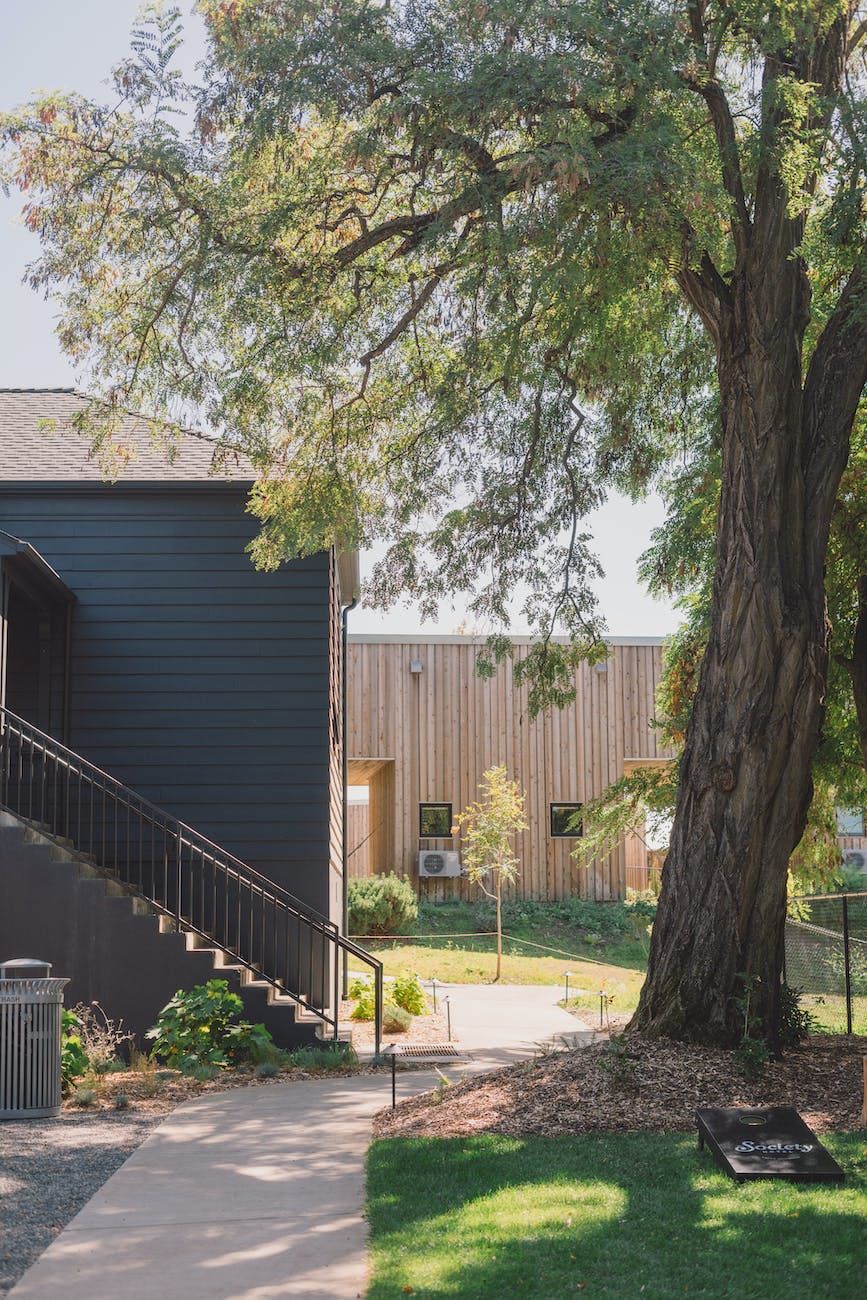
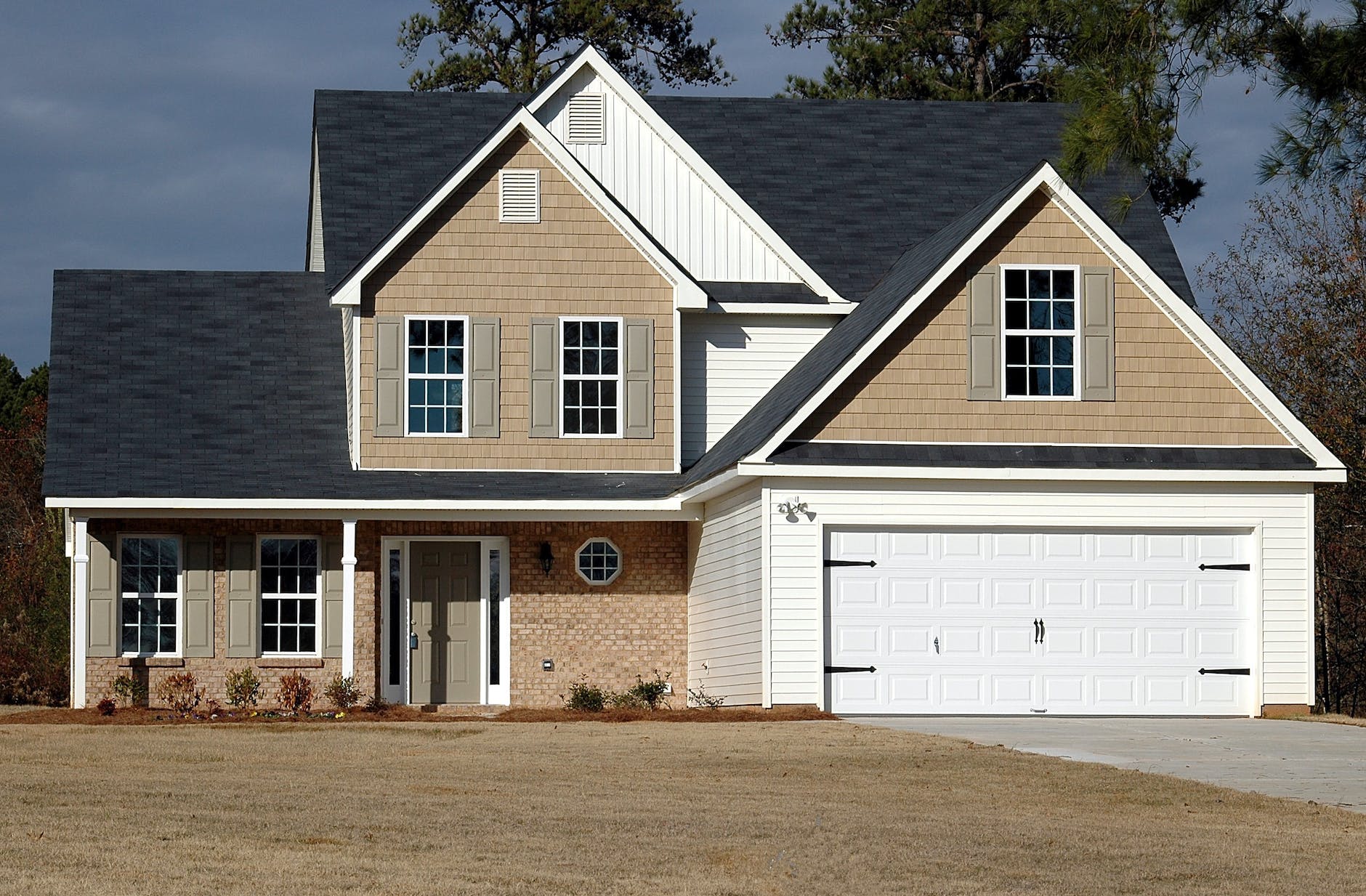
Photo by Kelly on Pexels.com

Immediately, the rankings revealed a stark geographical pattern. The first surprise—especially for professors who have spent our careers studying urban poverty—was that the most disadvantaged places on our index were primarily rural. But they didn’t fit the stereotypical image of rural America. Though some of these were majority white, most were majority Black or Hispanic. We could see, too, that many places with large Native American populations ranked among the most disadvantaged in the nation. Considerable poverty exists in Chicago, Los Angeles, and New York. But in our apples-to-apples comparison, none of those cities ranked among even the 600 most disadvantaged places in the nation. The only cities on that list were a relatively small number of industrial municipalities such as Cleveland, Detroit, and Rochester…

The places that our index identified as the 200 most disadvantaged are concentrated in three regions—Appalachia, South Texas, and the southern Cotton Belt. (Not one county in the West, apart from those with disproportionately large Native American communities, showed up on the list.) These places share a history of intensive resource extraction and human exploitation not seen to the same degree elsewhere in the United States. In each place, this economic pattern emerged (or, in the case of the Cotton Belt, fully flourished) in the late 19th or early 20th century. In each place, one industry came to dominate the economy, a pattern that held, broadly, until the 1960s, when King Cotton, King Tobacco, King Coal, and South Texas agriculture, would bow to the twin forces of automation and global competition…

Exploring the other end of our Index of Deep Disadvantage—the places identified as those of greatest advantage—was also vital to our research. Once again, we were surprised by where the index took us. It was not Manhattan or tech-rich Seattle. Instead, the list pointed us to the upper Midwest: Minnesota, the Dakotas, Wisconsin, Nebraska, and Iowa. Overall, poverty rates in these places are very low, babies are born healthy, people live to a ripe old age, and a low-income child usually has a similar chance of making it into the middle class as any other kid.

Counties that rank among those of greatest advantage began as agricultural communities with modestly sized farms, many originally secured through the 1862 Homestead Act that made landownership widely available. Many of these places have built on this history of broad-based wealth by making significant investments in schools, which has contributed to high graduation and college enrollment rates over generations. Using the best data available, we found that they have enjoyed the lowest rates of violent crime, income inequality, and public corruption in the nation. These counties are unusually rich in social capital: Residents are connected to one another through volunteerism, membership in civic organizations, and participation in other community activities.

Who owns land? Who benefits from working it? It sounds like the Upper Midwest offered more opportunities for settlers to purchase land and develop wealth over the long run. In contrast, the three areas of disadvantage identified had more disparities in land ownership versus who worked the land. Additionally, Native Americans were removed from land that offered opportunities.

Approaches to addressing inequality and poverty in the United States can often involve homeownership but less discussed is land. A house is often tied to a particular property that has its own value. The land identified in the rankings above were particularly important for subsistence. This is not so much the case with urban and suburban land today where the proximity of the land to amenities and the size of the lot matter more than the owner’s ability to live off of it.

The rankings above also hint at the long-term consequences of land ownership. Who can access and own land now will matter for decades, possibly centuries.

Barbie’s Dreamhouse and the dream of homeownership

Barbie has a big house, reinforcing ideals in the United States about homeownership:

Photo by Karolina Grabowska on Pexels.com

From the beginning, much of Barbie’s existence — her unrealistic physical proportions, the lack of racially diverse dolls, the toy’s reinforcing of gender roles — has been debated in jest and in seriousness. But her home, which has not been as publicly parsed or praised like the doll, has been a mirror for the various social, political and economic changes the rest of the country was experiencing. It has followed housing patterns and trends, from chic, compact urban living to suburban sprawl to pure excess. At times, it has been out of step, ignoring the country’s ills (Barbie’s never been broke; she has never lost her house to foreclosure)…

Financial institutions frequently turned down mortgage applications for women without male co-signers when Mattel debuted the Dreamhouse in 1962, three years after Barbie shook up the toy world, arriving in a one-piece bathing suit and kitten heels…

Society has held up “this promise of homeownership as part and parcel of the American dream,” for centuries, said Ms. Castro. More than 60 years of Barbie’s Dreamhouses have further instilled that in us from a young age.

To own a home at all, especially one with a three-story slide, can feel unattainable for most. From July 2021 to June 2022, home buyers were richer, whiter and older than they had been in decades. The share that were first-time homeowners was the lowest its been since at least 1981. And, the median home price exceeded $400,000 for the first time.

It’s called a Dreamhouse for a reason. We can all dream, can’t we?

Is the Barbie Dreamhouse simply a plot to teach children that they should aspire for a large home with all the latest furnishings and in a bright style?

The American Dream of homeownership is persistent and takes many forms. It includes statements by presidents. It includes decades of policies. It is reinforced in television shows and on television networks. It then would not be a surprise that children’s toys would reflect a similar theme.

How many toys do this? How often does “playing house” explicitly or implicitly support homeownership? Even if children cannot voice what they are doing, living in a society that pushes the American Dream of a suburban single-family home is bound to be picked up early in life.

All of this thinking of the Dreamhouse reminds of Lynn Spigel’s 2001 book Welcome to the Dreamhouse: Popular Media and Postwar Suburbs. I recommend it.

What it might mean to have a house sticker on the back window of my car

Stickers on the back windows of cars can signal all sorts of things. The number of family members. A favorite vacation spot. A beloved car brand or sports team.

What would a house sticker in the back window mean?

I recently saw a SUV with a two-story house sticker. The sticker looks similar to a drawing a child might make of a house. The picture below has such an image; this sticker had much cleaner lines but had a similar shape.

Photo by Maria Mileta on Pexels.com

Here are some options for what the driver of the vehicle might want others to know:

  1. They own a home. Americans value home ownership.
  2. They value home. Like others might include stickers of family members and pets, this house signals the importance of home and what happens there.
  3. They work in real estate or a related industry. However, wouldn’t they want to put their name or company to make this clear?
  4. Someone in their household or a friend drew this picture and they made a sticker out of it. It is easy to order stickers online.

Put together a home and an SUV (with a sticker of a home) and you have the American Dream?

Few Americans think “it is a good time to buy a house”

Since 1978, Gallup has asked Americans whether they think “it is a good time to buy a house.” The percentages of Americans agreeing with this in 2022 and 2023 are the lowest figures recorded:

Photo by Andrea Piacquadio on Pexels.com

Twenty-one percent of U.S. adults believe it is a good time to buy a house, down nine percentage points from the prior low recorded last year. The 2022 and 2023 readings are the only times that less than half of Americans have perceived the housing market as being good for buyers in Gallup’s trend since 1978…

Gallup first asked Americans about their perceptions of the housing market in 1978, when 53% thought it was a good time to buy a house. Thirteen years later, when the question was asked again, 67% held that view. The record high of 81% was recorded in 2003, at a time of growing homeownership rates and housing prices…

Opinions of the housing market are bleak and generally similar among all major subgroups, including by region, urbanicity, homeownership status, income, education and party identification. Subgroups in these categories range from 18% to 24% thinking it is a good time to buy a house.

Americans tend to like homeownership. Thus, this data could be interest if it goes toward the direction toward less interest in buying homes and less support for policies that privilege homeownership. If enough Americans are this pessimistic, perhaps they do not think they can pursue owning a home. Perhaps they want policies that provide help for renting or other housing options. Perhaps their inability to purchase a home at younger ages means they will not be able to catch up later.

However, I suspect the pessimism of 2022 and 2023 is tied to current conditions more than it signals a large shift in how Americans think about homeownership. The Gallup data suggests support went down a bit in the mid-2010s and then dropped off in the last two years. It might take another year or two to see if (1) housing conditions improve and (2) support rises. Of course, housing conditions may not improve much and a longer-term run of pessimism could lead to bigger changes.

The bigger question might be this: how many years of negative perceptions about owning a home will it take for patterns to change long-term?

Average sales price of houses up over 500% since 1983

An article on generational wealth transfers in the United States highlighted this significant rise in the average selling price of homes from 1983 to today:

From reading the chart, the rise in average prices is over 500% from roughly $90,000 in late 1983 to over $500,000 in early 2023. This, presumably, can be seen in communities across the country.

This is quite the rise. In this time, leaders promoted the ideology of homeownership. Americans came to see housing as more of a financial investment. It was the time of McMansions. Sprawl continued and zoning protected single-family homes.

Now there is a lot of money tied up in homes and real estate plus homes have become an even more important marker of wealth. As the article asked, will the transfer of wealth in these homes simply reproduce existing disparities in housing? Or, might there be ways that the increased value of housing help promote access and opportunities for others?

Homeowner’s wealth drops in recent months but still up significantly from beginning of pandemic

The amount of wealth homeowners in the United States has dropped in recent months:

U.S. homeowners have lost $2.3 trillion since June, according to a new report from the real-estate brokerage Redfin. The total value of U.S. homes was $45.3 trillion at the end of 2022, down 4.9% from a record high of $47.7 trillion in June. That figure signifies the largest June-to-December percentage decline since 2008.

But housing wealth is significantly up since the beginning of COVID-19:

“The housing market has shed some of its value, but most homeowners will still reap big rewards from the pandemic housing boom. The total value of U.S. homes remains roughly $13 trillion higher than it was in February 2020, the month before the coronavirus was declared a pandemic,” said Redfin Economics Research Lead Chen Zhao in the report.

“Unfortunately, a lot of people were left behind. Many Americans couldn’t afford to buy homes even when mortgage rates hit rock bottom in 2021, which means they missed out on a significant wealth building opportunity,” Zhao added.

If many Americans view housing as an investment, then owning a home during the pandemic has paid off. Just by being a homeowner at the right time, they benefited.

Hence, I am a little confused by the story that leads with the recent data. The recent drop is just a portion of the big gain from February 2020 on. People do feel losses strongly but the bigger picture is that homeowners have gained much in recent years.

Limited options for building wealth for those who cannot achieve homeownership

In an article examining building wealth through homeownership, there seem to be limited alternatives:

Photo by Monstera on Pexels.com

Herbert says there are ways for renters to build wealth outside of home ownership, and he points to stocks and bonds as one example. In some cases, this may be a better investment than housing, he says.

“Renters can do well if they are able to put money into those financial instruments. The rate of return on stocks and bonds over the long term has certainly been higher than the rate of return on homeownership,” he says.

Still, Herbert is optimistic the housing market will improve in 2023 for those who want to go that route.

There are other investment options but this article does not expand much on them. The focus instead is on homeownership and the lengths people might go to achieve it or the ways opportunities might be expanded to more people.

One aspect of the article that struck me was the emotional component of status and success regarding homeownership. Owning a home and/or having a mortgage is not just a financial transaction that will likely pay off one day. It also involves providing for household members, signaling success, and joining a particular social class. It is hard to separate the financial investment and the emotional investment in American society.

Is the key then to promoting other investments or celebrating renting to successfully develop positive connotations and feelings? What if renting was viewed as a flexible form of provision that allowed households the nimbleness needed in today’s uncertain world? or, is investing in stocks and bonds an honorable investment in the future?

Finally, wealth and homeownership do not necessarily have to go together. New structures or systems might decouple this connection or provide multiple pathways to economic success.

American political leaders tend to be homeowners

A recent study looked at how many political leaders in the United States are homeowners or renters:

Photo by August de Richelieu on Pexels.com

The researchers identified 10,800 representatives across city halls, state houses, and federal offices in 2019 and cross-referenced their home addresses with tax records. They found that about 93% of US senators, congressional representatives, federal judges, city council members, state senators, state representatives and governors definitely or likely owned a home.

In another sample of 1,800 city-level officeholders, the discrepancy between voters and their electeds was stark: For the 190 municipalities researchers examined, citywide homeownership rates were around 50%, while 83% of mayors owned their residences…

Despite these high-profile exceptions — both young people of color, like Azeem — researchers found that in city after city, the broader homeownership trend held, even in costly cities like Miami and Boston, where renters dominate. “There aren’t really any cities where large numbers of renters have been elected to local, state or federal office,” Einstein said.

The paper describes two “bottlenecks” that could prevent renter representation: Either fewer renters run, or fewer voters are willing to elect them. By analyzing the housing status of city council candidates in California between 2017 and 2018, they found that the former is more likely…

Elected officials are even more out of step with their communities when it comes to where and how they live. Researchers found that the homes occupied by local, state and federal officials were worth an average of 50% more than their zip code’s median value. The higher the level of public office, the greater the ratio. Nearly 80% of officeholders who owned their houses lived in single-family homes, while only 67% of houses across the country are considered single family.

Who will represent the renters in a country that loudly proclaims its preference for homeownership?

If you have a list of steps one needs to take to be a successful politician, add this one to early in the list: own a residence.

How exactly does wealth play into this? Does wealth lead to both homeownership and the possibility of running for office?

A possible follow-up study: do political candidates run markedly different campaigns given their homeownership status or do they generally play to the ideals of homeownership?

Argument: emphasizing homeownership for investment purposes as the ultimate American goal leads to worse housing outcomes

Americans like single-family homes and especially owning a home that appreciates in value. What if this is the wrong way to go about providing housing?

Photo by Oleksandr Pidvalnyi on Pexels.com

At the core of American housing policy is a secret hiding in plain sight: Homeownership works for some because it cannot work for all. If we want to make housing affordable for everyone, then it needs to be cheap and widely available. And if we want that housing to act as a wealth-building vehicle, home values have to increase significantly over time. How do we ensure that housing is both appreciating in value for homeowners but cheap enough for all would-be homeowners to buy in? We can’t…

Fundamentally, the U.S. needs to shift away from understanding housing as an investment and toward treating it as consumption. No one expects their TV or their car to be a store of value, let alone to appreciate. Instead, Americans recognize that expensive purchases should reflect their particular desires and that the cost should be worth the use they get out of them…

I should be explicit here: Policy makers should completely abandon trying to preserve or improve property values and instead make their focus a housing market abundant with cheap and diverse housing types able to satisfy the needs of people at every income level and stage of life. As such, people would move between homes as their circumstances necessitate. Housing would stop being scarce and thus its attractiveness as an investment would diminish greatly, for both homeowners and larger entities. The government should encourage and aid low-wealth households to save through diversified index funds as it eliminates the tax benefits that pull people into homeownership regardless of the consequences

If we are interested in helping low- and middle-income people live well, we need to fix renting. Some potential policies include increasing oversight of the rental market, providing tenants with a right to counsel in eviction court to reduce predatory filings, advancing rent-stabilization policies, public investment in rental-housing quality, and, most important, building tons of new housing so that power shifts in the rental market from landlords to tenants. Even if nothing changes and America’s love affair with homeownership continues, tens of millions of people will continue renting for the duration of their lives, and almost everyone will rent for at least part of their life. Financial security, reliable and reasonable housing payments, and freedom from exploitation should not be the domain of homeowners.  

There is a lot to think about here. A few thoughts:

  1. Is the entire goal of the American system to generate money through property and ownership? Owning land and property has been very important from the beginning not only for what land could be used for and the money that could be generated but also because of status and rights attached to owning land and homes.
  2. Who is homeownership for? Consistently in American life, it is more available and profitable for wealthier white residents. Policies and ideals have promoted and perpetuated this.
  3. Given #1 and #2, renting is not just a difference in how one pays for their dwelling. It is a difference in how a person is regarded and what is viewed as ideal. The current system may have vast disparities in homeownership and the wealth generated by it but renting or renters is disagreeable to a good portion of Americans.
  4. Even if the goal remains to help adults in the United States attain homeownership, more could be done to address renting or obtaining a first property or addressing racial disparities in housing values. Ignoring renting means that it could limit people in the future from owning a home. Or, not having entry-level housing means people cannot easily move up. Or, help limit the disparities in housing values based on existing patterns. Promoting only homeownership is short-sighted.

American households lost trillions in 2022 due to stocks and inflation yet also gained trillions due to housing equity

A recent report detailing wealth losses in the United States also found housing equity increased in the first three quarters of 2022:

Photo by Pixabay on Pexels.com

American households lost about $6.8 trillion in wealth over the first three quarters of 2022 as the stock market shed more than 25% of its value, the Federal Reserve reported Friday in the government’s quarterly financial accounts.

Nominal net worth fell 4.6% to $143.3 trillion, as the market value of assets fell by $6 trillion and liabilities rose by about $900 billion. Households’ balance sheets were propped up by a 10% increase in home equity, which is the greatest source of wealth for most American families…

Homeowners, in particular, were in good shape financially as September ended, with the equity in their houses rising to a near-record 70.5% of market value from a record low of 46% in 2012. But if home prices continue to fall as they have done in the past several months, homeowners without much exposure to the stock market will begin to feel poorer. What will happen to home prices as mortgage rates rise is a major unknown facing policy makers and homeowners alike.

Homeownership continues to bolster wealth. This fits with the emphasis on homeownership as an investment. And if people cannot purchase homes, they will not be able to build wealth in the same way.

Thinking out loud: after what happened in the late 2000s with housing prices, how would people respond to a significant reduction in housing values? Or, how would this be received if inflation is ongoing and the stock market struggles? For now, some can rest assured that their homes will retain value. But, this is not guaranteed.