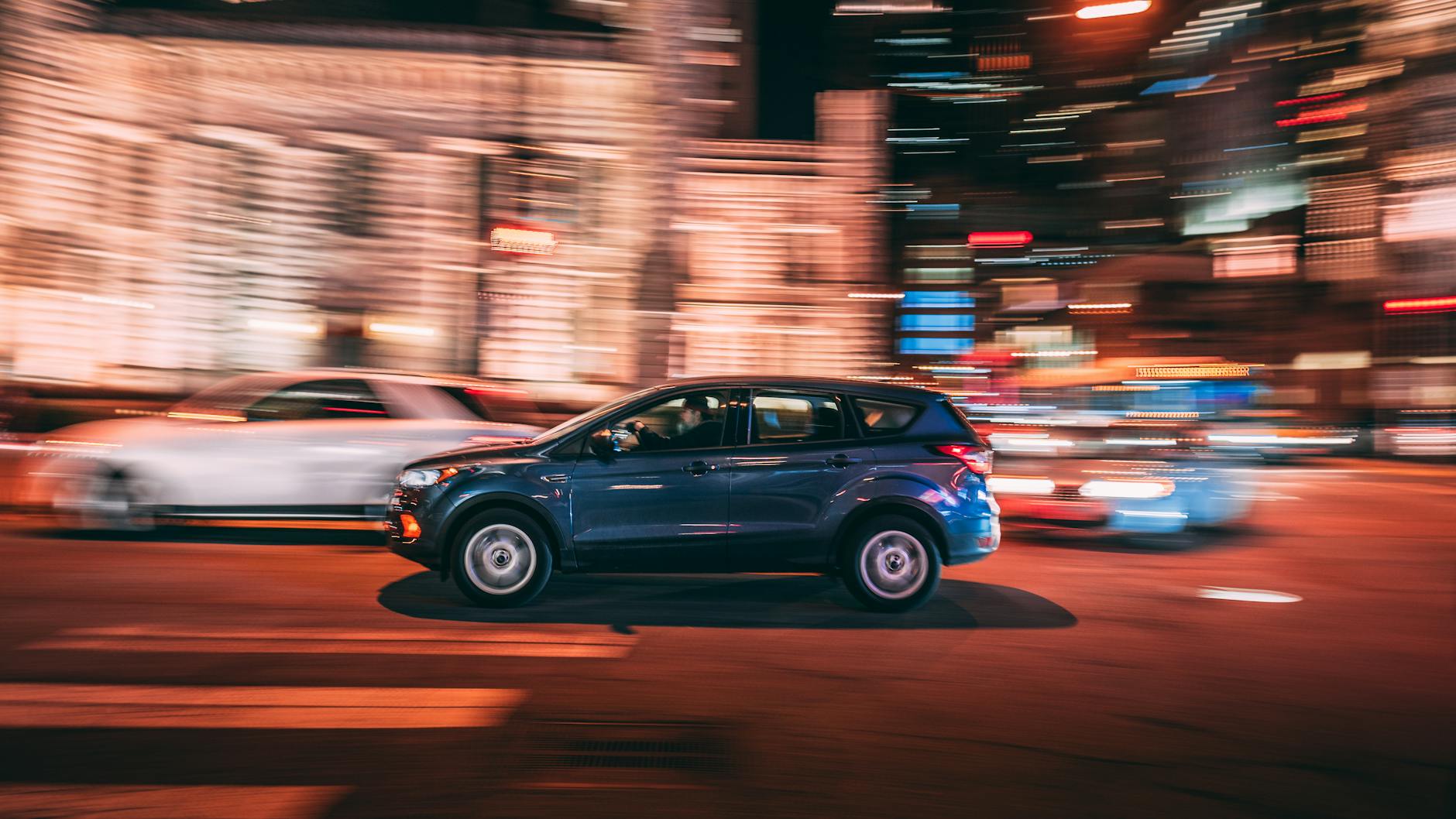
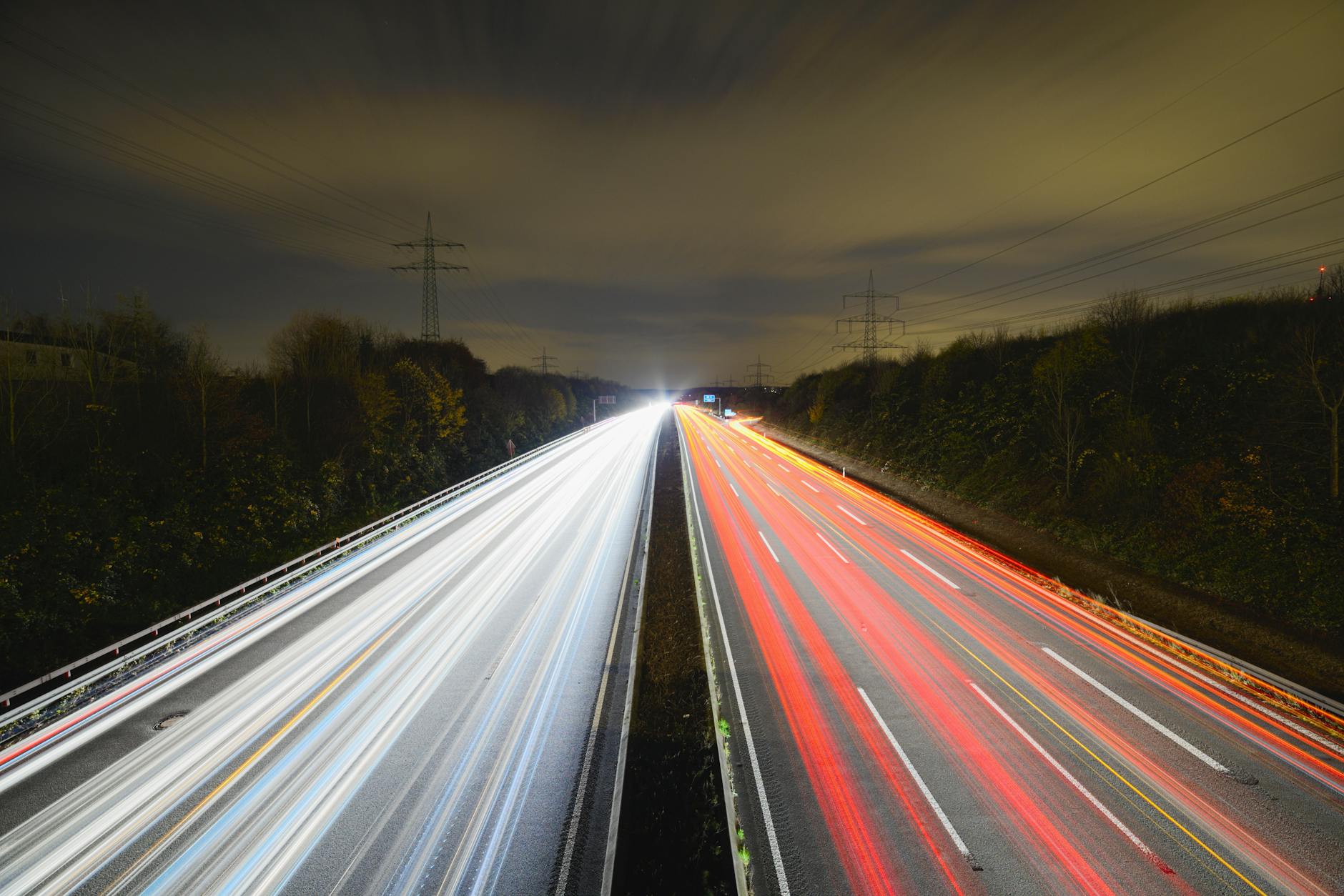
The traditional American 9-to-5 has shifted to 10-to-4, according to the 2023 Global Traffic Scorecard released in June by INRIX Inc., a traffic-data analysis firm.
“There is less of a morning commute, less of an evening commute and much more afternoon activity,” said Bob Pishue, a transportation analyst and author of the report. “This is more of the new normal.”
Now, there is a “midday rush hour,” the INRIX report found, with almost as many trips to and from the office being made at noon as there are at 9 a.m. and 5 p.m.
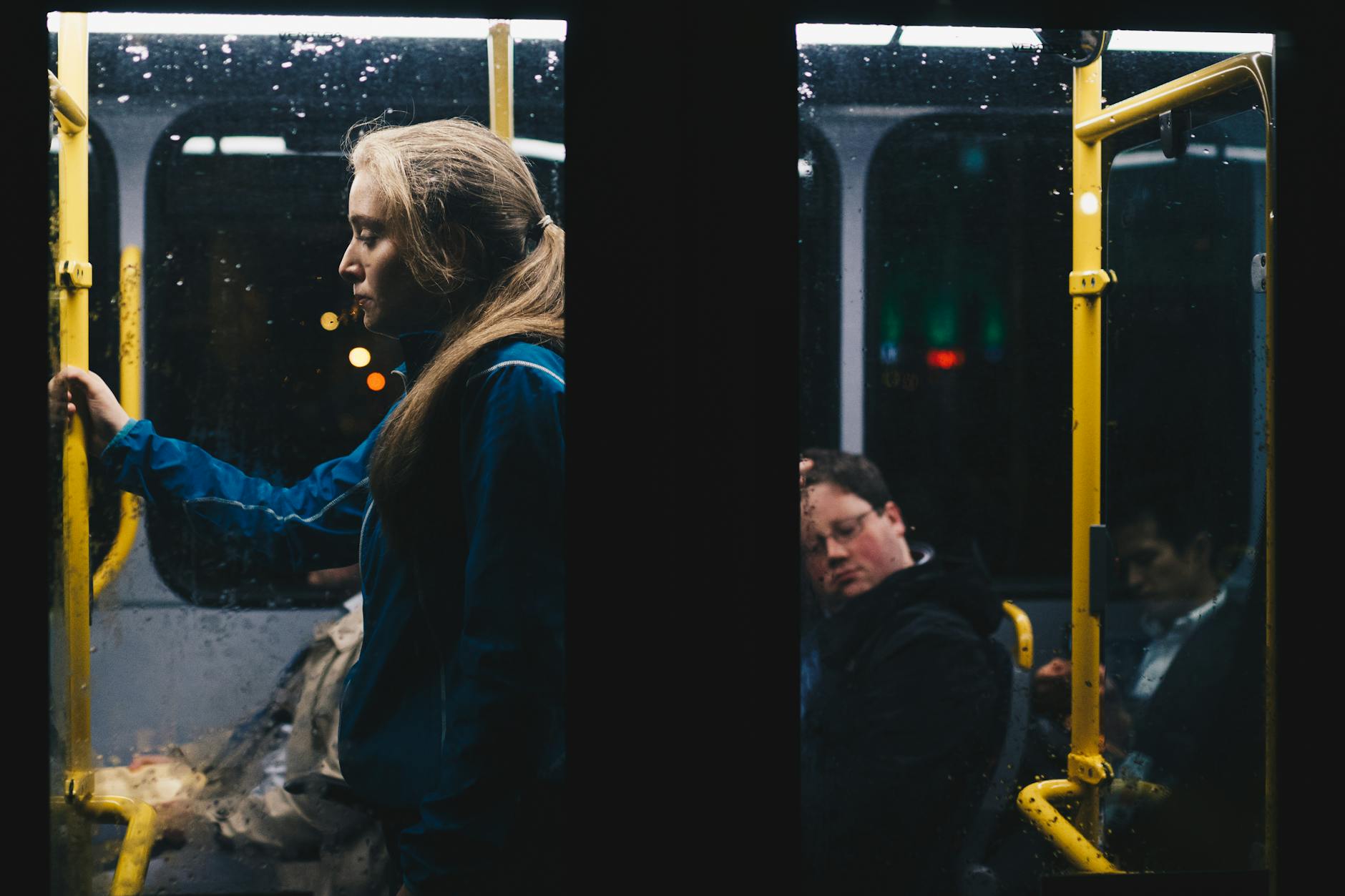
Also, commuters have all but given up on public transportation. Ridership sank during the pandemic, Federal Reserve Bank of St. Louis data shows, and never fully recovered.
The rush hour increasingly seems to be “traffic all the time!”
Since this has now been going on for a few years and also includes changes to truck use and ride sharing, what are cities and regions doing differently? What incentives do drivers and organizations have to choose other than drive by themselves when they want?
There does seem to be some possible good will to change traffic patterns when there are major issues, like significant highway repairs or the Olympics. When does regular traffic become a large enough issue that people start acting together?
“Right now, our transit system reflects an old design,” DuPage County Board Chair Deb Conroy testified in Naperville. “One that saw commuting as merely bedroom communities serving downtown workplaces.”
“All suburban residents deserve the same level and access to and from Naperville to Rosemont or from Oak Park to the Morton Arboretum in Lisle.”
College of DuPage student Rowan Julian experienced that disconnect trying to get from Wheaton to Batavia to see a friend, a 20-minute car trip. She wanted to use public transit but found it could take up to one hour and 40 minutes.
“For me I felt like I had no choice … so I chose to take my car,” she said.
Doubling down on something she discussed with The Times in April, Bass told reporters at the 2024 Paris Olympics that she envisions expanding public transportation to a point where fans can take trains and buses to dozens of sports venues, from Crypto.com Arena downtown to SoFi Stadium in Inglewood to the beaches of Santa Monica.
“That’s a feat in Los Angeles — we’ve always been in love with our cars,” she said at a news conference Saturday, adding that people “will have to take public transportation to get to all the venues.”
The LA28 organizing committee — a private group charged with staging the Games — prefers to say it is planning a “public-transit-first” Games. Some venues will have ample parking, others will not. Organizers say no one will be told they cannot drive to a competition, but public transportation might be an easier option.
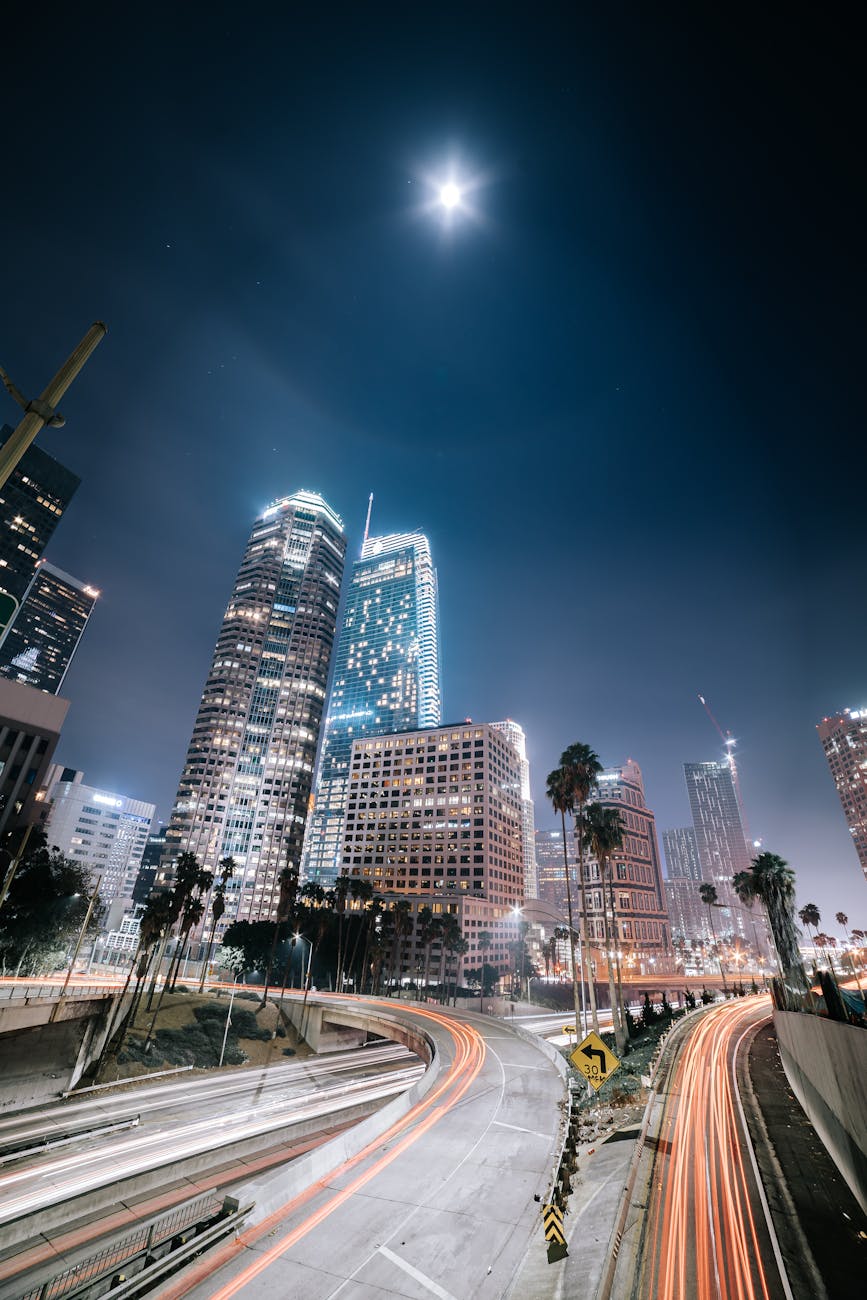
This is a bold vision in a city and region famous for driving, highways, and sprawl. The realism is okay too; trying to do this all in 4 years is a tall task.
But why stop at the Olympics and that several week window? Why not imagine a Los Angeles in ten or twenty years that relies much less on cars? Why not pursue some of the same strategies – working from home, staggered work schedules, more buses – with additional strategies – more mass transit options that do not involve roads, ban planning that does not just keep adding lanes, etc.?
Even if these efforts require the long view and a large amount of resources, the time to start is now. Developing needed infrastructure is costly but pays off down the road. What if the lasting legacy of the Olympics in Los Angeles was not property or stadiums that people do not know what to do with (a common issue in recent Olympic cities) but a new approach to the streetscape and getting around?
Photo by ud835udce2ud835udcf1ud835udceaud835udcf7ud835udcee ud835udce6ud835udceeud835udcfcud835udcfd u2122 on Pexels.com
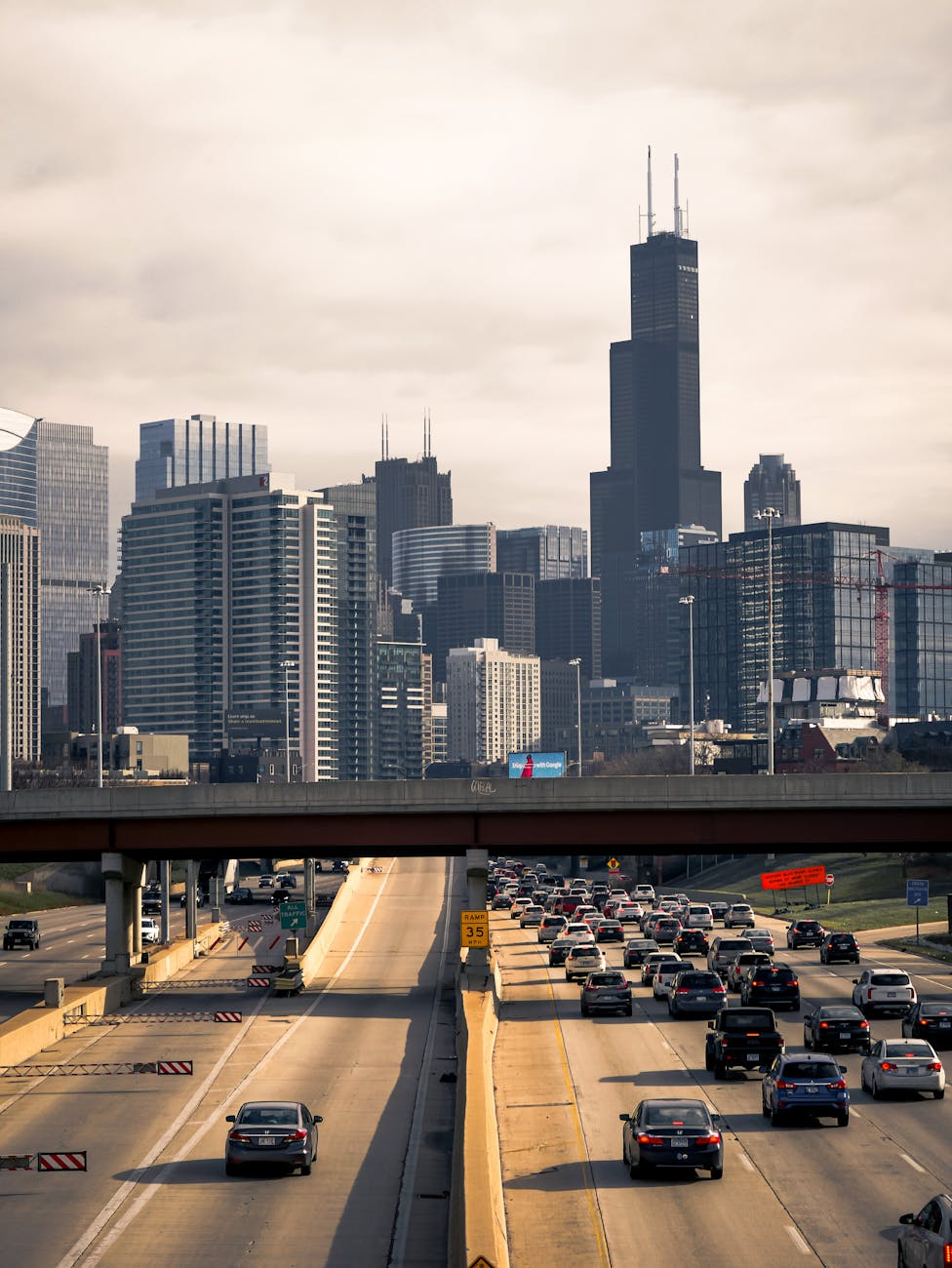
Chicago is one of the most congested cities in the country, ranking second only to New York City last year for the severity of traffic, a recently released annual study found.
The region also had one of the biggest jumps in traffic congestion in 2023 compared with pre-pandemic, according to the new report from mobility analytics firm Inrix, made public Tuesday. Traffic was up 18% over 2019 levels, tying for the highest growth among the cities studied…
Chicago’s traffic woes could be exacerbated by construction, or by drivers taking more trips at the same time, Pishue said. Inrix found traffic around Chicago, like in other cities nationwide, no longer revolves around peak morning and evening rush hours, but instead can tick up around midday and through the evening.
And adding to the traffic is continued low transit ridership, he said.
Addressing the growing traffic requires a comprehensive approach tackling multiple issues at once. This includes:
Online shopping deliveries.
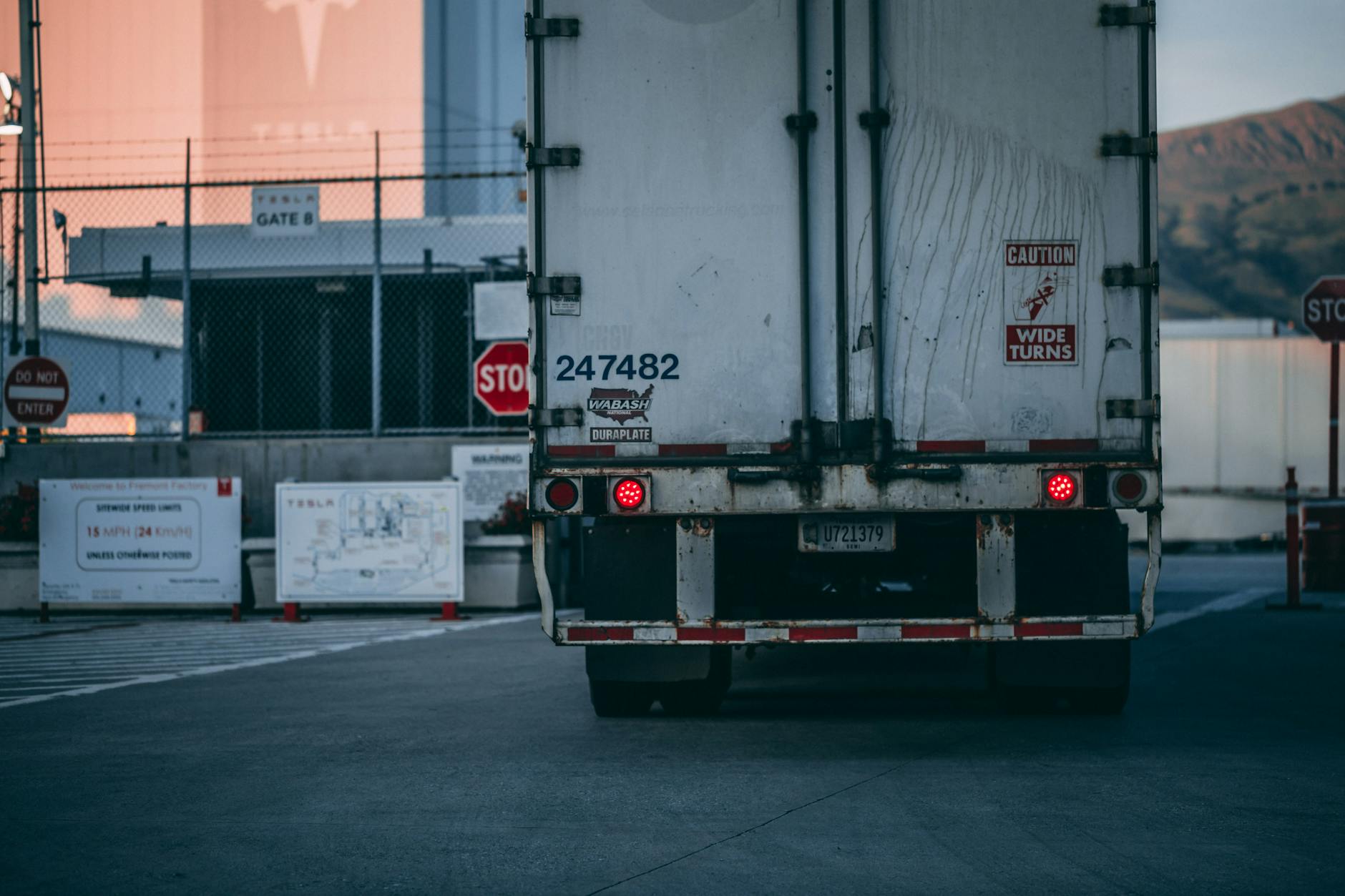
Truck and freight traffic within the region and through the region.
Getting more people to use mass transit (trains, buses, etc.).
Planning for changing work schedules, whether is more work from home or more people returning to the office or more flexible hours in the office.
Ride sharing.
Alternative modes of transportation, including walking and biking.
Shifts in population and business centers throughout the region.
This involves numerous municipalities, counties, the state, the federal government, and private actors throughout the region. Would the local government actors rather fight over whether the mass transit agencies should merge? Would suburbanites prefer someone else tackle these issues and leave them – and their tax monies – out of it? How many people will be willing to budge from driving when they want to help address the larger issues?
The time to address traffic is now so that the problem does not become worse.
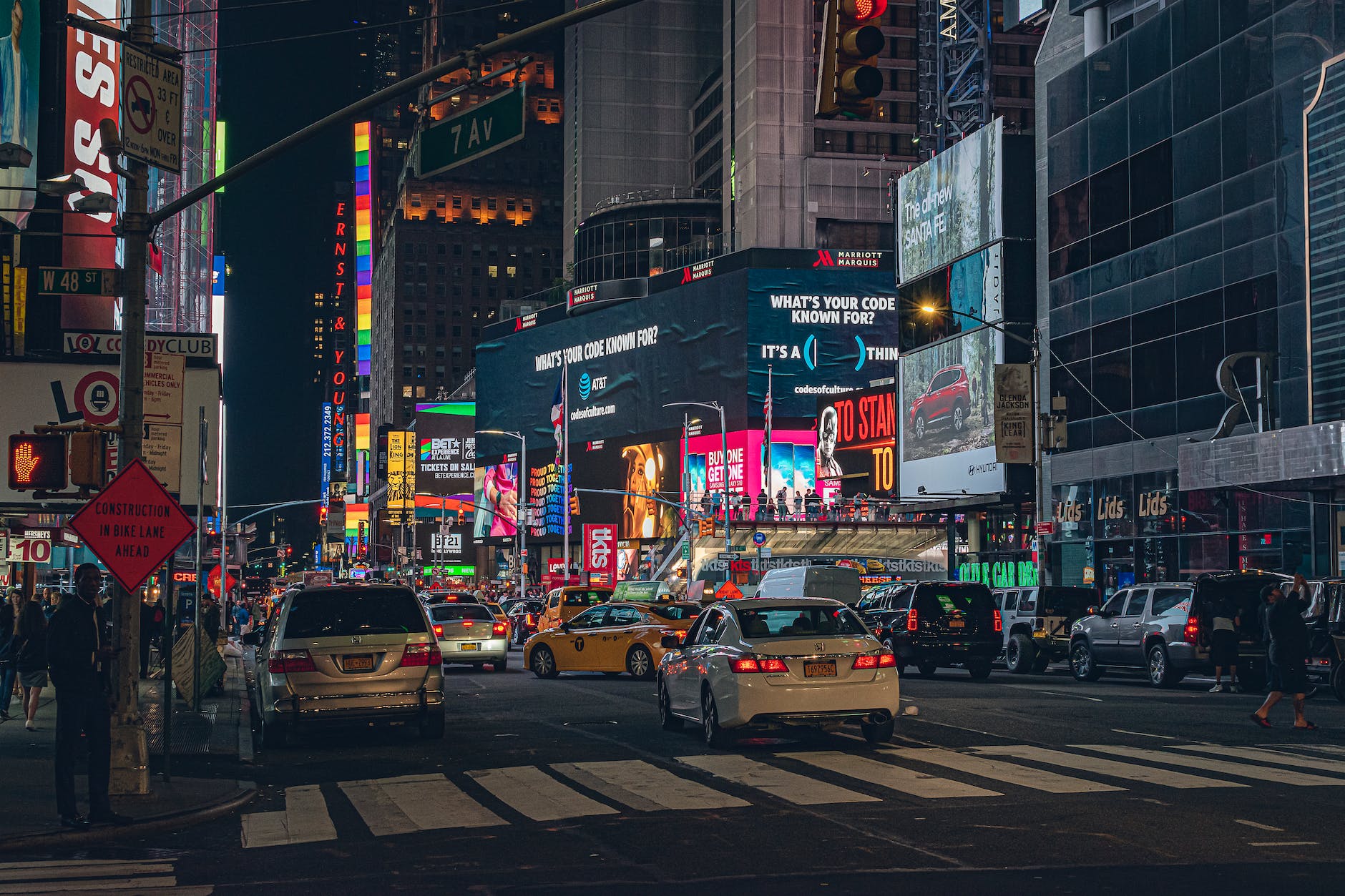
Hochul was just touting the benefits of congestion pricing two weeks ago, but she appears to no longer see things that way. According to a Tuesday night Politico report, House Minority Leader Hakeem Jeffries started raising his concerns with Hochul, claiming that if the plan were to go into effect during this election year, the ensuing buzz could make it harder for New York Democrats to win back the House of Representatives. The proposed $15 fee for drivers heading into lower and midtown Manhattan—whether from the outer boroughs or from the broader tri-state region—remains unpopular with the types of wealthy, swingy suburban voters national Democrats need on their side. And considering how badly New York Dems botched the 2022 midterms, losing House seats that could have cut into Republicans’ narrow majority in the chamber, Jeffries would like to do anything he can to regain those seats—including mollifying the New Yorkers who own cars only because they make it easier to flee to the Hamptons. Hochul herself says her decision is based on concern that congestion pricing might deter people from heading into Manhattan at a time when the city is still recovering from COVID-era business losses.
As politicians and political parties consider the 2024 elections, they are likely focusing a lot of attention on pockets of suburbanites who can be swayed to go different ways with their votes. This has been important for a number of election cycles now with a country that is majority suburban and more predictable voting results in big cities and more rural areas. Thus, the national parties fight over middle suburbia.
In this particular case, I would be interested in seeing more numbers. How many suburbanites are affected by the congestion tax? How many suburbanites might change their votes based on this issue? Is the fate of the US House in the hands of a congestion tax?
More broadly, how often does traffic and congestion decide local, state, or national elections? People generally do not like traffic or congestion but also may not like new or higher taxes or resist impediments to drive when or where they want.
On a recent visit to Sarasota, Florida, I discovered multiple traffic circles on a major roadway (US-41):
I was not there at the busiest time of the day but it seemed that all the traffic was flowing fine through the roundabout. The biggest issue I could imagine for drivers is getting into the correct lane for where the driver wants to exit the traffic circle. For example, in the image above, to go straight, the driver could be in either lane but to go left or right, one has to pick the correct lane and then exit appropriately.
These were not the only traffic circles spotted in western Florida. I saw several under construction, both on existing roadways and along new roadways. The more constructed, the more familiar drivers will be with them.
One big advantage of these is that traffic can often keep moving rather than the stopping required by stop signs or traffic lights. If the driver has yielded, there is no need to stop if the coast is clear.
I do not know which American communities have more traffic circles than others but this could be an interesting way for places to distinguish themselves from others.
Whatever the outcome, Archer Heights and Joliet already illustrate one of the stark lessons of Chicago’s warehouse boom — that Americans can’t expect to enjoy the benefits of rapid, ever-growing freight shipments without paying for the necessary infrastructure and without encountering increasingly sophisticated demands from the towns being smothered by trucks.
Some of the listed negative consequences of all this trucking and shipping: traffic, noise, air pollution, extra stress on roads, and industrial neighbors for residents.
The primary positive consequences for a community: money from the land use and local jobs. The indirect consequence for many inside and outside the community: goods get to them faster.
Is it worth it? Would it work better to have giant shipping and trucking zones outside metropolitan areas where the pollution and noise and traffic could be minimized for nearby communities? This would require both foresight and resources. It reminds me of airports that are now surrounded by development or other major necessary infrastructure that is now folded into metropolitan landscapes.
Could one city or region figure this out? Imagine a special trucking and train zone outside of the metro region. The transportation actors get some tax breaks to locate there. The revenues from the land use are shared throughout the metropolitan region. Some current facilities are relocated to the new area.
Trucking may be essential to the American economy but it does not necessarily have to conflict with goals local residents and leaders have for their communities. It would require acting creatively and quickly to move shipping facilities away from people.
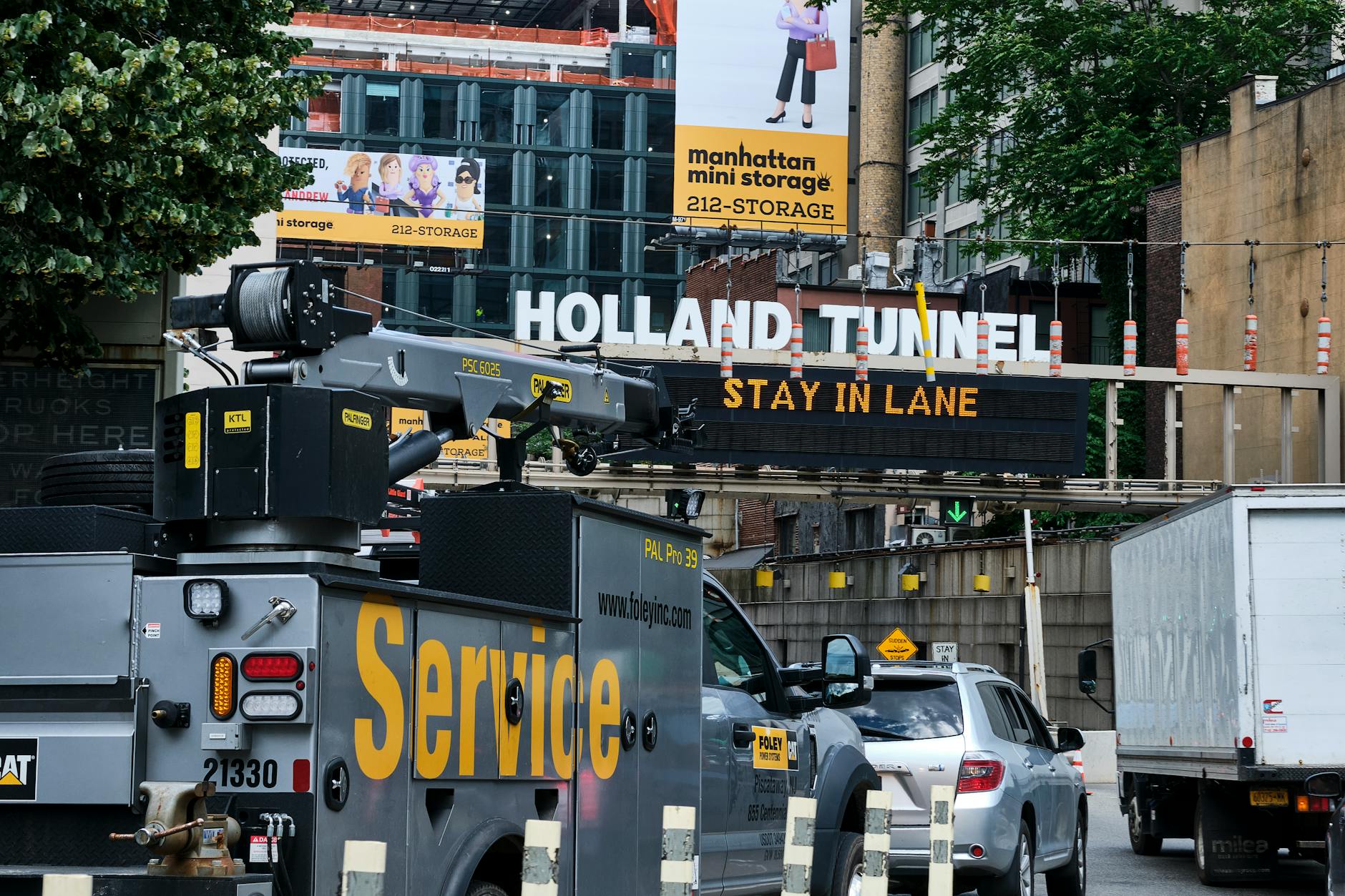
Under the plan, passenger car drivers entering Manhattan south of 60th Street during daytime hours would be charged $15 electronically, while the fee for small trucks would be $24 and large trucks would be charged $36.
Cities such as London and Stockholm have similar programs in place, but New York City is poised to become the first in the U.S.
Revenue from the tolls, projected to be roughly $1 billion annually, would be used to finance borrowing to upgrade the city’s mass transit systems…
Officials say that in addition to funding needed transit improvements, congestion pricing will result in improved air quality and reduced traffic…
“The Traffic Mobility Review Board’s recommended credit structure is wholly inadequate, especially the total lack of toll credits for the George Washington Bridge, which will lead to toll shopping, increased congestion in underserved communities, and excessive tolling at New Jersey crossings into Manhattan,” Murphy, who filed a federal lawsuit over congestion pricing in July, said in a statement.
In the US city with the highest rate of mass transit usage, this makes some sense. The roadways are crowded. Mass transit systems need money. At least some of the vehicles entering the city can afford the fee.
If this goes forward in Manhattan, how soon until it comes to other American cities? Those places may have fewer alternatives to driving but the revenue – and other benefits – might be hard for other places to pass up.
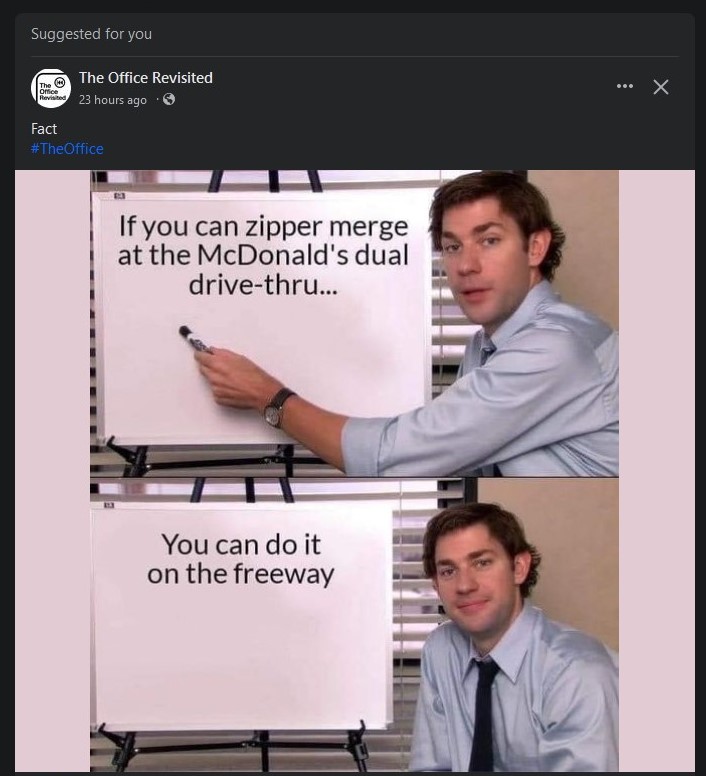
McDonald’s has several advantages in encouraging a smooth zipper merge process:
A shorter runway to merging. You often go around a turn, order, and immediately merge. In contrast, highway merges can sometimes be seen from a mile or more away and some want to block all that space.
A physical separation of the lanes before merging. The vehicles are ordering before merging and the need to have a display board and speaker means the lanes cannot be crossed into. Even if a driver wanted to block the other lane, the physical barriers make that difficult.
People want to get their food. While driving on the highway, the goal is to get somewhere quickly. Different motivations.
Might it matter that McDonald’s is private property while highways/roadways are more of open or public space?
Some of these principles could be applied to highways. Imagine temporary physical barriers between the lanes to force a merge closer to the end of the lanes. Or, reminders that blocking lanes has (legal?) consequences even though it is more public space.
The situation poses a commuting challenge that L.A. has not seen in years, with hundreds of thousands of commuters facing detours and heavier-than-normal traffic. Starting Monday, some worked from home and others took mass transit, but many simply endured the delays.
The closure caused gridlock in some areas, but there was general sentiment that L.A. survived the first morning and evening commute without too much chaos thanks in part to warnings sent to residents’ cellphones…
Federal, state and local agencies are scrambling to determine what happens next after the sudden closure of the mile-long section of the heavily trafficked freeway between Alameda Street and the East L.A interchange, a key east-west route through downtown. Mayor Karen Bass said that U.S. Secretary of Transportation Pete Buttigieg called and reassured her that federal officials were aware of the impact from closing one of the busiest freeway corridors in the country.
“Losing the stretch of the 10 Freeway will take time and money from people’s lives and businesses,” Bass said. “It’s disrupting in every way. Whether you were talking about traveling to and from work, or your child care plans, and the flow of goods and commerce, this will disrupt the lives of Angelenos.”
Los Angeles and the region depend heavily on highways. This is true of all metropolitan areas in the United States but Los Angeles is famous for its driving and its lack of mass transit within a sprawling region.
While I am sure the focus here will be on getting this highway going again as soon as possible, why not think as well as future transportation options? The initial Carmageddons in Los Angeles went rather smoothly but this is another chance to think about additional travel options and building an adaptable and redundant system. If for a variety of reasons residents of the region cannot drive to work or where they need to go, do they have viable alternatives? Fires like this are rare but individuals face all sorts of challenges in getting where they need to go.
More broadly, can more people in the region regularly shift their transportation away from driving alone to other options? As the population of the region grows, the traffic is not going away. Roads do need to be maintained. Accidents will happen on the roadways. When I rode the LA subway on a recent visit, it worked okay one-way (the return trip was derailed by a long delay that pushed me to walking several miles) but it had limited options of where I could go. Are many people willing to ride buses and other forms of mass transit when they might drive?
The highway detours will end at some point but will driving return to normal immediately? Probably yes…but there will likely be more opportunities to consider other transportation options in the years to come.