My heyday of riding a school bus started over three decades ago and lasted for about 9 years. I do not remember many specific moments from those rides, usually short ones in a suburban setting, but I could easily describe the interior of the bus. Steep steps up. A domed ceiling. Lots of brown or green rows on metal frames. Metal windows that fogged up often and required pinch tabs at the top to slide down. A long and narrow aisle. A wide rear-view mirror for the driver to watch the back of the bus. A particular smell.
This interior has not changed for decades. As an adult, I have been on a school bus a few times in recent years and it looked almost exactly the same. It felt very familiar very quickly.
Why haven’t buses changed in decades? A few possible reasons:
-They require a significant monetary investment so they continue because they cost a lot to replace.
-It works as a long box on wheels. Why make changes to what “works”?
-There are few innovators in this space. What would be a game-changer in the school bus industry? Increased efficiency? More safety features? A significantly lower cost?
-People want future generations to have the same bus experiences they had as kids? (On the opposite end of speculation, do experiences on school buses while kids discourage American adults from choosing buses?)
Perhaps like the vehicles of the United States Post Office, school buses are destined to live forever.
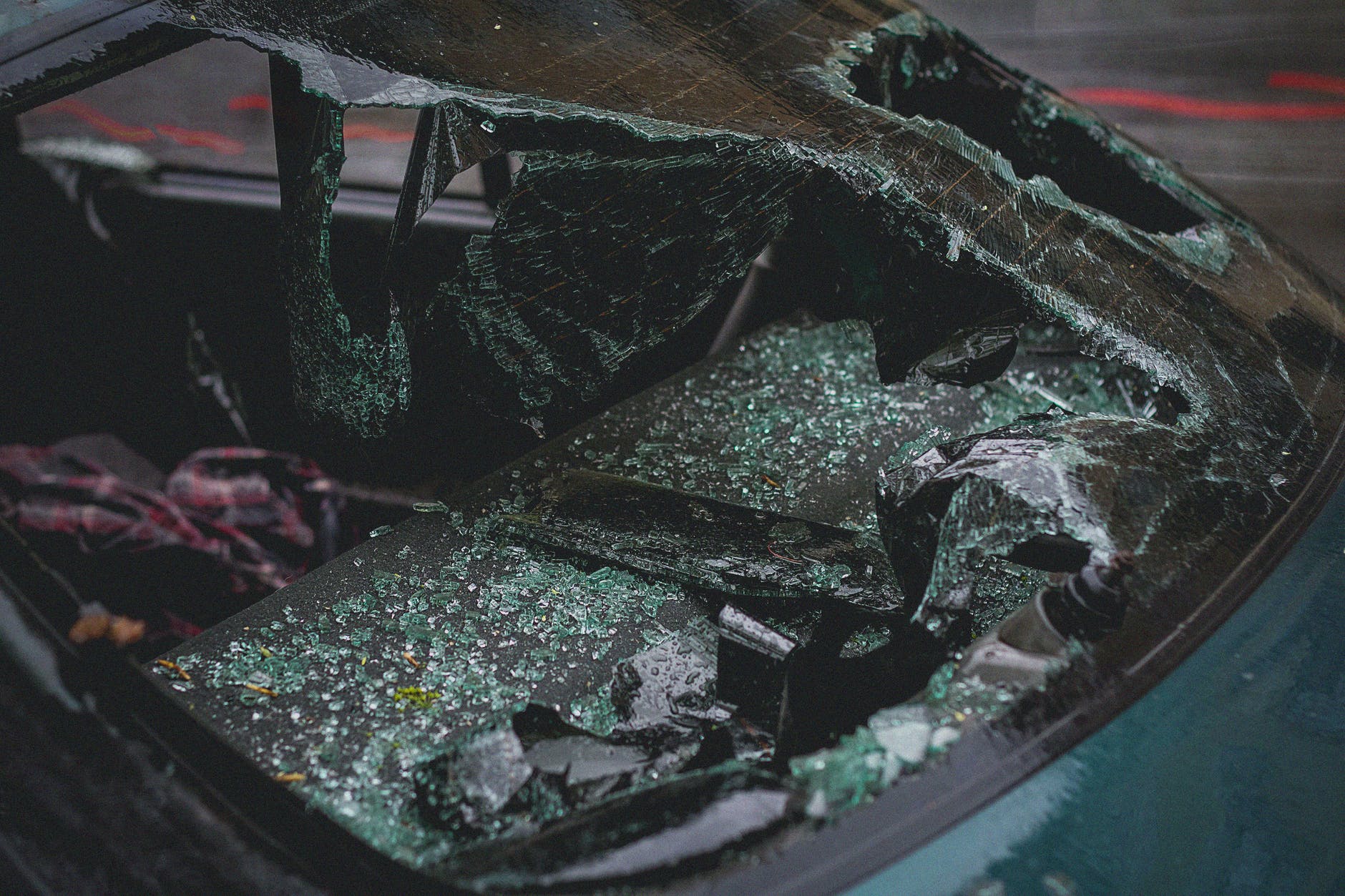
Nearly 43,000 people were killed on U.S. roads last year, the highest number in 16 years as Americans returned to the roads after the coronavirus pandemic forced many to stay at home.
The 10.5% jump over 2020 numbers was the largest percentage increase since the National Highway Traffic Safety Administration began its fatality data collection system in 1975. Exacerbating the problem was a persistence of risky driving behaviors during the pandemic, such as speeding and less frequent use of seat belts, as people began to venture out more in 2021 for out-of-state and other road trips, analysts said.
Transportation Secretary Pete Buttigieg said America faces a crisis on its roads. The safety administration urged state and local governments, drivers and safety advocates to join in an effort to reverse the rising death trend…
Buttigieg pointed to a national strategy unveiled earlier this year aimed at reversing the trend. He said earlier that over the next two years his department will provide federal guidance as well as billions in grants under President Joe Biden’s new infrastructure law to spur states and localities to lower speed limits and embrace safer road design such as dedicated bike and bus lanes, better lighting and crosswalks. The strategy also urges the use of speed cameras, which the department says could provide more equitable enforcement than police traffic stops.
Americans like driving and all that comes with driving. Because of this, Americans generally accept the risks of driving. While people may have fears of airplanes crashing or being hit by lightning or other improbable occurrences, the regularity of vehicle accidents does not seem to bother many.
Would a big jump in roadway fatalities catch people’s attention in a way that a typical year-to-year change would not? That this jump is tied to COVID-19 is also an interesting twist; driving might be more dangerous during and after a deadly pandemic. Also in the article, officials note the difficulty of quickly reducing roadway deaths. When do such deaths become an acknowledged crisis or a serious social problem?
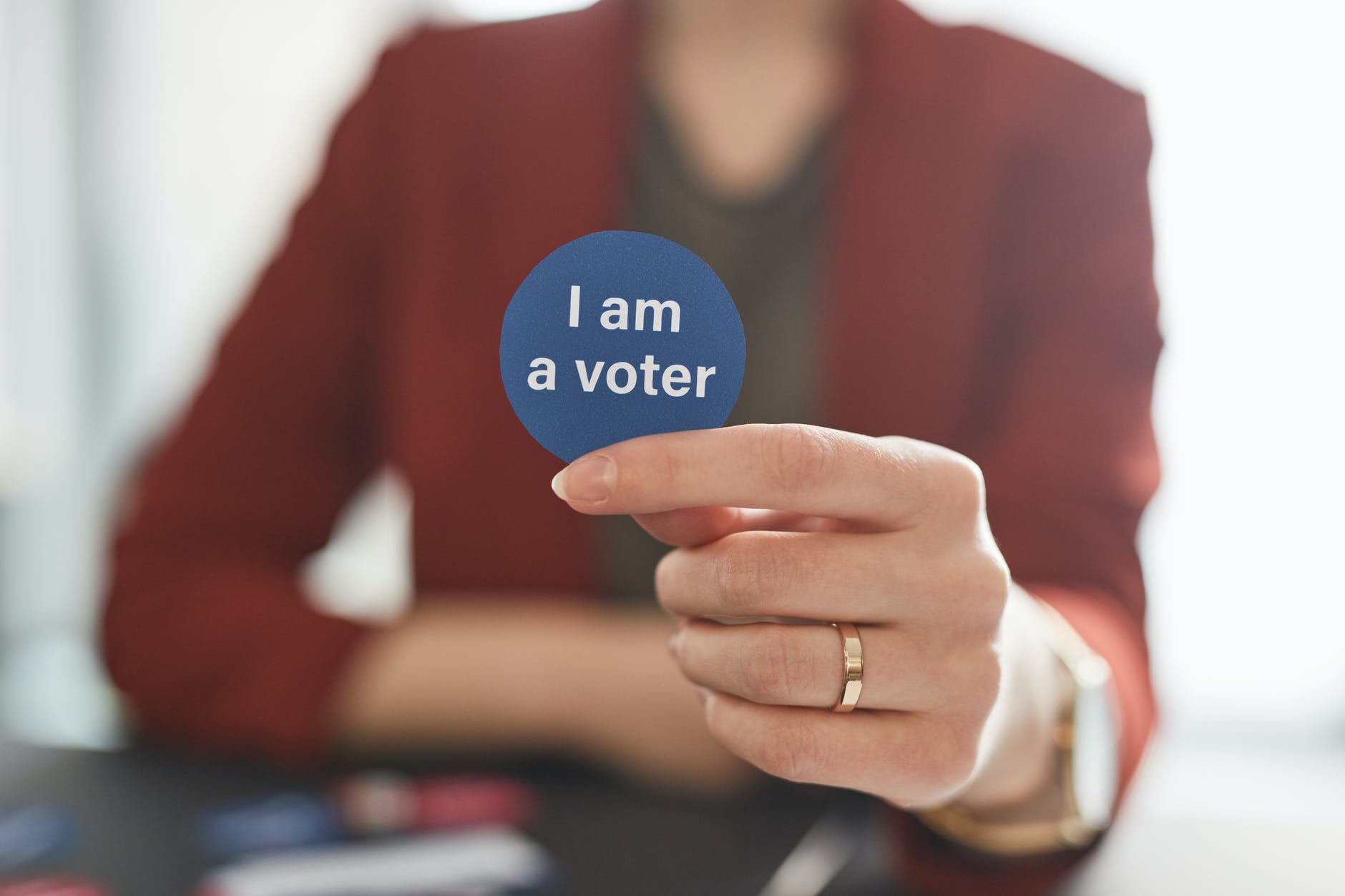
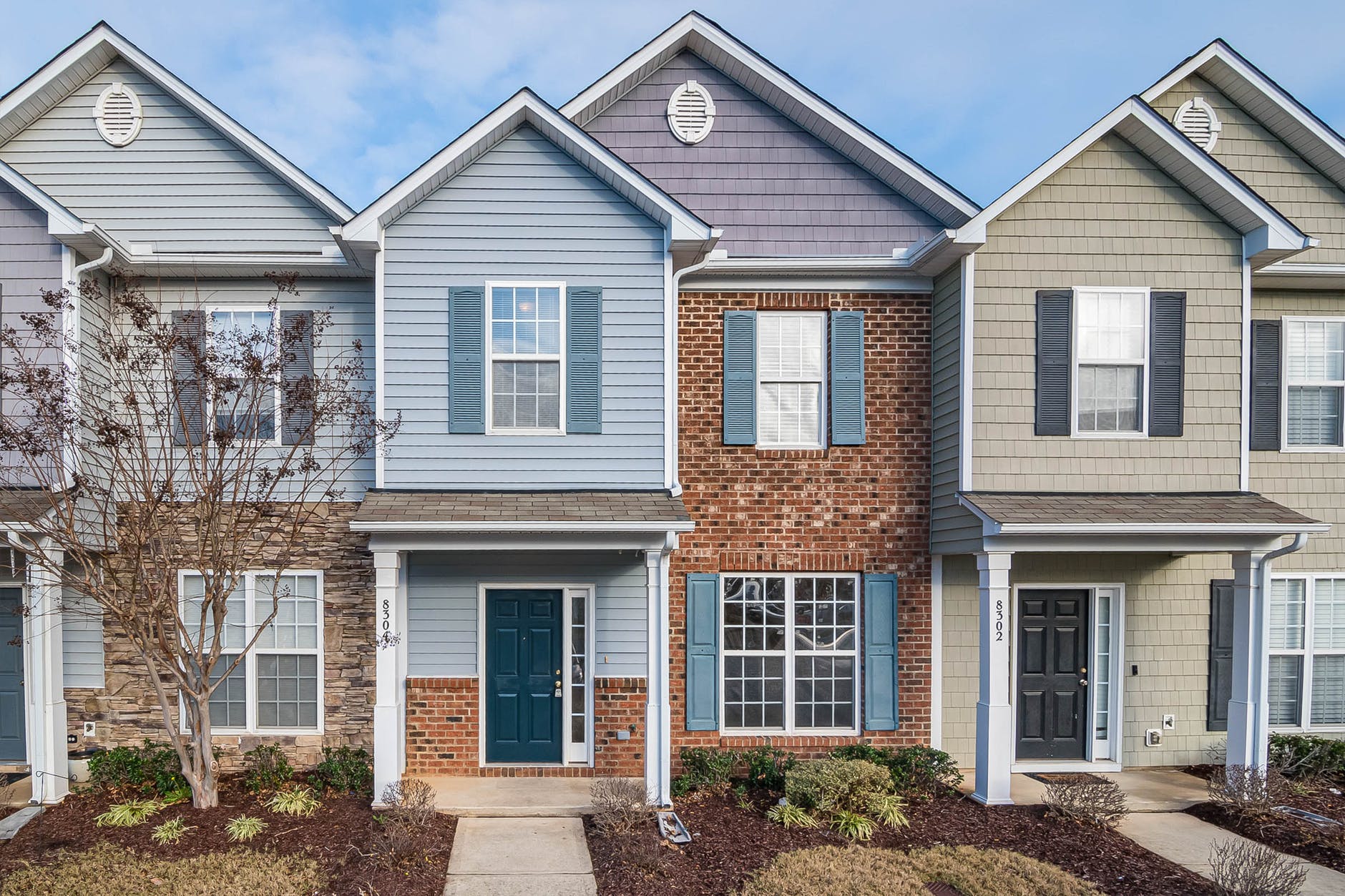
During the Trump years, many suburban voters, especially women, shifted toward the Democrats. A primary reason was the revulsion many of them felt toward President Donald Trump.
Democrats hoped that shift signaled a more permanent alignment, and it’s true that some college-educated White women became a key part of the Democratic constituency. But what happened in the 2021 Virginia gubernatorial race raised doubts about their reliability as Democrats. Then-candidate and now-Gov. Glenn Youngkin was able to move the suburban vote back in the Republicans’ direction…
Democratic pollster Celinda Lake agreed that her party’s candidates cannot take suburban women for granted in November. “Women elected Biden for stability and in reaction to Trump,” she said. “They really rejected his style of leadership. But we had one woman say in a focus group, ‘I just want to get off this roller coaster.’ ” Under Biden so far, she added, “They’re getting no help in doing that.”…
“Suburban women have moved so far the opposite direction, we’re not going to get all of them back right away. But if we can at least win back a good amount of the suburban men that we lost and some of the suburban women, that’s a formula for us to win in pretty much every state that we need to win in,” said a Senate GOP strategist, who spoke on the condition of anonymity so they could speak openly about the races they are working on.
The bottom line is that any notable move by suburban voters in the direction of the Republicans this fall will prove costly to Democratic hopes of holding down their losses. But a Supreme Court decision overturning Roe v. Wade could counter GOP efforts to woo suburban women.
Suburban voters continue to be important in multiple ways:
-They matter in important swing states where both parties would like to win. Think Virginia, Pennsylvania, Ohio, Michigan, Arizona, Florida, and other locations.
-Compared to urban and rural voters, the perception is that more suburbanites are open to switching their votes or are more moderate. Thus, campaign pitches will be aimed toward them with the goal of swaying them to a particular side (maybe just for one election).
-The analysis above suggests there is a divide between suburban men and women and the issues that they care about. Will there be unified messages to suburban voters or will the campaigns clearly differentiate between male and female voters?
-Suburban voters can be reached in particular ways. Will there be big social media campaigns? An endless stream of materials in the mail and through text messages (what I have experienced in recent months in the suburbs)?
To paraphrase a famous slogan, this could be one rallying cry: “suburban voters of the United States, unite!”
Founded in January 2020, BeReal is advertised as “an authentic, spontaneous, and candid social network.” It’s an app that sends all users a notification at a seemingly random time in the day and gives them two minutes to post a photo from their front- and back-facing cameras, capturing the scene around them right at that moment. Users can always post late—though the app will then tell on them—but they can’t see what their friends have posted until they do.
BeReal co-founder Alexis Barreyat’s professed goal in creating the app was to foster “genuine” interactions online, the company said in marketing materials, “in response to a feeling that current social apps are doing everything else but connecting us with our friends and family.” But the real conceit here is that most of the time, you’re probably doing something incredibly mundane like studying or running errands, so the app deglamorizes our lives as seen on Instagram.
Without getting into whether it is possible long-term to have a social media platform that operates this way, I had another thought when reading this description: this sounds like a research protocol. Researchers are examining a particular topic, they ask participants to download an app, and at a random time each day the participant is asked some questions. Indeed, I have read about a research project that did something very similar. And it led to good data and published work.
In general, I am in favor of methods that help us better get at what people do as part of normal life or when they are alone. It is one thing to ask people to report on these times or to observe people doing these things. It is another to stop them briefly in the moment to report what they are doing and/or experiencing.
Researchers would need a lot of participants to collect meaningful data. Or, perhaps they would check in randomly multiple times a day. Imagine an research aggregator app that would allow people to respond quickly to multiple projects daily. However this ends up working, I suspect pushing the research closer to what people are doing in the moment could only help us get at what happens moment to moment in life.
“Bill Gates is buying up the majority of American farmland and BlackRock is buying the majority of single family houses but I’m supposed to believe the biggest threat to us is Elon Musk buying Twitter?,” read a Twitter post that was liked or shared more than 250,000 times.
But Gates doesn’t own more than 50% of U.S. farmland, according to The Associated Press. Even with recent purchases, he owns less than 1% of the nation’s farmland.
Gates, with 269,000 acres, is considered the largest private owner of farmland in the country. But his share is a small percentage of the nearly 900 million acres of U.S. farmland, according to the Department of Agriculture…
Also, BlackRock does not own a majority of U.S. single-family homes, the AP said.
How much property ownership is too much? Putting the amount of land or property into percentages is one way to think about it. Gates owns less than 1% of the farmland, BlackRock owns under 50% of the homes. The first figure suggests Gates barely owns anything while the second number is not a great one to note since I suspect owning 49% would not assuage those who retweeted this (and the likely figure is way under 10%).
Putting the ownership in absolute numbers might make a different argument. Gates owns 269,000 acres. That sounds like a lot, even in a big country in the United States. Or, if someone said BlackRock owns 60,000 homes, that would sound like a lot, even in a country with many more homes than that.
But, before we decide what numbers to use, we have to know what the concern is: should someone own 1% of the farmland? Should a company own tens of thousands of homes? The numbers can help illuminate the situation but they cannot answer the moral and ethical questions of just how much should one person or organization own? Using big or shocking numbers (even if they are incorrect) to suggest people should pay attention to a particular social problem is not new.
Andrew Bray, vice president of government relations for the National Association of Landscape Professionals, a trade group, says lawns are still the mainstream choice. People want neat outdoor spaces for relaxing, playing and entertaining.
He says his group supports the goal of making lawn care more environmentally friendly, but believes some recent ordinances, like those against gas-powered blowers and mowers, have created a “fraught political environment.” He says electric alternatives to those tools aren’t feasible yet for the big lawns that professionals handle.
The landscapers’ trade group set up a new public platform this year, Voices for Healthy Green Spaces, to present its side of things. “Whether people want to have a large yard, plant a forest of trees in their backyard, or want a meadow and unstructured plantings,” all are green options, he said.
How green or environmentally friendly is the manicured and green lawn free of dandelions and leaves? It will likely take a varied approach to move many Americans away from these ideas. This could involve: displaying and marketing alternative approaches to yards; financial incentives to avoid a green grass lawn; increasing concern and action regarding climate change and its effects; and selling new kinds of lawn products. Put these together and the preferred lawn might change…over decades.
The meetings tend to be formal. But people’s participation tends to be, well, a little unmeasured, Fruchtman told me. “Hysteria,” he said. “There’s often a sense of hysteria at these meetings that is not reflected in what you read in the press.” He recalled the time that a person described his fight to prevent the construction of a navigation center for homeless services as a kind of personal “Little Bighorn.” Or the time another person objected to the conversion of a parking lot on the grounds that it would increase traffic. Such rhetoric is “intellectual malpractice,” Fruchtman added. And the intemperate rants of the people who show up matter, as city officials hear such impassioned claims mostly from a privileged class trying to keep things as they are.
Having studied my share of public meetings, this description rings true. This does not mean every public comment rises to this level but residents and neighbors can regularly attempt to make their point strongly.
As this article notes, public commenters have little incentive not to state their case forcefully. They are living in the area. They think their property is at risk. Local officials serve at their behest (whether elected directly by residents or not). Who is going to call them out on their strong emotions or statements?
Now this would make for an interesting record: cataloging the ways that residents oppose development proposals. Based on what I have seen, I could imagine these themes would come up regularly: traffic, light, noise, too much density, a difference in character with the existing neighborhood would come up regularly, and a threat to property values. Additionally, how do residents present these concerns, with what tone, and with what public displays?
The layers of brilliance within the writing continue. While the series satirizes the suburbs, the trio takes it a step even further. The show also makes fun of all the clichés in film about American suburbia – from Blue Velvet to American Beauty toThe Stepford Wives. Because each one of those films is trying to say something about the darkness of the suburbs, Three Busy Debras pokes fun at them by doing exactly not that. The series is so perplexing and over the top, not a single character learning anything to “progress” in their worldview, that it pokes fun at these tropes through their use of absurdist comedy. You can immerse yourself in the surreal world of Lemoncurd and witness the masterful work of Three Busy Debras for yourself by streaming the latest season on HBO Max.
The genre of suburban critique is alive and well in numerous culture industries including poetry, books, music, film, and television. For at least seven decades, these works have depicted the darker sides of suburbia, the true issues facing suburbanites beyond the shiny single-family homes and nuclear families. This is a familiar genre that both speaks to some realities in suburbs and tells similar stories over time.
Thus, I am intrigued by an absurdist or surrealist take on this. Are the suburbs just absurd and the only way to deal with them is to laugh rather than to try to overcome them or find out what is truly going on?
It will also be interesting to see how this fits in the long run with the other critical depictions of suburbia. Laughter and humor can be good ways to address difficult situations. Would suburbanites, the majority of Americans, laugh gently at absurd or surreal depictions or would it be the laughter of realizing how absurd the suburbs actually are?
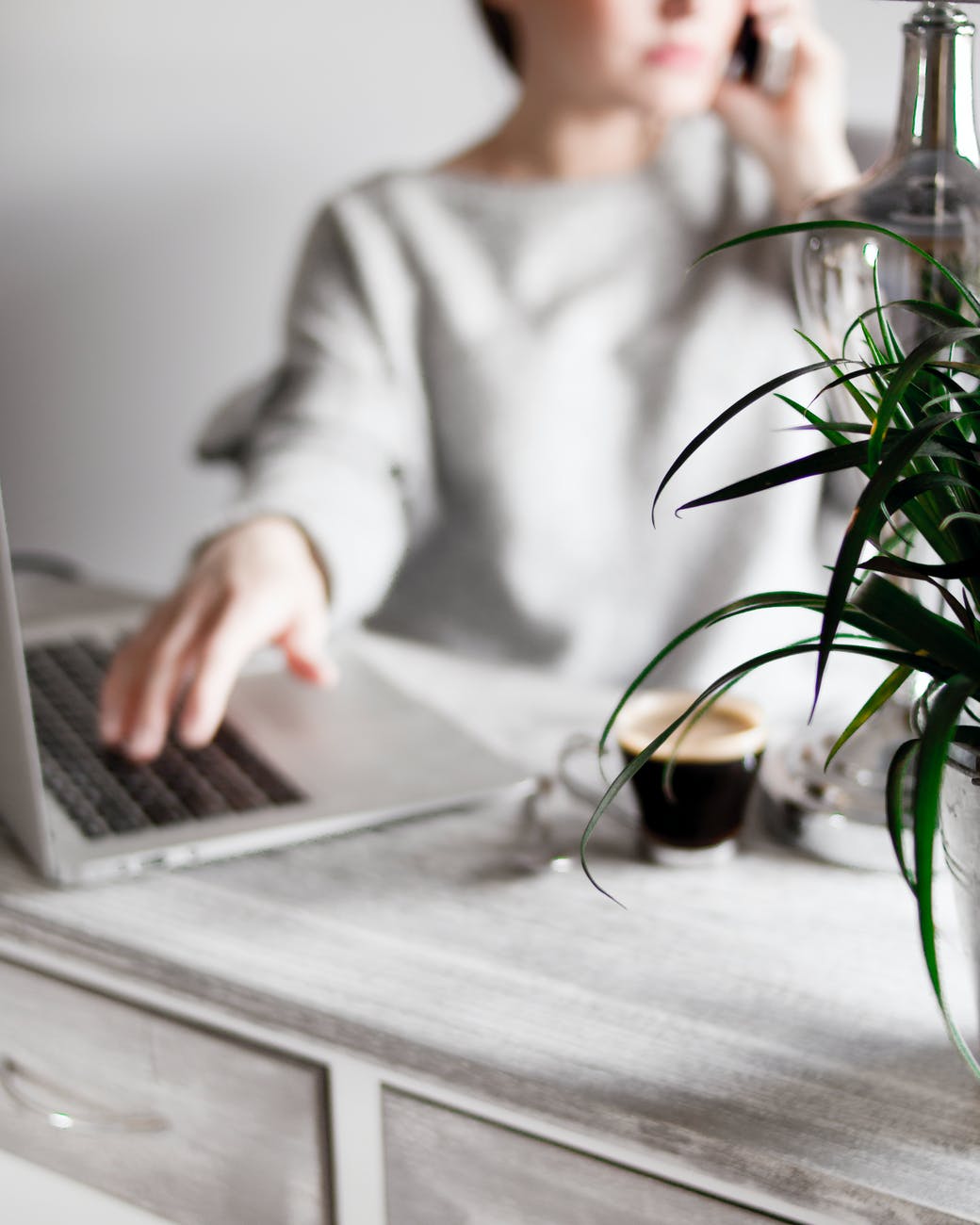
One of the consequences of urbanization is the physical and social separation of work and home. People live further from where they labor and land uses are often separated. Yet, the pandemic may have helped many Americans reunite these two realms that were once joined more closely. Here is a summary of a survey specifically looking at working from home:
While there has been a widespread recognition that the remote work rate surged during the height of the coronavirus pandemic, there is disagreement about the extent of this change. To address this limitation, we field a new, nationally-representative survey instrument called the Remote Life Survey (LFS) in October 2020. We find that in October, 2020, 31.6% of the workforce always worked from home and 22.8% sometimes or rarely worked from home, totaling 53.6%. We compare our results with alternative measurement approaches, focusing on five factors: (a) differences in the selection of respondents among mail versus web -based surveys, (b) differences in the inclusion of self-employed workers, (c) ambiguity that arises from the forced classification of remote versus non-remote work into discrete categories, (d) the industry mix of the sample, and (e) the exclusion of people who were already remote pre-pandemic. We find that explanation (e) explains the bulk of the difference in estimates between the Current Population Survey (CPS) and other measures of remote work, underestimating the remote work rate by 33 percentage points. Overall, we estimate that about half of the US workforce currently works remotely at least some days each week.
For those who wanted to reunite work and home, is it good that a pandemic brought this about for a good number of workers? What I mean is this: metropolitan regions did not become denser, employees were not economically more able to reside closer to where they worked, and companies and organizations did not necessarily allow this because they wanted to. People worked at home more because of a health risk, not because they aimed to create more holistic lives.
But, here we are with more people working from home. Does this then transform both the communities where they live and the communities where they work? Does it enable more integrated social networks and communities or has too much changed since urbanization (such as the Internet and social media)?
It is hard to predict what exactly might happen if work from home trends continue. As the researchers suggest above, having better data should allow us to better understand what is going on. Figuring out what this all leads to will require more work and interpretation.
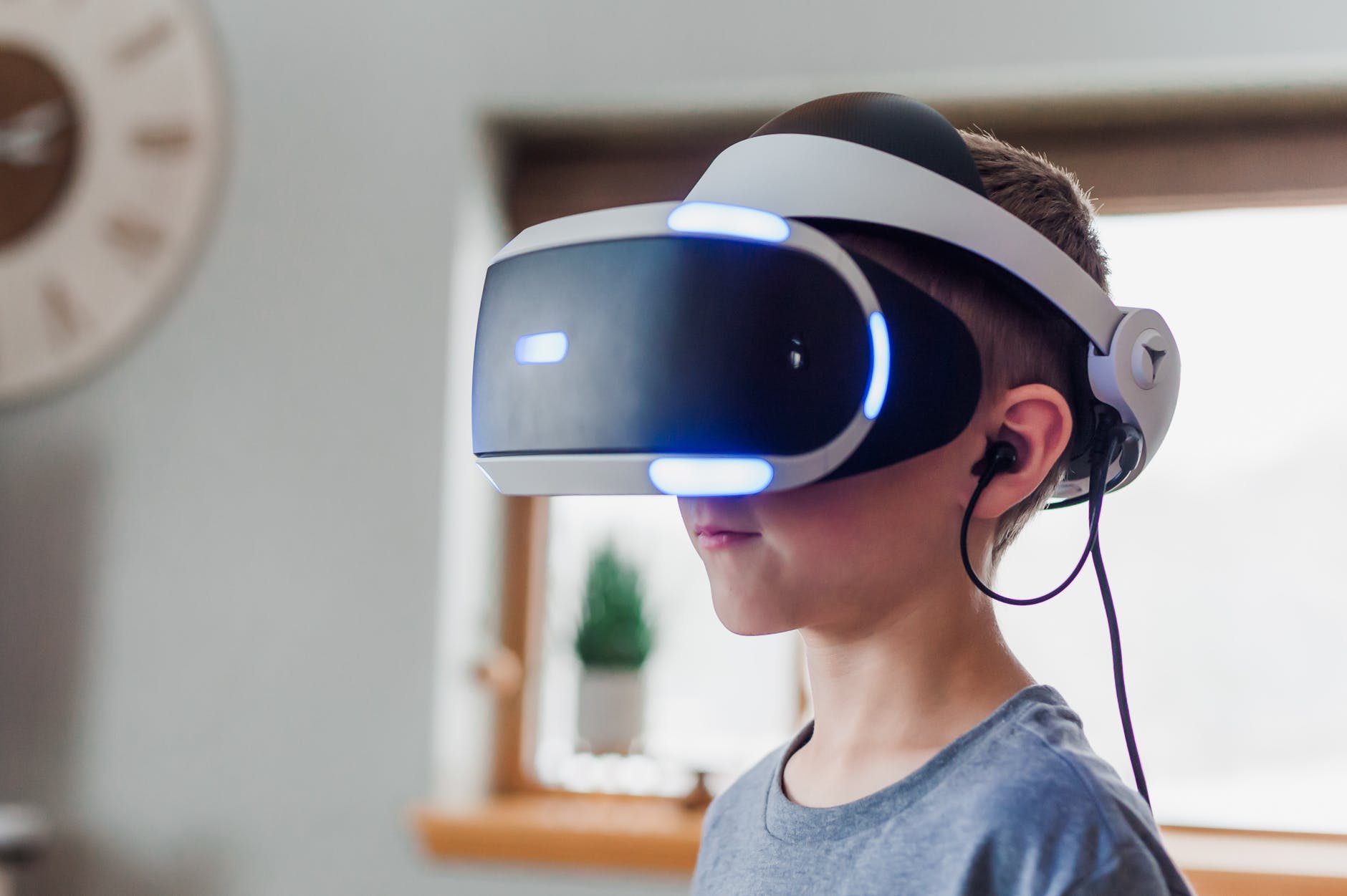
These norms reveal how moderation is complicated by trying to map the social conventions of the physical world onto virtual reality. If you covered yourself in purple body paint and showed up at an in-person medical conference, you’d probably be asked to leave. At a metaverse medical conference, the other attendees wouldn’t even bat an eye. This relaxing of certain social norms leads people to test the bounds of acceptable behavior, and moderators in some cases have to decide what crosses the line. For instance, new users will often pat strangers on the head, an interaction that would be strange and a little invasive in real life. Educators in VR tries to discourage people from doing this, though it seems to fall into a gray area of rude but not totally offensive. The same goes for pacing excessively around a room, walking through other users, or fidgeting too much with your controllers, which can cause your VR hands to distractingly bounce around. “People don’t get it at first because a lot of people come into VR from a gaming platform, so they don’t fully grasp the fact that behind every avatar is a person,” said Myer. During one of the events I moderated, VanFossen asked me to message an attendee to step back because he was a little too close to the speaker and invading her personal space. I needed the nudge: It’s hard to tell how close is too close in the metaverse. It’s not like you can feel the other person breathe.
To account for these gray areas, Educators in VR calibrates the strictness of the moderation based on the type of event. Parties are a bit more laissez-faire, while group meditation sessions have a zero tolerance policy where you might be removed simply for moving around the room too much. “I was very much against zero tolerance until I started witnessing what that meant,” said VanFossen of meditation events. “People are there for a reason, whether this is their daily thing, they have a crap stressful job, they need a break, or they have mental health issues.” Moderation levels also differ by platform—AltspaceVR tends to be stricter because it’s targeted at professionals, while VRChat is known for anarchy.
It remains to be seen how moderation will work at scale as the metaverse accelerates its expansion. At the moment, developers don’t seem to have a good answer. AltSpaceVR has been trying to put moderation tools into the hands of its users and also has staff on hand to help with particularly volatile situations. Meta has similarly relied on users themselves to block and report troublemakers in Horizon Worlds. Yet if tech companies succeed in their grand ambitions to get billions of people to inhabit the metaverse, maintaining it is going to take an immense amount of time and energy from a countless number of people who have to make tough, nuanced decisions minute by minute. As VanFossen said, “It’s the most disgusting, frustrating, stress-inducing, headache-inducing, mental health–depleting job on the planet.”
Social interactions and spaces require social norms. People appreciate knowing how to act and how they will be treated. Without them, chaos or anarchy or worse ensues
Enforcing social norms is an important matter. In many situations, the norms are communicated and enforced in less explicit or informal ways. People see what is happening and respond similarly or they have a general idea of how to behave. In other situations, the norms need to be explicitly addressed, perhaps through formal guidelines or enforcers who step in when needed.
What sounds unique about the situation discussed above is (1) the social space is relatively new, (2) unfamiliar to a lot of people, and (3) is still in flux because of #1 and #2 plus ongoing changes. The moderators are trying to step in and they are creating the norms as they go. If the metaverse becomes more popular, the norms will solidify as the space and the proper behavior becomes more known.