Hundreds of apartments, a 600-vehicle parking garage and new retail and entertainment space are among an array of possibilities for the redevelopment of a key area of downtown Mundelein known as the “Bank Triangle.”
Suburban downtowns served different purposes in the past. They were economic and social centers in the midst of less developed suburban territories. Businesses located there sold more everyday goods including food and clothing. Banks and churches were there.
Now, suburban downtowns want mixed-use properties that match up downtown residents with restaurants, particular kinds of retailers, and entertainment and cultural options. These land uses bring in residents and money. They are perceived to be vibrant land uses. The other land uses have moved elsewhere or have downsized; banks have consolidated and have fewer branches, retailers are in strip malls and shopping malls, and more people moved to sprawling subdivisions further removed from downtowns.
This shift highlights a new version of suburban downtowns. They are now places to live and go to, not necessarily centers of community life. They have particular land uses and not others. And these will likely to continue to change in the future.
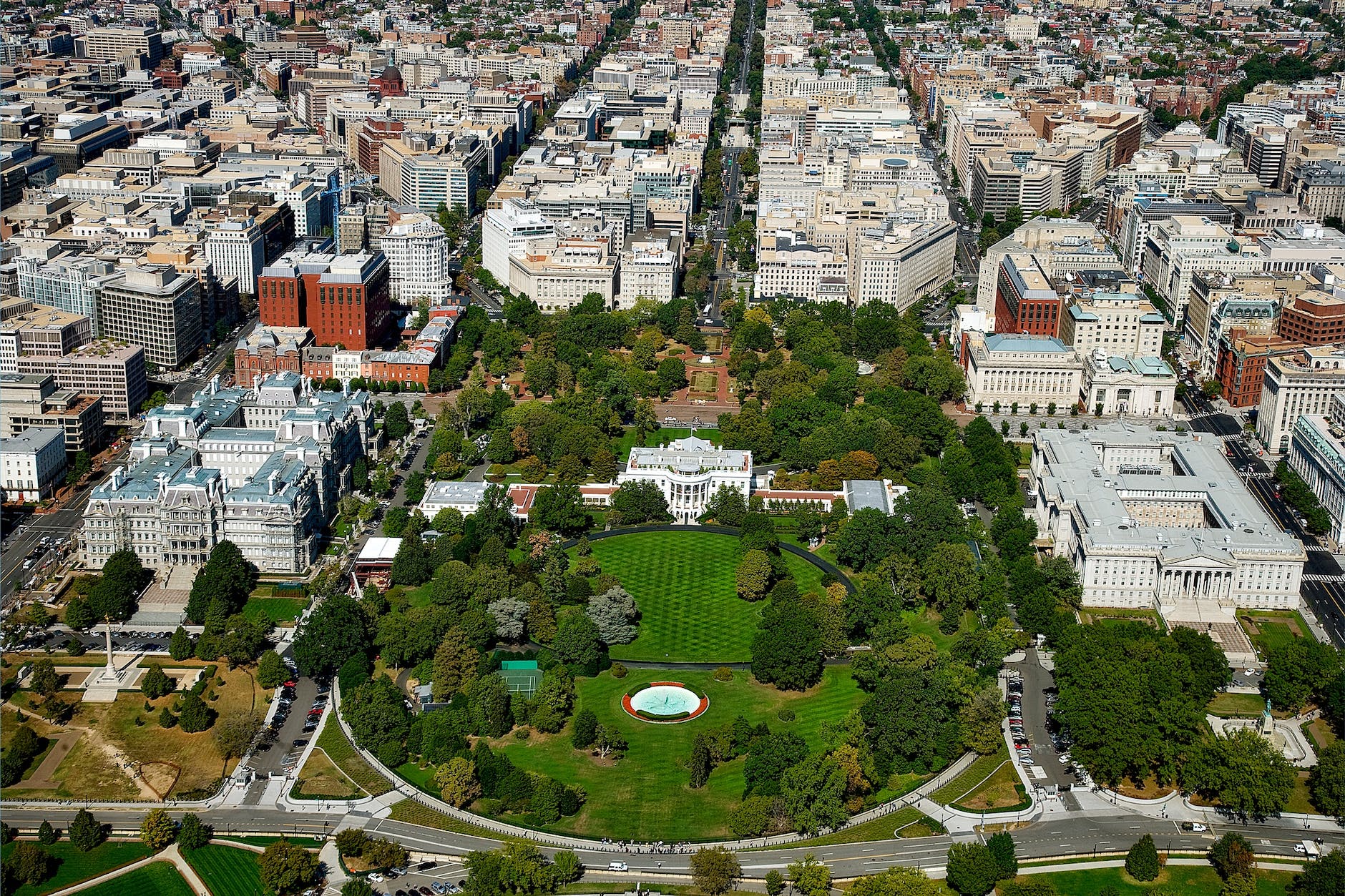
Many previous presidents, especially Republicans, have long used Washington as a metaphor for all that is wrong with America. The city is an easy target in many federal campaigns, from both parties. And for all their efforts to get to the city as president, many commanders in chief often seem desperate to leave whenever they can. Franklin Roosevelt spent long periods at Warm Springs in Georgia, where he’d ease lifelong physical repercussions from polio and at his home at Hyde Park, New York. Lyndon Johnson and George W. Bush were always keen to swap the White House for their Texas ranches.
Trump made little effort to embrace the town, getting out to play golf at his course in Virginia or heading to his properties in Florida and New Jersey. Biden spends most weekends in his beloved Delaware. But Barack Obama bucked the trend, becoming the rare president to set up home in the capital after his tenure ended instead of returning to his previous adopted hometown, Chicago.
Some presidents have tried to treat DC like home while in office. Theodore Roosevelt went rock climbing in Rock Creek Park, and decades later, Ronald Reagan saddled up to burnish his cowboy persona and went horse riding there. Abraham Lincoln used to escape the swampy summers to a cottage in Northwest DC where he’d also visit with wounded Civil War soldiers. And of course, he went to the theater at least once, with tragic results. John Kennedy and Richard Nixon, who served as naval officers, loved to take the presidential yacht, the USS Sequoia, down the Potomac River. The vessel was decommissioned by Jimmy Carter, a former submariner who was perhaps more comfortable beneath the waves…
Presidents have also often ventured out of the White House for refreshment. Ulysses S. Grant, Andrew Johnson, Grover Cleveland, Theodore Roosevelt and Warren Harding are all said to have patronized Old Ebbitt Grill, which is open still just around the corner. During the Clinton and Obama administrations it was not unusual to see the presidential motorcade idling outside some of the city’s top restaurants in Georgetown and downtown. Trump, however, rarely went anywhere to socialize apart from his former hotel on Pennsylvania Avenue, whose bars and restaurants became a hot spot for administration officials and Trump-world figures like Rudy Giuliani and a must-see for MAGA tourists in the capital.
Americans as a whole have concerns about big cities. The country has a majority suburban population and often associates cities with particular opportunities and issues.
And the United States has a unique capital arrangement in that the country’s largest city – New York City, the #1 ranked global city – is not the political center. Originally, the city sat between the northern and southern portions of the first states. It was founded after a number of other cities. It could become a political center even as it embodied characteristics of other American cities.
In looking at the list of facilities in the presidential library system, few are located in the biggest cities in the United States. Some are in smaller big cities while more recent facilities are in big cities. Perhaps presidents as a group have not been urban dwellers – and this should not be too surprising given that the United States has never had a majority of its residents living in the biggest cities.
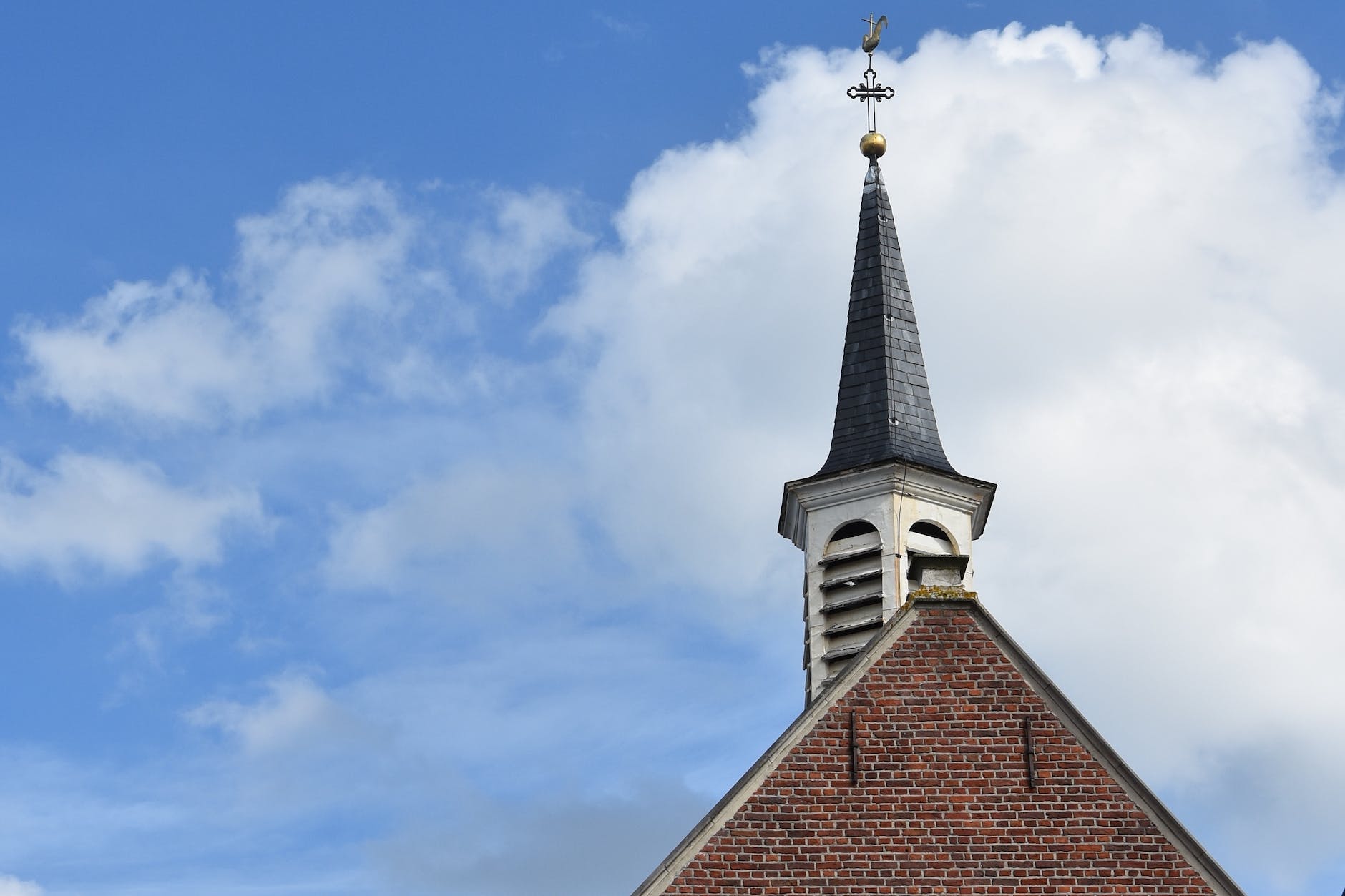
Seeking to grow revenue and do good, faith-based organizations are increasingly turning to their unused land and underused buildings as a solution to affordable housing. By the time Ms. Goff arrived at Arlington Presbyterian Church in 2018, Gilliam Place was already under construction.
“Our congregation had begun to ask itself, ‘What’s the point of us?’” Ms. Goff said. “It’s a big, existential question, and they had the sense that affordable housing was an issue they could do something about.”…
State and local governments are also recognizing the potential to increase housing stock. Andrew Gounardes, a New York State senator who represents southern Brooklyn, introduced a bill in December that, he said, would “streamline the process and the way in which religious institutions that want to help contribute to solving the state’s housing crisis will be able to develop affordable housing on their property.”…
Regardless of state laws, projects often face make-or-break decisions at the local level. Neighborhood buy-in is one small step in the journey, said the Rev. David Bowers, vice president of faith-based development initiative for Enterprise Community Partners, a national nonprofit developer. “There is NIMBYism, zoning approvals,” he said. “It’s the nature of the beast.”
Then there’s the financing question. Banks are “hesitant to do business with churches for fear of default,” said Bishop R.C. Hugh Nelson, lead pastor at Ebenezer Urban Ministry Center in Brooklyn, who worked with Brisa Builders Corporation on Ebenezer Plaza, a project that includes 523 affordable apartments, 43,000 square feet of sanctuary and ministry space, and 21,000 square feet of commercial space in Brownsville.
Two thoughts come to mind:
The combination of doing good for the community and generating revenue are interesting to consider together. Are there congregations where one of these is more of the driving force? What if more congregations from their beginnings saw housing as one of the ways they lived our and/or shared their religious faith?
How might congregations not just build housing but develop larger communities around faith, rituals, and community life? Housing is good but so is community and the possibilities of developing a local life involving the congregation.
What do students learn by taking sociology? What is lost if fewer students do? It struck John Reynolds, a professor of sociology at Florida State University, that these are the kinds of questions his discipline can help answer. While the Board of Governors overseeing the state’s public universities on Wednesday voted against a proposal to pause and collect more evidence to assess the impact before taking its vote, the “budding social scientists” in his “Sociology of Education” course were learning the very skills needed to conduct such research. So he walked students through the process in class on Thursday.
Reynolds and his students examined various arguments key players had made for and against keeping sociology. Then Reynolds split the 37 students into small groups and had each propose a research study to evaluate those claims using one of the research methods they covered in the course — school ethnography, intensive interviews, social survey, and analysis of school administrative data. Reynolds plans to award a small prize to each group whose proposals “were most detailed and true to the strengths of the method they were assigned,” he told TheChronicle in an email…
Offering a course as an avenue for meeting a general-education requirement signifies that the state regards it as important, said Alison C. Cares, an associate professor and the associate chair of the sociology department at the University of Central Florida. And while there’s overlap among disciplines — students have many options for developing critical-thinking skills — sociology has something unique to offer, she believes. Sociology is a discipline that “really jolts students out of an individualistic approach,” Cares said. Of course people have individual agency, she added, but at the same time, “there are predictable patterns, based on how society is organized, that make decisions and actions more or less likely.” Understanding that can enhance the way a doctor cares for a patient, or a teacher instructs a student, or a businessperson leads a company.
The second reason involves the way that required general education courses help students find courses and what they want to study:
Students will still be able to take introductory sociology — and it could still meet other university-specific requirements — but professors anticipate that its absence from the gen-ed menu could significantly reduce enrollment. This is partly because of exposure — a large share of students likely have found or been pointed to the course in order to fulfill the social-sciences requirement. Sociology is what one professor called a “found major,” that is, one that students might not have heard about before they get to campus, but fall in love with during their first course…
That’s not the only problem. Some degree programs (or combinations thereof) have such exhaustive requirements that students often look to meet as many of them as efficiently as possible, so they are unlikely to take other courses even if they really want to. The ability to meet a state requirement while taking introductory sociology is especially helpful, Aranda said, for students planning to attend medical school, many of whom have sought out the course since the MCAT added a section on social sciences nearly a decade ago.
I imagine faculty in many disciplines would make this same argument. Their field of study offers a unique perspective that students benefit from. This is the reason we have different academic disciplines: they have particular ways that they study, write, and operate. Additionally, general education classes offer gateways for more students into that field of study. Not all disciplines are represented in required courses so this is valuable real estate.
Sociology and other disciplines will continue to have to make arguments for why they should be included in curricula and why students should take their courses. If college courses and majors are a marketplace where students respond to different incentives, disciplines offer different perceived advantages and disadvantages. Whether this market logic should determine the worthiness of disciplines and their presence is worth debating but there is no doubt that the market does have some patterns and cycles.
As a sociologist who has regularly taught Introduction to Sociology over the years, these two issues come up in this class. What value does sociology have to college students who may never touch sociology again or know little about it? I enjoy teaching sociology and its methods so this is a fun challenge.
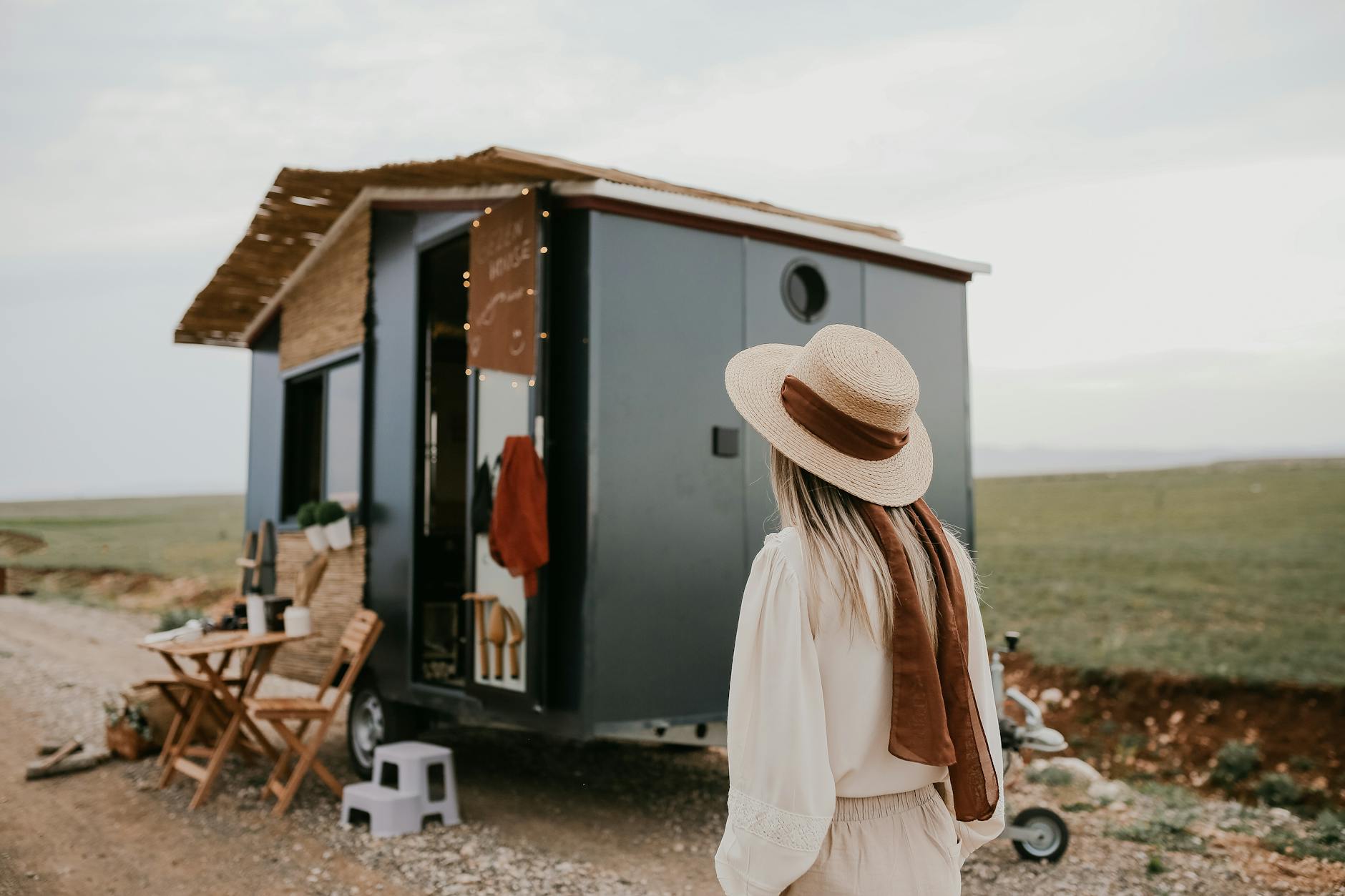
But over the last few years, tiny homes have morphed from a millennial lifestyle trend or life hack into a potential solution to the housing crisis. As an affordability crisis grips the nation and homelessness surges, tiny-home communities have sprouted from Wisconsin to Austin. In California, grappling with one of the worst housing crises in the nation Gov. Gavin Newsom promised last year to deliver 1,200 tiny homes as interim housing in Los Angeles, San Diego, San Jose, and Sacramento.
Unfortunately, it seems that tiny homes are an imperfect solution to high housing costs and rising homelessness. So why, then, do politicians, nonprofits and even do-gooder corporations love tiny homes so much? It has something to do with Americans’ persistent addiction: an obsession with single-family homes.
And here are my thoughts:
Tiny homes also play into American homeownership aspirations, including a desire for privacy, said Brian Miller, a professor of sociology at Wheaton College. “On the other hand, it’s very different from the typical progression over the last few decades where American homes just keep getting bigger and bigger,” Miller said, later adding that, “tiny houses are sometimes an explicit rejection of that.”
But they’re not necessarily for lower-income families—really they’re for people who can afford this type of lifestyle, one that allows you to do so temporarily while maybe even paying for a storage unit for your material possessions, Miller suggested. And yet, somehow tiny homes have entered into a new era—now posed as an (imperfect) solution to the housing crisis, which has manifested itself in unaffordable housing costs and a growing homeless population. Tiny homes are an individualized solution, Wagner stressed. “The reality is, we just need to build housing,” she said. But the push for tiny homes as an answer to the housing crisis is a perverse outgrowth of the inequality baked into the American economy.
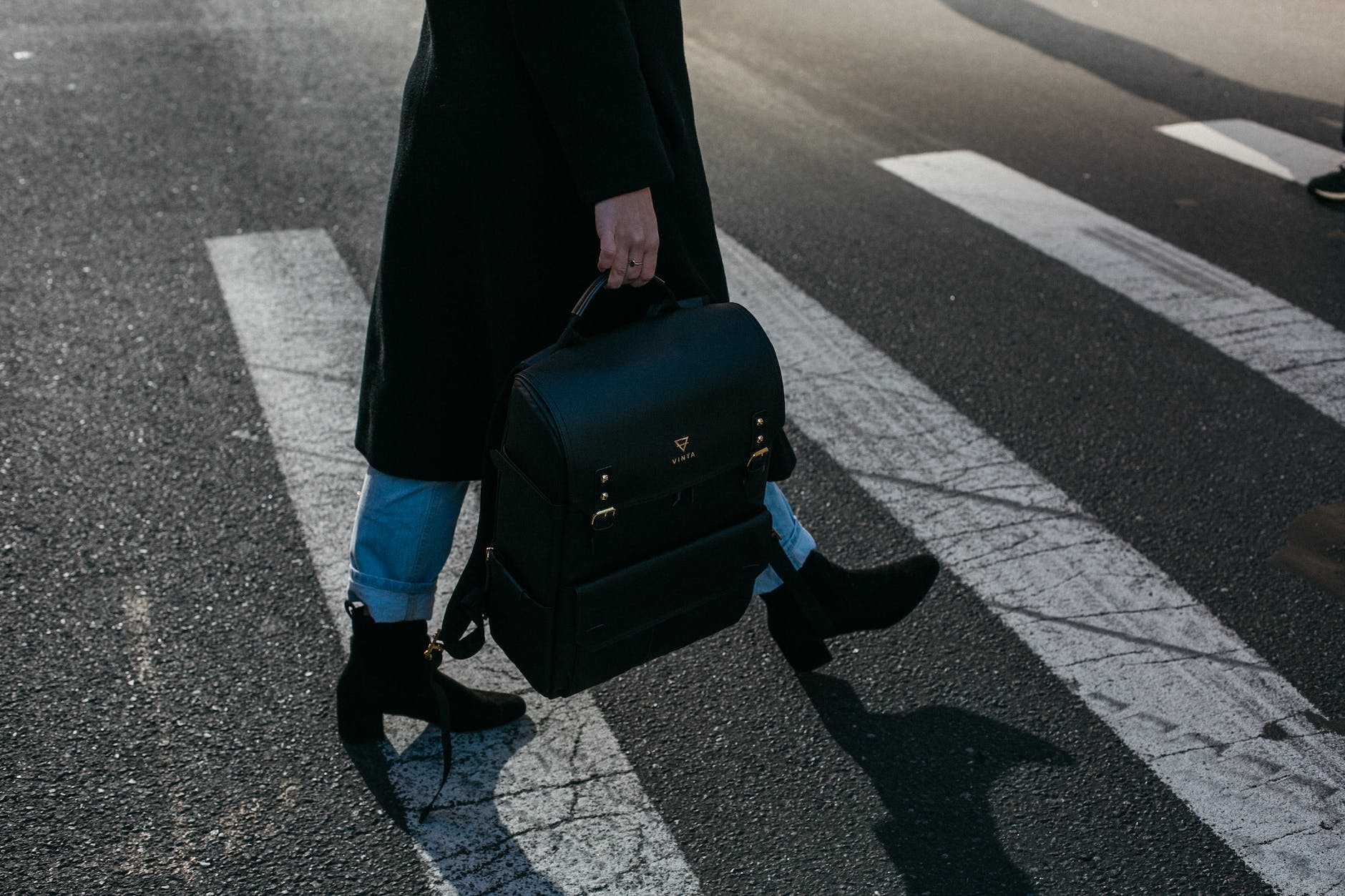
It’s strange to imagine now, but prior to the 1920s, city streets looked dramatically different than they do today. They were considered to be a public space: a place for pedestrians, pushcart vendors, horse-drawn vehicles, streetcars, and children at play.
“Pedestrians were walking in the streets anywhere they wanted, whenever they wanted, usually without looking,” Norton says. During the 1910s there were few crosswalks painted on the street, and they were generally ignored by pedestrians.
As cars began to spread widely during the 1920s, the consequence of this was predictable: death. Over the first few decades of the century, the number of people killed by cars skyrocketed…
The turning point came in 1923, says Norton, when 42,000 Cincinnati residents signed a petition for a ballot initiative that would require all cars to have a governor limiting them to 25 miles per hour. Local auto dealers were terrified, and sprang into action, sending letters to every car owner in the city and taking out advertisements against the measure…
In response, automakers, dealers, and enthusiast groups worked to legally redefine the street — so that pedestrians, rather than cars, would be restricted.
This reminds me of Jane Jacobs’ description of the busy streetscape in The Death and Life of Great American Cities. She wrote of a street with plenty of pedestrians, lots of activity on the sidewalks, and numerous uses for nearby buildings. It is the kind of lively place that is relatively rare in American cities. As Jacobs notes, this is due, at least in part, due to the prominence given to vehicles. If the emphasis is on moving as many vehicles as quickly as possible through places, this lively streetscape will not happen.
The answer here it probably not to eliminate jaywalking as pedestrians would have a difficult time crossing wherever they want. Instead, addressing jaywalking would require rethinking streets all together. What is the role of pedestrians? What is the role of vehicles? What do we want for our streets?
According to this map, most stadiums are pretty close to downtown. Some are further away – Texas, Kansas City – while others are close to ten miles away but still in the city (both New York teams).
My suspicion – without looking hard at the data – it that this may not be true of all of the major sports leagues in the United States. Baseball stadiums are often close to downtown but this may not hold across other sports. At least a few NFL stadiums are in the suburbs.
Do cities believe baseball stadiums are economic engines? Do teams closer to downtowns draw more fans? Do team owners see locations closer to downtown as more desirable, particularly with the trend to make money on developing land around the stadium?
Herold opens his book by visiting his hometown, a Pittsburgh suburb called Penn Hills. In many ways, the story of this particular suburb captures it all. When Herold’s family moved here in 1976, the average home price in 2020 dollars was $148,000. Now it’s $95,000. Herold knocks on a door just down the street from where he grew up, and there meets Bethany Smith, who has recently purchased the house with her mom. She’s single and Black and undaunted, raising a son, Jackson, for whom she wants the absolute best, which means finding a well-resourced, nurturing school and buying a home, an investment that will serve as a foundation to building wealth. (She’s also gotten priced out of her gentrifying neighborhood in Pittsburgh.)
But Bethany has walked into a mess of a town. Signs of wear and tear are everywhere: most notably, a collapsing sewer system and a school district that is $9 million in debt. According to Herold, the town didn’t invest in infrastructure improvements, kicking any needed repairs down the road. Financial mismanagement is everywhere. Enrollment in the schools has steeply declined. White families like Herold’s have moved out; Black families have moved in. It’s a pattern, Herold writes, repeated in suburb after suburb. It’s what I witnessed in Cicero with Latino families. Herold poses the question that drives his reporting: “How are the abundant opportunities my family extracted from Penn Hills a generation earlier linked to the cratering fortunes of the families who live there now?”
We have, Herold suggests, been looking directly at this problem—and either haven’t acknowledged what’s occurring or, worse yet, don’t care. He points to Ferguson, Missouri, an inner-ring suburb just outside St. Louis, where in the summer of 2014 a white police officer shot and killed Michael Brown, a Black teen. In the news coverage that followed, people were shocked to learn that more than 20 percent of the town’s operating revenue came from fees, fines, and court summons collected from the town’s mostly Black residents, a result of aggressive policing. This was because Ferguson had gone the way of so many inner-ring suburbs…
Charles Marohn, whom Herold describes as “a moderate white conservative from Minnesota,” is the one to lay out Ferguson’s decline to him. According to Herold, Marohn had a hand in building suburbs, but he has since had an awakening. Marohn suggests that what’s happened in places such as Ferguson and Penn Hills is the equivalent of a Ponzi scheme. It’s “the development version of slash-and-burn agriculture,” he tells the author. “We build a place, we use up the resources, and when the returns start diminishing, we move on, leaving a geographic time bomb in our wake!”
I have not read the book. As someone who studies suburbs, here are the first four thoughts that come to mind:
Inner-ring suburbs are a unique type of suburb. Right next to a big city, they often look similar to urban neighborhoods (denser buildings), have similar demographics to cities (more residents of color), and can face similar issues as cities. They are suburban but day to day life may not look like that of sprawling subdivisions of recently-constructed single-family homes. That white residents have left these suburbs and these communities may struggle for resources is true. I recommend Bernadette Hanlon’s book Once the American Dream: Inner-Ring Suburbs of the Metropolitan United States.
Suburbs as a whole and as individual communities experience different waves of development. Inner-ring suburbs were some of the first suburbs in the United States (and some were annexed into the big city). The issues described in this review also face other suburbs who may have had a particular character for decades. Communities change as both external forces and internal forces are applied to the suburb.
That’s why, for the past two weeks, a huge chunk of the internet’s attention has been focused on one baffling phenomenon in particular: What, exactly, is a Stanley cup, and why are suburbanites willing to scuffle over it in their most sacred space (their local Target)?
Let’s recap. As the new year began, Stanley, a century-old company that for much of its history made reinforced lunch boxes and drinking vessels for outdoorsmen and blue-collar workers, launched three pink, limited-edition Valentine’s Day versions of its jumbo-size Quencher cups, all in different shades of pink and only available at Target. The third of these cups, which came out a few days after the first two, was the grandaddy of them all—a new addition to the brand’s ongoing partnership with Starbucks, glazed in a shimmer finish instead of Stanley’s standard matte. All three flew off the shelves. Fans lined up in parking lots in the predawn hours to increase their chances of snagging one. In at least one instance captured in a now-viral video, an argument erupted over who was cutting whom in line, fingers were pointed, and a store manager was summoned to referee. A few videos of rushing shoppers and tepid interpersonal conflicts, plus one that appears to show store patrons trying to tackle a man who had grabbed a box full of tumblers and made a run for it, did the rounds on TikTok before jumping to local news broadcasts and the generalized zeitgeist.
As the internet watched this extraordinarily mild suburban chaos unfold, people understandably had some questions.
In a consumer-driven economy, trends come and go. What is more interesting to me here are the descriptions of how this fits with and/or upsets suburban life. The implication is that suburbanites at Target do not typically act this way. One study suggested suburbanites tend to avoid open conflict. Additionally, Target might be sacred space where a customer can savor the shopping experience. This kind of behavior does not fit within a calm setting. The suburbs are not typically about chaos; residents want to achieve the American Dream and have stability and predictability.
So far, I have not heard of anything involving Stanley that has seriously affected the suburban lifestyle. These are momentary interruptions to everyday life. Of course, they will likely be repeated for another desired item at some point.
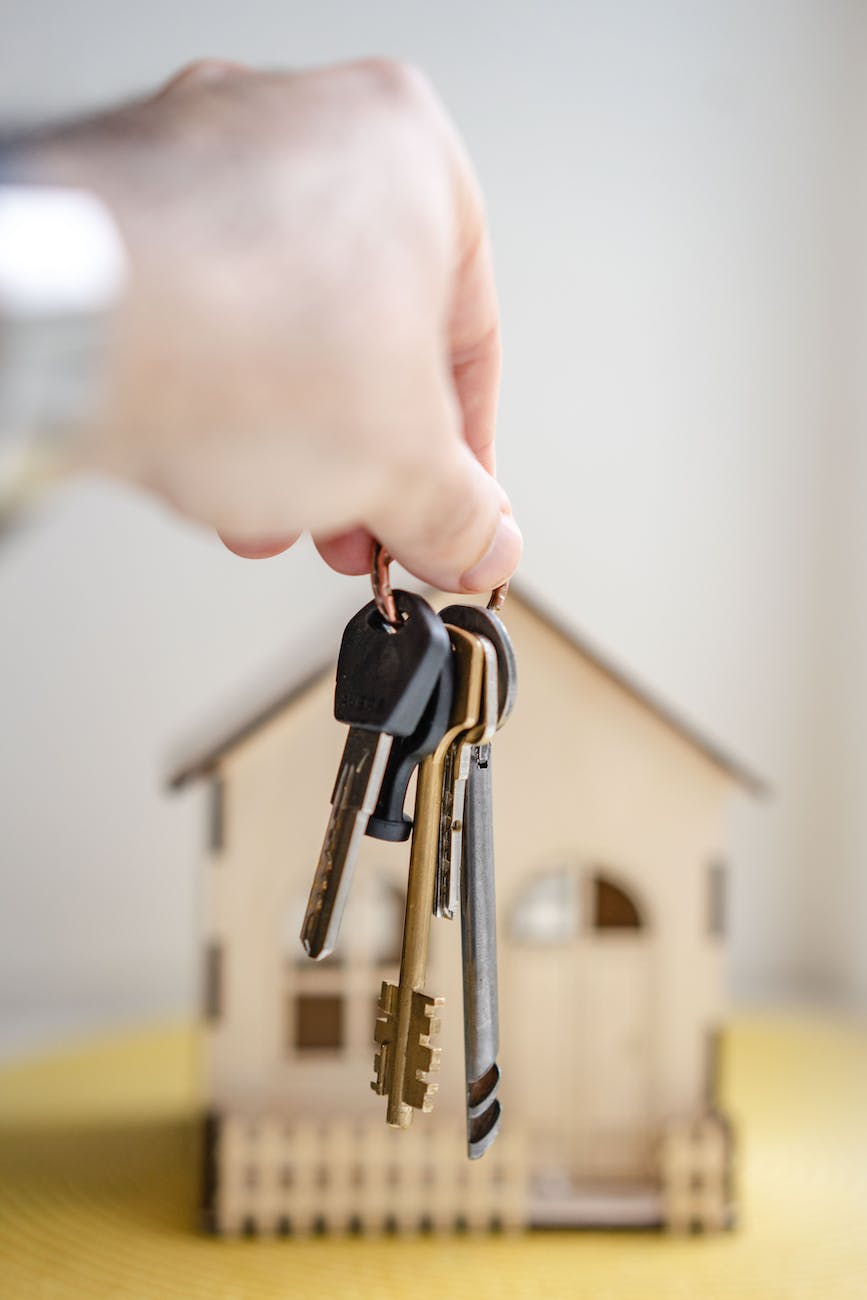
Central to the pitch of the American Dream is a house. Homeownership, the traditional thinking goes, is the surest way to build wealth. Save up for a down payment, buy a starter home, and definitely don’t spend too long throwing money away on rent.
That dream has become more fantasy in the Covid-era economy.
The second sentence goes a different direction. Buying a house is about making money. This might be in addition to other reasons for buying a home including: the status of owning a home; enjoying the home; maintaining and improving a piece of private property; and being a part of the community.





 Legally Sociable