McMansions as the fad of 2001

If we had to pick a year when McMansions were the key fad, would 2001 be it?
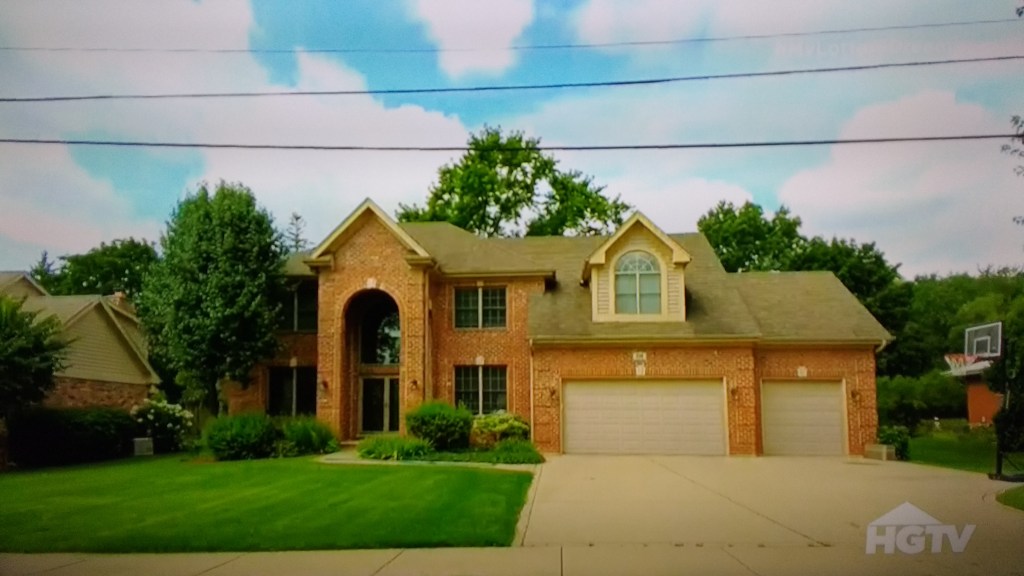
2001: McMansions

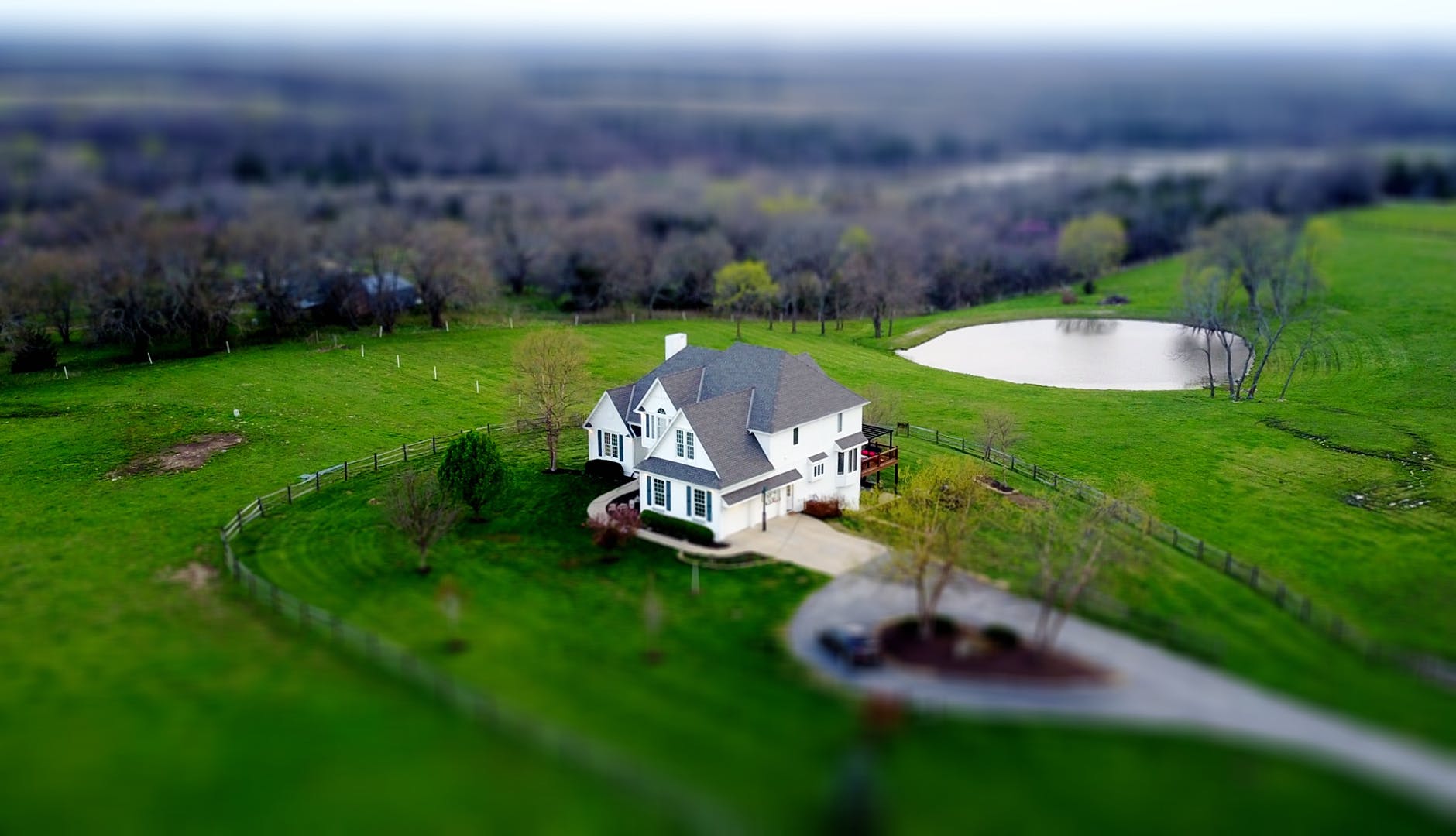
McMansions, shorthand for the oversized homes developed en-masse in the suburbs, were seen as status symbols by some and architectural abominations by others. By 2008, the crash of the housing market left many of these multi-bedroom behemoths empty or foreclosed upon.

The list of fads has McMansions in the right era. From the article I published in 2012 on defining a McMansion, the term and kind of home arose in the early 1990s and the term was more widely known and used by the early 2000s. By my count of mentions of McMansion in the New York Times and Dallas Morning News, the use of the term roughly peaked in 2005 and 2006.

So why 2001 – a very specific year – on this list of fads by years? It could be that surrounding years had more time-limited fads listed. Right before McMansions come Furbys, Latin pop, and Heelys and right after come beyblades, flash mobs, and wristbands for a cause. McMansions had to fit somewhere in a roughly ten year stretch and perhaps 2001 had the biggest opening.

Or, McMansions represented a different era in 2001 before September 11th of that year. A growing suburbia, SUVs and big homes, entering a new millennium. Enough homeowners had money to spend on big homes with a lot of square feet and a facade to impress the neighbors. The housing bubble crash came a few years later but perhaps McMansions had already peaked years before.

Looking at the full list of fads, the McMansion is the biggest item in the list in terms of price and size. When history is written (and rewritten), it will be interesting to see where McMansions fit into the late 1990s and early 2000s narratives as well as the broader sweep of housing.

Building a car-free 1,000 person development in Arizona

Construction of a small community with no cars is underway in Tempe, Arizona:

Photo by Steven Arenas on Pexels.com

Culdesac, a 17-acre car-free community being built in Tempe, has leased out its final retail spot ahead of its opening later this year.

Culdesac Tempe, which cost $170 million to develop, will have 761 residential units but with zero parking spaces for its residents. The final retail spot fits into Cudlesac’s “post-car” design and ethos – Archer’s Bikes, which will offer bicycle and accessory sales, test rides, rentals and repair.

Three thoughts on this limited description:

  1. This fits with a number of trends including denser areas (both in cities and “surban” spaces) and utilizing other forms of transportation beyond personal cars. Add in an exciting mix of shops, restaurants, and entertainment spaces and I could imagine a new development like this charging top dollar for units.
  2. Such a development could help make more day-to-day activity car-free but residents would likely still need motorized transportation to access areas outside of these 17 acres. It is important for such a development to be near other walkable/bikeable areas and mass transit options so residents can easily access the rest of the city and more of the region.
  3. Once this development opens up, it would be interesting to track residents in how they move, where they work, the relationships they build, and more. If this is going to catch on elsewhere, positive data – and hopefully some data on how such developments could be accessible to a wide range of people – could help make the case.

NIMBY vs. acronym opponents

I have heard of YIMBYs but this profile of a vigorous NIMBY resident of California suggested multiple options:

Photo by Donald Tong on Pexels.com

To distinguish themselves from NIMBYs, the current generation of housing activists has adopted new “back yard” variants (YIMBY, “Yes in my backyard”; PHIMBY, “Public housing in my backyard”; YIGBY, “Yes in God’s backyard”) to declare how they are for things (everything, subsidized housing, building on church parking lots) that a NIMBY presumably is not. Politicians have piled on: In California, homeowners who are used to being catered to with a host of regulatory and tax policies recently woke up to discover that their governor, Gavin Newsom, told The San Francisco Chronicle, “NIMBYism is destroying the state.”

YIMBY has the advantage of being a clear and obvious alternative to No opinions on development and housing. PHIMBY looks better spelled out but could confuse hearers about whether it is FIMBY. YIGBY sounds like a religious or spiritual version of YIGBY.

A catchy and clear acronym could help make the anti-NIMBY case but it will not be enough on its own to combat the common NIMBYism present in the United States.Even with the concerns expressed about NIMBYs, they likely have the decided advantage in numbers and sentiments across American communities. Many residents want to protect their properties, views, neighborhoods, and investments from a variety of perceived threaters. It will be on actors who have the opposite point of view than NIMBYs to push sentiment and regulation in other directions. This is not an easy task, and this is true even in a state like California that needs a lot of affordable housing.

Can a McMansion dweller have the last laugh?

A controversial TikTok video suggests a housewife could get the last laugh in her McMansion:

Photo by Karolina Grabowska on Pexels.com

Finally, Drummond, who also considers herself a content creator, took issue with women who criticize other women who marry their bosses: “Women will bully the woman who’s the secretary who married the doctor, but who has the last laugh?” she asked on camera. “Her in her McMansion with her husband and her baby.”

This last line quoted above is not what is driving the conversation about the video but it does highlight the divisive nature of McMansions. One person could live there and love the house, the space it offers, and the success it symbolizes. Another person might say they would never live in a McMansion and they are an abomination on the housing landscape.

These two opposing views come into conflict in different ways. Those opposed to McMansions are unlikely to move into a neighborhood full of them. A teardown McMansion might create conflict between a possible new McMansion owner and neighbors with other kinds of homes. Proposed McMansions can invite comments and action by people inside or outside a community. The conversation cited above is a more abstract scenario involving life in a McMansion.

Adding opinions about McMansions to another hot conversation is unlikely to lead to resolution on McMansions. However, it does provide a reminder that real people live in McMansions and many like living in McMansions or would want to live in one. This also reminds me of an earlier set of posts about gendered life in McMansions

What children learn from HGTV #3: Houses are symbols of success and making it

In watching HGTV with children and studying suburbs and housing, I have several ideas of what kids learn while watching the network’s programming.

Photo by David McBee on Pexels.com

Put together the ideas in the previous two posts – homes involve emotionally satisfying arcs and they pay off financially in the end – and add decades-long American ideology and houses are symbols of success and making it. The house, typically a single-family home on HGTV, is a visible, tangible monument that the owner is successful. Residents and show hosts talk about how the house symbolizes all of the struggle and work of a family. They talk about passing down a legacy to kids. They usually do not come out an say it but the home and its exterior provide a positive impression to neighbors and those passing by about the status of the residents.

Homeownership is celebrated on HGTV. An attractive house that meets the needs of the residents and broadcasts a message of success to others is the ideal. Almost no one wants to rent or live long-term with family or friends. Almost everyone is trying to move up to a better and/or more attractive home. The goal is to acquire one’s own home which provides well-being and financial security.

Ultimately, HGTV helps perpetuate homeownership and its link with the American Dream in the way it presents houses and what they are for. The people on the network find success in acquiring and improving homes and almost nothing else is discussed. Kids watching HGTV see that people need to acquire and/or improve a house to be a successful adult.

What children learn from HGTV #2: Houses pay off financially

In watching HGTV with children and studying suburbs and housing, I have several ideas of what kids learn while watching the network’s programming.

Photo by Thirdman on Pexels.com

In addition to the upbeat emotions on HGTV, the network relentlessly suggests houses are worth the financial investment. Numerous shows discuss how much money is involved, whether that is in the purchase price or the profit or equity made in repairing a home or the costs to particular changes. These are often not small sums; budgets are usually in the tens of thousands or more and few characters discuss how they have such money to spend.

But, the big sums of money are worth it in the end because homes are an important investment. Sure, they are to be enjoyed – and the reveals at the end of many HGTV episodes are full of positivity – but the money may be even more important. Everyone has spent a lot of money on these homes and they are worth it because they will be worth even more in the future.

HGTV often embodies the shift in the United States from homes as important centers of family life to financial investments. The money to be gained by owning or renovating a home is never far away on HGTV.

What children learn from HGTV #1: Houses are worthy of emotional investment

In watching HGTV with children and studying suburbs and housing, I have several ideas of what kids learn while watching the network’s programming.  

Photo by Ketut Subiyanto on Pexels.com

To start, HGTV shows are built around emotional stories about home repair or home acquisition. There is a regular narrative arc where people want to improve where they live or find a new place to live, they face some obstacles along the way, and then they are successful by the end of the episode. The shows are filmed, edited, and scored in such a way to create such a positive emotional payoff. The shows suggest they are helping people find happiness.

All of this weds the idea of homes with happy feelings. The shows are upbeat, the search for a better homes a success, and viewers have a positive resolution. HGTV has very few negative outcomes or unsuccessful work. The characters rarely talk about emotional distress, financial difficulties, and difficult family relationships. Only rarely do people not find what they were looking for and even then the ending is cast as a successful change in focus. Any obstacle is easily overcome.

In sum, HGTV is an emotionally positive network. I could see why parents or families might feel comfortable having kids watch such happy outcomes. A new or renovated home is good for the well-being of the resident(s) as well as the viewers.

29 years on a waiting list to access a housing voucher in Chicago

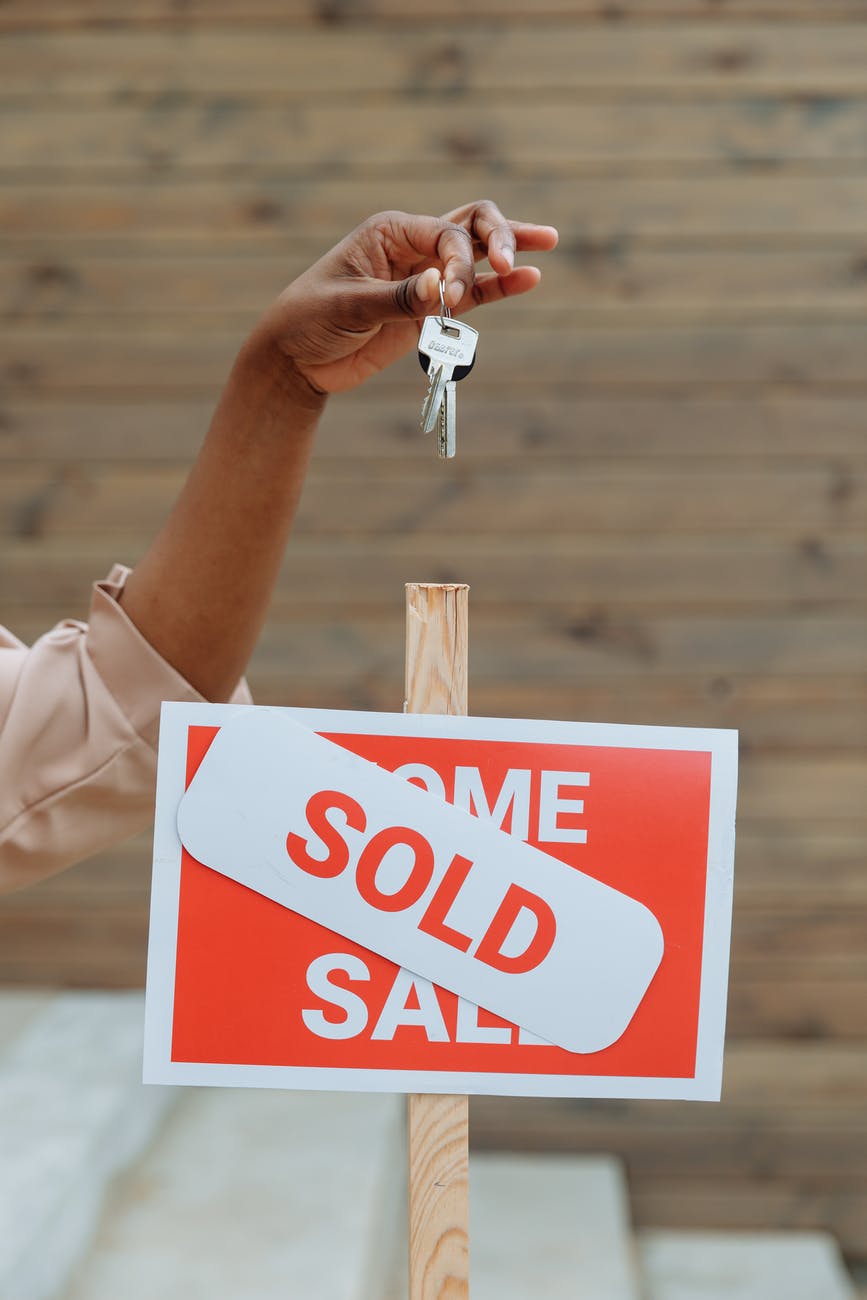
A Chicago alderwoman shared that she had received the opportunity to apply for a public housing voucher – 29 years after joining the waiting list:

Photo by Krizjohn Rosales on Pexels.com

Jeanette Taylor applied for an affordable housing voucher in Chicago in 1993, nearly three decades ago. But on Tuesday Taylor revealed that she received a letter dated May 20 informing her that she was on the top of the waiting list and could begin the “application for eligibility” process…

However, demand for the vouchers typically far exceeds their supply: about a quarter of the low-income tenants who need federal rental assistance actually receive it, according to the Center on Budget and Policy Priorities, a progressive think tank. Waiting lists, which sometimes stop accepting new applicants for several years at a time, are typical. Landlords don’t always want to work with Section 8 renters, either.

“Everyone is shocked but this is pretty standard,” Courtney Welch, a council member in Emeryville, California, said in a post responding to Taylor’s thread on Twitter. “Twenty-nine years is exceptionally long, but I know two people personally that were on the section 8 wait list for over a decade. One got it after 11 years, the other after 13. They both signed up at age 18.”…

In 2020, though, the suburban Housing Authority of Cook County reopened its Housing Choice Voucher waiting list for the first time since 2001, with at least 10,000 people applying right away, according to the Chicago Tribune. In March, the nearby Oak Park Housing Authority also reopened its waiting list to applications for the first time since 2004.

Lengthy bureaucratic lines for public housing and housing vouchers may be normal but my sense from Chicago’s track record is that residents of the city wait longer than most.

In a related question, can a city or government really claim to offer something when the waiting list spans decades?

Finally, Americans have consistently showed that they do not particularly like the idea of public housing. Instead, more resources and effort go toward encouraging mortgages and homeownership. This could be one consistent way to signal this displeasure: do not provide enough funding and vouchers to meet the need present in many places.

Proposed buildings that could go on for miles

A proposed new city in Saudi Arabia may include the world’s largest buildings:

Photo by Mohammed Ajwad on Pexels.com

NEOM, the brainchild of Saudi Crown Prince and de facto ruler Mohammed bin Salman, aims to build twin skyscrapers about 500 meters (1,640 feet) tall that stretch horizontally for dozens of miles, the people said.

The skyscrapers would house a mix of residential, retail and office space running from the Red Sea coast into the desert, the people said, asking not to be identified as the information is private. The plan is a shift from the concept announced last year of building a string of developments linked by underground hyper-speed rail, into a long continuous structure, the people said.

Designers were instructed to work on a half mile-long prototype, current and former NEOM employees said. If it goes forward in full, each structure would be larger than the world’s current biggest buildings, most of which are factories or malls rather than residential communities.

Imagine a building that stretches on for miles. As one follows it with their eye, it just keeps going and going. A building that goes past the horizon.

How does one get around within such a building? Moving walkways? Segways? An interior mass transit system? Or, exit the building and use a vehicle out there?

I could imagine a fairly self-contained community inside such a building. Going outside might not be very necessary except for going to a different city. What an American suburbanite might desire to be within a ten minute drive just happens to all be in the same structure.

Since this is in the planning stages, it could be years for the development to arise and stretch out to the point where the buildings are the largest and/or longest in the world.

AIM away messages and a “basic form of social liberty”

AIM away messages provided a way for users to show that they were not available:

Photo by Porapak Apichodilok on Pexels.com

Sometimes you had to step away. So you threw up an Away Message: I’m not here. I’m in class/at the game/my dad needs to use the comp. I’ve left you with an emo quote that demonstrates how deep I am. Or, here’s a song lyric that signals I am so over you. Never mind that my Away Message is aimed at you.

I miss Away Messages. This nostalgia is layered in abstraction; I probably miss the newness of the internet of the 1990s, and I also miss just being … away. But this is about Away Messages themselves—the bits of code that constructed Maginot Lines around our availability. An Away Message was a text box full of possibilities, a mini-MySpace profile or a Facebook status update years before either existed. It was also a boundary: An Away Message not only popped up as a response after someone IM’d you, it was wholly visible to that person before they IM’d you.

Messaging today, whether through texting or apps, does not work the same way:

Catapulting even further back into the past for a moment: Old-fashioned phone calls used to, and sometimes still do, start with “Hey, you free?” Santamaria points out. “You were going to tell me if you could talk before we started the conversation.” There’s a version of this today—someone might preface their message with “Not urgent, respond when you can,” for example—but for the most part, we just send the text message without consideration, Santamaria says. Interruption is the default.

The ability to walk away from communication and the demands it makes on a person struck me as similar to one of the three “basic forms of social liberty” humans had before settling in cities and large societies. Anthropologists David Graeber and David Wengrow say the second form was “the freedom to ignore or disobey commands issued by others.” Text messages, emails, and messages in apps create a pressure for someone to respond. To not have these digital “commands,” one practically not use apps and devices.

Is this the freedom we have traded to use social media, the Internet, and smartphones? People can unplug but it is difficult to do that and still participate in regular social life today. Saying no to messages or refusing to respond will likely not garner many friends or close connections. And related to the first form of freedom, “the freedom to move away or relocate from one’s surroundings,” the messages and apps can follow us anywhere there is Internet access or cell coverage.

These platforms succeed by encouraging messaging and connections. But, what if a basic human freedom is the one to say no to that interaction when desired?