Even Woodfield Mall could be enhanced by nearby high-density residential development

As shopping malls struggle, an area near Woodfield Mall in Schaumburg may soon include taller apartment buildings:

Photo by Mike B on Pexels.com

Schaumburg officials are considering drafting regulations for potential redevelopment near the Northwest Transportation Center of Pace Suburban Bus that would permit high-density residential buildings, as well as one or more parking structures.

Trustees are poised to vote Tuesday to direct the village staff to prepare such a transit-oriented district bordered by Woodfield Road to the north, Martingale Road to the east, Higgins Road to the south and the eastern edge of the Schaumburg Corporate Center to the west.

Transit-oriented developments — characterized by a mix of uses including homes near transportation hubs such as train or bus stations — are found in many areas of the suburbs. But this would be the first true example in Schaumburg, Community Development Director Julie Fitzgerald said.

The entire commercial area around Woodfield Mall so far has been free of residential development since the mall was built more than 50 years ago.

Such a plan would build on three trends:

  1. Including more residential units in and around shopping malls (recent examples from the Chicago suburbs here and here). This helps increase the number of people who might frequent the businesses nearby.
  2. Locating higher-density housing around transit hubs. The resulting transit-oriented developments could reduce the reliance on cars with mass transit options immediately accessible.
  3. Placing higher-density housing away from single-family homes and lower-density housing. Such a location is less likely to draw concerns from neighbors who express concerns about traffic, noise, and an impact on their property values.

If plans go forward, it will be interesting to see the price point of these residential units and whether this kicks off more residential development in what is already a busy area. Perhaps Schaumburg will become the home to more businesses and more apartments?

Illinois lost population in the 2020 Census and then it gained population after estimates of an undercount

The Census Bureau reported last week on states where populations were likely undercounted or overcounted. Illinois fell into the first camp:

Photo by Skylar Kang on Pexels.com

The U.S. Census Bureau originally found that Illinois lost about 18,000 people over the prior decade, which was the first time numbers showed Illinois’ overall population had declined since it joined the union in 1818. But after a follow-up survey — something that happens after each once-a-decade head count of the U.S. population — it discovered the state’s population figures had likely been undercounted…

“These latest numbers from the U.S. Census Bureau show that Illinois is now a state on the rise with a growing population,” Democratic Gov. J.B. Pritzker said in a statement. “ … I look forward to celebrating this development with all Illinoisans, including those who routinely bad-mouth our state.”…

The estimate that Illinois’ population was undercounted by 1.97%, or about 250,000, was the midpoint provided in the survey. The population could have been undercounted by as much as 440,000 people, or 3.43%, or as little as 65,000 people, or 0.51%, the survey showed.

I am interested in methodology and how small numbers can affect something seemingly simple like the number of people living in a state.

The Census Bureau puts much effort into getting the count right. This requires years of efforts leading up to the dicennial census, a lot of work in that year, and many resources put into all of it.

Losing 18,000 people over a ten year stretch is a small blip in a state that has over 12,000,000 residents. Similarly, gaining 250,000 people – the midpoint of the undercount estimate – is just a few percent of the total population. Either way, the Illinois population did not change all that much. It stayed relatively the same.

The real issue for Illinois and its leaders are the perceptions about population in Illinois and how Illinois compares to other states. Many agree: populations of state and communities should be growing for them to be deemed healthy. Population growth is good. In contrast, losing people is a sign of distress.

Similarly, even if Illinois grew by 250,000 people or lost 18,000 people, it matters how this compares to other places. Is Illinois more like Rust Belt communities and states or is it more like Sunbelt communities and states? Can Illinois be a shining light for population growth in the Upper Midwest? An so on.

It does not appear the overcount/undercount estimates will become official population figures so this story will likely continue in Illinois with subsequent Census estimates and political claims about population.

Prefabricated McMansions

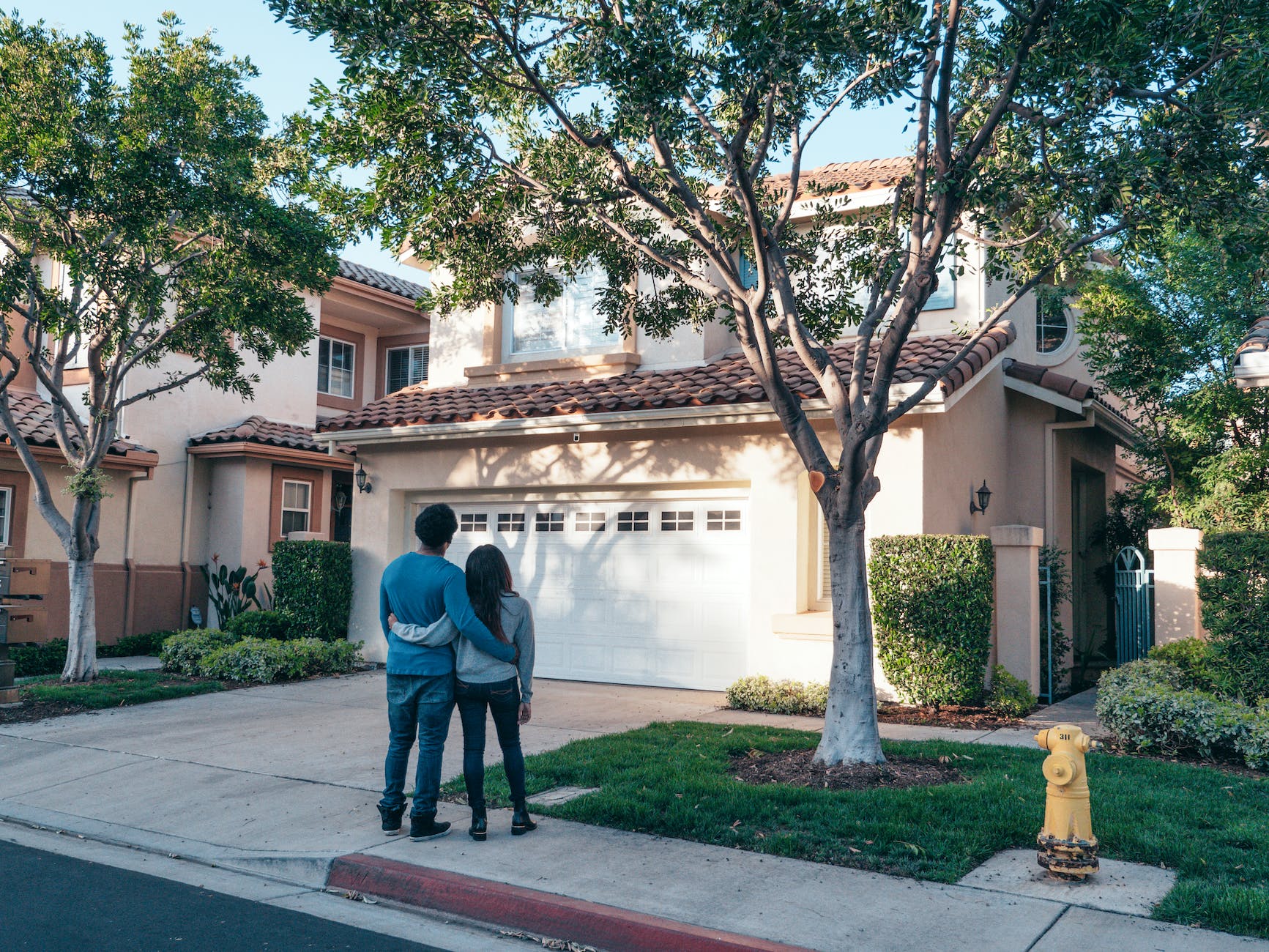
A debate in Rhode Island about what counts as an affordable housing unit included this suggestion about prefabricated McMansions:

Photo by Mike B on Pexels.com

But although the state’s definition of manufactured home could include a prefabricated McMansion, House spokesman Larry Berman said the bill requires units to qualify under the U.S. Department of Housing and Urban Development definition of manufactured homes, which is much narrower.

I wonder (a) how many prefabricated homes might qualify as McMansions and (b) how a prefabricated home fits with the critiques of the poor construction and/or architectural quality of McMansions.

On the first point, I imagine most prefabricated homeowners are not intending to create a McMansion. It is possible, but I do not imagine there are many prefabricated McMansions. If they do exist in sizable numbers, I would be interested to see them.

On the second issue, would a prefabricated home be a better construction choice compared to concerns some have with mass production builders? Or, could prefabricated homes successfully address the architectural issues of McMansions such as too many gables, poor proportions, and a mishmash of styles? I do not know how more expensive prefabricated homes rate in terms of quality and I suppose prefabricated homes could look like anything.

If the number of prefabricated homes in the United States increases, some might be McMansions or some might be the new McMansions in what could be a fluid term.

Are electric school buses the future of school transportation?

Five students from a local high school appealed to the school board to switch over to electric school buses:

Photo by Wesner Rodrigues on Pexels.com

Five students from a Peace and Conflict Studies class at Naperville Central High School researched electric buses from various angles. They told the school board about the potential health benefits, the grants available to mitigate the costs, and the long-term financial benefits. They also provided examples of surrounding districts currently investing in electric buses.

“Through conversations with experts and subsequent research, it is evident that electric buses are vital to our future,” student Emma Orend said. “We must implement them into our school district’s transportation fleet to benefit both the environment and ourselves.”

While school board members and Superintendent Dan Bridges didn’t respond to the students during Monday’s meeting, the issue arose on March 21 when the board approved the purchase of 17 diesel-powered buses at a cost of $1.8 million. Board members Donna Wandke and Joe Kozminski voted no, with Wandke expressing frustration at the lack of urgency in shifting to electric buses.

District Chief Financial Officer Michael Frances said a shift was difficult because the district didn’t qualify for grants that would make the transition affordable. The standard 71-passenger diesel-powered buses purchased by the district cost $108,497, but the electric equivalent costs anywhere from $200,000 to $500,000.

I had to post about this after writing several days ago about how school buses have not changed in decades. I could imagine several possible scenarios given this possibility of electric buses:

-A few influential districts in each region are the early adopters, other surrounding districts are interested observers, and when the electric buses work out, they gain market share.

-Districts wait to see if there is more money available – grants, other sources – before spending a lot more upfront for electric buses.

-Certain districts might experience more pressure from students, parents, members of the community, and board members to purchase electric buses as part of broader efforts to be more environmentally sustainable.

-The electric buses might not run on diesel but they might look very similar on the exterior and interior. Absent the black smoke, will they present a better experience for riders?

When no one knows how popular televisions shows are

The television streaming services do not release numbers on how many people watched their shows:

Photo by Nothing Ahead on Pexels.com

But nobody else — not Disney, not Apple, not HBO Max, not Amazon, not Peacock — is providing numbers. Or when they do make an announcement, it’s relative: They might say it’s the biggest show in the history of Apple TV+, but that’s vague and data-free.

We’re heading into a football season next fall where Amazon is going to be the only place to watch the Thursday night game, and nobody I’ve talked to expects any viewer numbers to be released from Amazon. What a remarkable thing in the context of media history, that they don’t need to or feel incentivized to report these numbers.

The definition of success on their end is generating new subscriptions and retaining existing ones. Those are the key metrics. So a show that gets lukewarm reviews can be a huge driver of subscriptions. That’s the black box that we don’t really have access to, so we don’t know what is considered a valuable show. All of us — consumers and creators — are operating in the dark.

It’s a fascinating and discombobulating time. If you want to be open-minded and upbeat, you could say: For too long, there’s been this tyranny of the popular. We’ve all been bombarded by advertising that says “This is the No. 1 movie in America!” It was an incessant drumbeat and this syllogism that if it’s popular, then it’s worth your time. So maybe it’s healthy to break away from that.

The lack of data on viewership makes it difficult for serious observers – journalists, pundits, researchers – to know what Americans are watching and consider the consequences. This may seem inconsequential but those interested in what the masses are watching are then left to other methods to figure out what people are watching. Does a lot of Twitter activity suggest a show is popular? Do many conversations with friends and colleagues about the same show make for a popular show? Are subscriber numbers indicative of something?

Much has already been said about the fragmentation of television and other media sources in recent decades. The most enduring or cohesive media forms today might be viral videos or memes. Concurrently, the lack of numbers regarding viewers only adds to this trend and perception.

A significant majority of Americans “believe it is better for the environment if houses are built further apart”

In April, YouGov reported on a survey with a series of questions on how Americans thought about high-density places. Here is how people responded when asked about the relationship between the environment and building homes:

Three in four Americans say it’s better for the environment if houses are built farther apart, while one in four say it’s better for houses to be built closer together. While Americans who live in cities are somewhat more likely than Americans who don’t to say that high density is more environmental, the vast majority of city-dwellers still believe that it’s more eco-friendly to build out rather than up. While Republicans and Independents are aligned on this issue, Democrats are somewhat more likely to say high-density living is environmental, though again, the majority still say it is worse for the environment than building farther apart.  https://datawrapper.dwcdn.net/w0YWs/3/

It would be fascinating to follow up on these survey results with interviews or open-ended questions for the respondents: “Please explain why you answered this way.”

Knowing what I know about American preferences for single-family homes and wanting to be closer to nature in the suburbs, here are some factors that could be at work:

-Americans do not know what is best for the environment.

-Proximity to nature matters for how people assess whether the environment is better off. In higher density places, there is less open space or the natural areas have to be planned and protected. If the houses are further apart leaving more room for grass and local creatures, is this better for the environment?

-People really like homes built away from other homes, even if this might not be optimal for the environment.

-It is interesting that the biggest gap in opinions is between political parties and not where people live. Even then, two-thirds of Democrats agree with this. This might suggest anyone promoting density as a solution to environmental issues will run into some opposition.

The interior of American school buses have not changed significantly in 30+ years

My heyday of riding a school bus started over three decades ago and lasted for about 9 years. I do not remember many specific moments from those rides, usually short ones in a suburban setting, but I could easily describe the interior of the bus. Steep steps up. A domed ceiling. Lots of brown or green rows on metal frames. Metal windows that fogged up often and required pinch tabs at the top to slide down. A long and narrow aisle. A wide rear-view mirror for the driver to watch the back of the bus. A particular smell.

Photo by cottonbro on Pexels.com

This interior has not changed for decades. As an adult, I have been on a school bus a few times in recent years and it looked almost exactly the same. It felt very familiar very quickly.

Why haven’t buses changed in decades? A few possible reasons:

-They require a significant monetary investment so they continue because they cost a lot to replace.

-It works as a long box on wheels. Why make changes to what “works”?

-There are few innovators in this space. What would be a game-changer in the school bus industry? Increased efficiency? More safety features? A significantly lower cost?

-People want future generations to have the same bus experiences they had as kids? (On the opposite end of speculation, do experiences on school buses while kids discourage American adults from choosing buses?)

Perhaps like the vehicles of the United States Post Office, school buses are destined to live forever.

US roadway deaths rise 10.5% in one year

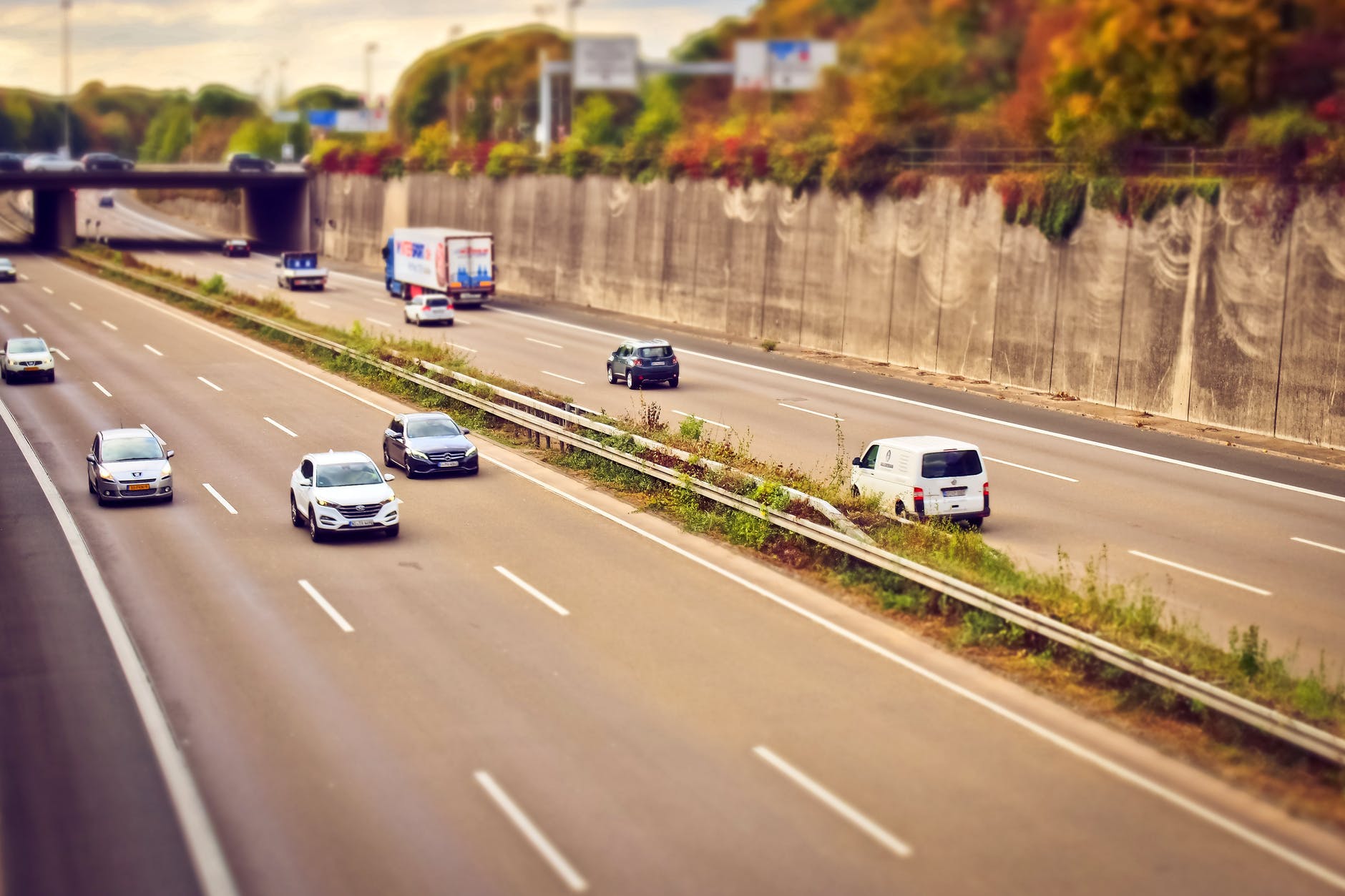
Fatalities on American roads increased quite a bit in 2021:

Photo by Artyom Kulakov on Pexels.com

Nearly 43,000 people were killed on U.S. roads last year, the highest number in 16 years as Americans returned to the roads after the coronavirus pandemic forced many to stay at home.

The 10.5% jump over 2020 numbers was the largest percentage increase since the National Highway Traffic Safety Administration began its fatality data collection system in 1975. Exacerbating the problem was a persistence of risky driving behaviors during the pandemic, such as speeding and less frequent use of seat belts, as people began to venture out more in 2021 for out-of-state and other road trips, analysts said.

Transportation Secretary Pete Buttigieg said America faces a crisis on its roads. The safety administration urged state and local governments, drivers and safety advocates to join in an effort to reverse the rising death trend…

Buttigieg pointed to a national strategy unveiled earlier this year aimed at reversing the trend. He said earlier that over the next two years his department will provide federal guidance as well as billions in grants under President Joe Biden’s new infrastructure law to spur states and localities to lower speed limits and embrace safer road design such as dedicated bike and bus lanes, better lighting and crosswalks. The strategy also urges the use of speed cameras, which the department says could provide more equitable enforcement than police traffic stops.

Americans like driving and all that comes with driving. Because of this, Americans generally accept the risks of driving. While people may have fears of airplanes crashing or being hit by lightning or other improbable occurrences, the regularity of vehicle accidents does not seem to bother many.

Would a big jump in roadway fatalities catch people’s attention in a way that a typical year-to-year change would not? That this jump is tied to COVID-19 is also an interesting twist; driving might be more dangerous during and after a deadly pandemic. Also in the article, officials note the difficulty of quickly reducing roadway deaths. When do such deaths become an acknowledged crisis or a serious social problem?

Suburban voters lead the way in determining the 2022 midterm elections

Which group leads off an analysis of key voters in the 2020 midterms? Suburban voters:

Photo by Edmond Dantu00e8s on Pexels.com

During the Trump years, many suburban voters, especially women, shifted toward the Democrats. A primary reason was the revulsion many of them felt toward President Donald Trump.

Democrats hoped that shift signaled a more permanent alignment, and it’s true that some college-educated White women became a key part of the Democratic constituency. But what happened in the 2021 Virginia gubernatorial race raised doubts about their reliability as Democrats. Then-candidate and now-Gov. Glenn Youngkin was able to move the suburban vote back in the Republicans’ direction

Democratic pollster Celinda Lake agreed that her party’s candidates cannot take suburban women for granted in November. “Women elected Biden for stability and in reaction to Trump,” she said. “They really rejected his style of leadership. But we had one woman say in a focus group, ‘I just want to get off this roller coaster.’ ” Under Biden so far, she added, “They’re getting no help in doing that.”…

“Suburban women have moved so far the opposite direction, we’re not going to get all of them back right away. But if we can at least win back a good amount of the suburban men that we lost and some of the suburban women, that’s a formula for us to win in pretty much every state that we need to win in,” said a Senate GOP strategist, who spoke on the condition of anonymity so they could speak openly about the races they are working on.

The bottom line is that any notable move by suburban voters in the direction of the Republicans this fall will prove costly to Democratic hopes of holding down their losses. But a Supreme Court decision overturning Roe v. Wade could counter GOP efforts to woo suburban women.

Suburban voters continue to be important in multiple ways:

-They matter in important swing states where both parties would like to win. Think Virginia, Pennsylvania, Ohio, Michigan, Arizona, Florida, and other locations.

-Compared to urban and rural voters, the perception is that more suburbanites are open to switching their votes or are more moderate. Thus, campaign pitches will be aimed toward them with the goal of swaying them to a particular side (maybe just for one election).

-The analysis above suggests there is a divide between suburban men and women and the issues that they care about. Will there be unified messages to suburban voters or will the campaigns clearly differentiate between male and female voters?

-Suburban voters can be reached in particular ways. Will there be big social media campaigns? An endless stream of materials in the mail and through text messages (what I have experienced in recent months in the suburbs)?

To paraphrase a famous slogan, this could be one rallying cry: “suburban voters of the United States, unite!”

Capturing life in a two minute window for social media – or for research

The increasingly popular social media platform BeReal gives users a two minute window in which to post each day:

Photo by Hannah Nelson on Pexels.com

Founded in January 2020, BeReal is advertised as “an authentic, spontaneous, and candid social network.” It’s an app that sends all users a notification at a seemingly random time in the day and gives them two minutes to post a photo from their front- and back-facing cameras, capturing the scene around them right at that moment. Users can always post late—though the app will then tell on them—but they can’t see what their friends have posted until they do.

BeReal co-founder Alexis Barreyat’s professed goal in creating the app was to foster “genuine” interactions online, the company said in marketing materials, “in response to a feeling that current social apps are doing everything else but connecting us with our friends and family.” But the real conceit here is that most of the time, you’re probably doing something incredibly mundane like studying or running errands, so the app deglamorizes our lives as seen on Instagram.

Without getting into whether it is possible long-term to have a social media platform that operates this way, I had another thought when reading this description: this sounds like a research protocol. Researchers are examining a particular topic, they ask participants to download an app, and at a random time each day the participant is asked some questions. Indeed, I have read about a research project that did something very similar. And it led to good data and published work.

In general, I am in favor of methods that help us better get at what people do as part of normal life or when they are alone. It is one thing to ask people to report on these times or to observe people doing these things. It is another to stop them briefly in the moment to report what they are doing and/or experiencing.

Researchers would need a lot of participants to collect meaningful data. Or, perhaps they would check in randomly multiple times a day. Imagine an research aggregator app that would allow people to respond quickly to multiple projects daily. However this ends up working, I suspect pushing the research closer to what people are doing in the moment could only help us get at what happens moment to moment in life.