Some hints about the effectiveness of relocation incentives offered by American communities

A number of American communities are offering monetary incentives to bring in residents and workers. Do the incentives work? Here are some recent clues:

Photo by Alexander Mils on Pexels.com

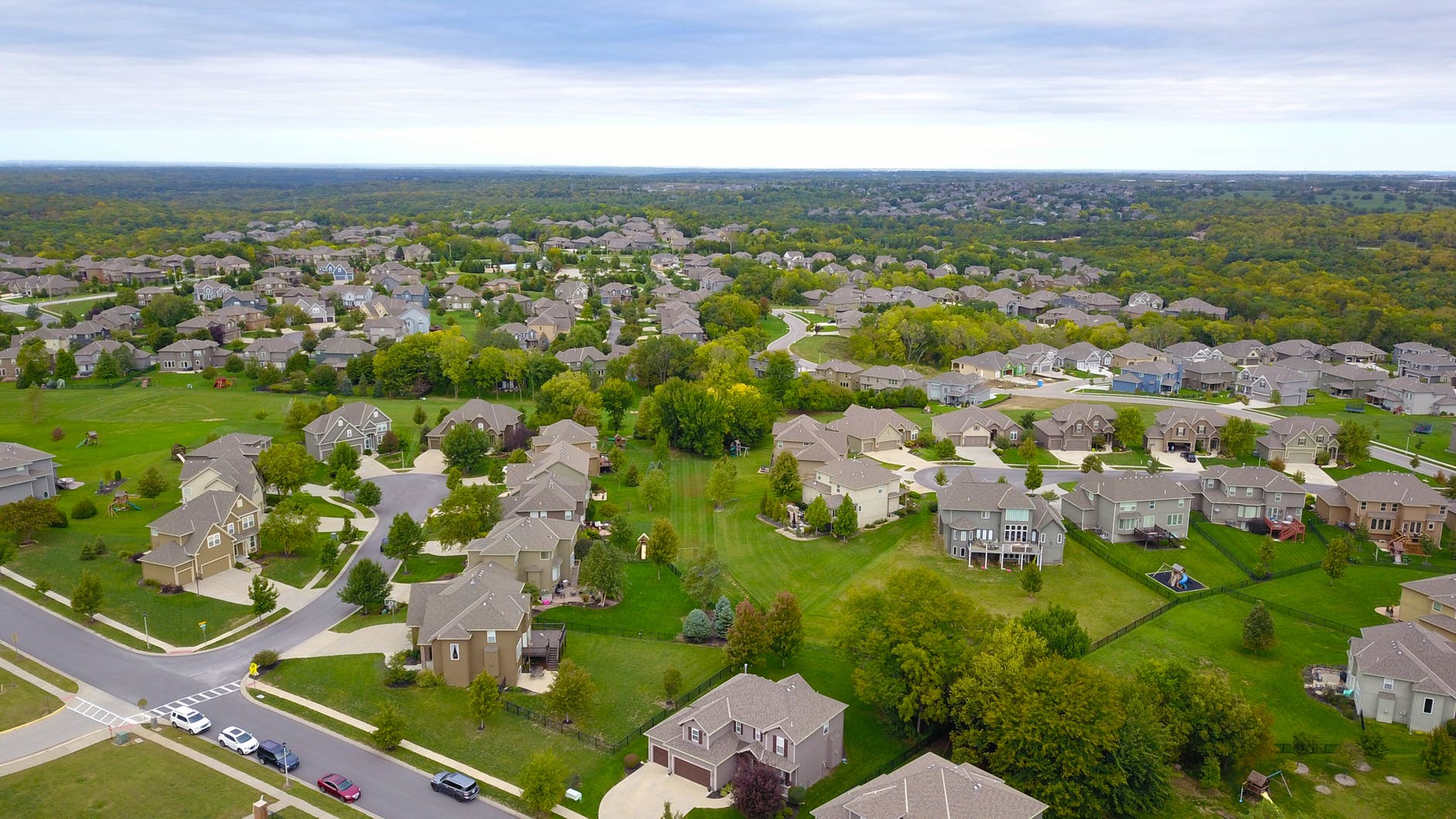
Fifty-three communities in 24 states and Puerto Rico are trying to lure new residents by offering cash, covering moving costs or providing other incentives, according to makemymove.com, an online directory of such programs. They largely seek remote workers from expensive coastal areas. Though the idea started before the pandemic, COVID-19 fed the movement by quintupling the number of remote workers and dampening some of the conviviality millennials sought in big cities.

So far, many areas have failed to bring in significant numbers of remote workers despite offering incentives. Most don’t have the staff and money backing the Tulsa Remote program, which is funded by the George Kaiser Family Foundation.

Even so, smaller areas have found advantages in remote worker programs. Natchez, Mississippi, a river town north of New Orleans where the population has been declining for decades, saw home sales double to 700 in the past year, even though only 12 people have used a $6,000 incentive for remote workers, said Chandler Russ, executive director of Natchez, Inc. Economic Development, which operates the Shift South remote worker incentive plan…

Tulsa’s program is often cited as a rare success story. It moved 100 people in its first year, 2019, and despite the pandemic it projects another 950 moves this year. Along with cash incentives up to $10,000 for living in Tulsa at least a year, the program offers a free trip to check out the area and intensive social networking in person and online…

A new study by the Economic Innovation Group, a Washington, D.C.-based research organization, found the new workers created almost $14 in new local labor income — a measure of earnings by employees and business owners — for every dollar spent on relocating workers, adding $62 million in earnings by the workers themselves and the jobs created to support them in 2021.

It sounds like more data and time is needed to figure out whether the incentives lead to increased populations and, if they do, how and/or at what cost or benefit.

But, I could imagine many communities and their leaders would be interested in offering such incentives even if the data suggests they do not do much. Why? It is an actionable step that sounds like it should work. The community can lead with the incentive in their marketing. If people or businesses are looking to move, wouldn’t an incentive help encourage a particular decision? At the least, such an effort would get the name of the community out in front of the public or other interested parties.

Some of the other tidbits from the article cited above are interesting. Incentives could target particular kinds of residents or businesses. Increased housing costs could make an incentive worth very little. Could we imagine a future where potential residents negotiate with several communities in order to get a better deal? Just as businesses negotiate for tax breaks and communities compete with each other, why not residents?

Sears in decline leads to another large available suburban office campus

Sears recently closed its last department store in Illinois and just announced that their large suburban campus will soon be up for sale:

Photo by Hugo Magalhaes on Pexels.com

The Hoffman Estates campus features a 2.3 million-square-foot corporate office and 273 acres, including 100 acres of undeveloped land. It was home to more than 4,000 Sears employees as recently as 2017, according to company filings…

When Sears Tower opened in 1973, it was the world’s tallest building, a fitting corporate home for the nation’s largest retailer. Sears left its namesake home in 1992, moving its corporate headquarters to Hoffman Estates and selling the tower two years later. In 2009, the name of the building was changed to Willis Tower as part of the deal for the London-based insurance firm to lease office space there.

Sears is not the only corporate mainstay to pull up stakes recently and put its suburban campus on the market.

Last month, insurance giant Allstate reached an agreement to sell its longtime headquarters in unincorporated Northbrook for $232 million to an industrial developer that plans to turn the 232-acre corporate campus into a massive logistics facility.

And what will happen to these properties? There are multiple options including:

  1. Staying as office or corporate space. Could there be another company or organization who would want this property? A suburb can spend a long time looking for a comparable replacement.
  2. Redevelop the land as a mixed-use development. See “The Metroburb” not too far way created from a former Bell Labs facility. This is a trendy approach that mixes commercial or office uses with residences.
  3. Convert the property to housing. There is demand for new housing in attractive suburbs and large tracts of land do not come open often.

Making this choice will require negotiation and conversation between the parent company of Sears, potential buyers, municipal leaders, residents, and others (which could include regional officials and actors in the real estate world). The whole process could take years and the outcome might retain some hint of the Sears headquarters or it might not.

Choices: lose out to Walmart and Amazon or adopt partnerships with tech companies to stay alive

The many corner stores around the world may be facing a choice about how to survive in the coming years:

Photo by Idriss Meliani on Pexels.com

One risk is that the infusion of tech money winds up making these independent businesses look and feel a lot more like chains. “The more you become digital, the more connected you are to the internet,” Lehr said. “The more connected you are to global trends, the more pressure you feel to do certain things.” The Indian start-up Jumbotail allows shopkeepers the opportunity to open one of the company’s branded J24 convenience stores, and S. Karthik Venkateswaran, Jumbotail’s co-founder and CEO, told me he envisions a world where consumers pass four different J24 stores throughout the course of their day. “Ubiquity is extremely important to us,” he said, but added that owners can still customize many aspects of their operations. “Every single store is different.”

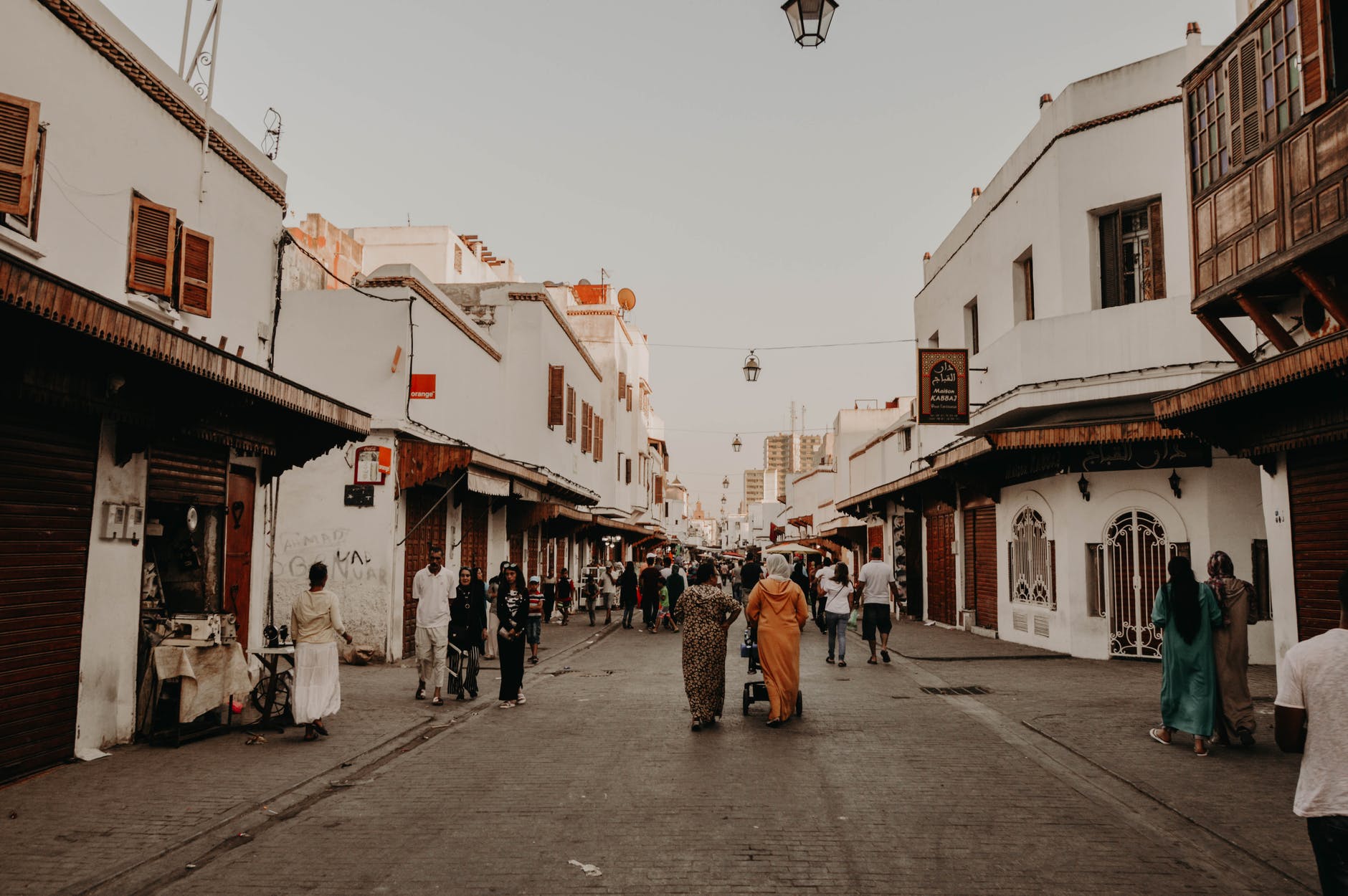
But the other possibility is that by partnering with tech companies, these mom-and-pop shops might avoid the fate of getting squashed by giants like Walmart and Amazon, which can afford to sell the same goods at lower prices. To a certain degree, that’s already happened in the U.S., where Americans have been lured away from small businesses by the conveniences of Amazon Prime. “We would love to have Morocco and developing countries have a different fate,” Belkhayat said.

In the global South, millions of these beloved stores could one day end up part of a new digital economy that looks distinctly different from that of the West. Instead of transitioning to big-box retailers, communities will continue relying on the same shops they have for generations, but they’ll have evolved into futuristic outposts that double as tiny warehouses, banks, and grocery-delivery hubs. At least for now, the global tech industry has landed on the oldest trick in the book: If you can’t beat ’em, join ’em.

This choice – either partner with the big retailers or with the tech, finance, and other industries – is an interesting one. It certainly speaks to globalization in multiple ways. In terms of goods, these corner stores sell numerous important items and can provide key hubs for goods or services within a community. As those on the global scene look for ways to invest and make money, the corner store might be a goldmine. And the reach of products and finance and tech around the globe speaks to the numerous connections between people, organizations, businesses, and more. Then, each individual store might have the opportunity to stand out within its particular setting and because of the proprietor even as it slots into a global system.

I would also be interested to hear more about corner stores as local community institutions. In a private society like the United States, there are limited public spaces and shops are not always local or inviting. While a store involves private business transactions, it may also be a regular place for people to interact or utilize important services. If it provides local banking functions, this might involve might private individuals and communal activity.

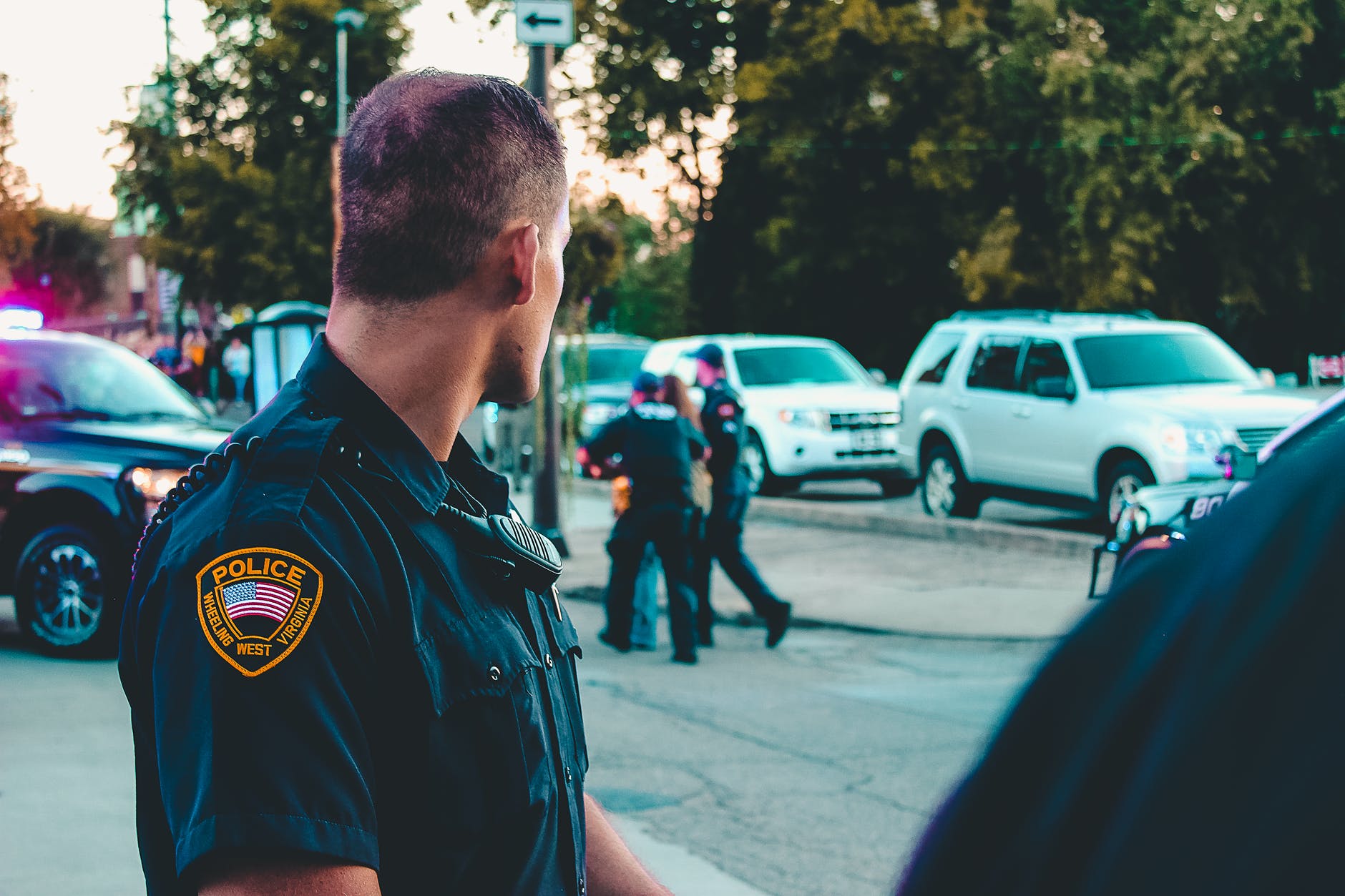
Americans love driving and this impacted the work of police

A country built around driving leads to profound effects on what police do:

Photo by Rosemary Ketchum on Pexels.com

It is not an exaggeration to say that police power in the United States is built around the unique conditions created by car culture, in which virtually everyone is breaking the law all the time—with occasionally severe consequences. In her book Policing the Open Road, the legal scholar Sarah Seo points out that mass car ownership prompted a wholesale reinterpretation of the Fourth Amendment, which protects us against search and seizure. Or it did, until we all started driving everywhere.

Police often abuse this authority to perform “pretextual stops” hoping to find guns or drugs, knowing that trivial traffic violations give them the power to search citizens at will. Officers have at times undertaken this constitutional sleight of hand with explicit federal endorsement, deputized as foot soldiers in the war on drugs. In one of the most notorious examples, police in Arizona used traffic stops to enforce federal immigration law.

For Black drivers, pretextual traffic stops—per Jay-Z, “doing 55 in a 54”—are a routine occurrence and the foremost symbol of racial profiling in this country. For many police departments, these violations are used to fill government coffers and prompt devastating cycles of fines, debt, suspended driver’s licenses, and jail time. Black drivers are 20 percent more likely to be stopped, according to a study last year, and almost twice as likely to be searched.

While the article is about speeding, there are numerous additional areas where police work intersects with driving: stops for all sorts of reasons (as noted above), dealing with crashes or road conditions, escorting important people, and police driving the same roads as everyone else in order to address an issue at a particular location.

In many parts of the United States, it would be hard to imagine police without a vehicle or not interacting with vehicles regularly. Even the community policing idea where police spend lots of time in the same community and at the pedestrian level may still require using a vehicle to travel back and forth or to address particular issues they encounter. The sight of police on foot, horse, or bicycle in certain settings may be unusual to many who are used to the cars and flashing lights.

The same kind of methods proposed to limit traffic fatalities (also discussed in this article) or to promote the use of other modes of transportation could also have the effect of reducing the need for police to patrol or drive on roadways. But, reducing the American dependence on or love for driving is a sizable task.

The role of religious buildings in the decline in religiosity in the US during COVID-19

New data from Pew Research suggests religiosity declined during COVID-19:

Photo by Nikko Tan on Pexels.com

The percentage of Americans who identify as Christians now stands at 63%, down from 65% in 2019 and from 78% in 2007. Meanwhile, 29% of Americans now identify as having no religion, up from 26% in 2019 and 16% in 2007, when Pew began tracking religious identity.

Many places of worship closed during the pandemic—some voluntarily, others as a result of state and local social-distancing rules—and in-person church attendance is roughly 30% to 50% lower than it was before the pandemic, estimates Barna Group, a research firm that studies faith in the U.S. Millions of Americans moved to worshiping online, and questions linger about how many will come back in person.

A previous Pew survey, in January, found that a third of Americans said their faith had grown stronger during the pandemic—the highest share of any developed country. But overall, religious engagement trended downward at roughly the same rate as before the pandemic, according to the new Pew survey.

These findings are likely part of a longer trend away from religion that was already underway before COVID-19 hit. Sociologists and others have noted the rise of “religious nones,” particularly among younger Americans. Religion in the United States can often be individualistic and anchored less in religious traditions or denominations.

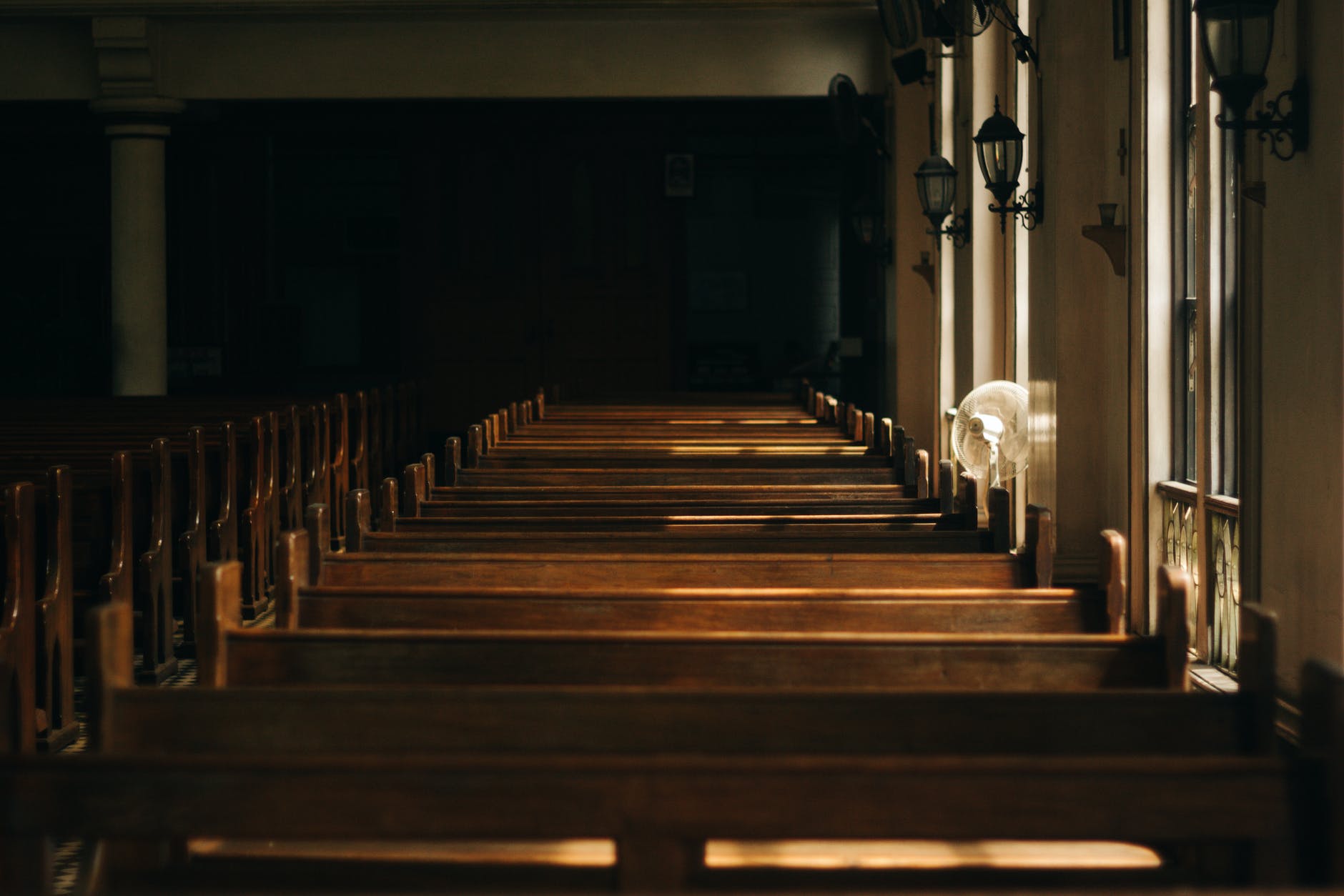
Yet, I wonder if COVID-19 presented a unique disruption to religiosity as it limited interaction with religious buildings. Sociologist Robert Brenneman and I discuss the impact of religious buildings on worship and community in Building Faith. We argue that the religious building and the ways that exterior and interior features are designed influence people who interact with them. The buildings do not just reflect religious values or doctrine; they help shape religious experiences.

When COVID-19 stopped people from being in buildings that influenced their faith, did this register as a loss and/or lead to a decline in religious engagement? With today’s technology and the ways that many congregations pivoted to online options, people can still engage with faith communities. Yet, that experience through Zoom or other video options is not the same as being in a physical structure that reinforces faith experiences. Even in congregations that tend to downplay the role of space, they still try to shape the religious building space in ways that encourages particular emotions and experiences.

Can religious faith in the United States survive as an enterprise free from the confines of a religious building? I have my doubts. While buildings themselves are unlikely to reverse the decline in religiosity in the last decade or so, they have a role in shaping communal and individual faith.

Discovering the “unaccounted” time at work and then designing work spaces around that

I have considered the design of offices and work places before (here and here as two examples) but have not seen this particular issue described: when researchers found that workers had “unaccounted” time in the office, this led to changing the workplace and new problems.

Photo by Cadeau Maestro on Pexels.com

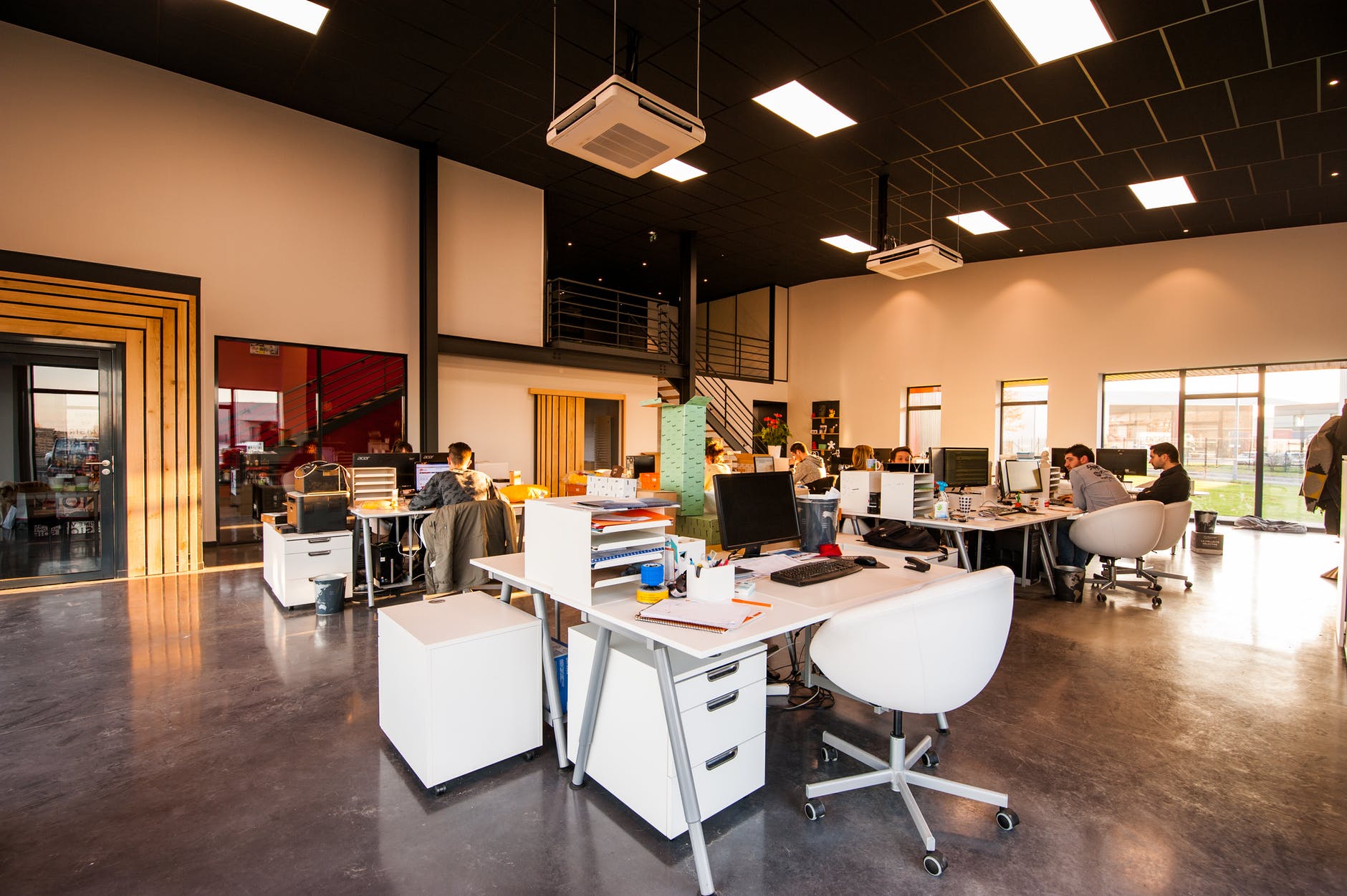
Wilkinson, who designed Google’s 500,000-square-foot Googleplex campus in Mountain View, California, says he had his first epiphany about the office in 1995. While reviewing old studies and surveys about worker habits, he came upon a study that measured how office workers spent their time between 9 am and 5 pm. He was immediately struck by just how much “unaccounted” time workers were spending away from their desks—that is, not in meetings or any other explicit work function. But Wilkinson found it hard to believe that all of these workers were taking multi-hour bathroom breaks or simply leaving the office together. They were still in the office; they were just hanging out in hallways, chatting in foyers, clustering around someone else’s desk as the occupant tells a story.

“It blew my mind,” he told us. “And it made our team realize that the planning of the office was fundamentally flawed.” His realization was straightforward: Office design had long revolved around the placement of desks and offices, with the spaces in between those areas treated as corridors and aisles. But that “overemphasis on the desk,” as Wilkinson recalled, “had worked to the detriment of working life, trapping us in this rigid formality.”

And so he set out to liberate it, shifting the focus of his designs to work that took place away from the desk. In practice, this meant designing bleachers and nooks in places that were once poorly lit corridors, and spacing out desk clusters to incentivize more movement among teams. A kinetic office environment, the idea went, could increase spontaneous encounters, which would then spark creativity. The design also allowed for private areas—many with comfy couches and plush ottomans to replicate a family room feel—to do deep work, away from the noisy bullpen of desks.

This led to tech campuses like that of Facebook, Apple, and Google. What could go wrong?

The danger Wilkinson is describing is, of course, exactly what happened. The new campus design had a profound impact on company culture. Some of that impact was undeniably positive: He created work spaces where people genuinely want to be. But that desire becomes a gravitational pull, tethering the worker to the office for longer and longer, and warping previous perceptions of social norms.

Two thoughts strike me from reading this book excerpt:

  1. The idea of “unaccounted” time. How much of human daily activity is not directly related to productivity or a particular task? How much of that unaccounted time has long-term benefits such as stronger relationships and closer community? Part of the full human experience is having unaccounted time. On the other hand, it is not a surprise that if that unaccounted time occurred on company time, corporations and organizations would want to maximize it. (See this recent post about time, space, and calendars pushed into predictable patterns.)
  2. Humans have the ability to shape buildings and other physical settings to encourage particular behaviors. Offices are not just empty receptacles into which workers are placed willy-nilly. Religious buildings shape worship and communal experiences. Land use policies encourage more private spaces or more public spaces and these choices have consequences. This is simply part of our daily lives where we shape and are shaped by the spaces we are in.

Who should be able to live on or near the coast?

A new federal government flood insurance plan highlights an ongoing question: should living near the ocean coast be available to many?

Photo by Daniel Jurin on Pexels.com

At the center of the fight are the questions of who gets to live by the water, and who should shoulder the burden of costs that rise with the sea level. The estimated 13 million people who reside in the officially designated floodplain are divided between those who can buy pricey waterfront homes and those consigned to live in less desirable, low-lying areas because that’s all they can afford. Some of the people hardest-hit by major recent storms have been vulnerable communities in New Orleans; Port Arthur, Texas, outside Houston; and poor neighborhoods in the farthest reaches of New York City. The updated flood-insurance system is designed to help those populations, but in coastal communities across the country, uncertainty about the new prices is spreading fear that however well intentioned, the administration’s policy will exacerbate the inequality of beachfront living, pushing out homeowners most sensitive to climbing insurance rates.

Real estate is famously about location, location, location with recent examples – COVID-19 migration and opportunities in the metaverse – illustrating this maxim. The coast may be one of the most desirable locations as there is only so much of it and people like the views and access to the water and beaches. Even though not all coastal properties are really expensive, such land near big cities and destinations can be very pricey with high demand.

Even as the insurance program is updated, perhaps the real long term question is just how many people should be able to live on the coast at all given climate change, environmental concerns including erosion and habitat degradation, and an interest in keeping shoreline available for public use. Is there any chance more coastline in popular areas is protected fifty or one hundred years from now or are the market pressures just too strong?

Numbers that highlight the scope of local governments in the United States

Some of my published work involves examining the actions of local governments. Thus, I was interested to read some published numbers about the size of local government:

Photo by Charles Parker on Pexels.com

The United States has nearly 90,000 local governments, with hundreds of thousands of elected officials. Indeed, the vast majority of elected officials serve at the local level. Moreover, local governments employ over ten million workers and collect nearly a quarter of the nation’s total tax revenues (Trounstine 2009, 2010).

(Warshaw, 2019, “Local Elections and Representation in the United States”)

Americans tend to like local government as it reduces the distance between voter and representative and can also address local interests more directly. But, put all of those local government units together – and they are not evenly spread out depending on location, Illinois has more, and population – and many people and lots of resources are involved. Additionally, the interaction between local government and other layers and levels of government also requires a lot.

The importance and consequences of separating single-family homes from other land uses in the United States

A foundational idea in American life is that single-family homes should be located near other single-family homes and away from other land uses, including denser residential units. While this might sometimes be sidelined to the more areas of planning and zoning, I would argue this is much bigger than just allocating physical space: it interacts with significant social, political, and cultural forces and has sizable effects on daily life. I will first describe how we got here before highlighting two examples I saw this week and then noting several important outcomes.

Photo by David McBee on Pexels.com

From at least the mid-1800s, Americans developed ideas about having separate single-family homes among nature. Scholar John Archer examines the idea of “the cottage in the woods” from its roots in English villa houses and into a rapidly urbanizing American landscape. As cities and then suburbs developed, the single-family home became a hallmark of suburban communities where residents had escaped hectic and dangerous urban life. As zoning developed in the early 1900s, it evolved to protect single-family homes from other nearby land uses that might threaten it. Many American leaders and organizations promoted homeownership. Suburban communities and residential neighborhoods became refuges for whiter and wealthier residents who then worked to keep others out. This all helped contribute to residential pockets separate from other land uses and protected by local zoning and land use policies.

This historical legacy and ongoing reality plays out consistently in certain areas. Two examples I ran across in just the last few days:

  1. Affordable housing in the suburbs. Can denser housing that is cheaper be anywhere near single-family homes? This particular project in the Chicago suburbs drew typical complains from nearby homeowners; noise, traffic, change in character for the neighborhood. The developer came back with changes to try to fit in better with the nearby homes but there are still concerns. This makes sense given the American logic of homes and space but this logic is not organic or inherent to the housing itself; it is created.
  2. Why do apartments have to be located on busier streets in American communities? This may have negative effects on the apartment residents and serves to maintain the distance between denser housing and single-family homes. Again, this makes sense given the established American logic but it is possible – and indeed done elsewhere – that you can have quieter residential streets lined with apartments.

Why does this all matter? This separation of housing serves to continue race/ethnicity and class divides, contributing to residential segregation. This changes social patterns as people in different neighborhoods may be less likely to interact, utilize the same civic (such as schools) and private services, and engage politically. Ultimately, it can both shape and be shaped cleavages in society. Location helps determine life chances and Americans start with the premise that homes should be separate.

Celebrities as symbols for different social and political positions

There is a new cultural history of Johnny Cash out this week and I quickly read several reviews. Reading this review, it struck me that one of the important roles celebrities play in American society is they become symbols for particular causes, positions, and groups. But, what exactly they stand for or represent might be hard to pin down as Johnny Cash exemplified:

Photo by Brett Sayles on Pexels.com

In a sense, the paradox lives to see yet another day in Citizen Cash: The Political Life and Times of Johnny Cash, which sets Cash’s contrariness in a new light. Cash, the cultural historian Michael Stewart Foley argues, was not just a country-music icon, but a rare kind of political figure. He was seldom a partisan in any traditional sense, and unlike Woody Guthrie and Pete Seeger, he rarely aligned his music with a progressive agenda. Nonetheless, “Cash, without really intending it, fashioned a new model of public citizenship, based on a politics of empathy.”…

Some readers may walk away convinced that Cash was a Whitmanesque giant, containing multitudes. I often found myself wondering if he wasn’t a two-faced equivocator. The book is a welcome corrective to the tendency to treat the man as so internally contrary as to be a complete enigma. But the cost of rescuing Cash from the metaphysical fog has been to turn him into a plaster saint. Neither does justice to the actual extent of his weirdness…

Drawing on his own experience, Cash might have broken up the central falsity of the archipelago of glass and steel known as the New South: its equation of whiteness with self-sufficiency and Blackness with dependency. What did he do instead? He smiled grimly and talked out of both sides of his mouth. When Nixon asked Cash to play the White House, he accepted the invite, but politely refused the White House’s request to cover “Welfare Cadillac,” a racist novelty song…

Thanks in no small part to Rubin, Cash has been a blue-state hero ever since. Citizen Cash pulls, in a salutary way, a reverse Rubin and reminds us that the hipster-acceptable Cash, who hung with Bono and premiered his American Recordings songs at the Viper Room on the Sunset Strip, represents less than half the man. But Foley amasses exactly the right facts, only to draw exactly the wrong conclusion.

Who was Johnny Cash? There are multiple ways to approach this but since he was a celebrity, a well-known figure for decades, it may not matter who he really was but rather what the larger public made him to be and continues to make him to be. The celebrities have agency and can make particular decisions but to be famous or well-known means that narrative might be out of their hands. Any new commentary or writing about Cash contributes to an ongoing narrative that could continue to change.

More broadly, celebrities can become representations of particular points of view or experiences. Whether in music, sports, entertainment, politics, or other arenas, the celebrities can have individual experiences – and this is part of why they are intriguing to the celebrity industry and the public as they follow their latest moves – but they also connect to larger patterns of interest in society. Where do celebrities fall in terms of COVID-19 and vaccines? Which celebrities align with which political parties and candidates? What do they think about the latest hot topic?

This often means that celebrities become part of ongoing political and cultural struggles because they represent something. They become proxy figures for larger societal questions. Who was Johnny Cash? We are still figuring that out and the social forces and conditions around the conversation influence our answer to this question.