What redevelopment will suburbs pursue with COVID-19 induced vacancies?

The COVID-19 pandemic is accelerating a number of trends already troubling many communities: struggling brick-and-mortar retailers, filling vacant office and commercial properties, and budget uncertainties. What might this lead to as suburbs consider redevelopment? A few possible directions.

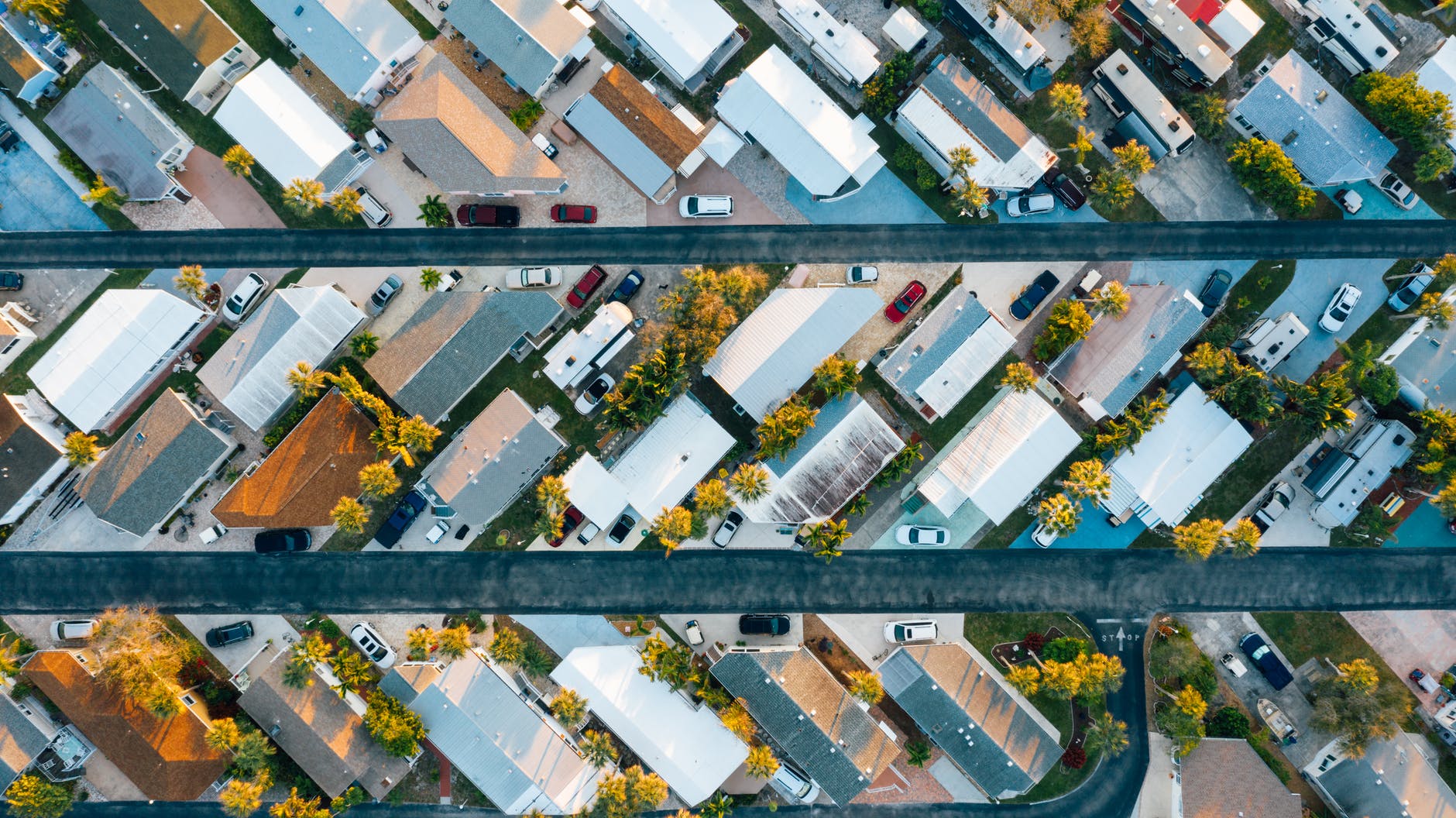
Photo by Pixabay on Pexels.com
  1. Desirable suburban communities – those with wealthier residents, more white-collar and professional workers, higher quality of life, and stronger economic bases – will do better at attracting and following through on redevelopment.
  2. The “easiest” answer in many suburbs might be to redevelop office or commercial properties for residential units. Given the needs for affordable housing or cheaper housing in many metropolitan areas, many suburbs could fill residential units. They may not want to for several reasons: residences do not bring in sales tax money and services are different for residences, including having more students in local schools. Plus, “affordable housing” implies certain things about the residents and the units that might not be palatable to some communities. But, if the primary goal is to put property to use, this might be the way to go.
  3. Mixed-use redevelopment that combines residential and retail or office space will continue to be attractive. However, these opportunities might be limited to already-advantages suburbs or particular properties that have certain advantages (large enough to create a self-contained community, access to highways and other transportation options, etc.).
  4. Certain properties may just present particular problems. Three come to mind quickly: shopping malls, empty big box stores, and sizable office parks or campuses. A number of communities have tried to tackle each of these (as one example among many, see this shopping mall post here) but the size of the property and their particular configuration present problems. There may a glut of new kinds of suburban properties that present their own issues: restaurants (both sit-down and fast food), strip malls, and movie theaters. Again, the ways the space was initially configured for these specific uses can make it difficult to pursue retrofitting.
  5. Converting private spaces into more public spaces. Imagine the shopping mall to public skating rink or office campus to park. These may have very positive long-term benefits including spaces for civic engagement, leisure, and interaction with nature. Yet, given the state of municipal budgets with COVID-19, it might be very hard to find money to purchase or use what was once private property.

If there are numerous vacant properties in suburban areas post-COVID-19, this will present a challenge for communities. Are there enough uses for these properties? How willing are suburbs to convert land from one use to another as they consider the “best use” for the community?
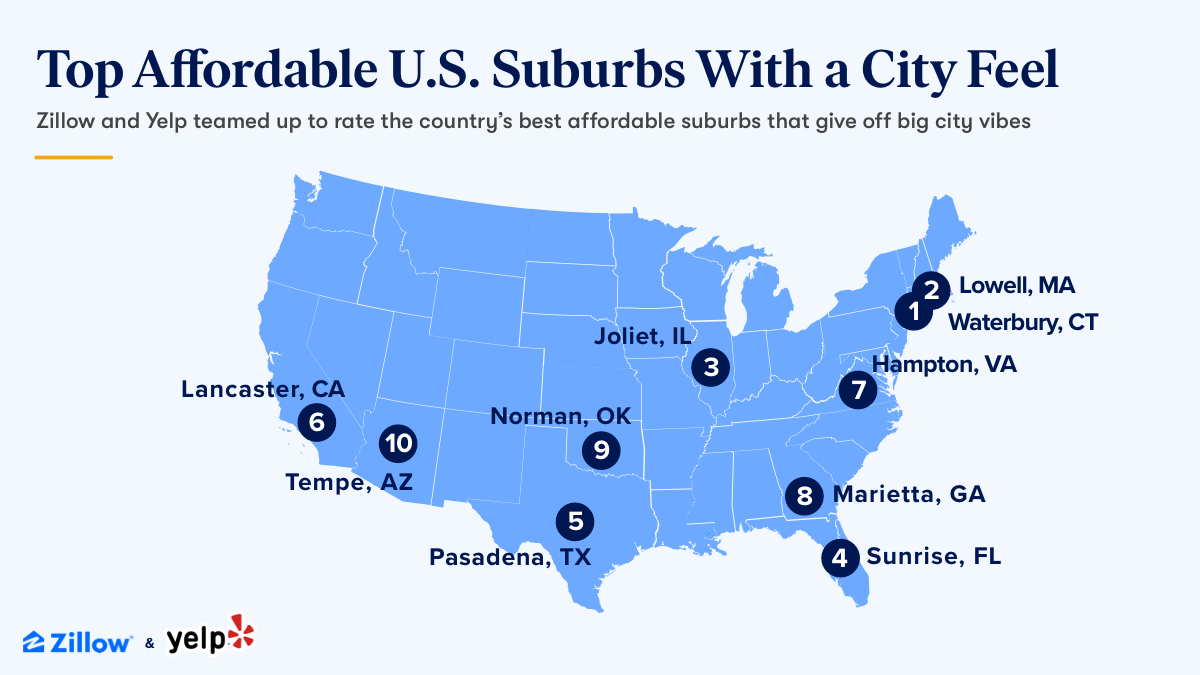
So you want to live in an affordable big city – that is a suburb

Looking to live a big suburb that is affordable? Zillow and Yelp have you covered:

https://www.zillow.com/research/zillow-yelp-suburbs-cities-2020-28058/

Increased opportunities to work remotely are pushing more Americans to rethink how and where they want to live. But even if there’s less of a need to live as close to urban job centers, traditional urban amenities — think restaurants, nightlife, museums and sports venues — remain a big draw and demand for city living remains high. As a result, many buyers may seek places that balance the space and affordability of the suburbs, while still maintaining that big-city feel.

A new “Cityness Index” created by Zillow and Yelp Inc. helps identify the U.S. suburbs that best strike that balance. Key metrics include housing affordability compared to the nearest big cities and to the country at large, housing availability, the mix and diversity of businesses — including restaurants, nightlife and the arts — and consumer reviews and check-ins…

There were four individual Yelp indicators evaluated for each suburb to determine its cityness.

1. A mix of businesses similar to major cities

2. A diversity of restaurant and nightlife businesses

3. A diversity of arts businesses

4. A high level of consumer activity

This is an interesting suburban niche to highlight: communities for those who do not want to live in a big city but want more affordable housing and want to have some urban amenities. Of course, people could find this in less affordable suburbs or suburbs near the big city or other suburbs that have these more urban amenities. Is there something inherently more appealing in being in one of these big suburbs?

The reason I ask is that many Americans equate suburbs with small town life. The appeal of suburbs for Americans involves features often associated with smaller communities including lots of single-family homes (as opposed to denser concentrations of residences) and local control. Big suburbs often have a lot of jobs and can be significant jobs centers within a region. Furthermore, they could offer a mix of more dense housing as well as single-family homes. But, these big suburbs are also close in size to legitimate small big cities including Providence, Rhode Island, Chattanooga, Tennessee, or Akron, Ohio.

Perhaps if you live in a large metropolitan area, it matters less if you live in a particular suburb and more if you live near your work and desirable amenities within a certain budget. If this is the case, perhaps living in a suburb of over 150,000 people does not matter much. It is still more suburban than the big city but you are not at the edges of sprawl and the price is right.

Addressing the many less-than-3-mile trips in suburban settings

One of the authors of a new book on retrofitting suburbs highlights the number of short trips in suburban settings:

Photo by Norma Mortenson on Pexels.com

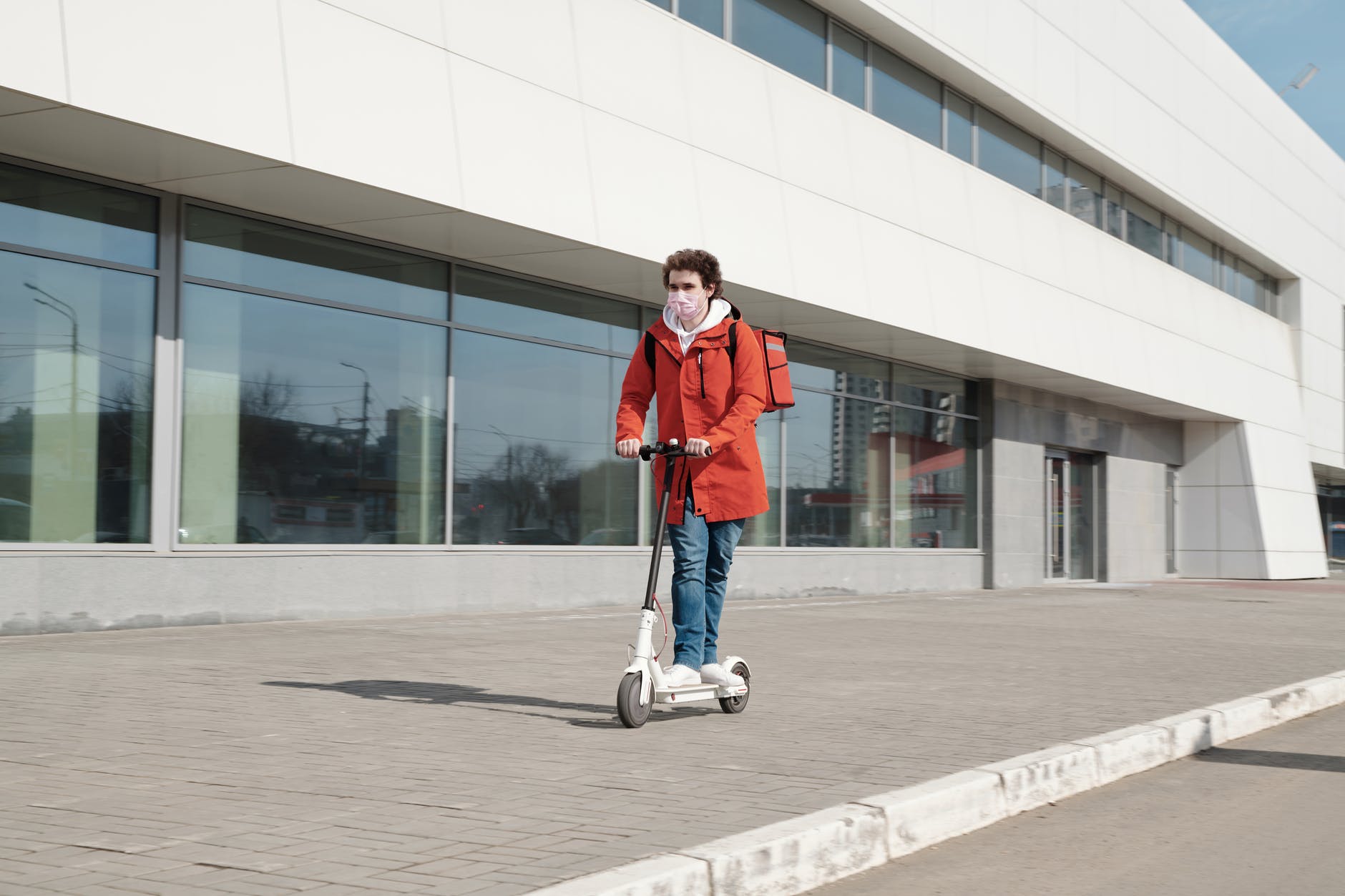
Right now, 46 percent of trips from predominantly single-family-home suburban neighborhoods are three miles or less. Which would be perfectly fine for a bike ride, a scooter ride, or a walk in many of those trips, if there was adequate infrastructure to make that a safe choice. That would have enormous impact.

This is a problem that New Urbanist designs hope to solve by placing necessary goods and services within a fifteen minute walk from residences. This means that housing is within slightly less than a mile from important destinations.

Even at this shorter distance, how many Americans would rather drive? Factor in different circumstances – weather, the purpose of the trip (buying groceries?), who is involved in the walk (a solitary pedestrian versus a family with small kids), and the American preference for driving in the suburbs – and this may just seem to be too far.

Stretching the radius from just less than a mile to three miles then is a significant change. A bicycle or scooter would certainly help. Local mass transit would help. But, this would require a lot of infrastructure. Helping pedestrians feel safe instead of unwanted guests alongside busy roads. Safer options for bicyclists. Denser land use. Planning that helps strategically place needed services and buildings where non-drivers can access them. A commitment to a slower-paced life where getting somewhere is part of the fun rather than an impediment to consumption.

It is maybe that last piece that I think may be the hardest to address. Retrofitting will be attractive in some places due to particular needs and dissatisfaction with sprawl. Indeed, “surban” settings will help some suburbs stand out from others. But, if it only happens in pieces across suburbia, it will be hard to address the bigger question: do Americans object to having their lives are designed around cars? They may not be happy with it but this is different than explicitly making individual or collective choices to try a different way of life. As of now, the American Dream still typically involves cars and vehicles and it may take a long time before alternative modes of transportation are viewed as desirable.

Is the definition of suburbs really in doubt or are the suburbs simply multi-dimensional?

One writer suggests the definition of suburbs is unclear because the federal government does not offer an official definition:

The term has practically been rendered a semantic argument. Some have a location-based definition: that it’s a smaller community on the outskirts of a larger city, while others define it visually, by cul-de-sacs upon cul-de-sacs of similarly developed homes. Both could be correct, since there’s no existing federal definition for suburbia.

Existing HUD definitions of American areas include “urban” and “rural,” but there is no such “suburban” category.

A 2013 Harvard University study found that there is “no consensus to what exactly constitutes a suburb.” It added that suburbs have been defined over the years by any number of metrics from physical proximity to cities, to modes of transportation, to general appearance…

The Census Bureau and HUD are currently working toward building out proper definitions and statistical areas based on 2020 census data. 

As a scholar who studies suburbs, I find this conversation a little odd. Here is why.

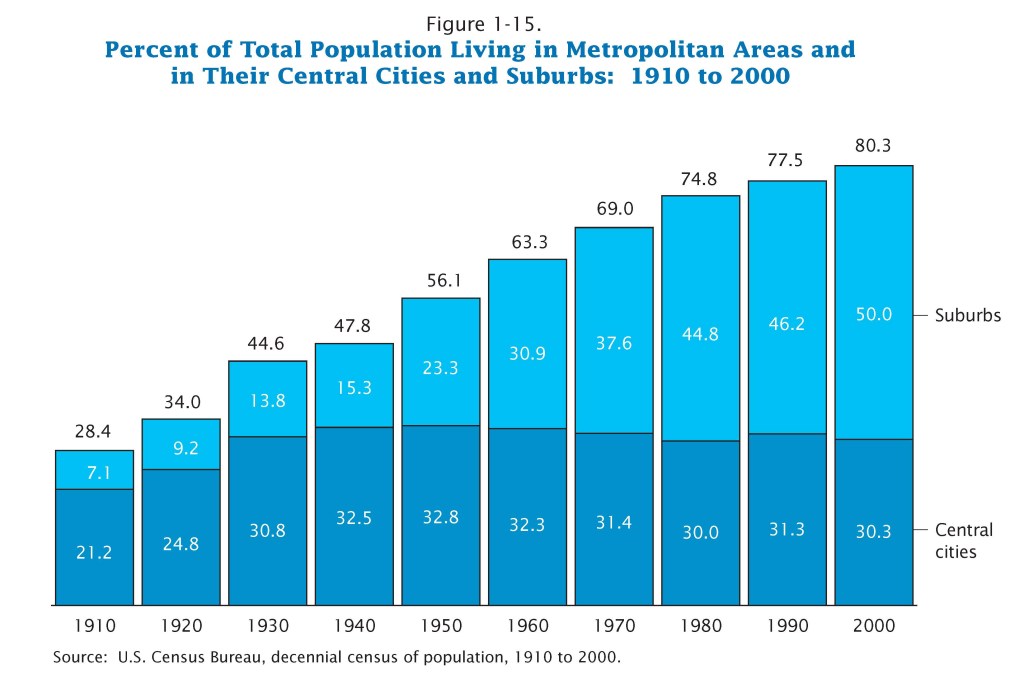
The Census Bureau has tracked the suburban population for decades. For example, the 2002 publication “Demographic Trends in the 20th Century” clearly shows the growth of suburban populations.

https://www.census.gov/prod/2002pubs/censr-4.pdf

As this table suggests, within metropolitan areas there are central cities and suburbs. The area outside central cities and with enough connections to the city and metropolitan region (as delineated by counties) counts toward the suburban population.

On the other hand, the definition of suburbs is multi-faceted and incorporates location relative to a big city and density. But, it also includes the feel and experience of an area. This is where the boundaries are more blurred; you could have neighborhoods in big cities that are full of single-family homes and lots of driving or pockets of more dense rural areas with connections to big cities. There are also a variety of suburban communities ranging from bedroom suburbs to industrial suburbs to ethnoburbs to working-class communities to edge cities and more. The kinds of suburbs might differ but there are common features of suburban life that Americans like.

Across the multiple measures noted in this story, they coalesce around a similar range of Americans living in the suburbs, whether the Census Bureau is measuring or people are self-reporting: roughly 50-55% of Americans live in suburbs.

Complex suburbia might be hard to fully encompass and it has changed over time. However, it hangs together enough to differentiate from big cities and rural areas. A new definition from the Census might help establish geographic and conceptual boundaries but these are always in flux as communities and metropolitan areas change.

From quaint suburban neighborhood to sprawl imposed on the land in ten minutes

A recent suburban drive showed me the variety in the built suburban landscape – all within ten minutes. Here is the first residential neighborhood I drove through, right near a downtown:

Tree-lined streets, older homes, walkable, pleasant sidewalks for pedestrians, a two lane road.

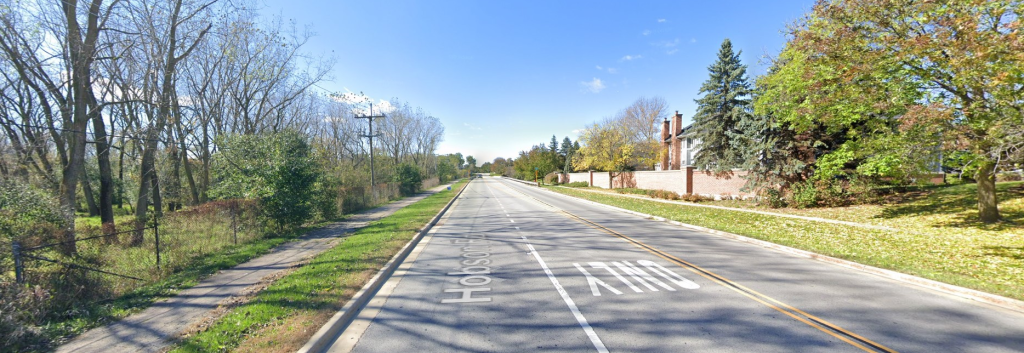
But, as I continued down this road, I soon found myself in a different suburban landscape:

Green space on one side, houses on the other side within subdivisions, fewer trees, a wider arterial road with a higher speed limit, power lines on one side.

The local context matters in this case: the first picture is near the downtown of a suburb where the land was first settled in the 1830s and the community was incorporated several decades later. In contrast, the second picture is land more in between suburbs where homes and subdivisions were constructed later. They are good illustrations of the different waves of suburban settlement as discussed by Dolores Hayden in Building Suburbia.

Though these are very different settings, they are now all grouped together as “suburbs.” They may even exist within the same suburban municipality; some suburbs are all sprawl, some are all denser areas, many have a combination of both. The interests of the homeowners in one setting may not match those in the other.

Population density as a factor in deciding suburban votes

An AP story highlights how “Democrats march deeper into suburbia” and discusses the role of density:

https://apnews.com/article/election-2020-virus-outbreak-phoenix-suburbs-health-care-reform-76dea954e5f5dc13b3ad65fd29ac678c

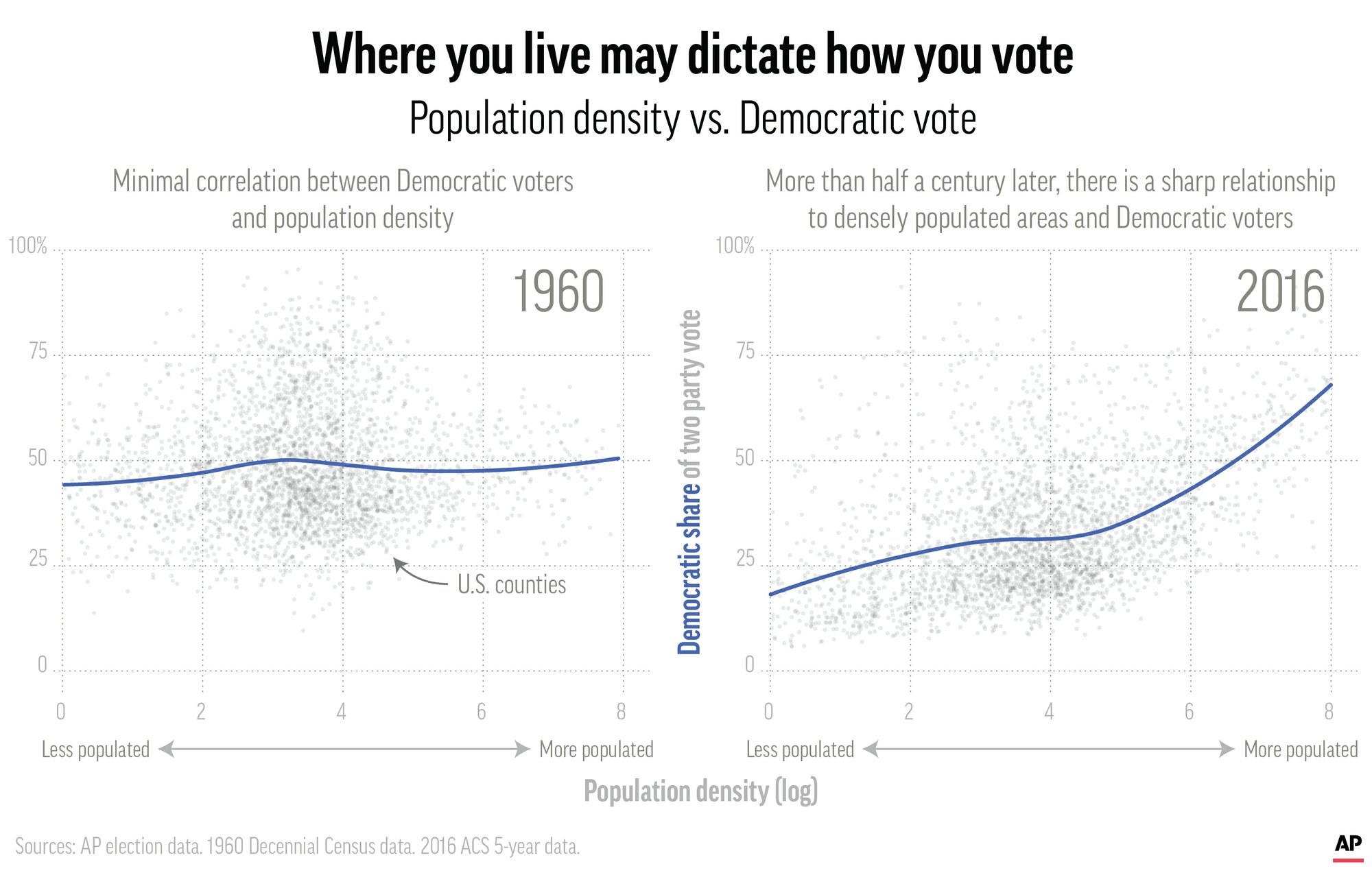
For decades, an area’s population per square mile has been a reliable indicator of its political tilt. Denser areas vote Democratic, less dense areas vote Republican. The correlation between density and voting has been getting stronger, as people began to sort themselves by ethnicity, education, personality, income and lifestyle.

The pattern is so reliable it can quantified, averaged and applied to most American cities. At around 800 households per square mile, the blue of Democratic areas starts to bleed into red Republican neighborhoods.

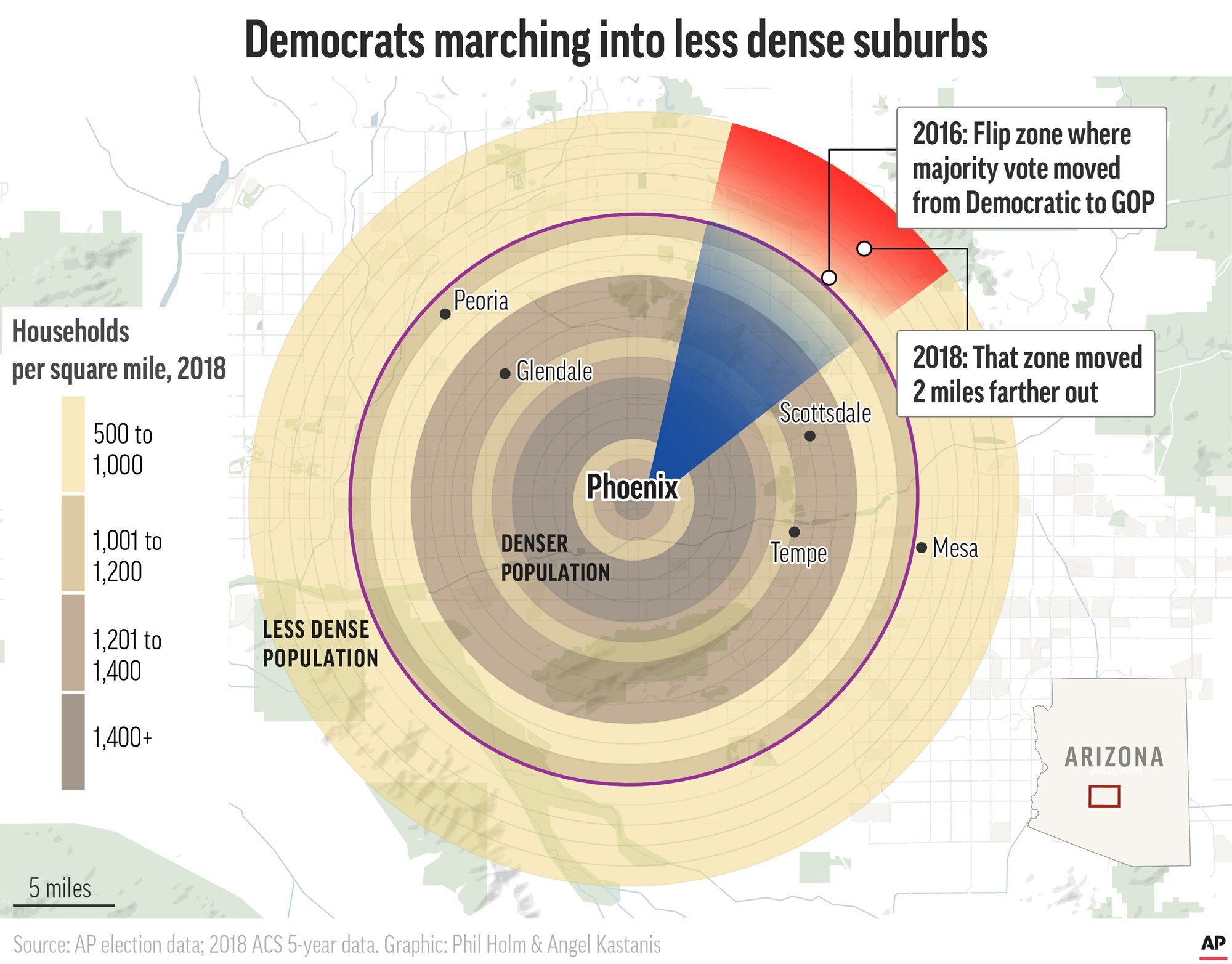
A purple ring — call it the flip zone — emerges through the suburbs…

In Dallas, the purple ring through the suburbs was 18.7 miles in 2016 out from city hall, at an average of 714 households per square mile. The border runs close to AT&T Stadium in Arlington, where the Dallas Cowboys play. Arlington is a so-called boomburb that morphed through new construction from a suburb to a city of 400,000.

A few thoughts on the potential role of density. First, an additional graphic (see below) works with the last paragraph cited above to draw concentric circles a city. This, however, suggests density is linear as one moves further out from the city. In general, this may be true but it would be interesting to see how pockets of higher density suburbs at different distances from the city affect these patterns.

https://apnews.com/article/election-2020-virus-outbreak-phoenix-suburbs-health-care-reform-76dea954e5f5dc13b3ad65fd29ac678c

Second, Is it density that predicts these outcomes or factors related to density? A third chart in the story looks at the population demographics at different densities and shows differences. Does the density come first or the population changes? The analysis here suggests a relationship or correlation but it is not clear whether this analysis accounts for other possible factors.

In the larger picture, what do Americans think about having these “flip zones” or middle suburbs be the current political battleground? For example, one current argument about getting rid of the electoral college suggests certain parts of the country should not a disproportionate sway over other more populous parts of the country. Right now, these middle suburbanites, particularly in swing states, have the influence and both parties want their votes. Are the interests of these suburban voters the interests of the entire country?

Comparing “five myths about the suburbs” in 2011 and 2020

The Washington Post has a new “five myths about the suburbs” that differs from its 2011 piece by the same name (though a different author). From my 2011 post, here is the older list:

Photo by Kelly Lacy on Pexels.com

1. Suburbs are white, middle-class enclaves…

2. Suburbs aren’t cool…

3. Suburbs are a product of the free market…

4. Suburbs are politically conservative…

5. Suburbanites don’t care about the environment…

From the 2020 list:

Suburbs are less dense than cities…

All suburbanites own detached houses…

Suburban workers typically commute to downtown jobs…

Today’s suburbs are racially integrated…

E-commerce killed suburban malls.

There is a lot of overlap between these lists including commentary on class status, who suburban residents are, and what suburban communities are like. There are also differences in the lists: the 2011 list discusses the cool factor and the environmental impact of suburbs while the 2020 list highlights retail.

Even with the overlap, it is notable that myths about suburbia are still viable decades after suburban changes have been in motion. This hints that the image of suburbia is persistent and powerful: the single-family suburban home where a nuclear family pursues the American Dream can still be found in both reality and in cultural productions. But, there is also a another/newer side of suburbia that features new kinds of residents, alternative forms of housing, tougher lives and disillusionment in the supposed land of plenty, and changing everyday life. This sounds like complex suburbia: the suburbs are more varied than the typical image.

Furthermore, there are a number of actors interested in researching and discussing the suburbs of today. From books like Confronting Suburban Poverty to Radical Suburbs to videos, there is still plenty to analyze and learn about in a geographic domain that many think is relatively easy to understand. The suburbs may not appear as exciting as other dynamic locations but with a majority of Americans living in suburban settings, what happens in the suburbs has the potential to shape many lives.

Questions a sociologist asks when seeing changes in the housing stock in their community

I try to pay attention to housing changes in the suburban community in which I live. Here are some questions I ask as I observe both existing and new homes:

  1. What existed here before this current residence?
  2. What motivated the property owners to tear down the existing home and build these homes (and in these particular styles)?
  3. How do existing and new homes interact with their surroundings?
  4. What does the inside of the home look and feel like? The outside provides some clues but interiors can be quite different from house to house.
  5. What happened at the community level (decisions, regulations, proposals, discussions, etc.) for these homes to exist in this form?
  6. In the long run, will these changes be viewed positively in the community or negatively?
  7. Who are the people who live in these homes (who is this housing for)? Are they the same or different kinds of people who are in the community?

We can measure features of old and new homes and look at the aggregate data. For example, we could try to look at the “average” home largely based on standardized traits. These figures are helpful but they also leave out other important traits of homes: what is their character? How are they experienced by the owners and the neighborhood and how do they shape social actors? How do they contribute to community life? What do they say about the priorities of the occupants and the community?

In sum, homes are not just part of the housing stock. Each house has the potential to shape and be shaped by people who interact with its material and symbolic presence. And when the housing changes, it can alter existing understandings.

Looking at which way Midwest suburban swing-state voters are leaning

Here is an update on the landscape of suburban voters in Midwest swing states ahead of the 2020 presidential election:

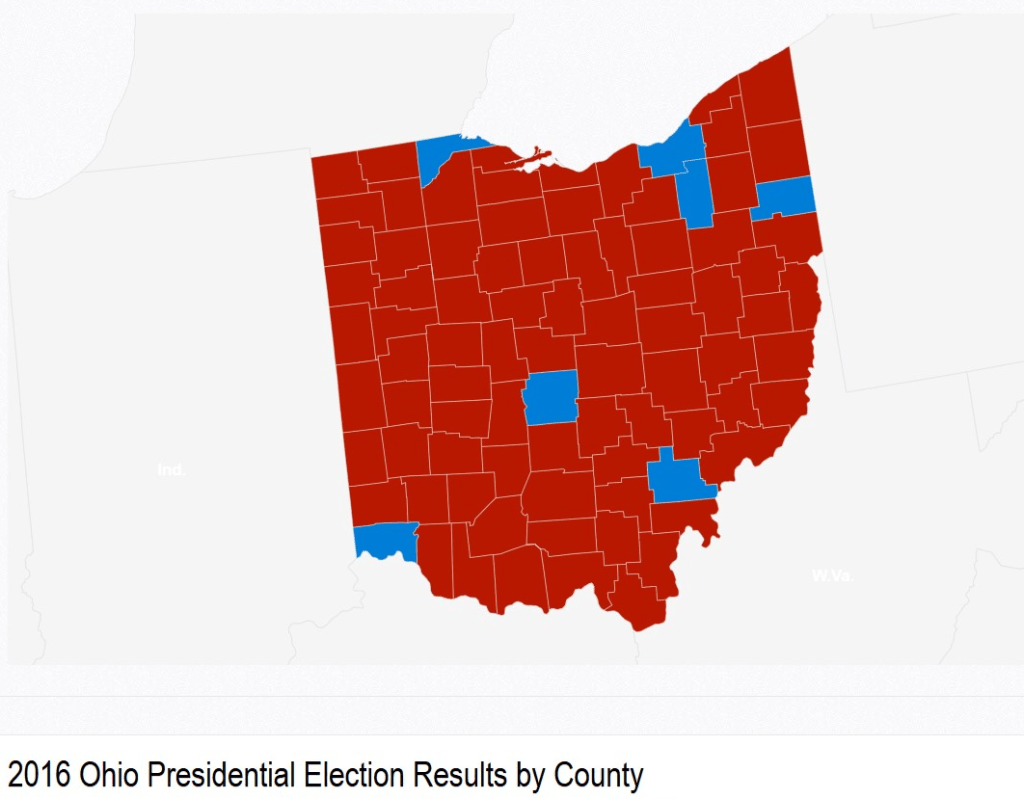
https://www.politico.com/2016-election/results/map/president/ohio/

Trump’s chances for a second term rest heavily on being able to maintain the margins he won by in 2016, particularly in suburban areas. He plans to campaign outside Toledo on Monday, as liberal Supreme Court Justice Ruth Bader Ginsburg’s death stokes questions of whether the sudden court vacancy would energize more suburban voters who support abortion rights or social conservatives in small-town and rural areas who oppose them.

Republican lawmakers and strategists in Ohio say they are seeing research that shows a near-uniform drop in support from his 2016 totals across every suburban region of the state…

There is less debate in other states. Pennsylvania Republicans say across the longtime GOP stronghold of Chester County west of Philadelphia, for instance, Trump has slipped as far as he has in Ohio’s suburbs, though in more populous towns and in a state he carried by fewer than 45,000 votes…

A central question is whether Trump can, as his campaign predicts, spur even more support than in 2016 from rural voters in Pennsylvania, Michigan and Wisconsin.

Several quick thoughts:

  1. The Trump campaign has tried to appeal to suburban voters – see the rhetoric about Democrats wanting to “abolish” suburbs – yet also seems committed to trying to get as many votes as possible from more rural areas.
  2. These suburban locations in the Midwest are an interesting mix of prosperity and problems. They are located within Rust Belt states where changing economic conditions, particularly the loss of manufacturing jobs, have threatened what were once growing, prosperous states. On the other hand, many of these suburban voters are in relatively good position compared to others in their metropolitan region or their state.
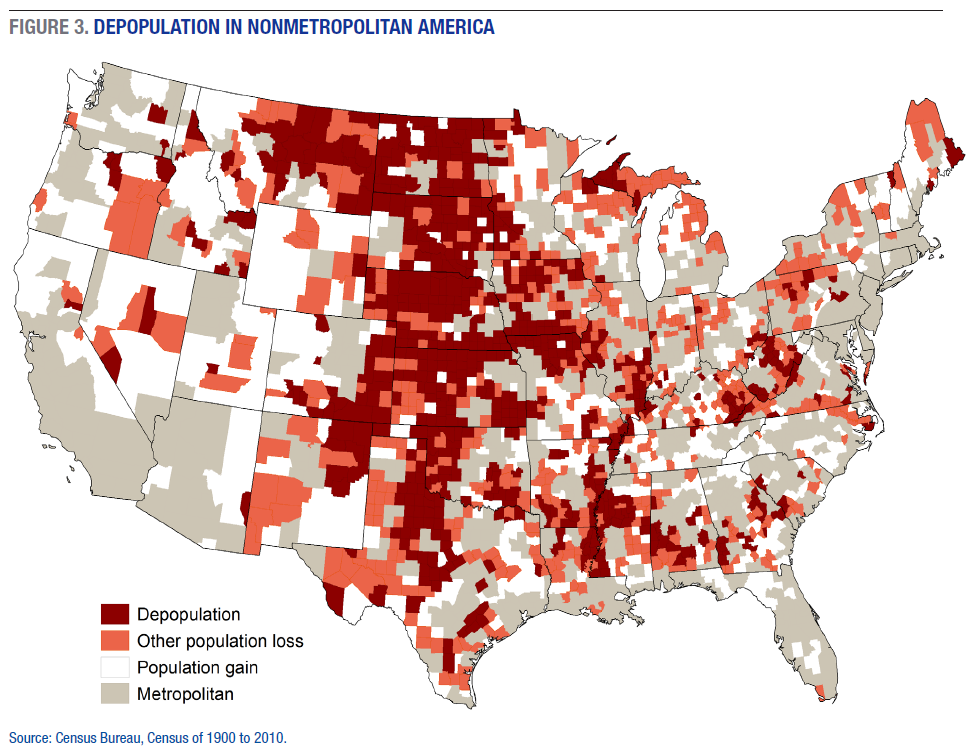
  3. As Trump courts rural voters, population change in rural America is more complex than just saying the rural population is declining. See this 2019 research:
Figure 3
https://carsey.unh.edu/publication/rural-depopulation

Our research provides clear evidence of depopulation across a broad swatch of rural America. Depopulation seemingly is now built into the demographic fabric of some parts of rural America—a result of chronic outmigration among young adults of reproductive age, along with population aging and high mortality rates. Yet, depopulation is far from universal. Many rural regions continue to grow, often rapidly, including exurban areas just beyond the metropolitan suburban fringe, and high-amenity recreational and retirement areas. These counties are likely to hold their own demographically in the future. The situation is much different for the depopulating rural counties caught in a downward spiral of population loss.

Patterns in suburban Chicago rallies for in-person schooling, sports

The suburbs are not typically considered hot spots for protest activity. Yet, in the Chicago region, in the past few weeks several suburban rallies have taken place in support of a return to school. The latest one on Monday in Barrington:

Holding signs like “Schools not screens” and “Stop playing politics, start playing ball,” more than 200 parents and students in Barrington Area Unit District 220 took part in a rally Monday evening asking the district to allow in-person schooling and sports…

A survey conducted by the district earlier this summer showed 70% of parents wanted their children in school, he pointed out. “So why are they not in school?” he said, getting applause and cheering from the crowd.

This comes less than a week after a protest with a similar theme in Wheaton:

As students across the Western suburbs begin the school year with remote learning, hundreds of parents and students rallied in a downtown Wheaton park Tuesday night to demand a total return to classrooms and sports…

The gathering in Wheaton’s Memorial Park drew participants from as far away as Mokena and Orland Park, Western Springs and Huntley.

Along with students, some teachers and coaches, parents at the rally made the case for reopening classrooms, arguing that the loss of social interaction in schools hurts their children’s emotional, mental and social well-being.

A few thoughts on these protests:

  1. Given how COVID-19 has been politicized, would it be fair to characterize as these rallies as a conservative response to current conditions? If so, this could join a pro-police rally in Oak Brook a few years ago. This is in contrast to “liberal” suburban rallies in Naperville (example here) and in other suburbs. (NIMBY protests in the Chicago suburbs may be bipartisan.)
  2. Do suburban protests tend to take place in wealthier suburbs? I have made the case that Naperville draws particular attention for protests because it is large and has a lively downtown. Would suburban protests in more working class communities draw the same attention?
  3. Do we know if there is a recent (last five years or so) increase in suburban rallies and protests? We would need to have a baseline of collective activity over time and then compare. If there is an increase, it might be due to multiple factors: increasing diversity in suburbs and changing communities as well as ongoing battles for suburban voters.